Getting Started
Chervil is a culinary herb grown for its leaves, which look similar to parsley but have a more subtle flavour with a hint of aniseed. This short-lived herb is a but is usually grown as an annual. With its delicate, finely divided leaves and clusters of tiny white flowers on stems 30–60cm (1–2ft) tall, chervil makes a charming addition to any herb garden.
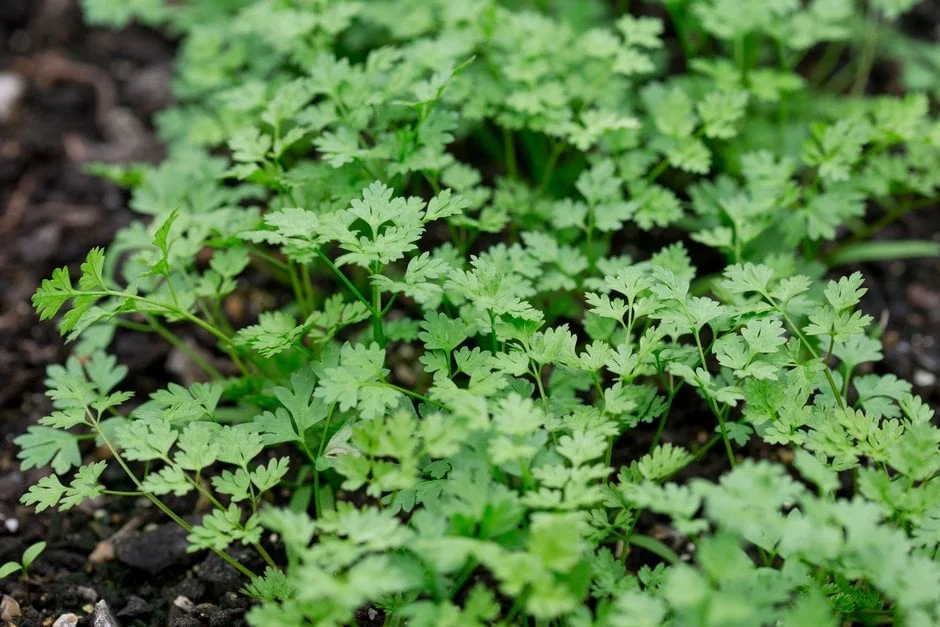
Chervil (Anthriscus cerefolium) is easy to grow from seed sown indoors or outside. It does best in a cool, lightly shaded spot, either in the ground or in a container. The leaves can be harvested until the plants start to flower, which usually happens fairly quickly, especially in hot weather. Regular sowing of small batches can provide continuous pickings through summer and autumn – and beyond if you protect plants with cloches or keep them in a greenhouse.
Chervil has been used since Roman times and is popular in French cuisine. The delicate anise flavour does not withstand cooking, so leaves are added to salads and to hot dishes, especially those containing egg, chicken and fish, just before serving. As chervil isn’t widely available in supermarkets, it’s well worth growing your own.
Jobs to do now
Harvest
Thin seedlings
Water if needed
Month by Month
Sow
Plant Out
Harvest


Choosing What To Grow
As well as the usual flat-leaved chervil, there is a curly-leaved form and a small selection of other varieties, such as 'Vertissimo', which is slow to bolt. Chervil seeds are widely available in garden centres and from online seed suppliers. Young plants may also be available in spring and summer, mainly from herb nurseries.

Sowing
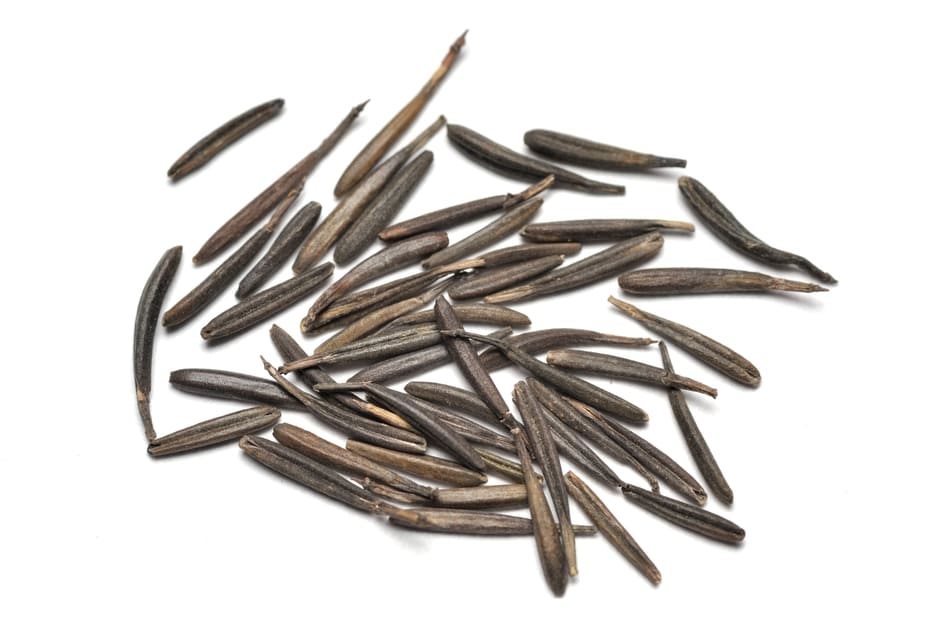
Chervil is quick and easy to grow from seed sown indoors or outside. Sow small batches regularly through spring and summer to provide ongoing harvests of young leaves. Chervil seeds remain viable for about a year. Water immediately after sowing and aim to keep the /soil slightly moist.
Sowing indoors
You can sow chervil seeds on a sunny windowsill or in a greenhouse from early spring. Sow in modular trays if possible, to minimise root disturbance when transplanting outdoors later (see Planting below). should take 5–10 days. If you sow in pots or seedtrays, move into individual pots as soon as they’re large enough to handle. Keep the seedlings in good light and water regularly until ready to plant outdoors.
Sowing indoors provides a head start in spring, and the delicate seedlings are protected from harsh weather. However, chervil plants should be moved to their final growing position as soon as possible, before their tap root starts to form. For more sowing tips, see our guides below.
Sowing outdoors
Sow chervil seeds outdoors from April to August, ideally in a lightly shaded area. Before sowing, weed the ground thoroughly then fork it over to break up any hard lumps. Remove any stones and rake to a fine texture. Alternatively, if you’re practising no-dig, the surface with a layer of well-rotted, fine organic matter and sow directly into the mulch.
Make a shallow , about 1cm (½in) deep, water along the base, then sow the chervil seeds thinly. Space rows 30cm (12in) apart and thin out to 15cm (6in) apart. Chervil seedlings can take up to three weeks to emerge, depending on outdoor temperatures.
Sowing in containers
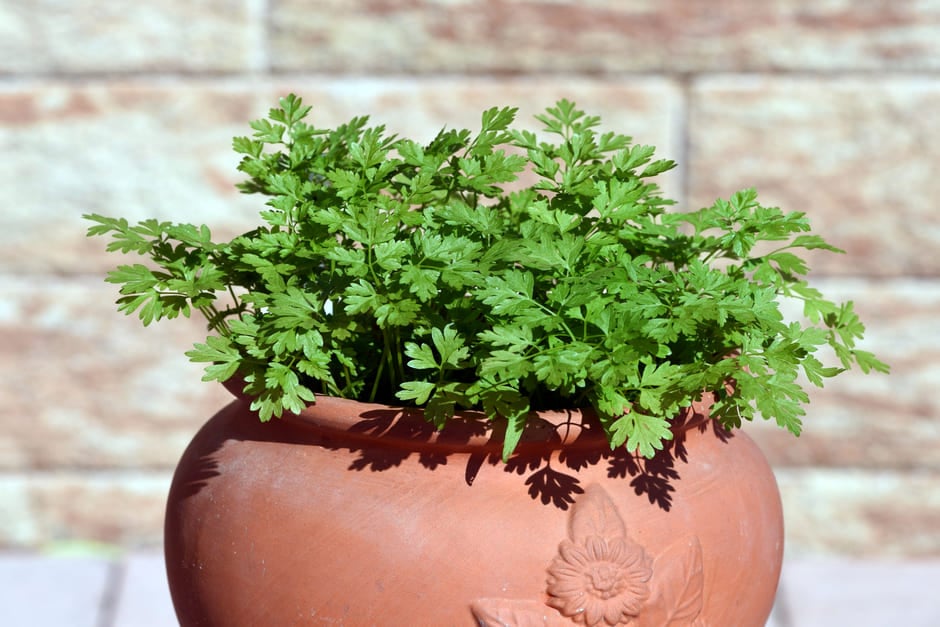
Chervil can be sown directly into containers outside, which is ideal if you have limited ground space. Use a container at least 25cm (10in) deep and wide and fill with peat-free multi-purpose . Sow thinly and cover the seeds with about 1cm (½in) of compost.
Planting
Plant indoor-sown chervil and bought plants into their final growing position from mid-spring onwards, once they’re about 5cm (2in) tall and before their long tap roots start to grow. Harden them off first, slowly introducing them to outdoor conditions. Chervil is best planted in light shade, especially in summer, as hot sun can cause premature flowering (bolting). Plant them at the same level they were previously growing and try not to disturb the roots.
Plant Care
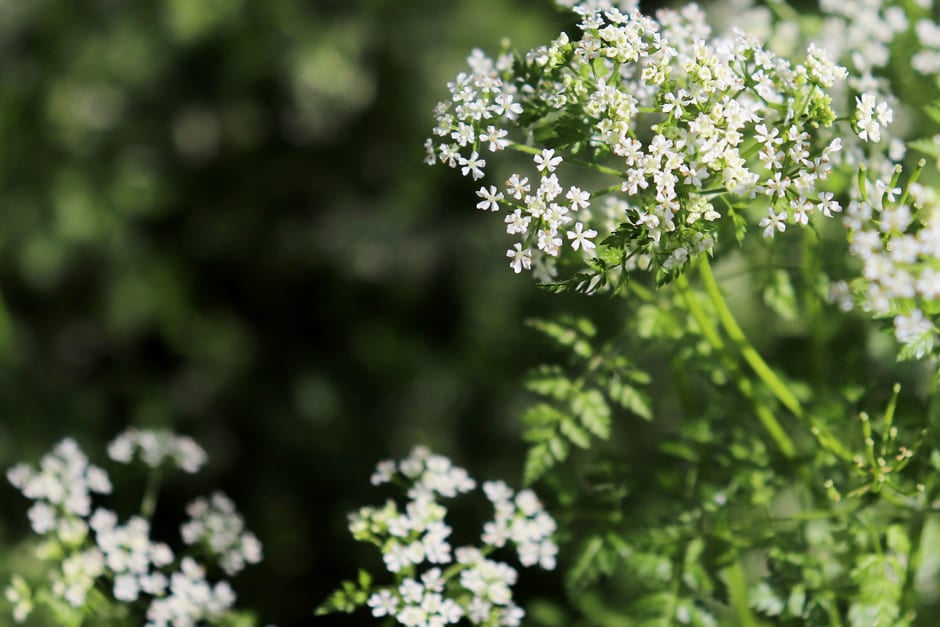
Chervil needs little maintenance, apart from watering in dry weather to deter premature flowering. Remove plants when they begin flowering, as the leaves will be past their best – or allow a few plants to flower, so you can collect the seeds for future sowing.
Watering
Aim to keep the soil/ consistently moist but not . In hot, dry weather, chervil is prone to bolting, but regular watering can delay this. Plants in containers need particular attention, as the compost can dry out very quickly in warm weather. For water-wise tips, see our guides below.
Protecting your crop
For harvests into autumn and early winter, sow seeds in late summer and cover with cloches, or keep them in a coldframe or greenhouse. Plants still growing well in containers can be moved into a greenhouse in autumn.
Propagating
Chervil will readily self seed when given suitable growing conditions. If you leave some plants to flower and set seed, you can either collect the seeds to sow yourself or let them drop and grow where they like. If you collect your own seeds, sow them within a year, as they don't store well or stay viable for long.
Harvesting
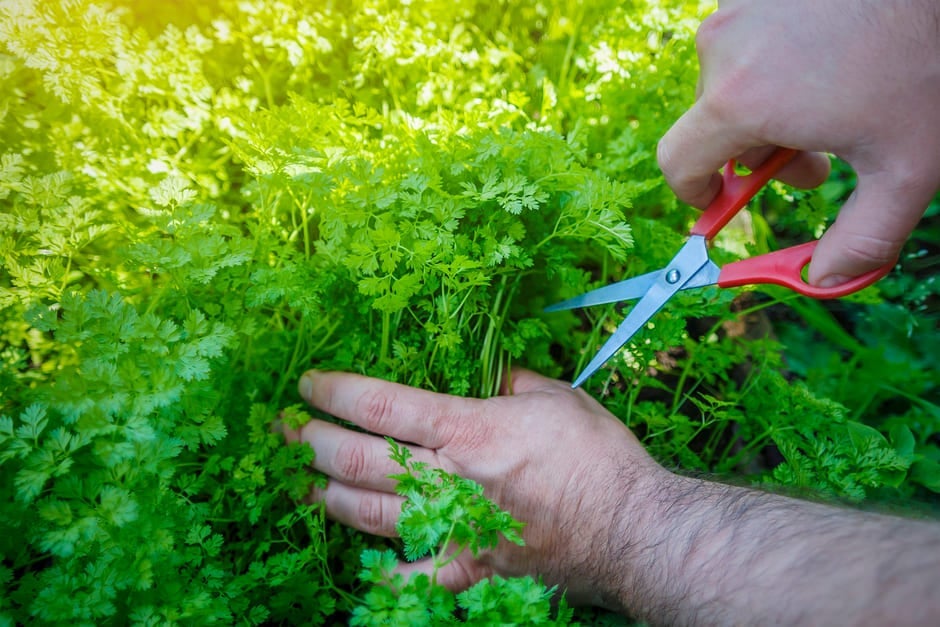
Chervil leaves should be ready for harvesting in about eight weeks from sowing, once plants are at least 10cm (4in) tall. Choose the soft young leaves, taking only a few from each plant to keep plants productive and attractive. Alternatively, if you need a large harvest, remove all the stems down to 5–7.5cm (2–3in) – healthy plants should produce another flush of growth.
Problem Solving
Chervil is prone to in hot dry weather, so water regularly, especially if growing in a container, and sow summer crops in a cool, partly shaded spot. Chervil is a short-lived plant and will naturally flower fairly quickly, which curtails leaf production. Sow new batches of seeds every few weeks to ensure a fresh supply over several months. Chervil’s delicate foliage is vulnerable to aphids – see Common problems below.
Common Problems

Bolting in vegetables
Bolting is the term applied to vegetable crops when they prematurely run to seed, usually making them unusable. A cold spell or changes in day length...

