Why gardening makes us feel better – and how to make the most of it
Gardens can be great for the environment and for wildlife – and they’re good for people too, according to an increasing body of research
Ashby Sachs
Post-doctoral Fellowship: Wellbeing and Gardens
8-minute read
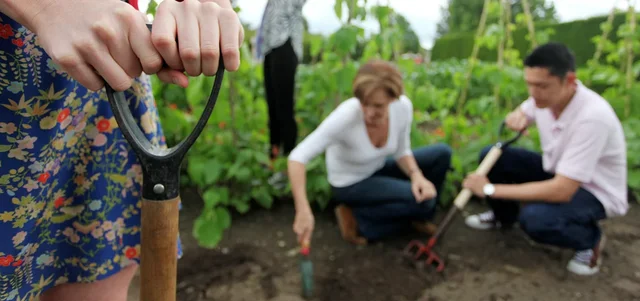
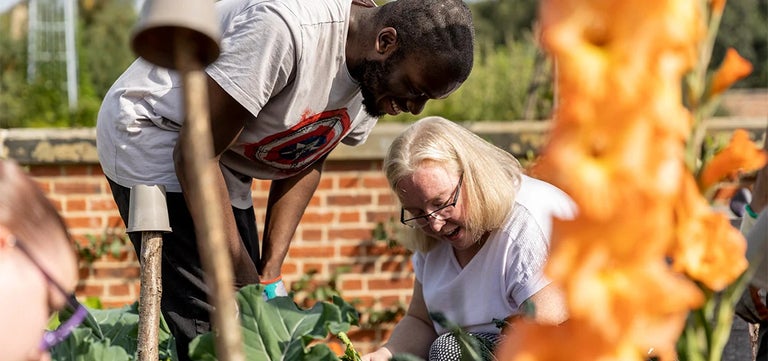
There are few activities that can achieve what horticulture and gardening can. The act of gardening helps us keep fit and connect with others, enjoy and be part of nature and revel in colour, aroma, wildlife and beauty. Aside from cultivating beautiful plants that delight our senses, we can also grow food and even cures for minor ailments in our gardens.
Make gardening part of your everyday life
Gardening and being among nature has been shown to improve mental and physical health
Gardening has a long and connected history to science and medicine. For centuries, gardens have been a source not only of food on the table but also of remedies to treat common ailments. Some such as St John’s wort for depression and willow for headaches have been embraced by modern science.
It is increasingly acknowledged that gardens and green spaces are associated with better physical, social and mental health. British physician Sir Muir Gray famously said that everyone needs a ‘Natural Health Service’ as well as a National Health Service. The NHS has integrated social prescribing in its 10 Year Health Plan for England as a key part of moving care from hospitals to communities. As the population ages and healthcare costs spiral, social prescribing and preventative healthcare have a renewed importance.
We need to consciously embed gardens and gardening into daily life for everyone. In 2021, the RHS released research that revealed those who garden every day have wellbeing scores 6.6% higherand stress levels 4.2% lower than people who don’t garden at all. Surveying more than 6,000 people, the research showed a significant association between gardening more frequently and improvements in wellbeing, perceived stress and physical activity.
Gardening for half an hour burns as many calories as some sports
It’s common knowledge that exercise is good for you. The NHS considers it essential to living a healthy and fulfilling life and it’s medically proven that people who do regular physical activity have up to a 35% lower risk of coronary heart disease and stroke. Physical and mental illnesses associated with our increasingly sedentary urban lifestyles have a growing economic and social cost .
Lesser known is the role that gardening can play in helping to keep you fit and healthy. Gardeners might be delighted to learn that the number of calories burnt from 30 minutes of gardening is comparable to playing badminton, volleyball or practising yoga.
However, as with any physical activity, such as running or weightlifting, there is potential for injury if done incorrectly. A study led by the RHS and Coventry University used technology commonly found on Hollywood film sets to better understand how everyday gardening practices like digging can be carried out with minimal muscle strain,helping people enjoy gardening for longer.
Preventing mental ill-health
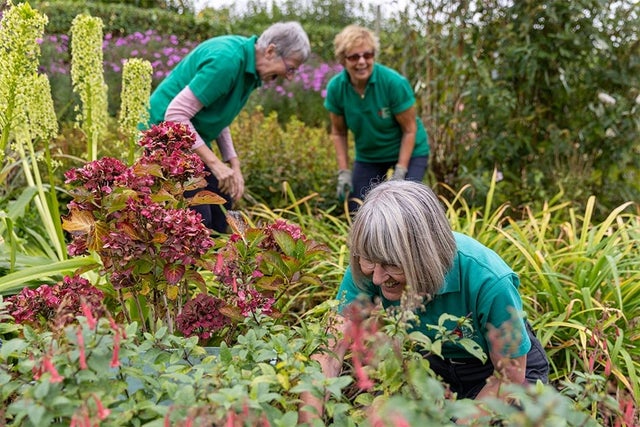
Gardening can reduce anxiety and social isolation experienced in young and old alike
The benefits of being in the garden run much deeper than just exercise. A systematic review exploring the role of gardening in promoting neuroplasticity and cognitive functioning showed that gardening as a health intervention can be as effective as antidepressants. Gardening can also help maintain independence and prevent cognitive decline. Tokyo and Exeter Universities also found robust evidence for the positive effects of gardening on health, calling for governments and health organisations to promote gardening.
An increasing number of GPs are prescribing gardening not only for rehabilitation but also as a preventative mechanism. In Lambeth, London, 13 GPs have opened community gardens with positive effects.
In 2025, a longitudinal study reported that low exposure to neighbourhood green space was associated with higher psychological distress, while high green-space exposure was consistently associated with lower distress – with notably stronger benefits among socioeconomically disadvantaged individuals.In 2024, a study focusing on older adults in Norway reported that self-reported access to green space was strongly associated with higher odds of low mental distress and better general health, even after adjusting for age, education, physical activity and socioeconomic factors.
The RHS’ own research and practical programmes support these findings. Garden visitors who were prompted to notice nature in the garden, as opposed to human-made features, reported significantly higher wellbeing . Sustainable gardening is associated with perceived health benefits from gardening . Four in five teachers who signed up to the RHS Campaign for School Gardening reported that gardening has had a significant positive impact on pupil health and wellbeing.
There is an opportunity for gardening to play a central role in improving our nation’s mental health and wellbeing. Currently, the RHS is undertaking research in collaboration with the University of Sheffield to better understand how to maximise the health benefits of gardening. For example, the RHS is exploring the role of flower colour, shape and scent on stress and wellbeing in the garden context.
Eat your greens! Healthy eating and plant-based foods
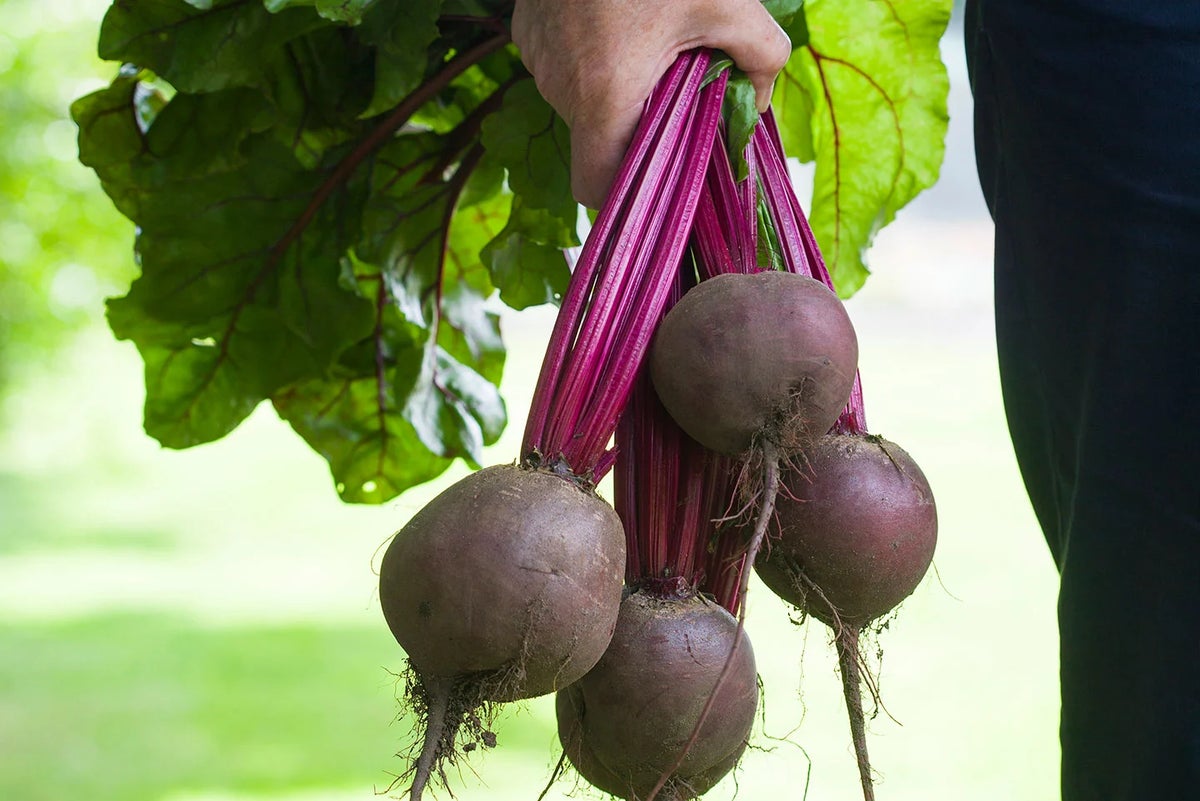
Beetroot is packed with nutrients and fibre
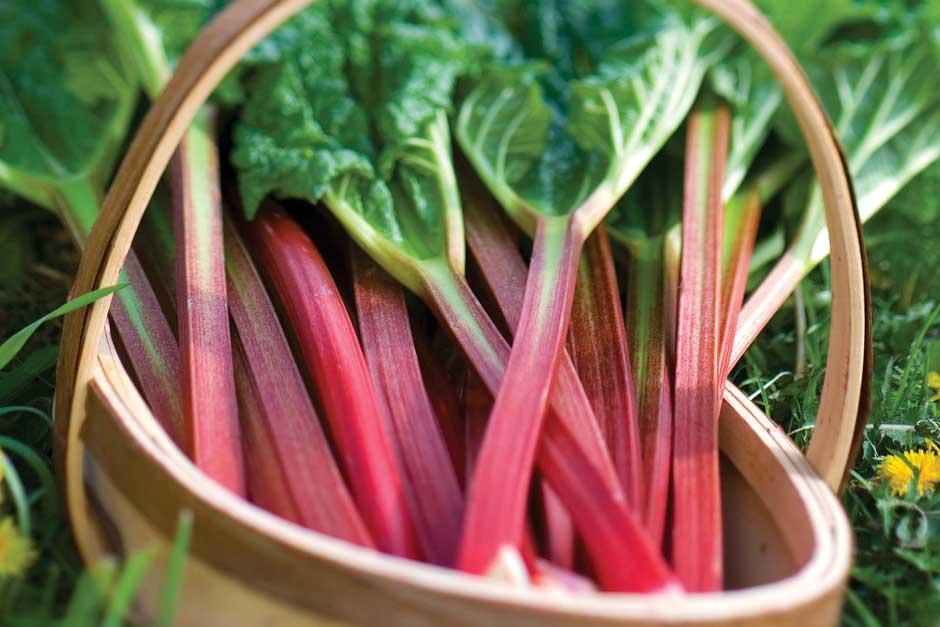
Rhubarb contains high levels of calcium
Research by the American Heart Association has shown that diets higher in plant foods and lower in animal foods may be linked to a lower risk of dying of a heart attack, stroke or other cardiovascular disease, with a notably 32% lower risk of cardiovascular disease.
In terms of weight management and the UK’s obesity problems, the NHS cites fruit and vegetables as being important for maintaining a healthy weight. Yet, in 2022 only 29% of adults were eating the recommended five portions of fruit and vegetables.
Growing your own really is worthwhile: you’ll have plenty of fruit and veg on tap. Finding ways to use them up does dietary wonders, and you can pick as much as you need, when you need it. It’s also worth noting that an important by-product of ‘grow your own’ is a reduction in plastic packaging and food waste.
The RHS has seen an increase in the number of community gardening groups (Britain in Bloom, It’s Your Neighbourhood) helping to address healthy eating in their areas. Actions include growing fruit and vegetables in community orchards and allotments , providing and stocking community fridges and supplementing charity food parcels with fresh produce.
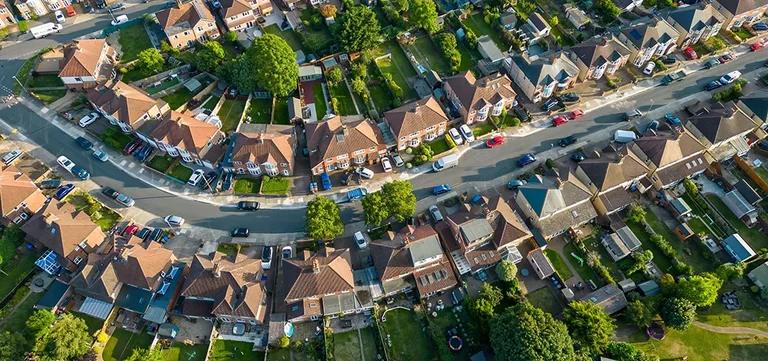
Gardens and plants also improve our environment, protecting us from noise and particulate pollution, as well as cool us in extremes of temperature and help mitigate against flooding linked to a changing climate.
These life-affirming actions are changing the lives of thousands of people up and down the country – daily evidence that gardens and gardening benefit the mind, body and spirit. There’s never been a better time to pick up that trowel and get growing.