The RHS Space to Grow Report 2025 is the first national research mapping the scale, impact and needs of community gardening in the UK, with insights into the challenges and opportunities from over 2,000 community gardening groups
RHS Editorial Team
10-minute read
Society is facing a complex set of challenges, from climate change, health and wellbeing and loss to food insecurity, loneliness and economic instability. Powerful solutions to many of these challenges lie in community gardening.
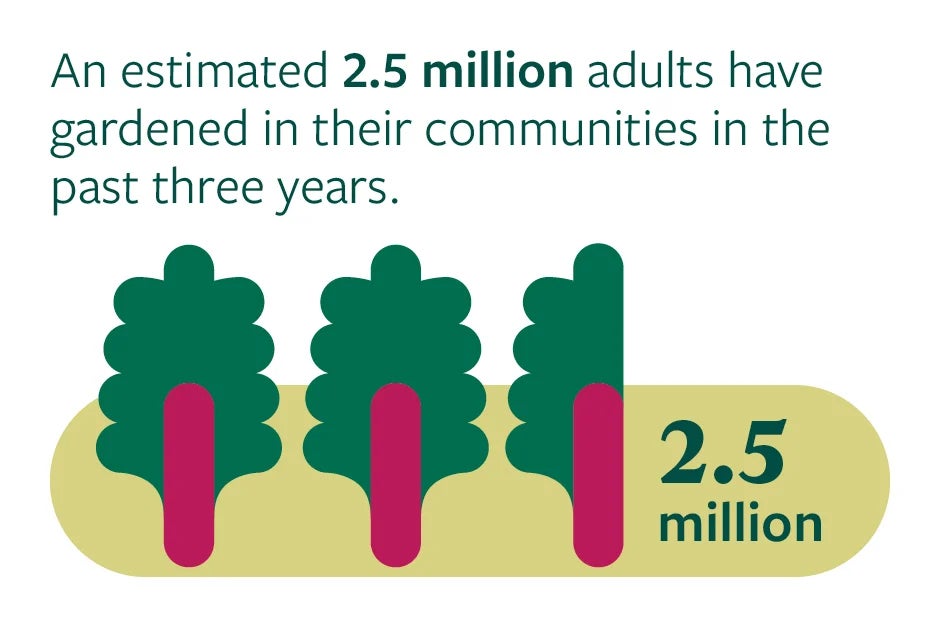
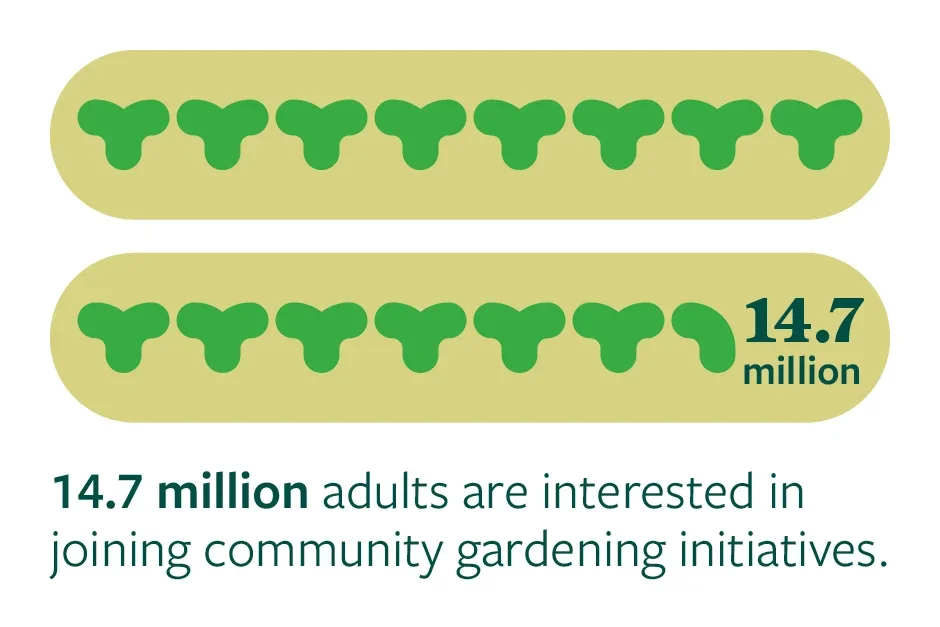
Drawing on the findings from the National Community Gardening Survey, launched in January 2025, which involved more than 2,000 community gardening groups, Space to Grow reveals an estimated 2.5 million people have gardened in their communities in the past three years and 14.7 million more would like to join in.
The report, aimed at government and organisations working in the community gardening space, offers clear, practical recommendations to help community gardening thrive and overcome the hurdles it faces. It demonstrates how a well-supported community gardening movement can improve health and wellbeing, unify communities, help grow nutritious and healthy food, support nature and biodiversity and reduce isolation, loneliness and division.
"Community gardening is one of the most quietly powerful movements in the UK today. Space to Grow shows what’s needed to unlock its full potential."
Clare Matterson, RHS Director General
Access the report
Discover the data, stories and evidence shaping the future of community gardening.
Community gardening in the UK has grown and evolved over time, with initiatives such as Britain in Bloom playing a significant role in its development. Community gardening groups come in many shapes and sizes, such as allotments, health centre gardens, school gardens and even shared containers on streets and shared spaces in housing developments. Of those surveyed, 76%are located in urban areas, while the remaining 24% in rural settings.
According to Space to Grow, the top motivation for community gardening groups is bringing the community together – in 85% of cases. This is followed by benefitting participants’ physical and mental wellbeing, encouraging enjoyment of gardening, improving biodiversity and wildlife habitats and creating cleaner, greener or more attractive surroundings. By contrast, gaining recognition is important for only 16% community gardens.
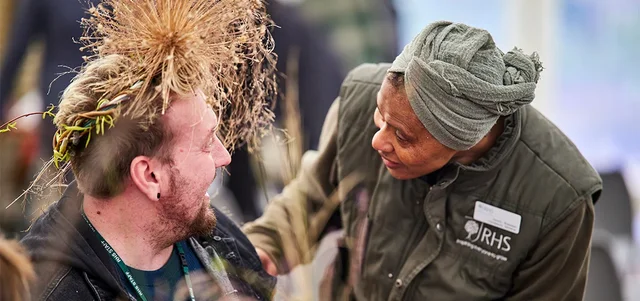
"You see people at their lowest, but you also see them grow stronger. When they have their hands in the soil, their worries disappear, and they are learning a new skill which will help them and those around them."
Angela Smith, RHS Community Outreach Advisor
What are community gardens growing?
Sixty per cent of community gardening sites are accessible by the public at all times
69% are growing flowers
61% vegetables
35% fruit trees
35% herbs
35% fruit
33% other trees
Why community gardening matters
Whether it’s a youth club growing flowers for a care home or neighbours turning a lawn into a kitchen garden, community gardens are helping us tackle some of the biggest issues of our time, particularly in policy areas that have long been priorities for government: improving people’s health and wellbeing, fostering place-based community cohesion, increasing access to nature and delivering on environmental targets. The body of research pointing to the benefits and impacts of community gardening continues to grow.
Although community gardening is growing – with nearly half of groups reporting an increase in volunteer numbers over the past year – 56% of community gardening groups said they are worried about their survival. Community gardening groups need support to remain sustainable in challenging times, from better funding and infrastructure to stronger networks and advocacy, with larger groups that have invested in paid staff and social impact feeling the most under pressure. Of those community gardening groups offering Green Social Prescribing or therapeutic horticulture – 30% of the total – 69% are worried about their survival.
Funding
Almost a third operate on less than £500 per year
24% don’t know where to find funding opportunities
Funders offer start up grants rather than ongoing funding
Volunteer capacity
74% have no paid staff
Lack of specific skills (leadership, administration, social media)
Ageing volunteer base and difficulty attracting younger generations
Infrastructure
32% don’t have access to a water supply
Anti-social behaviour and security impacts volunteers
Lack of basic facilities (secure storage, accessible toilets, covered spaces)
Access to land
Just 3% of community gardens own their own sites
Bureaucracy and landlord relationships hinder growth
Minority ethnic-led groups experience inequality
Key recommendations
For the full potential of the community gardening movement to be realised, organisations such as the RHS, governments and local authorities need to work together to deliver a broader support framework, investment and stronger infrastructure. Space to Grow sets out the following practical recommendations:
For national governments
Find legislative and policy opportunities to take the Space to Grow campaign forward, by embedding community gardens into national planning policy as infrastructure of strategic importance
Consult and engage with the community gardening sector to ensure community gardening is integrated into policy areas and strategies where it can play a key role in supporting the delivery of government priorities. Ideas for a UK Government Office for Green Spaces should be developed and taken forward
Consider how creating a local strategy for community gardening or incorporating community gardening into existing strategies (such as Spatial Development Strategies) could help them deliver on their policy priorities for local residents
Consider how they could deliver on their policy priorities by adopting Right to Grow
For organisations supporting community gardening groups
Collaborate more closely, create joint advocacy campaigns and develop shared strategies for representing the voices and concerns of the community gardening movement to governments and funders across the UK
Work collaboratively to facilitate more networking and skills-sharing opportunities, with a view to supporting community gardeners to strengthen their skills in creating the green change they want to see in their local areas
For funders
Review their grant opportunities in light of the findings of this report. Many community gardens are not registered charities and as such may be ineligible for many sources of funding under current restrictive criteria; larger organisations and infrastructure networks are often in urgent need of sustainable revenue funding as well as capital opportunities; and all community gardening groups need to see lighter touch application processes and reporting expectations from funders.
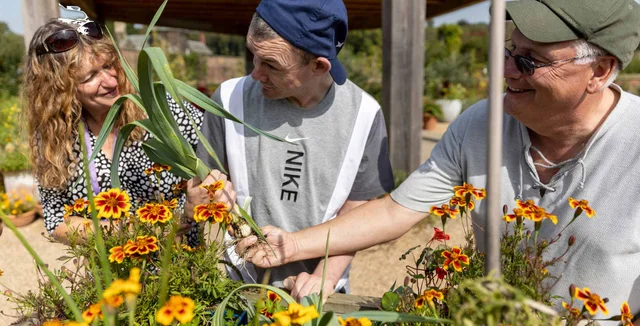
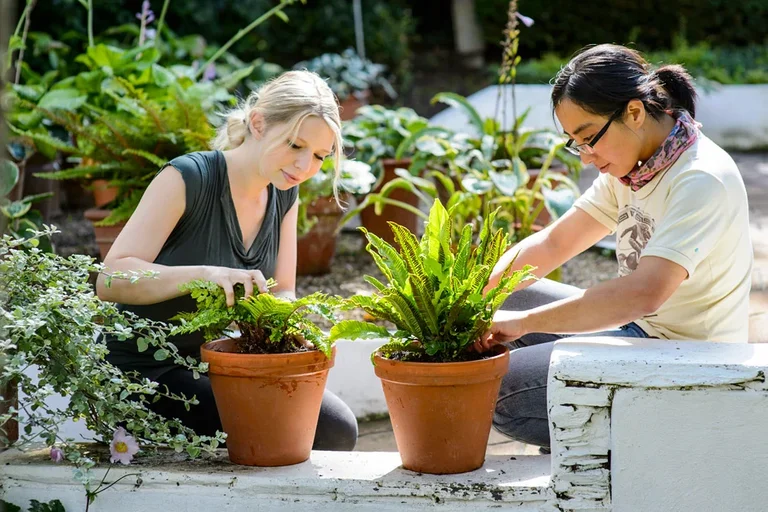
Keeping active and engaged in the garden improves overall physical wellbeing
The recommendations set out in Space to Grow highlight what’s needed to help community gardening groups thrive, but action doesn’t stop with policy and funding. There are practical ways for individuals and communities to get involved and support the community gardening movement directly. You can play a part by:
Volunteering your time or skills: groups often need help with events, administration or communications, as well as growing
Support a local project: donations of tools or materials are often needed. Attending open days or sharing their work on social media helps to boost visibility and momentum
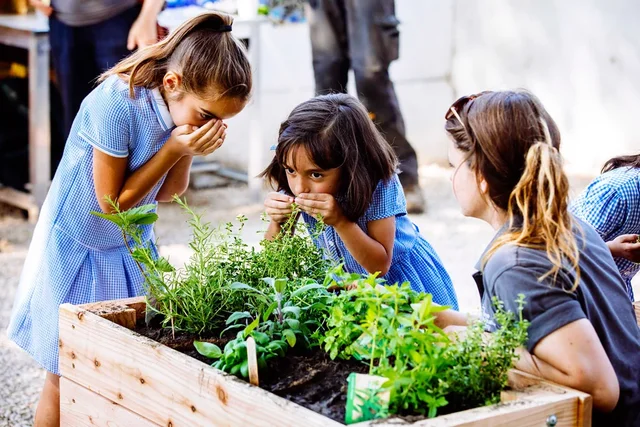
Champion growing in your community: consider how outdoor space can be used for gardening at sites like schools , housing associations or healthcare providers. Community gardens are natural additions to these settings, helping to support wellbeing, learning and connection
Connect with others: join local networks, attend workshops or reach out to groups to share your ideas, experiences and feedback.
"What we’ve done here feels radical in terms of the breadth of partnerships. But I hope it acts as a showcase for what can be done with council and corporate involvement, and a model others may be able to use."
Jamie Quince-Starkey, Electric Daisy
Access the report
Discover the data, stories and evidence shaping the future of community gardening.