Drought-resistant plants
As climate change presents us with the challenge of gardening with less water, choosing plants to suit our growing conditions becomes paramount.
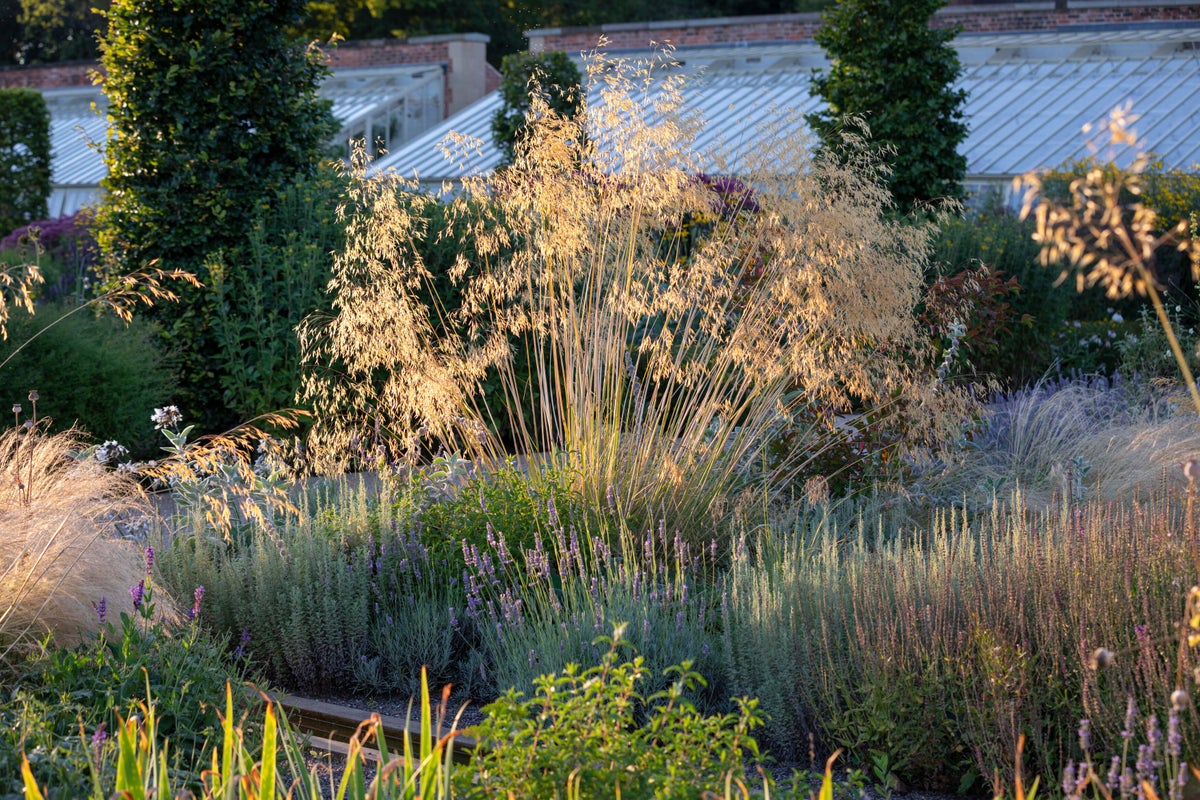
Drier soil is great for plants with a Mediterranean origin
The addition of plenty of organic matter will help soil retain moisture in summer
Some initial watering may be needed to help plants establish

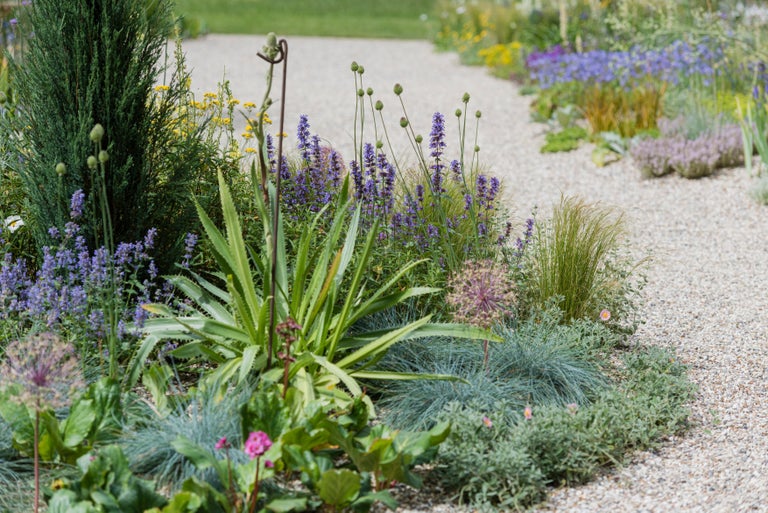
James Lawrence, RHS Principal Horticultural Advisor, has designed this simple, attractive, and most importantly, sustainable border design for you to try at home, with plants that are easy to grow, widely available and look good together.
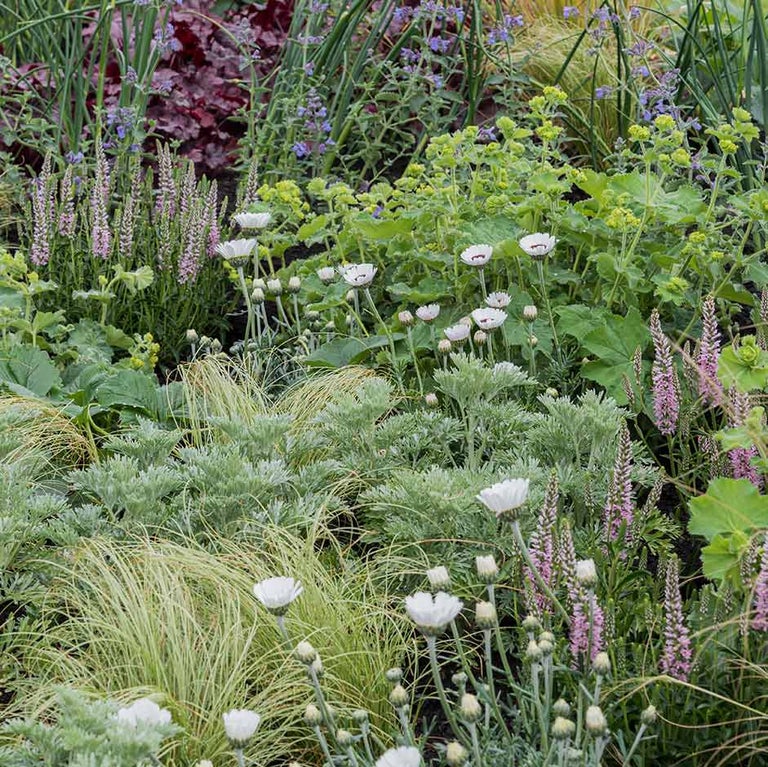
This planting design provides a range of plants that, once established, will thrive together in dry conditions, offering a variety of plumes and blooms that look good throughout the year. A simple planting plan helps to create depth, interest and good coverage in a border.
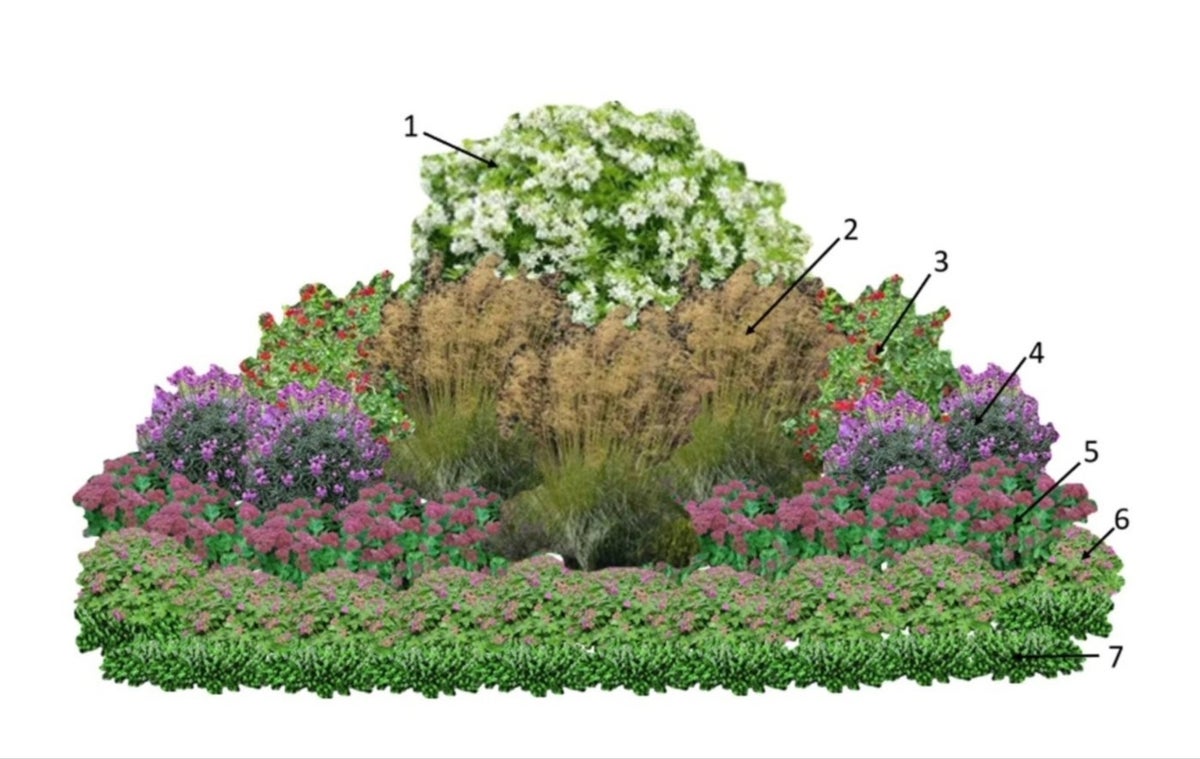
The thick, succulent leaves of the Hylotelephium cope with drought well, and the small leaves of the Thymus and Salvia help to reduce water loss.
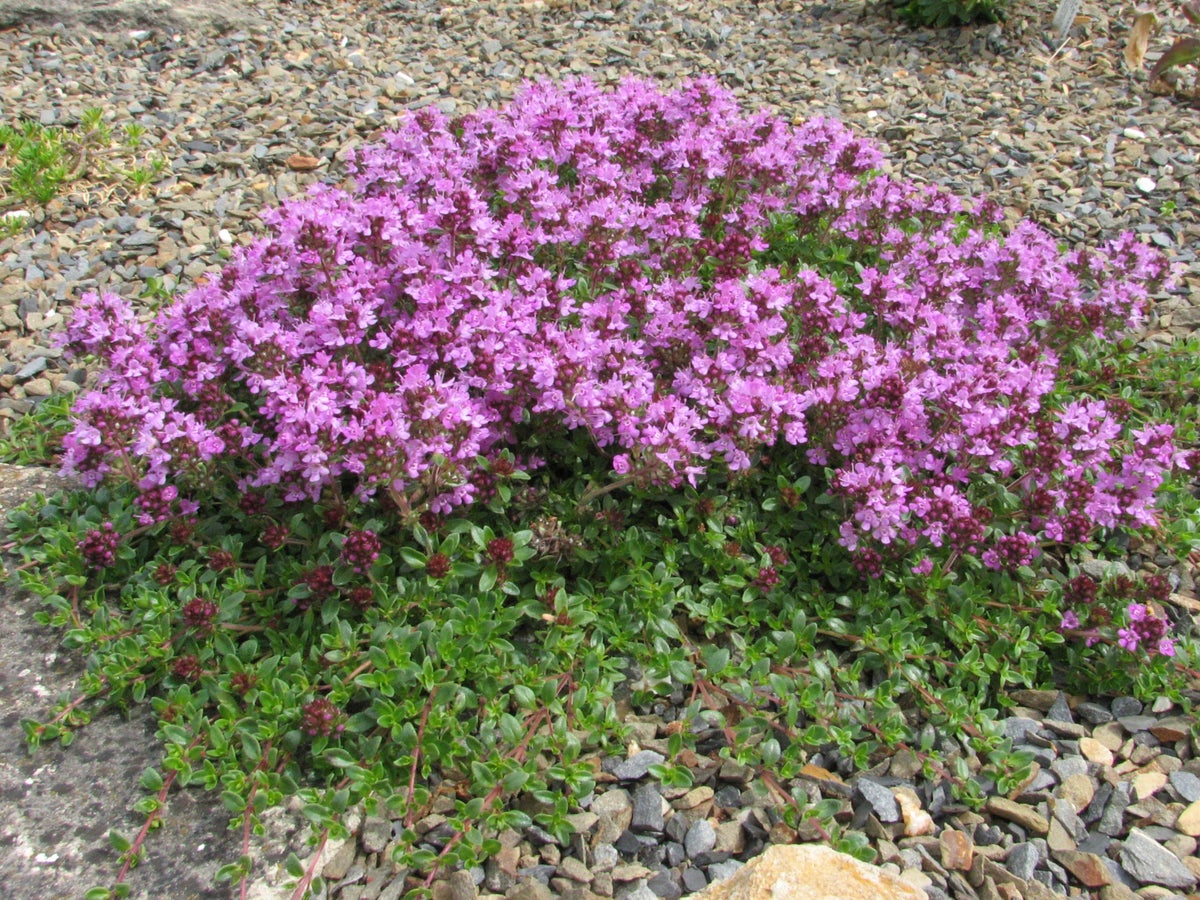
The Thymus and Geranium also spread to provide some ground cover, so will help to reduce soil erosion, suppress weed growth and reduce water loss from the soil surface. Some of these plants will also attract vital pollinators to the garden.
Additional organic mulching, preferably with homemade compost, can further improve soil moisture retention and weed suppression. It will also help to improve the water-holding ability of your soil. Mulches should be spread when the soil is already moist, to help trap some of that moisture before it dries out in summer.
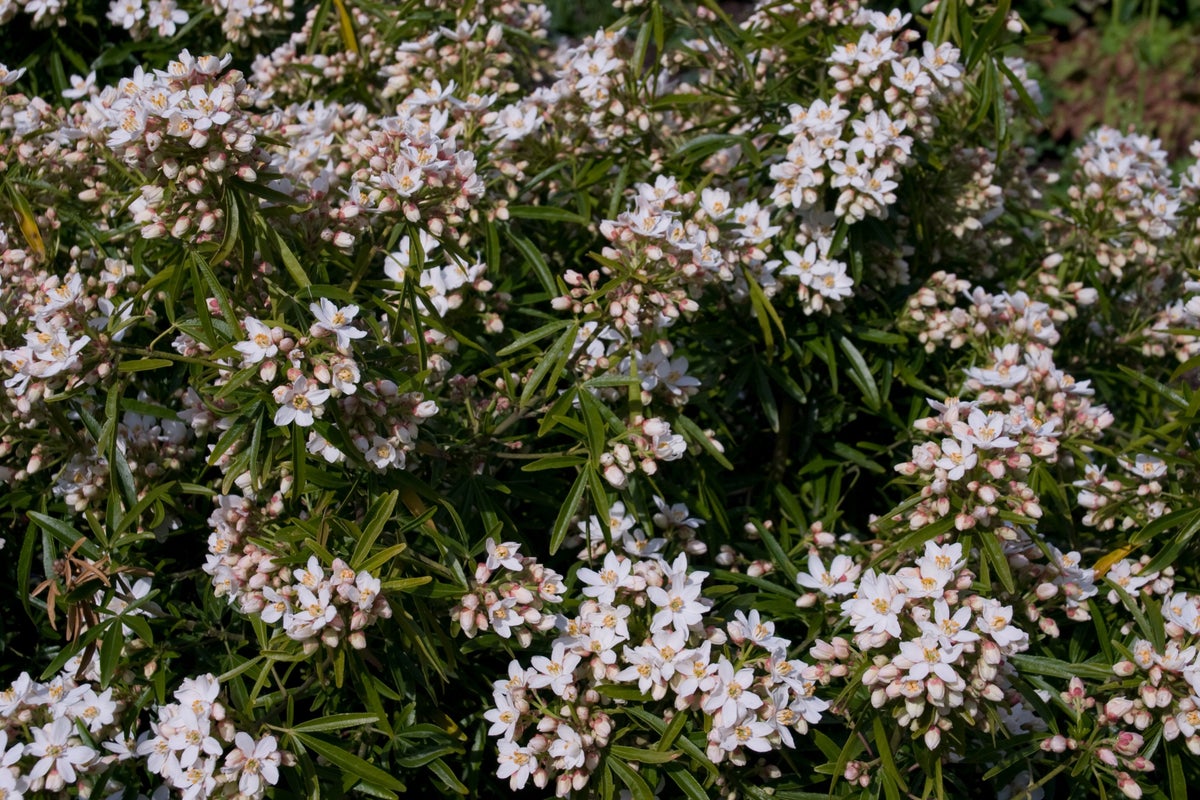
1 - Choisya × dewitteana 'Aztec Pearl' is an evergreen shrub with a rounded habit and bright green leaves composed of three to five slender leaflets. Fragrant flowers are white, tinged pink in , and appear in small clusters in late spring and again in autumn.
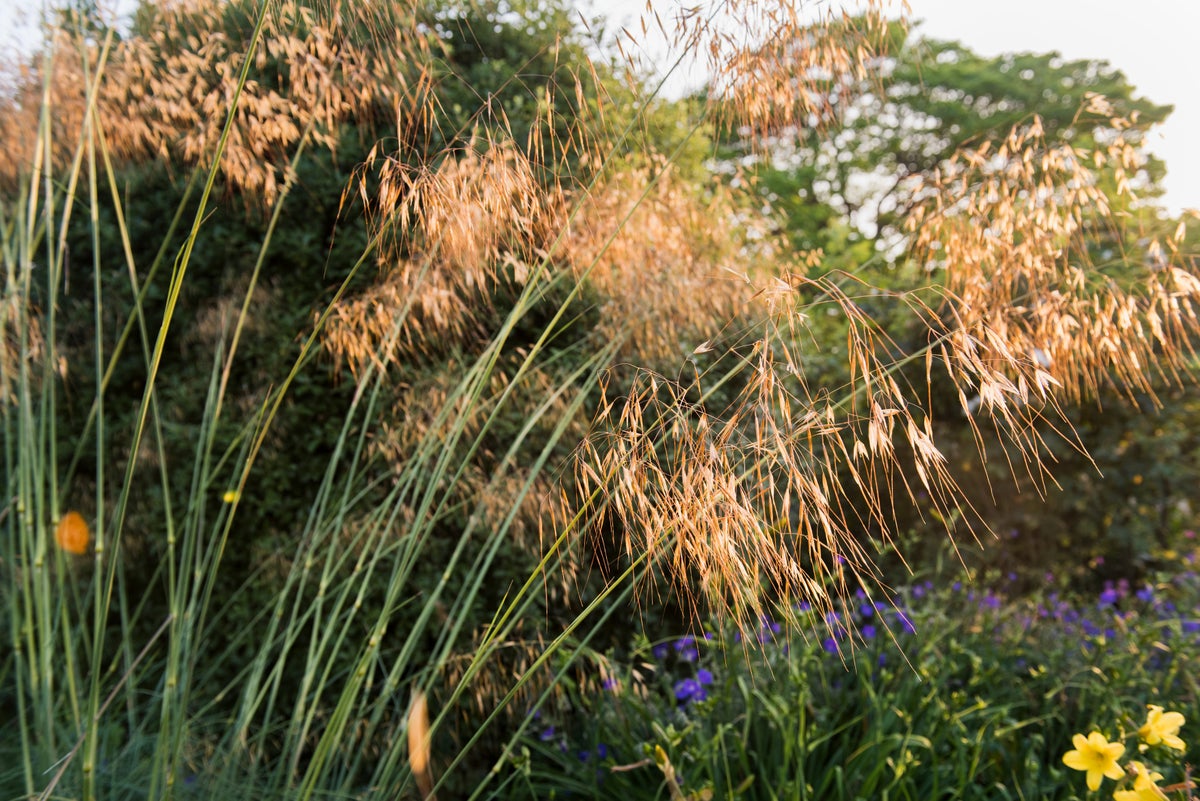
2 - Stipa gigantea is a large, robust evergreen grass with arching, linear green leaves. Large panicles of oat-like golden flowers appear in summer, forming seedheads that can remain attractive well into winter.
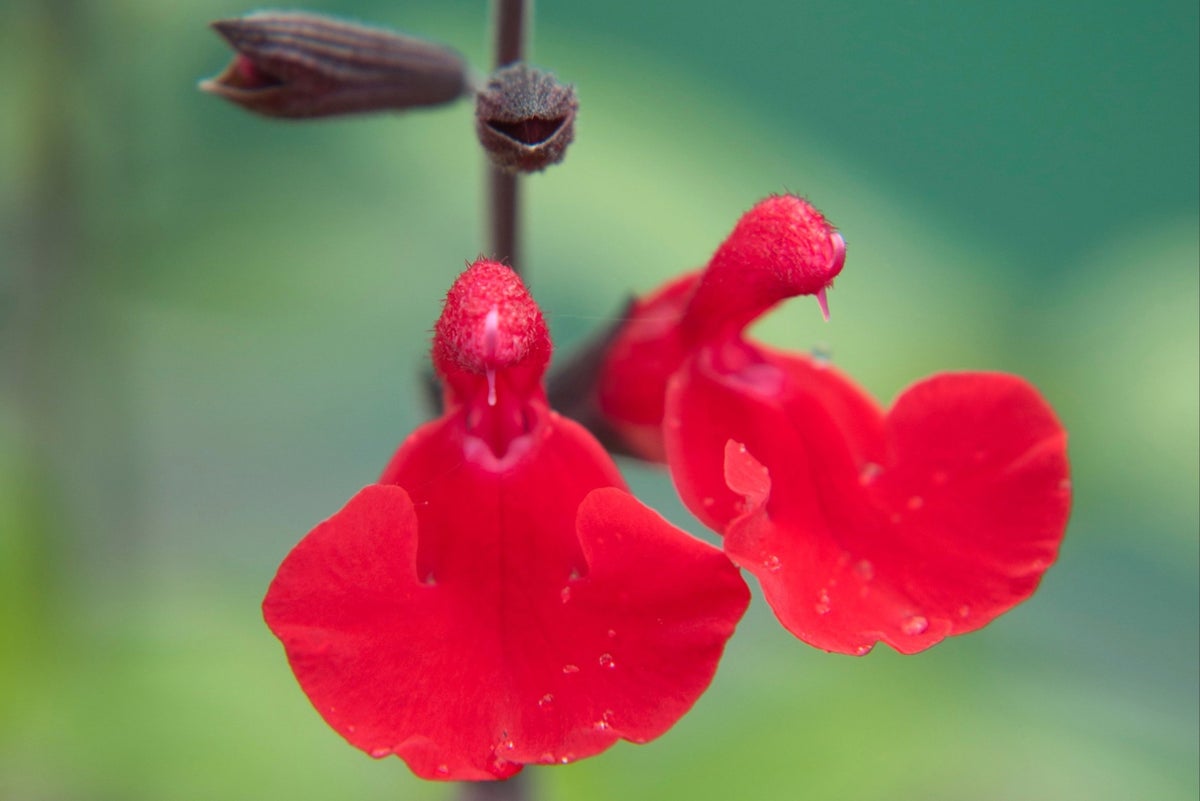
3 - Salvia 'Jezebel' is a bushy subshrub with aromatic small green leaves. Cherry-red flowers are borne over a long period from late spring to autumn.
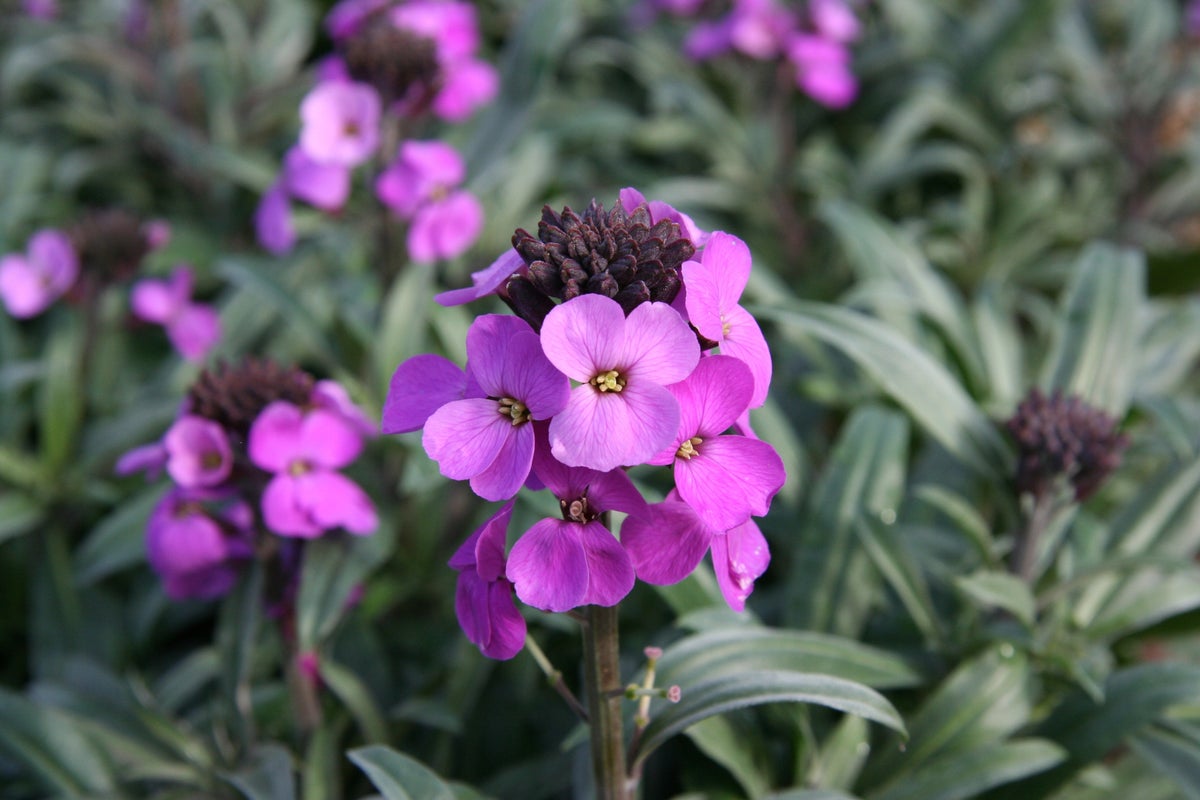
4 - Erysimum 'Bowles's Mauve' is a bushy, evergreen subshrub with narrow, dark grey-green leaves. Upright racemes of rich mauve flowers are produced from spring through to autumn.
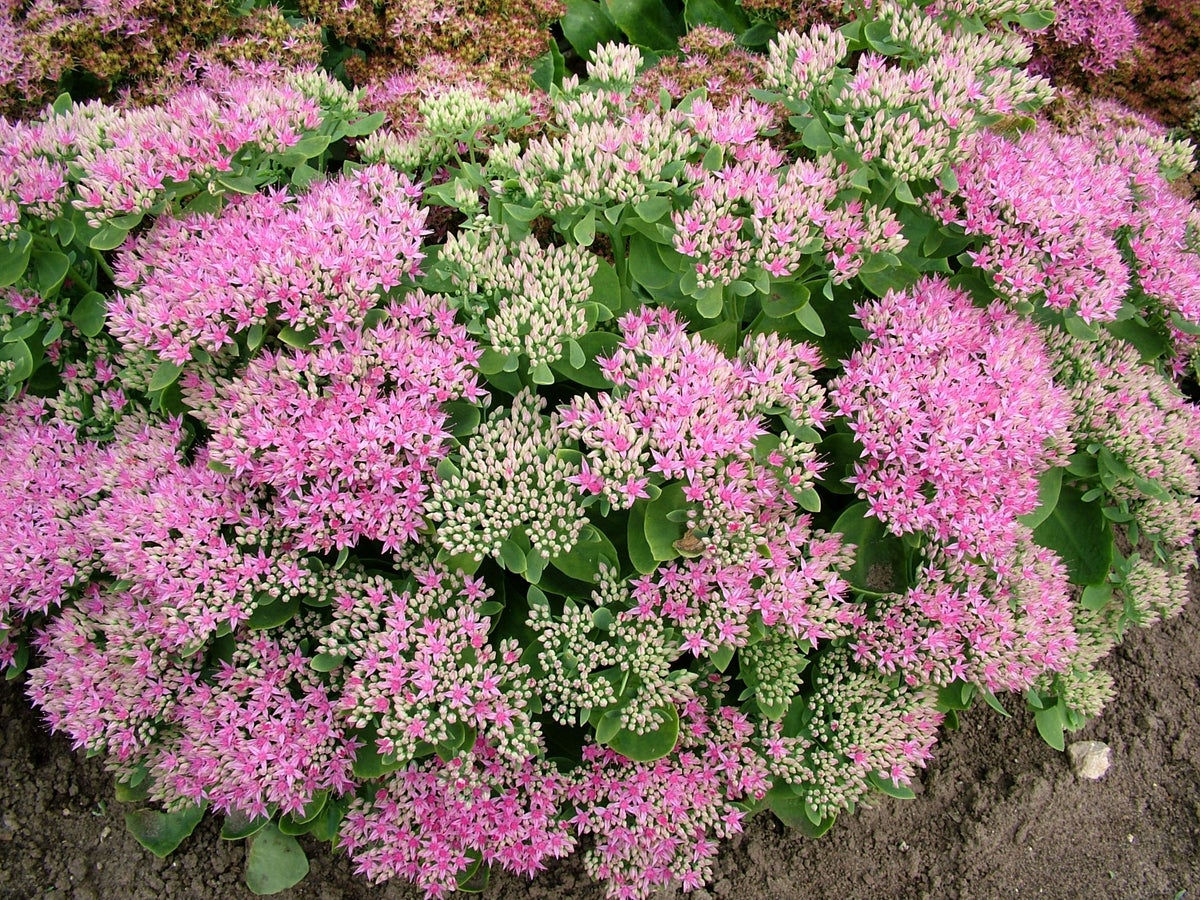
5 - Hylotelephium spectabile (Brilliant Group) 'Brilliant' is a clump-forming herbaceous with thick stems, grey-green leaves and bright pink flowers from late summer into autumn.
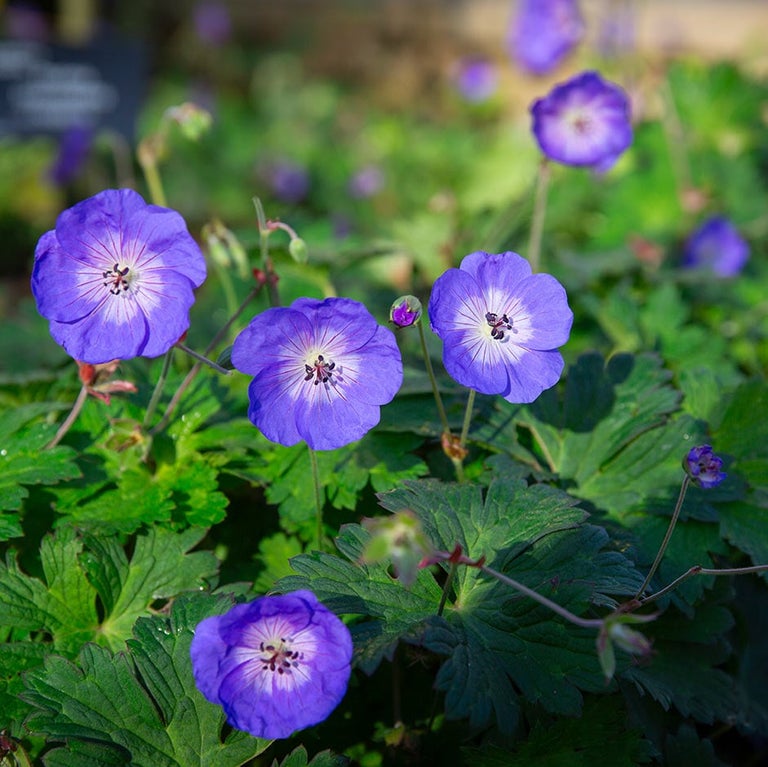
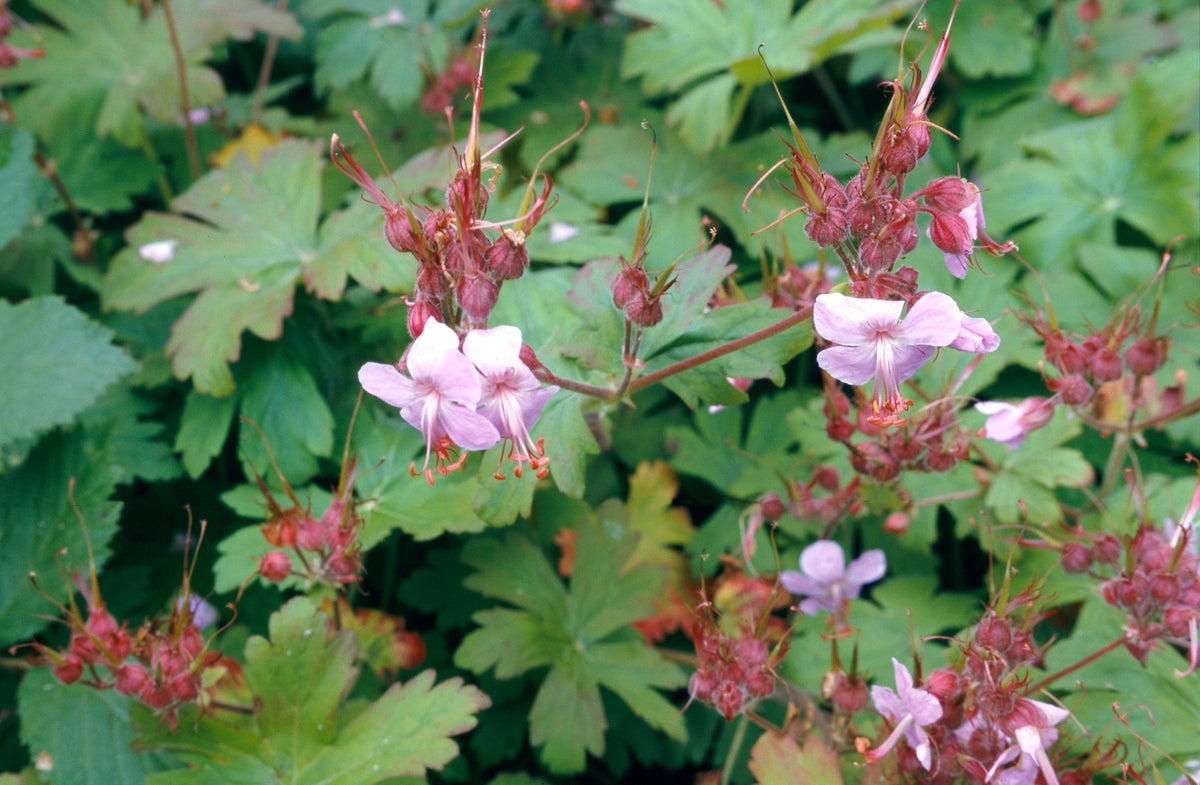
6 - Geranium macrorrhizum 'Ingwersen's Variety' is a rhizomatous perennial with deeply lobed, green, aromatic foliage, turning orange and red in autumn. Pale pink flowers with contrasting deep pink calyces are produced in summer.
7 - Thymus Coccineus Group is a low, creeping evergreen subshrub with very small, aromatic, dark green leaves. Small, dark pink flowers cover the foliage in summer.
Sandy, chalky and shallow soils are often free-draining and can create dry growing conditions.
By choosing plants which are well-suited to dry conditions, you can keep your border looking good and growing well. If planted in the right place, plants tend to be stronger and more naturally resistant to pests and diseases.
Once the plants are established, this will reduce the need for extra inputs that less well-adapted plants would need, such as excessive water and fertiliser.
Low availability of water in the soil can have a seriously detrimental effect on many plants, often leading to poor performance and possibly failure of plants establishing.
If your plants have adapted to naturally thrive in these conditions, they will grow much better. Drought-tolerant plants are often deep-rooted, have extensive root systems or show other adaptations to cope with dry conditions. They will need to be watered while they establish these roots, before they can cope with drought.
Using the ethos of ‘right plant, right place’ to create a sustainable planting combination is great for the environment. It helps avoid waste and the use of products and practices needed to try and help ailing plants, such as the application of fertiliser. It also creates robust, long-lived planting that benefits soil health and garden . For more information about sustainable gardening, please see the RHS Sustainability Strategy.