The Royal Florist’s guide to sustainable floristry
Shane Connolly MBE, Florist by Royal Appointment to King Charles III and Queen Camilla, reflects on his life in flowers and shares his top tips for creating sustainable floral arrangements
Environmental champion Shane Connolly never intended to be a florist. Originally from Belfast, he moved to London at the age of 23 to work as a Research Psychologist for the Ministry of Defence. But along the way, he found himself drawn to flowers, fascinated by the extraordinary ways in which they could be used decoratively. In 1989, he started Shane Connolly & Co, which set him on a path to becoming one of the UK’s most in-demand florists. Shane’s work and ethos began to be noticed by The Royal Family and he became a Florist by Royal Appointment.
A royal career
Shane Connolly holds a Royal Warrant of Appointment to King Charles III and Queen Camilla
Sustainability at the heart
Sustainability is at the heart of everything Shane does. In 2018, he and his wife founded Sustainable Church Flowers, a movement encouraging churches across England to reduce waste and avoid foam in floral arrangements. Today, they have ambassadors all over the country and the support of The Chapel Royal.
A sustainable tablescape by Shane Connolly
1. Avoid non-recyclable materials
“My ethos is that where something comes from and where it ends up are equally important. Because of that, I don’t just advise avoiding floral foam but also steering clear of single-use mechanic alternatives, which might be plant-based but require intense electricity, packaging and transport, and often end up in industrial
2. Use water as your base
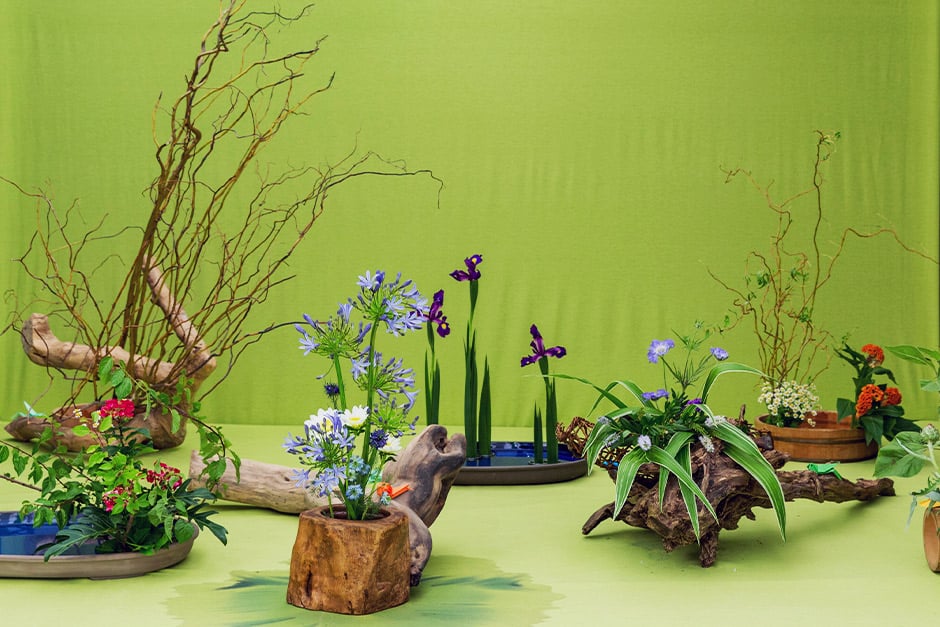
“As a consequence, I always think of water as the starting point of my arrangements. Using deep containers and twigs, you can create a ‘nest’ where flowers can be arranged. In this way, everything is held in place and the whole thing can then go in the
3. Let the seasons guide you
“My approach is always about using whatever is at its best in the garden. It’s never, ‘It has to be peonies!’ but rather, ‘What’s looking good?’ It’s like going to a really good farmers’ food market with your heart set on cauliflower but ignoring the beautiful broccoli in front of you. You can even make something work with just greenery.”
4. Choose plants grown nationally – ideally locally
“There’s something anti-natural about using flowers that have flown halfway across the world, as they often require chemicals to make them survive the journey. With my company, we work all around the country and abroad, but wherever we go – from Yorkshire to India – we source flowers from local growers. This is also very important from a social sustainability perspective, because when flowers are grown in developing countries for export to the West, this can create a significant water deficit that could otherwise be used to grow food for local communities. Many of these farms are also owned by foreign companies, which can lead to issues of exploitation.”
5. Make it personal
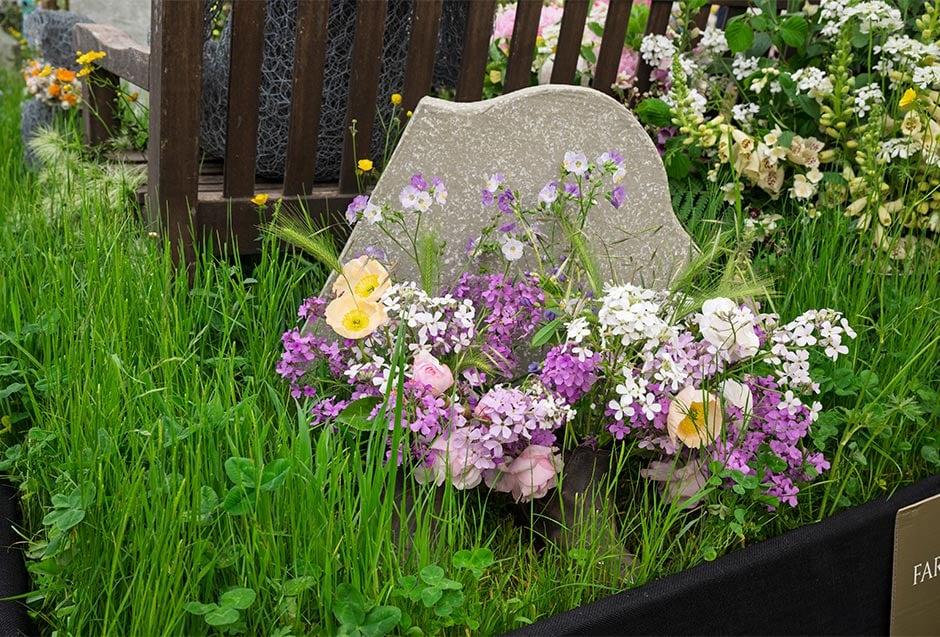
“Especially for occasions like funerals, I always ask the family questions about their loved one – whether they were colourful people or enjoyed gardening. I’m also very fond of the ancient language of flowers. For example, I would use rosemary in funerals as a symbol of remembrance or Convallaria majalis in weddings, as it symbolises the return of happiness.”Shane Connolly’s floral designs focus on seasonality and sustainability
Using plants with specific symbolism can add a touch of personality to any arrangement
A Royal Dinner in the Garden
A Royal Dinner in the Garden by Shane Connolly