Why ‘mullet gardening’ is the trend you need to try
Business at the front, (wildlife) party at the back: is this a gardening style that’ll stick around for longer than the hairstyle?

Beneath the viral ‘grandma garden’ aesthetic lies a deeper, urgent movement. Today’s younger generation isn’t just looking backwards – they’re rethinking what a garden should be
Every generation inherits a garden and every generation leaves one behind. Sometimes intentionally‚ but more often without ever realising it.
What we inherit is rarely the garden itself, but fragments of it: sweet peas drifting through an open window‚ sticky fingers after picking raspberries straight from the ‚ or the low hum of bees in lavender on a warm July afternoon. Long after the borders have changed and the sheds have disappeared, those memories remain reminding us that what we’re longing for isn’t simply the gardens themselves‚ but what they represented: places where wildlife thrived, neighbours swapped over the fence, fruit was picked straight from the plant and the changing seasons were measured by what was flowering, buzzing or ready to harvest.

Perhaps we’re not nostalgic for old gardens at all. Perhaps we’re nostalgic for gardens that felt truly alive.
Across Instagram and TikTok, ‘grandma gardens’ have become a defining aesthetic, with creators celebrating cottage-style planting, homegrown flowers and wildlife-friendly spaces that feel as personal as they do beautiful. Scroll through your feed and you’ll find winding paths edged with foxgloves, weathered benches beneath climbing roses, jam jars filled with sweet peas and baskets of freshly picked vegetables. The gardens attracting the most attention aren’t the most immaculate, but those that feel lived in are often accompanied by stories of grandparents, childhood homes and plants passed down through generations.
It’s easy to dismiss the trend as simple nostalgia. In reality, it reflects something much bigger.

Every generation gardens according to the world around it. The formal gardens of the twentieth century reflected order and control. Minimalist outdoor rooms mirrored contemporary architecture. Today’s nostalgia gardens tell a different story.
As more of life becomes digital and natural habitats continue to decline‚ younger generations are increasingly seeking green spaces that feel alive rather than ornamental. Gardens have become sanctuaries‚ offering something slower‚ seasonal and tangible.
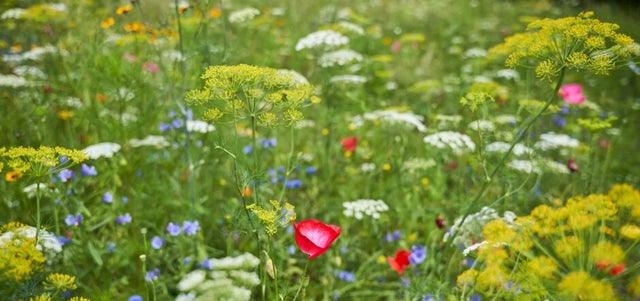
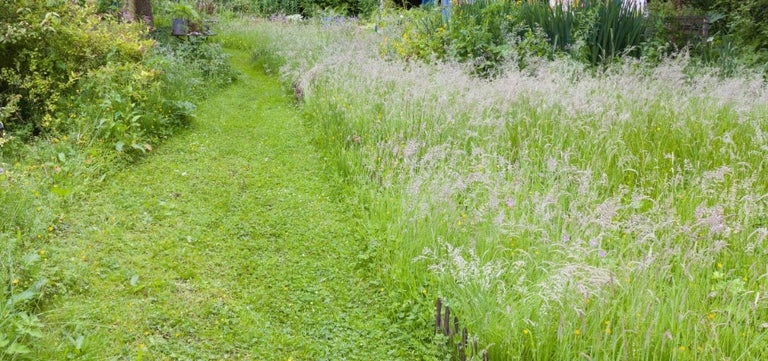
For years, many gardens were designed as outdoor rooms, with neat patios, clipped lawns and low-maintenance planting . Nostalgia gardening pushes in the opposite direction‚ celebrating self-seeding flowers, overflowing vegetable beds and borders buzzing with pollinators, where success is measured not by perfection but by how much life a space can support. A garden alive with bees, birds and changing seasons has become the new ideal.

The irony is that many of the plants leading this revival never disappeared. Lupins, runner beans, foxgloves and roses have flourished in gardens for generations; what has changed is the way we value them.
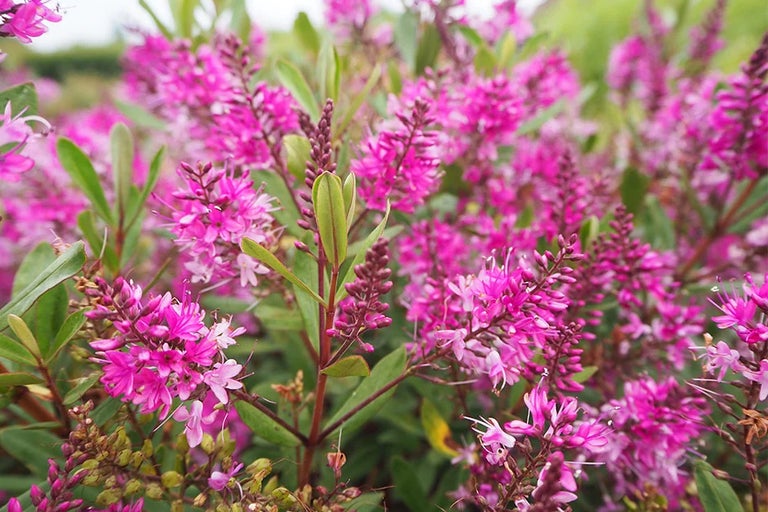
Many nostalgic garden favourites are also among the most valuable plants for wildlife. Foxgloves provide for long-tongued bumblebees, hollyhocks attract pollinating insects throughout summer, while flowering herbs such as chives and oregano feed bees before flavouring summer meals. It’s this combination of beauty‚ productivity and wildlife value that makes these familiar plants feel so relevant today.
As someone in my early twenties‚ I’ve grown up alongside conversations about climate change and perhaps that’s why gardens have become places of agency. Planting for pollinators ‚ leaving habitats undisturbed and choosing or wildlife-friendly plants might seem like small acts‚ but they feel like tangible ways of caring for the world around us.

In that sense‚ nostalgia gardening looks backwards only to move forwards. The wildlife-rich gardens remembered from childhood often weren’t designed with in mind‚ but they happened to provide it.
We often think we’re nostalgic for the plants themselves. More often‚ we’re remembering the life they supported.
Foxgloves alive with bumblebees‚ apple trees humming with pollinators before becoming climbing frames and fruit bowls by autumn and hollyhocks sheltering insects while blackbirds searched beneath them for food. Those gardens were ecosystems as much as collections of plants, where tangled hedges, flowering borders and fruit trees created space for both people and wildlife. That richness doesn’t just support wildlife; it changes the way we experience our gardens too.

Gardening has become one of the defining hobbies of younger generations, not because it offers an escape from modern life, but because it answers some of its biggest challenges. Once dismissed as a pastime for retirement, it has found a new audience among people looking for a slower, more grounded way of living.
Saving seeds, swapping cuttings , growing vegetables and sharing harvests with neighbours once felt ordinary. Today those rituals feel quietly radical, offering community and a slower rhythm of life.
Gardening is one of the few hobbies where living things are passed between generations. A rose propagated from a grandparent’s garden can still flower decades later. Seeds saved one summer become next year’s harvest, while favourite varieties, recipes and growing tips are shared as readily as family stories. In many ways, nostalgia gardening isn’t about recreating the past; it’s about carrying living pieces of it into the future.

Ask someone to describe a garden they loved and they rarely begin with its layout. Instead‚ they remember how it felt‚ recalling a rich tangle of scent, taste and wildlife rather than neat borders or carefully planned planting schemes.
It’s the visual texture of nasturtiums scrambling up hazel canes, honeysuckle drifting through an open bedroom window and lavender heavy with the hum of bees. It’s the scent of roses released by a sudden summer rain, the sweetness of strawberries warmed by the afternoon sun, muddy carrots pulled straight from the earth and crisp apples eaten before they ever reach the fruit bowl.

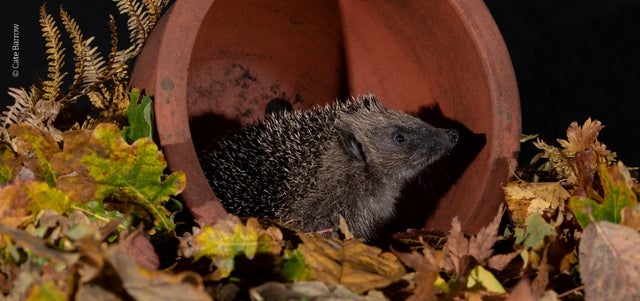
Beneath it all, it’s the quiet reassurance of an ecosystem at work. It’s butterflies settling on buddleja, blackbirds singing at dusk and a hedgehog disappearing beneath a log pile while you wait for the very first, vital bumblebee of spring.
These memories are never static or separate. The plants become completely inseparable from the people who tended them and the creatures they sustained. Long after the flowers have faded, what remains is the enduring feeling that a garden was truly, vibrantly alive.
Reclaiming this connection doesn’t require a sweeping country estate or an old cottage. It begins within the boundaries of whatever space we have – a balcony, courtyard or single window box. Every pocket of green is a chance to push back against concrete burnout.
Choose a flower whose scent untethers a childhood memory‚ grow strawberries to pick on warm August afternoons‚ leave faded seedheads as a winter lifeline for finches or plant lavender to provide nectar for local bees. Share a cutting over the garden fence‚ sow sunflowers with a child and create the kind of garden someone else might remember one day. Looking back, I realise my parents were creating those memories without intending to. The evenings spent watering my mum’s allotment, reluctantly picking rhubarb that was always much sourer than I expected and standing beside sunflowers that towered above me all felt completely ordinary. Looking back now, I realise those were the moments that shaped my relationship with gardens.

The gardens that shaped me were rarely perfect. They were shared spaces where people, plants and wildlife lived alongside one another in beautiful, chaotic harmony. I hope that today’s children will remember the scent of a rose they helped deadhead, the excitement of pulling their first carrot from the soil or the quiet thrill of spotting a hedgehog beneath a log pile‚ just as I remember towering sunflowers and evenings spent watering my mum’s allotment. For me‚ nostalgia gardening isn’t simply about recreating the gardens we inherited. It’s about creating gardens worth remembering.