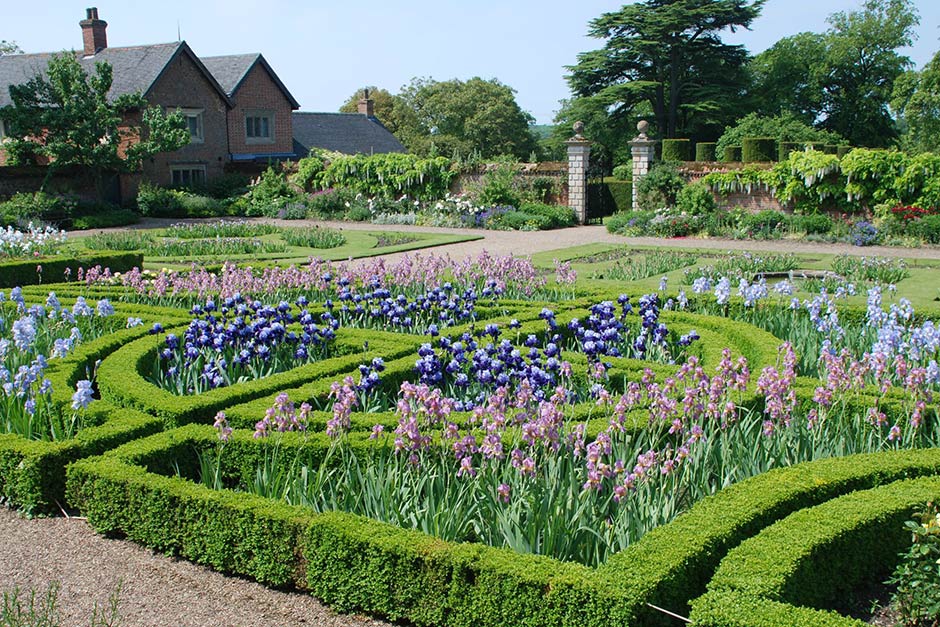
Cedric Morris: artist, educator and iris breeder
Known equally for his art and his iris breeding, the legacy of Cedric Morris is ensured through the restoration of his home and garden at Benton End. See some of his best irises and learn how they were rediscovered after being lost
Art and gardening have often been united in people and places. From Claude Monet, whose garden at Giverny inspired some of his most famous artwork, through Frida Kahlo who relied heavily on her Mexican garden, Casa Azul, for her botanical imagery, to Derek Jarman’s extraordinary seaside garden in Dungeness, artists have long mirrored their artistic processes within their gardening, and vice-versa. Among the most talented and passionate of artist-gardeners was Cedric Morris, who, both in the garden and the art studio, found a muse in irises. I came to realise it was probably the finest collection of such plants in the country... I felt like a child in a sweetshop... Ecstatic, I knew I must grow such plants in my own garden.
Morris’s work in developing new irises can be traced to 1935 following a visit to his friend, Angus Wilson, who had been breeding irises at Titcombe Manor, Somerset. With a keen eye for detail and colour, Morris immediately saw the possibilities in the rich colour palette of these plants.
During the Second World War, Wilson was forced to plough all seven acres of his irises to instead grow vegetables for the war effort. He wrote, good-naturedly, in the 1947 Iris Society Bulletin, “…it was probably a godsend, now Cedric Morris a brilliant breeder, took up the reins and after a year or two produced flowers far lovelier than mine”.
From the late 1930s Morris and his partner, Arthur Lett Haines, lived at Benton End, a Tudor house near Suffolk – one of the driest areas of Britain, making gardening a difficult and more intentional process. Here, they ran an art school until Haines passed away in 1978, and it was here that Morris made his renowned garden.
After a period of recent restoration, overseen by Sarah Price and Head Gardener James Horner, Benton End is now open to the public.
Morris’s irises and Benton End were credited by various well-known gardeners, as being profoundly influential. Beth Chatto named Morris as one of the two people who had influenced her the most (the other was her husband), and said Benton End gave her insight into what a garden could be.
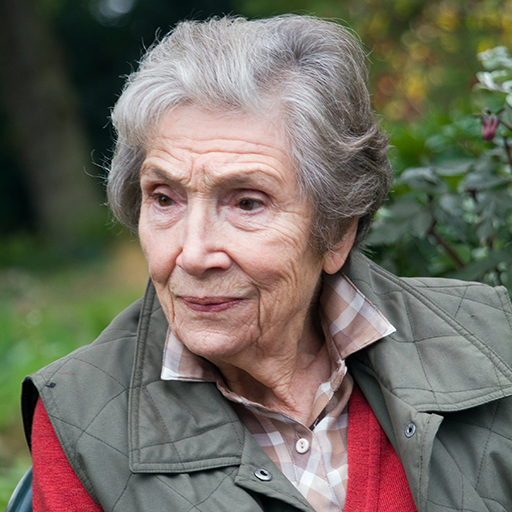
Following his death in the early 1980s, many of Morris’s irises were lost and their beauty was almost forgotten. That was until, Sarah Cook, a former head gardener at Sissinghurst Castle, who remembered Benton End from visits there as a child, set herself the task of searching for Morris’s lost irises. She has to date, rediscovered 28 of them, researching them thoroughly and displaying them at RHS Cheslea Flower Show in 2015, with a painted backdrop of Benton End and its irises.
Sarah’s search has lasted well over a decade, starting by contacting regular Benton End visitors who may have been given irises by Cedric himself, and later hunting through botanic gardens in Europe, including the University of Basel Botanic Garden, where she found seven of the missing irises.
The exhibit of Benton irises at RHS Chelsea 2015 was awarded a Gold medal
As a meticulous breeder, Morris knew what he was looking for in an iris.