Dr Elizabeth-Jane Burnett‚ the new school nature writer
Elizabeth-Jane is an award-winning writer who is inspired by different aspects of the natural world. She grew up in the Devon countryside and its landscape features in her work, which seeks to take nature writing in a radical new direction, blurring boundaries between art and science
How would you describe your writing?
Much of my writing has an environmental focus, but each project is different. I write in multiple genres – poetry, non-fiction, fiction and forms of all those genres. It is often at those intersection points that the interesting stuff happens.

Dr Elizabeth-Jane Burnett
Does your mixing of genres also influence your perspective?
I read widely, across science and history as much as poetry and fiction. The area where science and art meet is interesting, but the binary thinking that often separates these disciplines can be unhelpful. If we unpick that and take away the assumptions of value that go with it, we develop a richer way of thinking.
You devoted your book Twelve Words for Moss to one often overlooked plant group. Why?
I have always loved mosses. They’re beautiful – both aesthetically and in their way of living, which is so resilient and generative, yet so small. They go dormant if there isn’t enough water to sustain them and reignite when conditions improve. That is a really inspiring trait. In the period of grief when my father died, with my head bowed, I was looking down a lot and noticing mosses everywhere. Those tiny beacons of light gave me a sense of uplift, and I wanted the reader to feel an equally vivid connection with the subject. In place of the pictures you might find illustrating a standard guidebook, I scattered verse through the prose to create a poet’s field guide to this amazing plant group.

Hair cap moss


And how does the landscape of Devon influence your work?
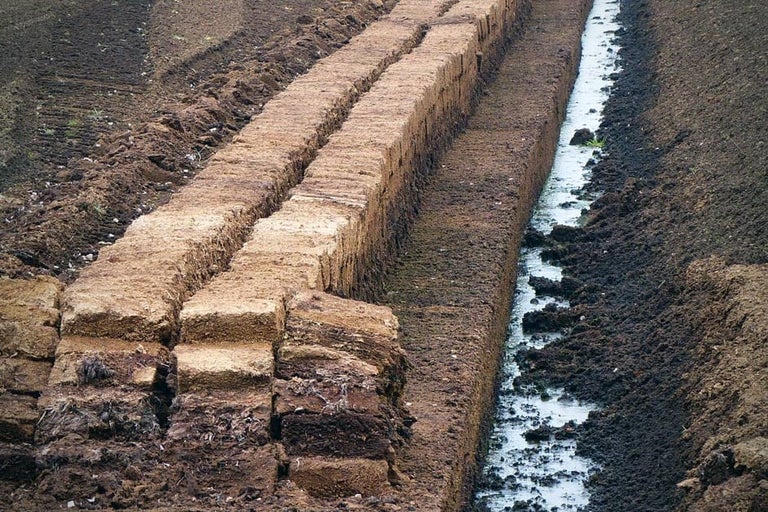
While my books are really local, there is also a global dimension – ideas about soil health, decline, water pollution and the degradation of peatlands. These are big global issues, but I approach them through specific environments that I know and that are close to me, so there is a personal connection as well.

Has your mixed English-Kenyan heritage influenced your perspective?
I feel strongly rooted to the English countryside, yet am aware that through my appearance I may be perceived as foreign, or not belonging to that countryside – there is a disconnect. Perhaps it gives me an increased sense of empathy, because I’m intimately aware that appearance doesn’t tell the whole story.
What do you hope readers will take away from your work?
To an extent, each reader’s response is their own but I hope my writing helps them feel more strongly related to the world around them. My writing is an invitation to think differently, to reframe ideas about what makes us human, or non-human, and the ways we engage with the world.