Cater for caterpillars with drought-resistant verbascum
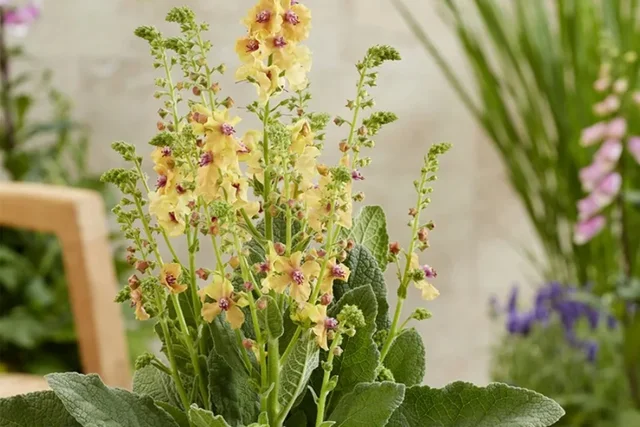
As gardens burst into lush growth in May, it’s our cue to think beyond . Adult butterflies and moths – crucial pollinators by day and night – need flowers, but their young need specific leaves to grow and develop into adults. Verbascums are a wildlife two-for-one: their striking spires of blooms provide for adult pollinators, while of large, lush leaves cater for caterpillars.
Architectural, easy to grow and drought-resistant, verbascums (mulleins) are the RHS Wildlife Wonder May Plant of the Month, meaning our wildlife experts have highlighted it as a top plant we can all grow to support as part of our Bringing Nature Home campaign. Here’s how, where and why to add mulleins to your outdoor space.
What makes verbascums great for wildlife?

To support butterflies and moths and help reverse their declines in the UK, we have to help them complete their life cycle. Caterpillars can be fussy eaters, so without the right food plants, adults won’t lay eggs – and without caterpillars, there won’t be a next generation. So a few nibbles is a sign that your garden is working. In turn, these species support birds and the rest of the garden food web.
All Verbascum species and cultivars are RHS Plants for Pollinators, with the long-lasting, pollen-rich flower spikes drawing in bumblebees, honeybees, hoverflies and butterflies. Beyond , 30 insects are known to feed on verbascums.

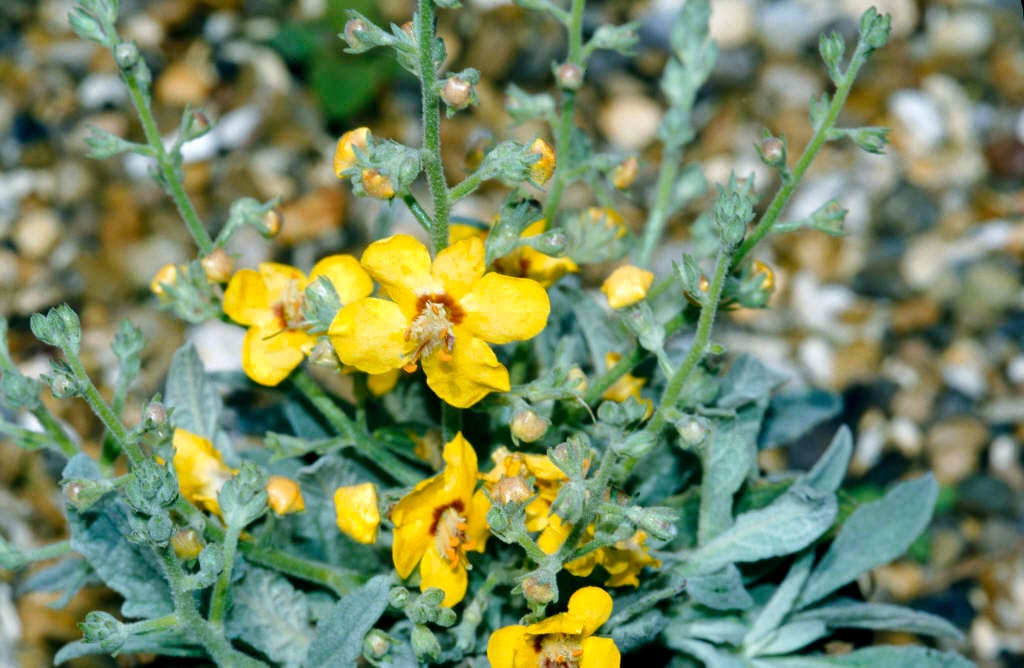
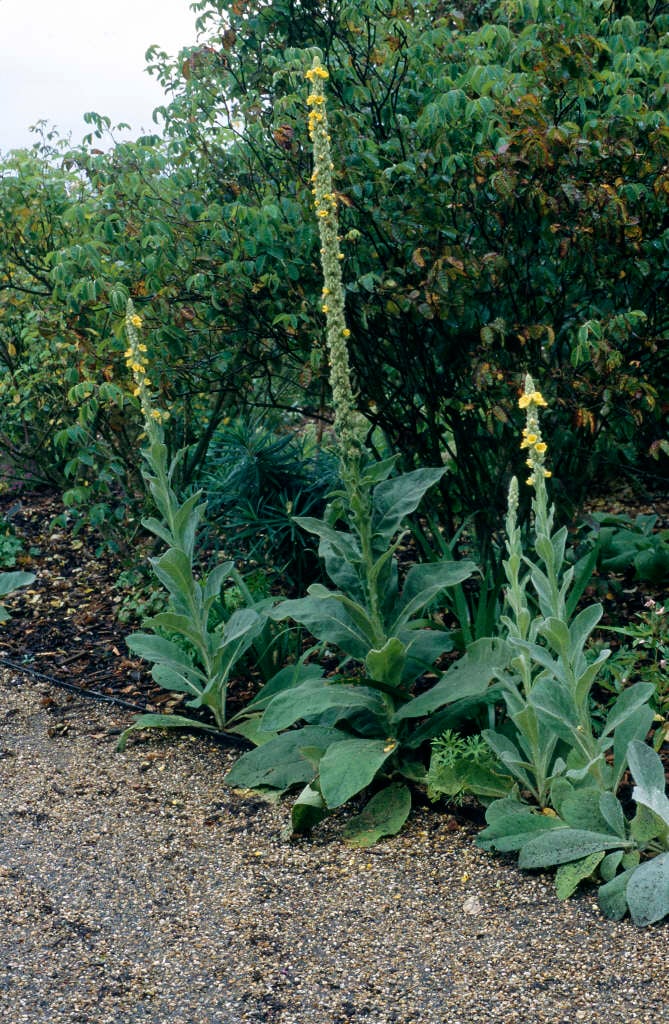
There are five British species of Verbascum, all with tall spires of yellow flowers. One of these, Verbascum thapsus or great mullein, is one of the best for wildlife. Making a statement at up to 2.5m tall, the spectacular flower spike is packed with little yellow blooms through summer – a magnet for bumblebees and honeybees.
With a bit of luck, down at ground level, you’ll spot the striking mullein moth caterpillar feeding on the luxurious rosette of felted leaves, which are covered in white hairs to give a greyish appearance. Wool carder bees also collect these hairs to line their nests. The caterpillars take what they need to transform into mullein moths, which are active pollinators in April and May, but don’t kill the plant.

While the bold marking of mullein moth caterpillars – and their tendency to feed during both day and night – suggests they are sending signals to predators to say they are not good to eat, the adult mullein moth is camouflaged to mimic a plant stem, suggesting it’s the adult that is a desirable target for birds as well as bats. And there’ll be no adults without caterpillars!
Did you know?
Every blue tit chick needs to eat a hundred caterpillars every day for three weeks in order to survive and fledge the nest. With a typical nest containing around 10 chicks, that’s around a thousand caterpillars per nest per day!
As insect numbers decline, this is becoming a more and more difficult task for blue tit parents, meaning it’s crucial to grow plants that support caterpillars and avoid using any pesticides in your outdoor space.
Leave the architectural seedheads standing over winter, and they’ll provide high-rise accommodation for ladybirds and other invertebrates, as well as tens of thousands of tiny seeds to nourish birds through the coldest months.
Where and how to grow verbascums
Verbascums are usually biennials or short‑lived perennials: a rosette of leaves first, which sprouts a tall, candle-like flower spike in the second year.
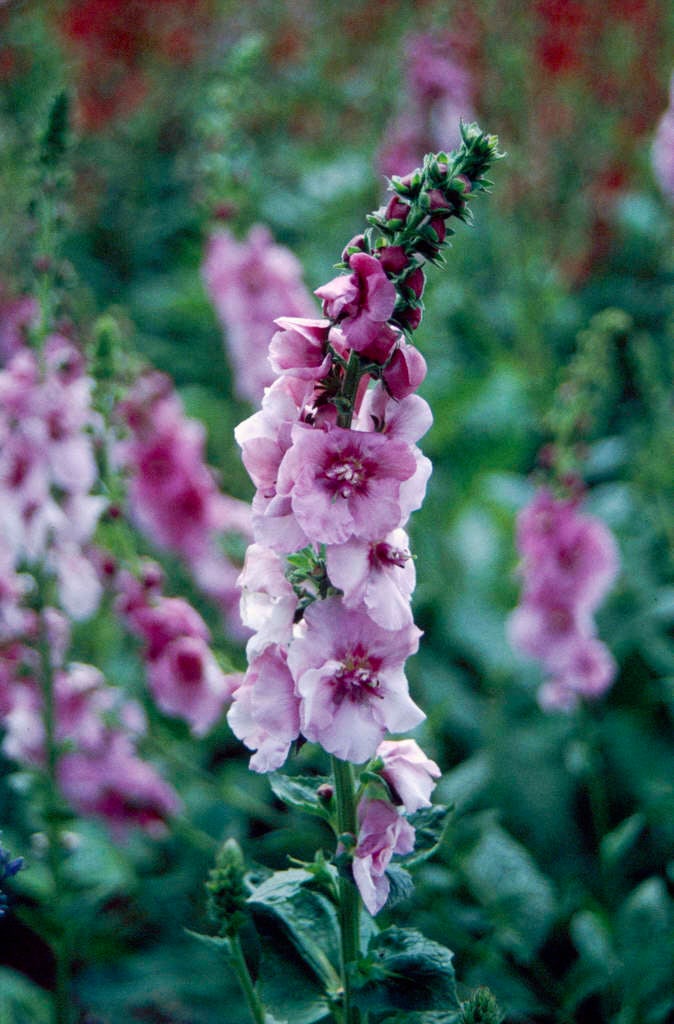
Beyond the five UK native species of mullein, there are a number more species from further afield, and garden cultivars in a myriad of pastel shades – many bred from Verbascum phoeniceum and V. chaixii. Easy to grow from seed and thriving in a sunny, well-drained spot, these drought-resistant biennials are perfect for sandy, stony or nutrient-poor soils. In fact, they can get quite floppy in rich soil.
Sow mullein seeds direct, or into peat-free or a nursery bed to plant out later. Water in after planting to help them establish, then let the roots explore on their own to find water. Being happier in leaner soils, the plants won’t need any feeding.

Verbascum olympicum growing with Verbena bonariensis in the Dry Garden at RHS Hyde Hall
Other top wildlife plants for May
Our May Willdife Wonder plants are all about supporting moths. Alongside Verbascum, see how many of the supporting cast you can also sneak into your garden:
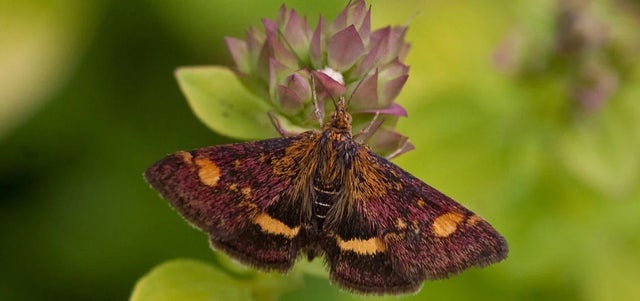
- Fuchsia – a common host plant for magnificent elephant hawk‑moth caterpillars, which can grow up to 8.5cm long – finger-sized!
- Lady’s smock or cuckooflower (Cardamine pratensis) – this supports caterpillars of the orange‑tip butterfly. These can be hard to spot, as they’re camouflaged to look like the seedpods of their host plant.
- Nasturtium – caterpillars of large and small white butterflies feed on the leaves, which makes them useful as a “decoy” to draw them away from any brassicas in your veggie patch.
- Heather – these help keep food available across the season as part of a wider wildlife planting mix.
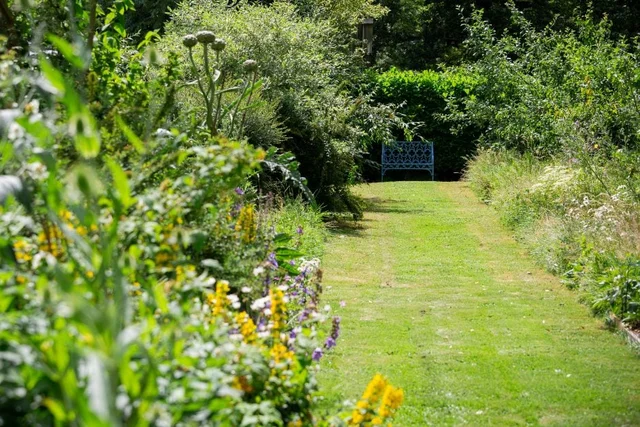
This May, take a closer look at Verbascum and see if you can spot mullein moth mullein caterpillars. A little leaf‑nibbling this month shows your outdoor space is making a difference – not just to moths, but to bats and birds too.

1
of
2

About the author – Olivia Drake
With a background in biology, Olivia is passionate about biodiversity, sustainable horticulture and the role gardening can play in conservation. She is trained as a botanical horticulturist and previously worked in public gardens around the UK and abroad.