Everything you need to know about primroses
Find out why primroses are wonderful for wildlife, what’s so intriguing about their biology, and how to grow this early spring favourite
There can’t be many more iconic heralds of spring than the delicate, buttery flowers of the humble primrose. Their sunny faces open and upwards-gazing, they’re filled with hope, in turn filling us with the welcome promise that longer, warmer days lie just around the corner.
Providing an early spring wildlife boost with -rich flowers, primroses are the RHS Wildlife Wonder March Plant of the Month, meaning our wildlife experts have highlighted it as a top plant we can all grow to support as part of our Bringing Nature Home campaign.
Plant breeding has produced Primula hybrids and cultivars in a wide range of bright colours – many flowering through winter – but to my mind, you can’t beat the simple, joyful elegance of the UK primrose, Primula vulgaris. Holding an RHS Award of Garden Merit, it’s a stalwart for the garden and wildlife alike.
Did you know?
The primrose is the county flower of Devon, having been voted as the flower that reflects the county more than any other. A nod to its early blooming, the name ‘primrose’ comes from the Medieval Latin prima rosa – ‘first rose’.
What makes primroses great for wildlife?
Primroses are among the first flowers to open in spring, even starting as early as December or January in some areas in a mild winter. Reaching their flowering peak in March and April, they turn shady corners into early nectar stations when few other plants are in bloom, helping bee‑flies and overwintered butterflies get going – as well as lifting our own mood through dull, damp days.
What is a bee-fly?
Bee‑flies are furry pollinators that hover above flowers to feed on nectar, using a long, straight proboscis (tubular mouthpart) to reach into long‑tubed blooms like primroses. They look like tiny, fluffy bees, but are actually flies and don’t sting.
Your best chance of spotting them is on warm, sunny March days, or sometimes late February in mild spells, in open, sunny areas, hedgerow bases and path edges.
As well as bee-flies, primroses attract common carder bumblebee queens and hairy-footed flower bees. The hardworking is also the larval food plant of the Duke of Burgundy butterfly, while the seeds are consumed and moved by ants and small mammals, spreading primroses through woodland edges and hedgerows.

Bee-flies have a furry body, a single set of wings, long, slender legs and a long, rigid proboscis

Where and how to grow primroses
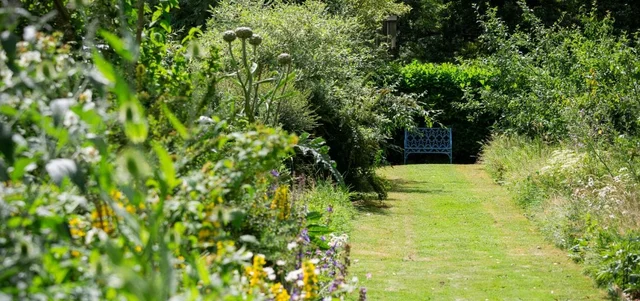
This easy, reliable little is ideal for naturalising in grass, underplanting shrubs, brightening up woodland-style areas or the front of a border, or planting in rockeries and shady containers.
In the wild, you’ll find primroses in woodland edges – they’re often an indicator of ancient woodland – and shady banks. Think about mirroring this habitat, such as a spot in dappled light enriched with leaf mould, and your primroses will thrive.

Primrose container planting combination for part shade: Primula vulgaris, Polypodium fern, variegated ivy and climbing rose ‘Wollerton Old Hall’
Primroses are easy to grow from seed, sown on the surface of peat-free in summer or autumn. If you already have a primrose colony, you can spread them around by lifting some clumps to reduce crowding and moving them to start a new group elsewhere. Water them in initially, then leave the roots to explore on their own.
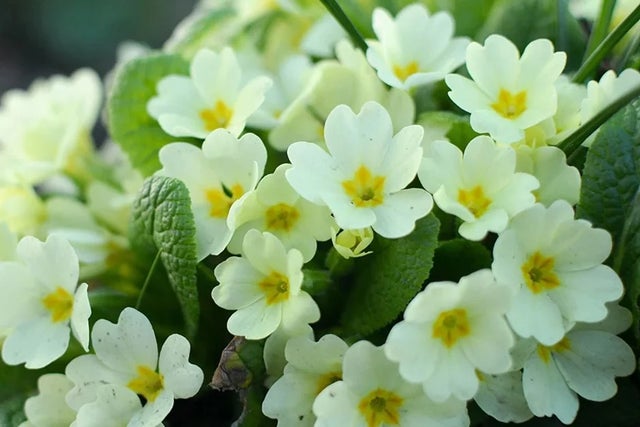

In damp areas, primroses will even colonise cracks in walls
His and hers primroses: pin and thrum
When I was little, I remember spring walks in the woods with my grandad – a naturalist and botanist – turning into a game of ‘spot the pin, spot the thrum’. It turns out having two distinct types of flower is quite an unusual quirk of primroses.
Like most flowering plants, primroses have both male and female parts within the same flower. The male parts are the stamens, which are bundles of pollen held aloft on tall filaments. The female part is the stigma, a protruding sticky platform that receives the pollen.
What’s unusual about primroses is that they have two different ‘designs’ of flower. Each plant will have either one type or the other, not both.
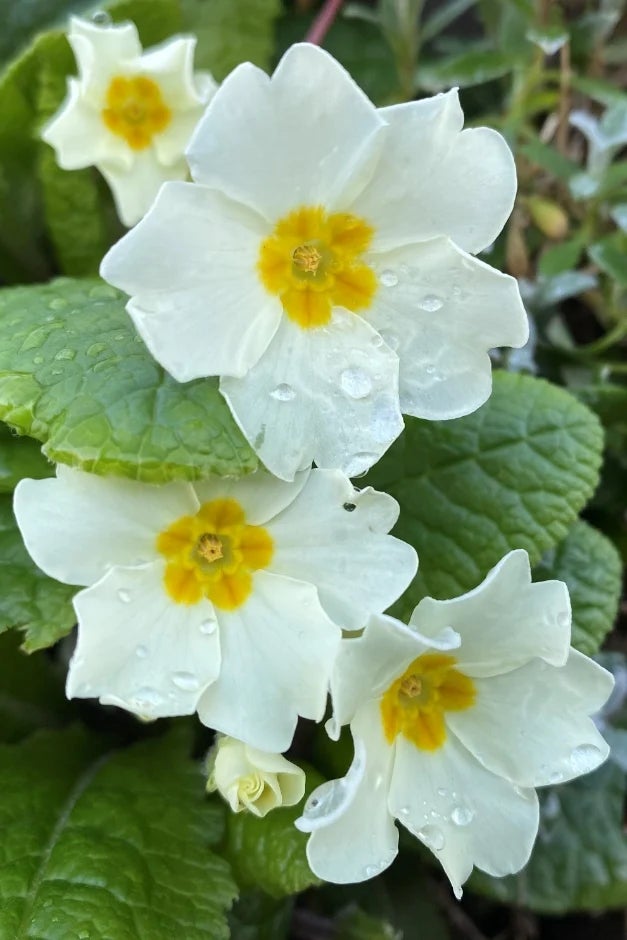
In one type, the male stamens are prominent, proudly presenting pollen at the centre of the flower, while the female stigma is hardly visible. These are called thrum-eyed flowers. In others – pin-eyed flowers – the pinhead-like stigma is the obvious feature, while the stamens are tucked away down the throat of the flower.
A pin flower can’t pollinate another pin, and a thrum flower can’t pollinate a thrum. This prevents a primrose plant from self-pollinating. Encouraging outbreeding in this way improves diversity, adaptability and resilience in the primrose population.
So next time you pass a bank of primroses, take a close look and see if you can spot the two different types of flower.
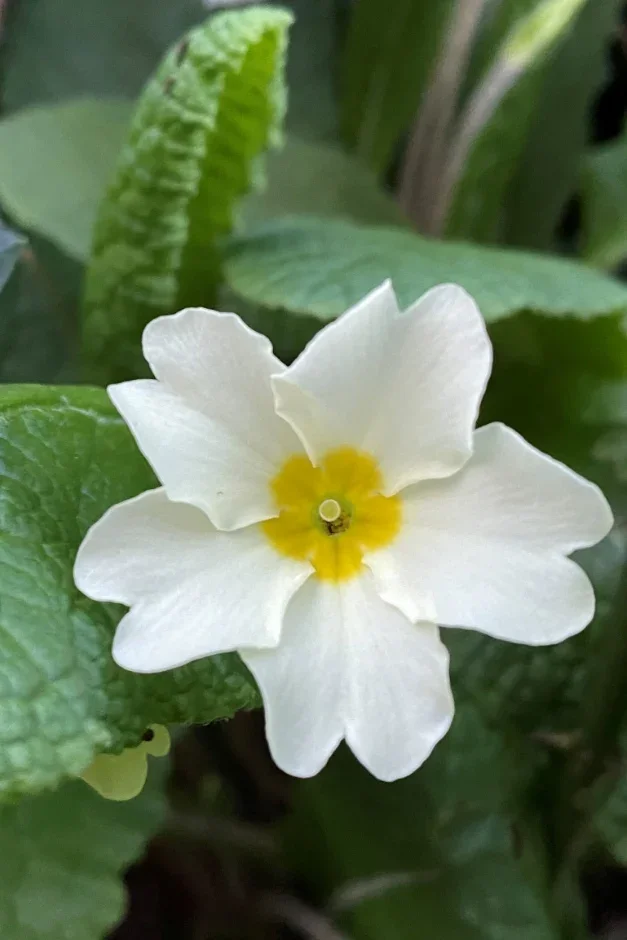
Rhubarb & custard: why are some wild primroses pink?

Faced with a bank of primroses, even far from any gardens, you’ll often notice a pink interloper. You might assume that these are a ‘garden escape’ or the result of a colourful garden crossing with a wild primrose.
While this does happen, don’t be too quick to jump to outrage at the interlopers. Pink primroses do naturally occur in the wild – a natural variant caused by a mutation.
This commonly leads to mixtures of creamy yellow and murky pink shades, a phenomenon my grandad referred to as ‘rhubarb and custard’ – though I’ve yet to get this coined as the official botanical term.

Other top wildlife plants for March
Hopefully, I’ve convinced you by now to get outside and plant some native primroses. But why not see how many of our March Wildlife Wonders supporting cast you can also sneak into your garden:
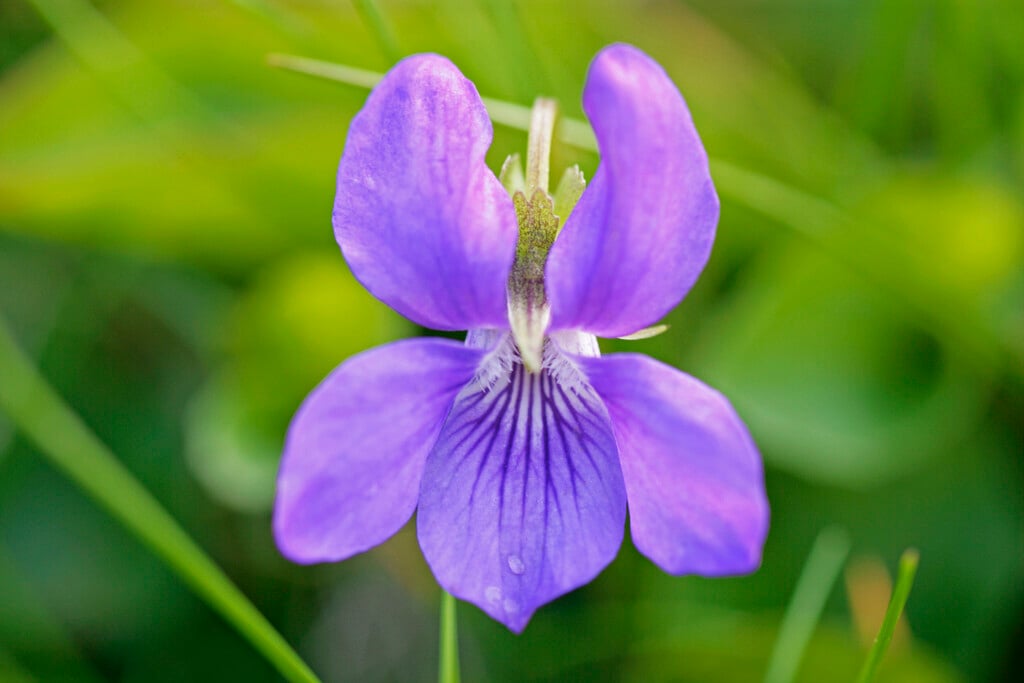
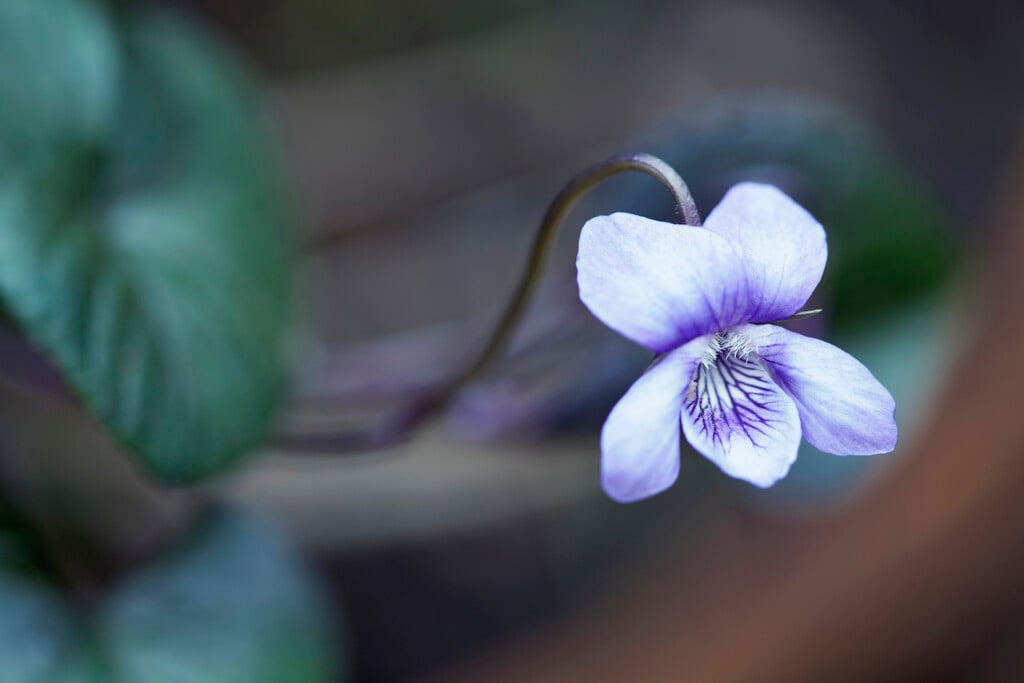
- Violets (Viola) – these delicate blooms open very early, feeding spring‑active solitary bees and hoverflies, which are drawn to the rich purple or blue petals. The leaves are a vital food source for the caterpillars of several fritillary butterflies. Sweet violets are especially fragrant.
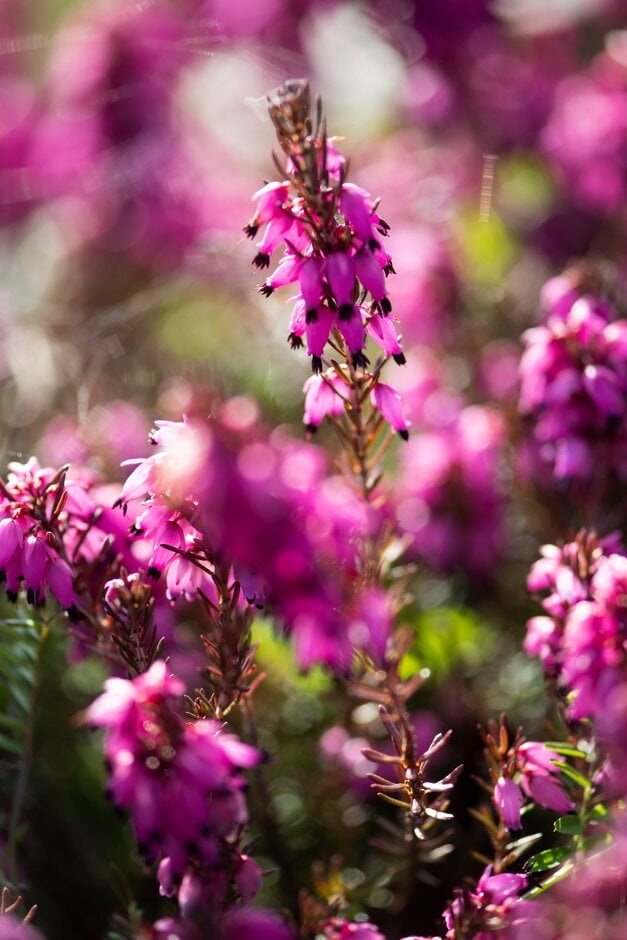
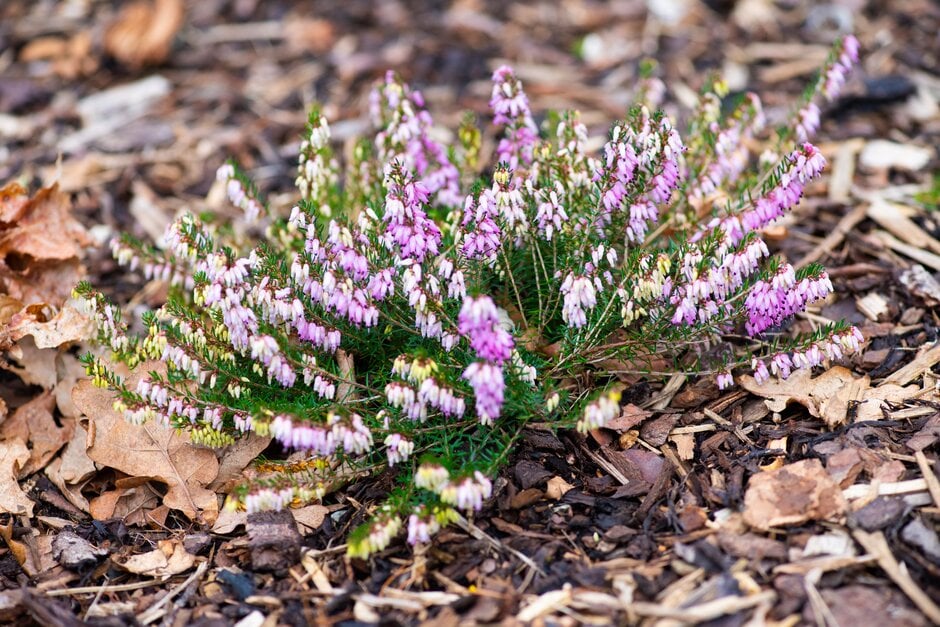
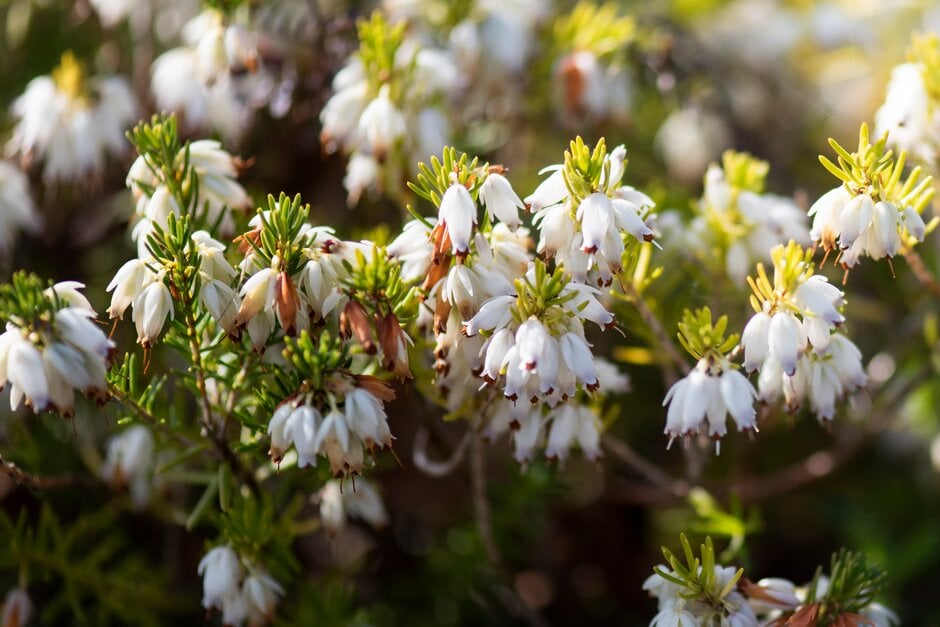
- Winter flowering heather (Erica carnea) – flowering from January to April and shrugging off cold snaps with ease, this tough, low-maintenance evergreen groundcover offers nectar and pollen to queen bumblebees, honeybees and early solitary bees on mild winter and spring days.
- Aubrieta – a favourite for walls, rockeries and dry border edges, aubretia’s tumbling masses of little purple or pink flowers provide a feast for short‑tongued bees from March to May, and are visited by early butterflies like small tortoiseshell, peacock, comma and holly blue.
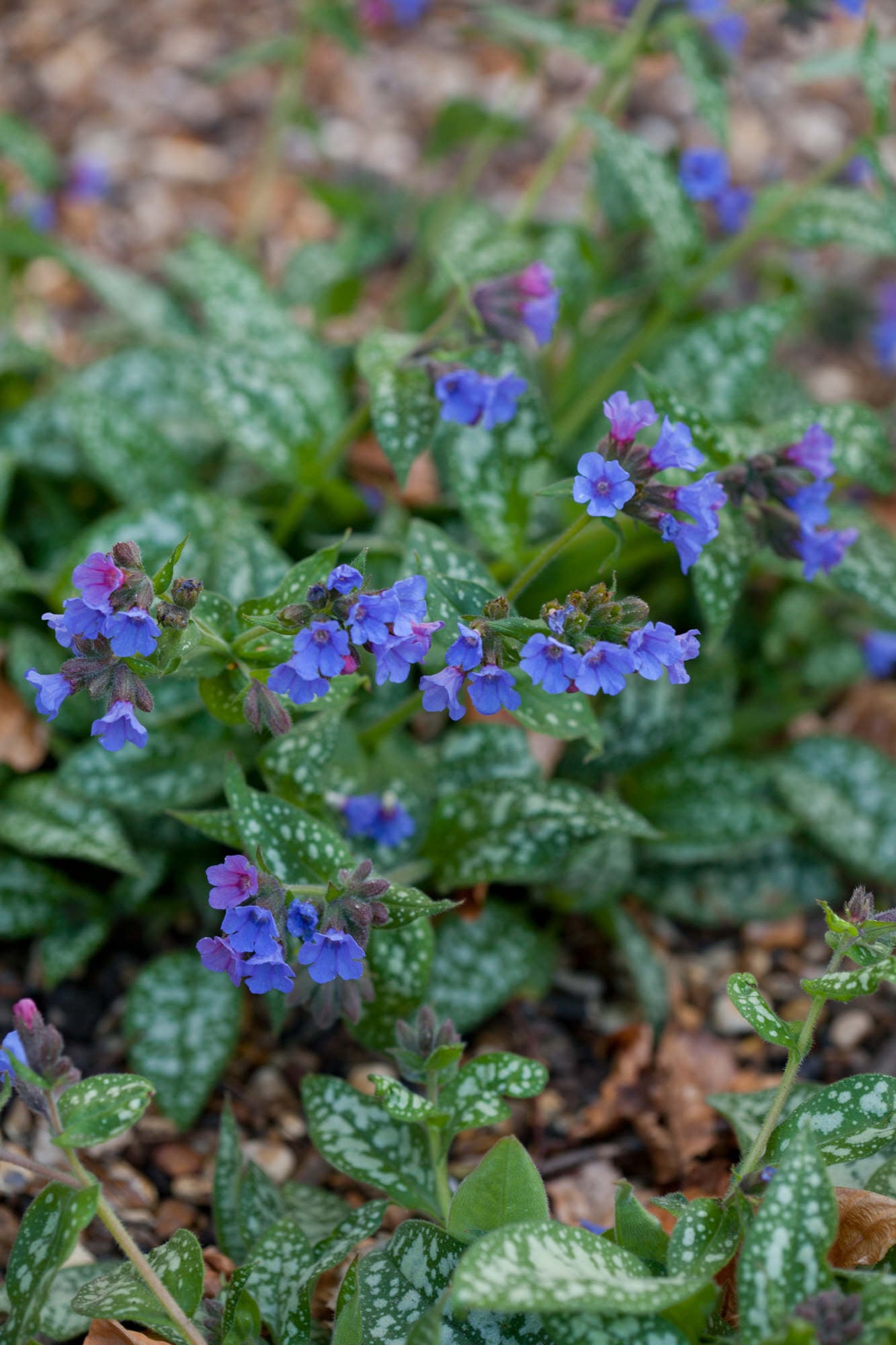
- Pulmonaria– this is one of the most reliable early bee plants, pumping out blue, white or pink flowers from February to April and thriving in shade. The flowers may also be visited by brimstone, peacock and comma butterflies on warm days.

Primroses and Pulmonaria will thrive together in a shady spot
Try combining these star plants to layer up a buffet of early forage for pollinators this March. A small drift of primroses with violets at the edges, or mingling with Pulmonaria in shade, aubrieta cascading down the wall, and a patch or pot of winter heather, can turn even the smallest space into a service station that keeps the nectar flowing right through spring.

1
of
2

About the author – Olivia Drake
With a background in biology, Olivia is passionate about biodiversity, sustainable horticulture and the role gardening can play in conservation. She is trained as a botanical horticulturist and previously worked in public gardens around the UK and abroad.