

The top five books to get into fungi
Jassy Drakulic gives us the lowdown on the best books out there to identify fungi for yourself

Beneath our feet lies an entangled web of microscopic threads, fundamental to keeping our gardens healthy. So why is it that so many of us remain fearful of fungi?
Have you ever been pottering around your garden and suddenly spotted a surprise mushroom ? Perhaps it was small and brown, or fleshy and white, or maybe a fungal growth in an utterly different shape altogether. What was your reaction? Did you welcome this squidgy little friend? Or, if you’re anything like the majority of gardeners who write to me at the mushroom ID department of the RHS Gardening Advice service, was your overwhelming feeling one of shock and worry? The photos of mushrooms that I receive from RHS members are often taken at arm’s length, as though people are scared to get too close to these mysterious intruders.
It’s hardly surprising. For decades, cultural depictions of fungi have conditioned us to be wary of fungi in all their forms. Though many of us are more than happy to eat supermarket-bought mushrooms, in our gardens or in the wild we are far more mistrusting. We see a mushroom, and our minds turn to poisons or psychedelics, or other weird and wondrous effects like Alice in Wonderland’s size-altering shrooms. More recently, fantastical book, film, video game and TV franchises – such as The Girl with All the Gifts and The Last of Us – paint fungi as a source of terrifying destruction on an apocalyptic scale. No wonder so many people write to me, terrified that the fungal forms in their borders are hellbent on destruction.
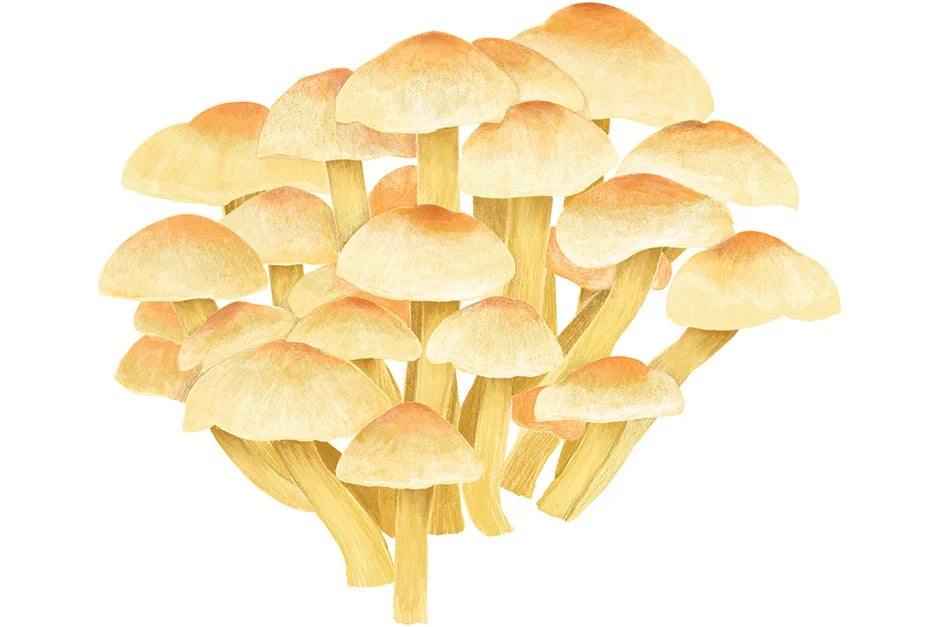
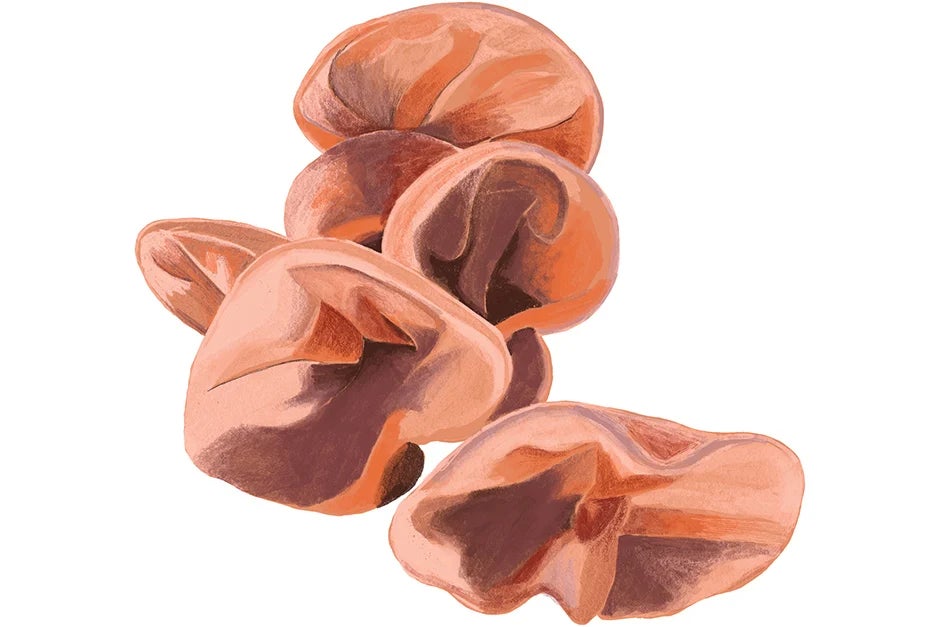
Needless to say, the exact opposite tends to be the case. Of course, before eating any wild mushrooms, you need to be absolutely certain of your identification. The risks of mushroom poisoning stem only from eating them – you won’t be harmed by touching, handling, or even nibbling and spitting out a tiny piece. Their spores won’t turn vegetables growing near them toxic, and the soils around them are healthier rather than tainted for having their mycelium within them. Compared to the risk of toxic foxglove pollen, which gardeners readily brush past without rushing to wash their hands, fungi in the UK are a tame beast. (However, for immunocompromised people, it is wise to avoid the abundant spores in heaps, which can pose respiratory risks for those unable to mount strong immune responses.)
The fact remains that fungi are not only, for the most part, utterly harmless, but actually actively good for your garden, and the rich web of life supported therein.
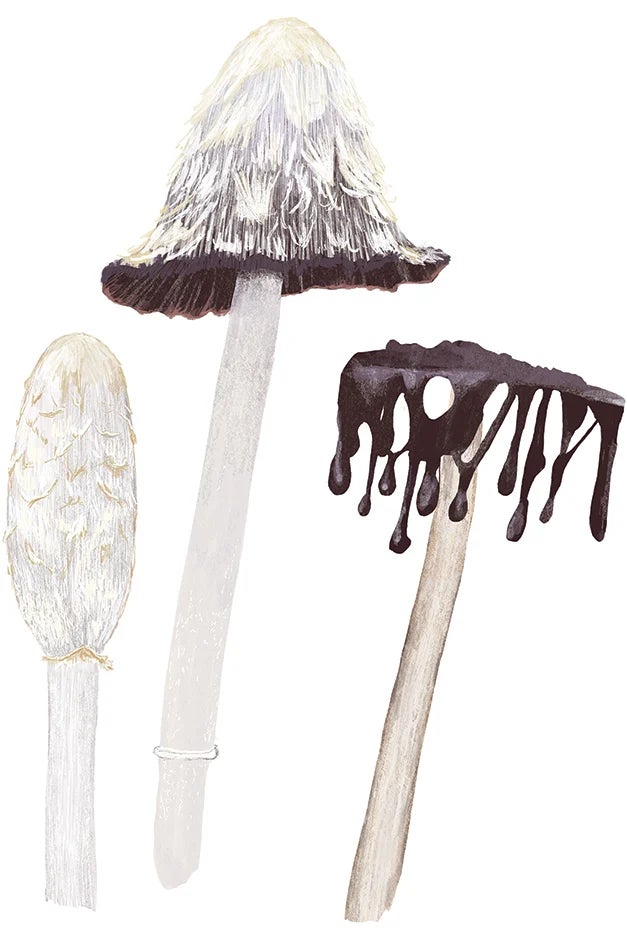
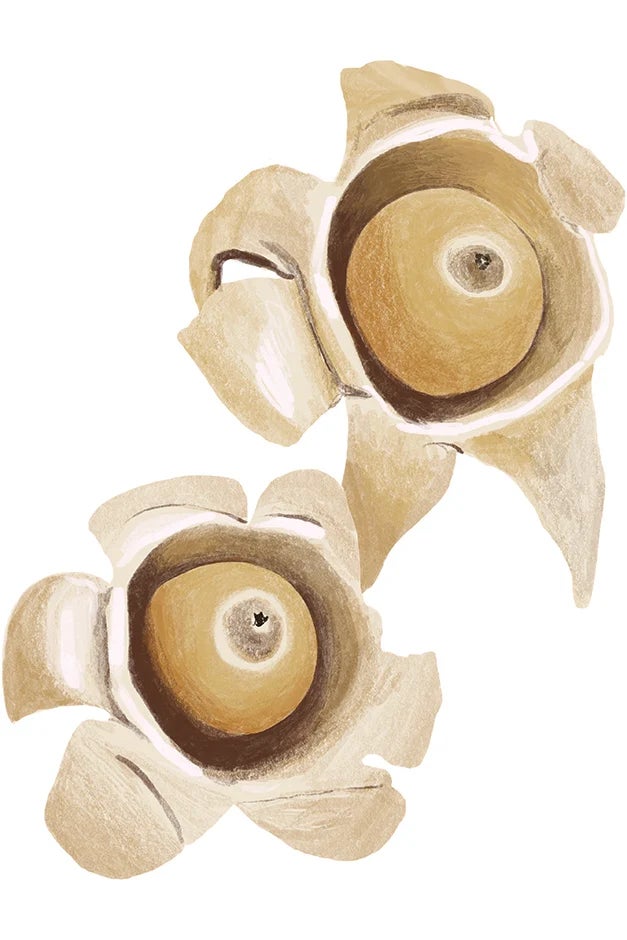
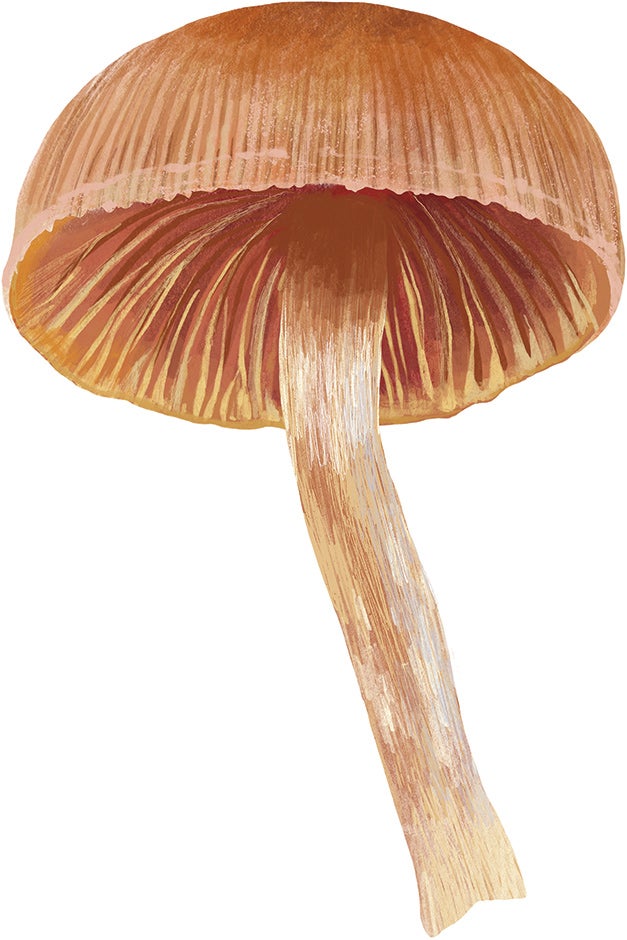
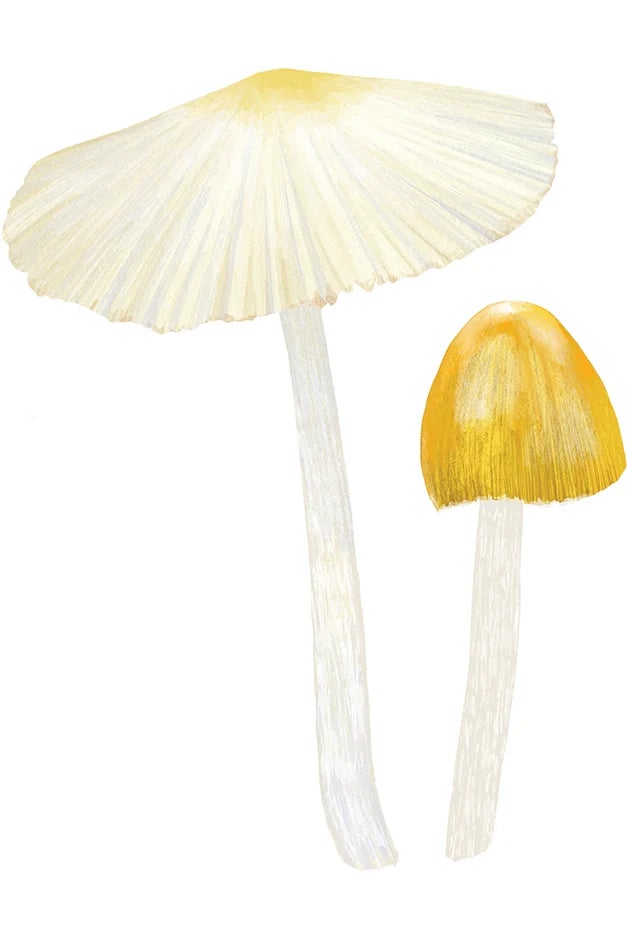
Earlier this year I encountered a fungus in my garden. Just a few months after we removed the old hard landscaping in favour of a flowering lawn and mixed borders, I lifted a tangle of sweet pea shoots to train them upwards and spotted it: a single egg-shaped pale brown mushroom cap gleaming at ground level. Its cap surface was smooth as a pebble and propped up on a toothpick-thin stem. Over the next few days, many more appeared, but then, within a couple of weeks they all shrank away without trace. Unlike the fear that many gardeners experience upon finding modest mushrooms like this, to me they signified something wonderful: there was a fungus at work, helping to build a garden that’s healthy, resilient and sustainable. What most people don’t realise is that, more often than not, fungi are on their side.
So, if you’ve just spotted a mushroom and recoiled in panic, you can rest easy: you may have just stumbled upon a gardener’s best friend.
The first thing to understand about fungi is that the mushrooms we find on the surface are only a small, if conspicuous part of a far greater fungus, and perform a specific function: to produce spores that could germinate into new fungal individuals and complete its life cycle. Just as anapple, cherry or rose hip does not exist independently of the plant from which it hangs, neither is a mushroom an independent entity. Mushrooms and other forms of spore-bearing structures – collectively known as fruiting bodies – come in all shapes and sizes.
Puffballs generate sacs full of spores, while bracket fungi grow horizontally like shelves on tree trunks, dropping spores from tiny tubes packed together underneath. Some last for hours, others for years, but they’re all temporary features serving the rest of the fungus – a fungus that was there long before the mushroom came to be, existing as a network of microscopic strands called hyphae that branch and rejoin underground. This hidden network of vastly branching and interconnected hyphae – the mycelium – is the main body of the fungus, and incredibly valuable to anyone designing or caring for a garden.
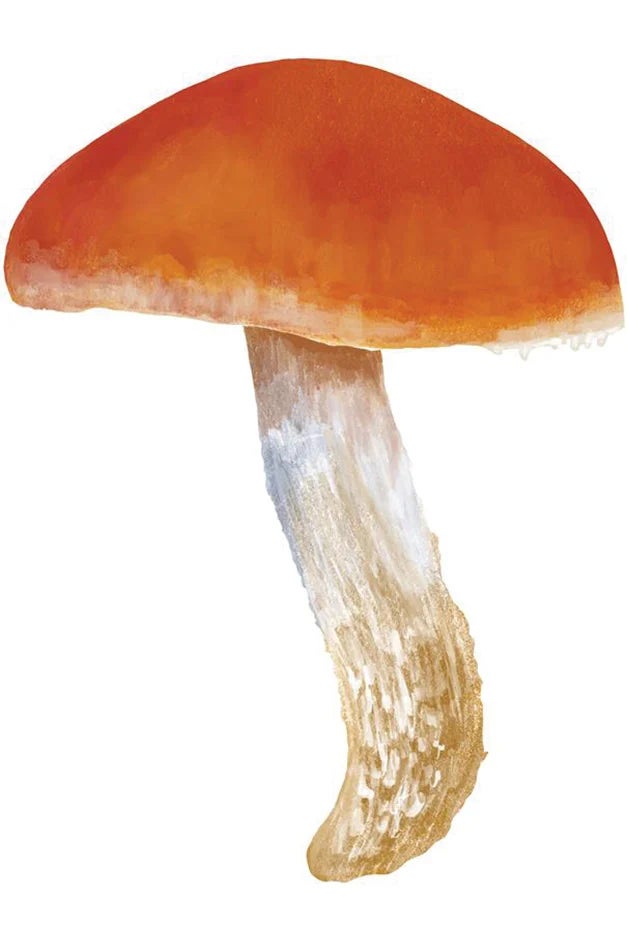
On a purely practical level, fungi in the garden perform a multitude of useful roles. Take the dainty little mushroom hiding in my own sweet pea patch: after studying its form, colours and habitat, I concluded it belonged to the brittlestem family – so named because their stems collapse under all but the lightest touch. Brittlestems form part of a group of fungi known as saprotrophs – recyclers that feed on dead material. This might sound unappealing, but it’s exactly what your garden needs. The fungi helps to break down dead material, releasing the nutritional resources within it so that these can then be repurposed and reabsorbed. Fungi use some of these to feed themselves, but leave behind a lot of material, which can in turn nourish plants, animals and microbes alike.
Gardeners are all too aware of the challenges wrought by our changing climate. Two of the more immediately obvious threats to our gardens are the higher frequency of both droughts and torrential rains. In both cases, beneficial fungi can help mitigate the damage. A soil full of fungi holds water better during dry weather and absorbs more water when rainfall is high, all while maintaining soil structure and resisting erosion. Wood rotted by fungi becomes spongy and porous, creating protective that shields soil and roots from temperature extremes. Each hypha is also filled with moisture, and fungi can distribute water throughout their mycelia and create watery films on their surfaces that help other soil microbial life move around. Having a well-established community of fungi and microbes in your soil is a sure-fire way to help future-proof your garden.
The benefits of fungi to our gardens don’t end there. Among gardeners there is an oft-repeated saying: healthy soil, healthy plants. However, what everyone may not appreciate, is that this phrase is implicitly lauding the role of a force largely unseen, but no less beautiful, for fungi and plants have lived alongside each other in symbiosis throughout much of their evolutionary history. The theory goes that fungi essentially acted as plants’ roots until they evolved their own, dissolving rocks and providing minerals, thereby anchoring aquatic plants onto dry land. Even when roots became standard equipment, fungi stayed living within roots as collaborators.
The modern cousins of those prehistoric root-like fungi are some of the most celebrated fungi in gardening circles: mycorrhizae – the root helpers. They weave their hyphae in and around plant root cells, fed by the sugars plants make through . In turn, their mycelia scavenge through the soil for water and nutrients, which they then send back to their plant partners. It is, undoubtedly, one of nature’s most successful partnerships.
Then there are the endophytic fungi, which live anywhere inside plants – leaves, stems, buds, seeds and roots. The relationship between plants and endophytic fungi is more discrete and less well-defined. They work more like the microbes on our skin or in our guts. Instead of being actively fed by plants, as the mycorrhizae are, endophytes take up excess sugars as they find them and use the plant as shelter. Meanwhile, they influence the plant in many ways, helping them tolerate stress more effectively, perhaps, or defend themselves better against herbivores or disease-causing microbes.
These ancient alliances mean that while habitat fragmentation, pollution and climate extremes all threaten fungi with extinction and irreparable community shifts, there are also huge ramifications for plants and, further down the chain, all life that depends on them. Because plants are intimately interconnected with fungi, if we want to promote a better future for our plants, we need to start by promoting a better future for fungi.

So, where do we start? Well, many of the steps gardeners can take to encourage beneficial fungi align perfectly with other sustainable gardening practices. In other words, you may already be doing some of them. Grow diverse plant species. Grow plants that create shade. Mulch regularly. Collect dead plant material and use it in the garden, in log piles and dead hedges, maybe, or as sculptural dead wood. Dig less. Reduce fertiliser use. Stop using fungicides. Observe closely what comes and goes.
When it comes to your own garden, you are the expert – you have the chance to observe the life within it frequently and at your own pace. Gardens contain many types of fungal habitats and you could see fruiting bodies peeping out at any time of year. Little brown mower’s mushrooms, for example, might appear in your lawn the day after rain. Artist’s brackets slowly sculpt woody and lumpy structures that could be mistaken for the stubs of lower limbs on a gnarled old tree, gradually increasing in size over the course of many years while the mycelium hollows out the inner dead heartwood of the tree. Woodchip paths or mulch circles around trees can become adorned with fruiting bodies, small and large, from fragile waifs to sturdy clubs, in vibrant colours like the purple wood blewit or impeccably camouflaged like the curious bird’s nest fungi. The more dead wood and fallen leaves of different species and sizes, the bigger the range of fungi that might show themselves when the environment suits them, and the more your soil will be enriched with nutrition and improved structure.
Still, it is autumn that sees the greatest range of fungi bearing fruiting bodies. Colder, longer nights and a greater availability of moisture are triggers for a great many fungal species to reproduce. Some years are better than others, influenced by how the previous year has been for the fungus and the plants it lives alongside – but even if a fungus doesn’t fruit year after year, it might still remain in the garden as its mycelium – unnoticed by the gardener, but living its life unseen beneath the surface.

I know what you’re thinking, and you’re right. Of course, not every fungus that makes itself at home in your back yard can be described as a gardener’s friend. My own entry into studying fungi was through working as a plant pathologist , focusing on the fungi that take away more than they give back to their plant host, thus causing disease. It is important work to identify these damaging species and characterise their life cycles and the disease symptoms they can cause. But it is just as important to understand that, for disease to unfold, this relies on more than merely the presence of a pathogen. Plants must already be vulnerable, and the environment conducive for pathogens to succeed.
Gardeners have little control over whether pathogens arrive on the wind or hitchhike in on wildlife. The key is to create conditions that allow plants to defend themselves: managing drainage and through thoughtful design, keeping stress levels low, sourcing plants from reputable suppliers, and monitoring closely for symptoms. A garden rich in beneficial fungi helps prevent and reduce the severity of disease outbreaks, by improving the plants’ general health and by competing for space, water and nutrients with pathogenic species.
When I found that brittlestem mushroom in my border, I was in that spot to tackle an outbreak of powdery mildew on my sweet peas, which, along with leaf spots and rusts , are common fungal plant pathogens. But I can’t blame the for damaging my plants – the fault is entirely my own. I had left the sweet peas to grow too long and crowded without training them up or them out, creating the perfect conditions for the pathogen to germinate on leaves that stayed wet long after rain. By neither mulching that bed nor watering it properly during the dry spring, the sweet pea roots were parched, giving the fungus an easy target over which to spread itself. Yet I didn’t reach for the fungicides or the home remedies – I simply altered the conditions to make life harder for the pathogen. I trained stems upwards to introduce better airflow, cut out the worst affected shoots, soaked the leaves to drown the fungal spores, and added a compostmulch to trap the spores beneath. Then, once the sweet peas had died back down at the end of the summer, I removed the debris, cleaned my gloves and mulched again.

Other potentially harmful fungi are not quite so easily dissuaded. There are two words that strike fear into the heart of any gardener: honey fungus . Sometimes you see it coming, in the form of large, honey-brown clumping mushrooms, but other times, it’s a silent assassin, strangling a plant’s roots with its mycelium. The confirmation of having honey fungus in the soil probably feels to many people like a death sentence for their garden. Yet even in the case of this potentially devastating fungus, we can learn to grow around it.
A honey fungus specimen currently residing in the US state of Oregon is one of the oldest living things on Earth, having survived, scientists concur, for several millennia. Honey fungus is an incredible survivor and is not easily deterred from garden soil – approaching an outbreak with the aim of preventing it from ever returning could cost you a lot of time, money, effort and will probably lead to disappointment. When gardeners turn to me in despair after finding honey fungus in their soil, I remind them that honey fungus can be found in each of the five RHS Gardens , yet those spaces are still thriving and beautiful. Through good planting choices and targeted action to slow the spread of the disease, the garden teams have learned to work around it. In woodlands, honey fungus can even be a force for good, as it picks off weak plants and recycles their components for other plants to use. Losing plants that had been in peak form feels unfair, but a lot of honey fungus cases that we diagnose in the RHS Plant Health team had other problems in the first place. A leading hypothesis among fungal ecologists is that worse disease can occur when gardens have poor communities of beneficial soil–borne fungi. My own research in this area is ongoing.
"A community of fungi in your soil is a sure-fire way to futureproof your garden"
It is through my work on honey fungus that I discovered the incredible nature of fungal fruiting bodies. As part of my earliest research, I attended a guided walk at RHS Garden Wisley run by the local fungus recording group (there are several nationwide) and was dumbfounded by the peculiarity of the fungi we found. I was captivated by their poetic names, like the weeping widow and amethyst deceiver, which were scattered throughout the grasses of RHS Wisley’s Pinetum . From then, I was hooked. I had to keep finding more fascinating fungi.
I was enticed by the challenge to try to identify any and every fruiting body for myself. This would be no mean feat, with an estimated 3,000 varieties of mushroom to be found in the UK, of which maybe 1,200 appear in gardens. If you’re curious about which fungi are enjoying life in your own garden, now is the perfect time to find out. With the fruiting bodies of many species out in force, autumn presents a great opportunity to immerse yourself in their splendour. Search for your local fungus recording group and join them on a foray. On UK Fungus Day each year public events are taking place all over the UK to celebrate the many wonders of fungi.

The more I learn about fungi, the more I understand how little we know about them. Only about one in 20 fungi estimated to exist have been given names, and of those, less than one per cent have been assessed for their conservation risk. No UK universities offer taught courses exclusively on mycology or fungal ecology, meaning researchers, like me, only gain this specialism at post-graduate level. The UK has a long history of biological recording for fungi, but that’s been done almost entirely by unpaid enthusiasts. The number of professional mycologists in conservation in the UK could comfortably fit in my small South London back garden.
Though while research opportunities in fungal ecology are few and far between, interest is growing in fungal biotechnology and research into its applications. Ironically perhaps, for one of the most ancient lifeforms on Earth, it looks increasingly as if fungi are the future.
Materials created by growing mycelium into moulded shapes, then killing it off by drying it out, are being explored as alternatives to plastic packaging, construction materials and high-end textiles. The spectacular pavilion in Tom Massey and Je Ahn’s forward-thinking RHS gold medalwinning The Avanade Intelligent Garden at the 2025 RHS Chelsea Flower Show was constructed from such mycelium blocks. It beautifully demonstrated the practical and aesthetic appeal of this novel material.
"Without fungi we would not have plants, nor soils, and certainly not gardens"
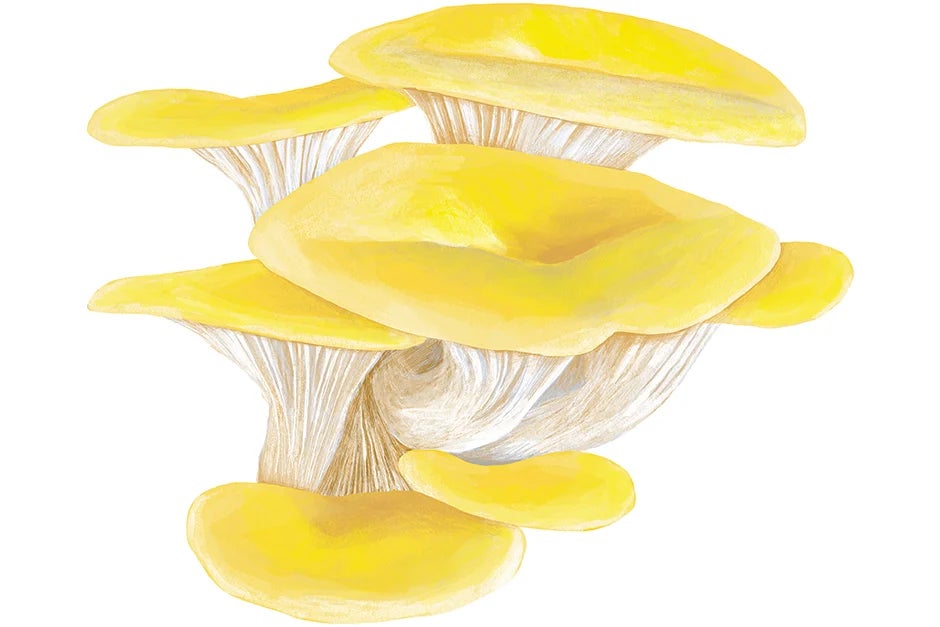
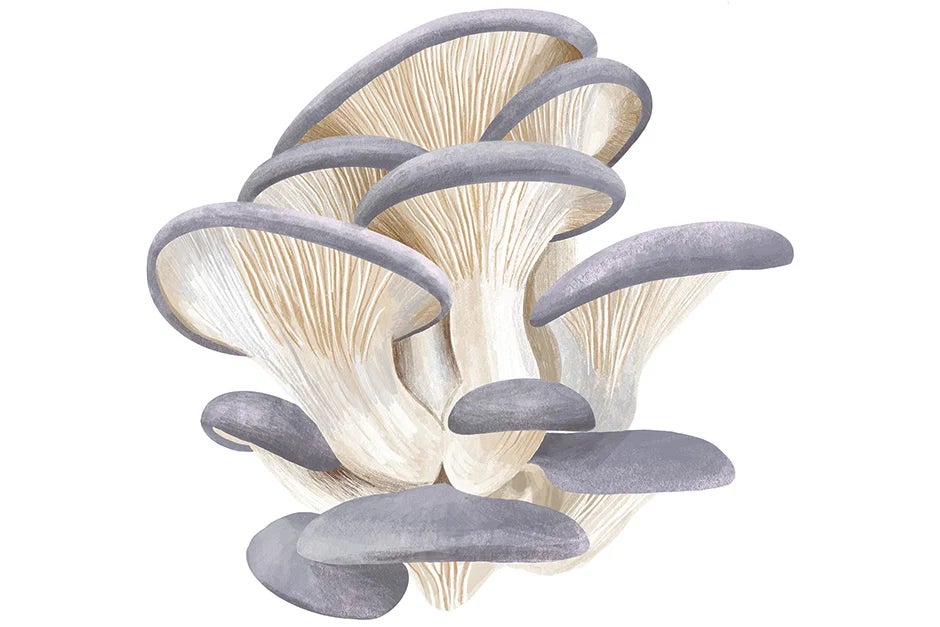
Beyond construction, fungal cultivation is a rapidly expanding market, and in recent years the number of members of social media groups for growers has exploded. Grow-at-home mushroom kits have seen booming sales, but the market needs regulation and direction as the more people growing non- species, such as yellow oysters and lion’s manes, for their culinary, aesthetic, and also health value outdoors, the greater the chance they will escape into the wild and displace native UK fungi. Outdoor growing projects are best set up using native fungal spawn. If you want to grow non-native species or strains, do so indoors to prevent the spores escaping into the environment. Likewise, before composting the spent substrate, first denature the mycelium by baking or pressure cooking it. These simple steps will do our native fungi the world of good.
Fungi have always been a cornerstone for medicinal drug development, the most famous example being the first antibiotic, penicillin, derived from blue mould. Fungi are also used to make statins, used for lowering cholesterol, immunosuppressants that prevent organ transplants from being rejected, and even antifungals. Exciting new areas of scientific study are positing that fungi could hold the key to treating everything from superbugs and cancer cells to trauma and depression. If you weren’t already convinced that fungi need conserving, perhaps their incredible potential as chemists might win you over. Not to mention the gourmet mushrooms and fermented foods and drinks that provide delicacies for the dinner table.
Back in the garden, meanwhile, the picture is just as impressive. Without fungi, we would not have plants as we know them, nor soils and certainly not gardens. Then there are all the animals that benefit from fungi, from worms to woodpeckers, be it by consuming fungi as food or using sites of fungal decay to take shelter or find mates or prey.
Yet the crucial value of fungi to sustain almost all other life on Earth is not currently considered in the policies that inform how we treat this planet. To redress this balance, the ‘third f’ initiative has been created, spearheaded by Giuliana Furci, seeking to add the word funga besides flora and fauna whenever they are mentioned – most notably in policy, press and teaching materials, but hopefully, eventually, even in casual conversations. This is yet to be ratified by the UN Convention on Biological Diversity – a treaty aiming to conserve global and ensure human societies use any biological entities sustainably and fairly – but campaigners are confident that it is only a matter of time.
Before I fell for fungi, I was fully committed to plants, which similarly blew me away for their ingenuity in tackling life’s challenges all while remaining rooted to the spot. But there is a unique thrill to finding fungal structures that differs from watching flowers open or shoots firm into wood. You have no way of seeing the fungus until it reveals itself – it grows out of sight, identifiable only through its DNA sequences, until that magical moment when fruiting bodies appear above ground. When you understand that these brief appearances signal the presence of invisible allies working to build soil, cycle nutrients, and support plant health, you start to see them as garden heroes: helping make gardens more self-sustaining, water-wise and biodiverse, all while delivering long-term health benefits to plants.
So, next time you spot a surprise mushroom in the garden, I challenge you to face your fears. I dare you to touch it, pick it, smell it, and feel its coolness in your warm hand. You could go further still – make a spore print and see if you can find its name, or even give it your own nickname to help you recognise it when it returns, then count how many you find this autumn. But most of all, take a moment to appreciate these marvellous mushrooms and the remarkable support network they form beneath the soil. Without fungi our gardens simply wouldn’t be the same.

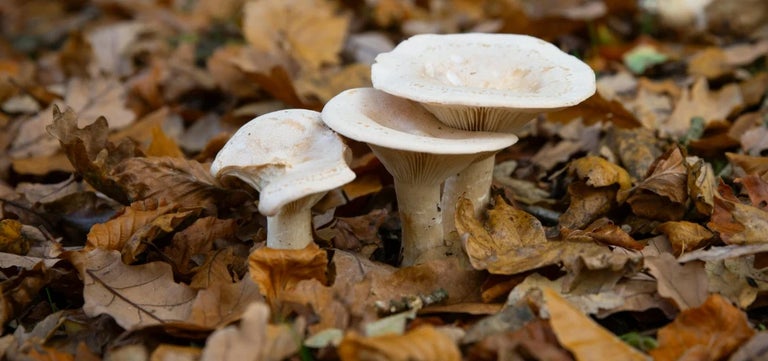
Wood Blewitts (Collybia nuda) are leaf leaf–litter and woodchip loving fungi that make plump purple mushrooms with chunky stems.
How to help fungi help you
Dig sparingly
Instead of digging over soils let fungal mycelia do this work for you. As hyphae extend through the soil they improve soil structure by binding particles and introducing air spaces between them. Mycelium is easily broken up by physical disturbance like digging, turning and sieving, so only unearth enough space for planting holes.
Recycle what you grow
Removing leaf litter and prunings from gardens strips them of the nutritional and microbial cycling that drives long-term, sustainable resilience. Save time and money by reusing dead plant material to make your own compost and leaf mould, for example, or build a dead hedge. This feeds the fungi, which feed the plants.
Use fertilisers sparingly
Synthetic fertilisers make plants dependent on their nitrogen, phosphorus and potassium inputs to grow well, which deters them from forming mycorrhizal connections. Mycorrhizae supply plants with nutrition for a lifetime, and the partnership provides added benefits such as protection against pathogens and drought.
Reconsider mycorrhizal use
Spend time sensitively nurturing your garden and your plants will naturally form mycorrhizal associations with the local, wild fungi already abundant in garden soils. Introducing fungi on a wide scale with a narrow range of genetic diversity can have negative environmental side effects if they displace wild fungi in wild places.
Don’t use fungicides
Fungicides for use against plant diseases never target only the problematic fungi and result in unintended harm to other beneficial fungi too. The same can be said for homemade remedies using garlic or baking soda. Soil fumigants decimate whole fungal communities; no garden problem is worth the damage they cause.
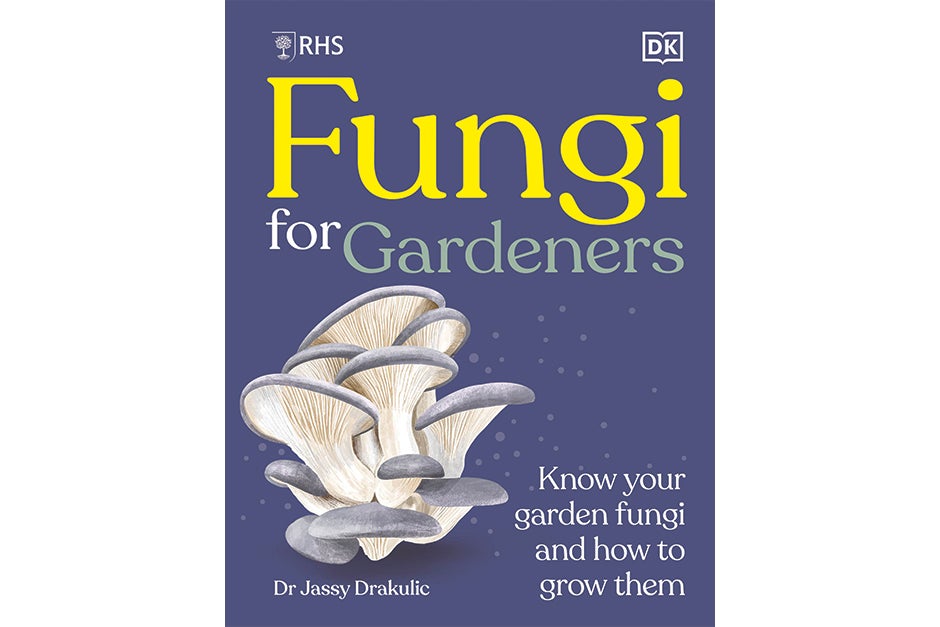
Tips are adapted from RHS Fungi for Gardeners by Dr Jassy Drakulic, published by DK.
Beautifully illustrated,this expert guide is packed with information on how to identify fungi, why fungi are key to a healthy garden, and projects for growing your own mushrooms to eat or to enjoy.