

Get your patio ready for a party
Seven simple steps to prepare your outdoor space for the perfect social gathering.

When the nights draw in and days shorten, it’s tempting to pack up the garden, light the fire and settle in for the winter but if you want to prolong your gardening day there are plenty of gardening tasks to fill the hours and get ahead for the growing season
If you work or are busy during the day, rising and returning home in the dark can make your energy levels dip and affect your mental health. Having a task to do when you get home or in the evening, even though it is dark outside, might help by giving you something to look forward to.

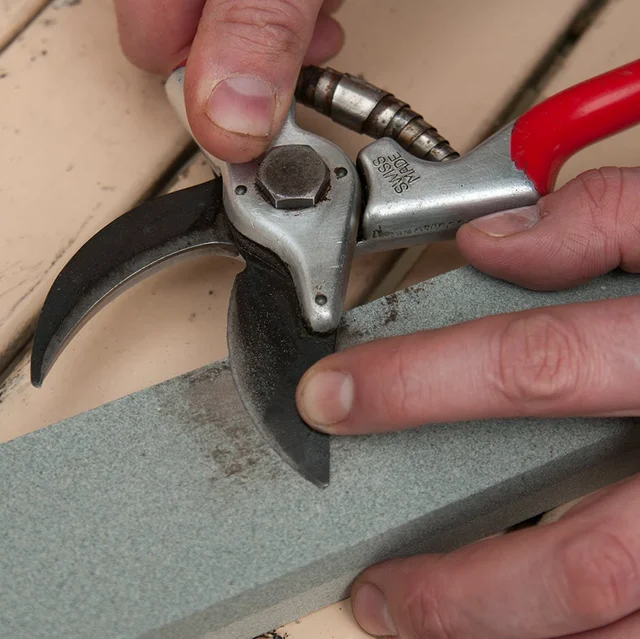
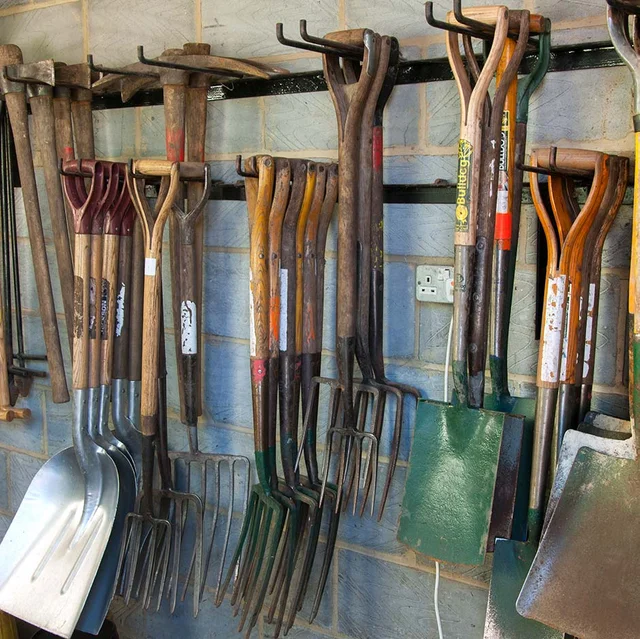
Winter is the perfect time to give your tools a thorough makeover to ensure they last through the cooler, damper months. Use a stiff brush to remove the worst of the mud, and wash if needed. Wipe with an alcohol-based disinfectant to prevent the spread of any diseases. Use a soft brush or old towel to remove any moisture or residue, checking tools for damage as you do. Sand any rough wooden areas and carefully use a sharpening stone on blades. The final tip is to wipe over metal parts with an oil, which protects them from rust and helps your tools last much longer. Store them somewhere clean and dry, keeping any tools out of harm’s reach from young fingers.

Think of your potting bench as a work desk, organising items into their own pots, making them easy to find. I use old pots and vases for this. I have one for string (with a hole in the side for the string to poke through, so I never lose the end), one for bits of wire, and one for pencils, permanent marker pens and dibbers. I also keep a pair of scissors handy, hanging them on an S-hook just inside the door.
Take all your plant labels inside and sort into plastic and wooden piles. With plastic labels, it’s more sustainable to not buy them at all, but once you have them use them till the end of their lives, then recycle. I also make new ones from strips of plastic milk bottles. Use a scourer to scrub off the old writing, dry and put them in their own pot. Wooden ones can be brushed off, sanded and given a coat of oil to help preserve the wood for as long as possible.

If you collected and dried flowers and seedheads in the summer and autumn, making floral creations is the perfect, dark evening task. Clear yourself some space on the kitchen table or worktop and take each bunch of dried flowers from their hanging place, checking over stems for mould or breakages, disposing of unusable stems in the bin, or garden waste.
Use soft garden or florists wire to hold bunches together, or use a ball of chicken wire to hold stems upright. If you have individual dried flower heads, try hanging these vertically on wire to make the prettiest floral curtain. If you need inspiration there are many social media feeds by talented florists, who share tips on creating floral art, as well as seasonal wreaths, hanging arrangements and small posies – something to fit every situation.

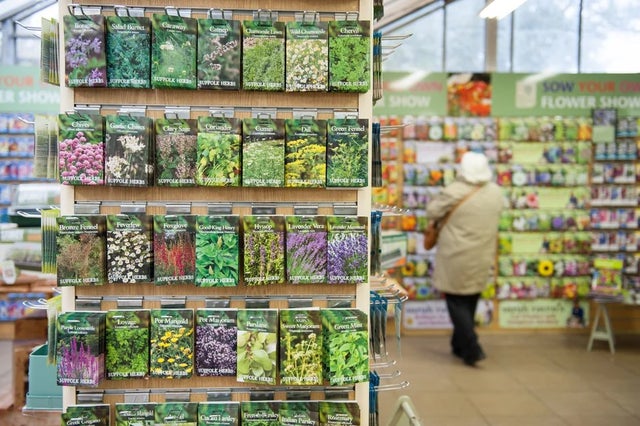
Whether you prefer to browse through a paper seed catalogue or search online, the mindful task of looking at flowers in bloom, when it’s cold and dark outside, can definitely lift the spirits and give you a sense of looking to the future – planning what your garden, balcony or pots will look like in a few months’ time. I love leafing through a real catalogue and enjoy the lovingly written descriptions but using an online catalogue means you can search for seeds by type and location.
It’s hard not to be swayed by the sumptuous images, but remember your own space and its light, moisture and soil conditions. Also, think about where you will sow your seeds and how much room you have. You can save seeds in a cool, dry place for future years, just check the ‘sow by’ date on the packet. Before you start looking, write a list of what you need and have time to grow, considering flowers, vegetables, herbs, and maybe something a little different or long-term as a challenge, like a tree or shrub seed. You could spend some time researching these first as another winter task.

If you can’t tend plants outside, do it inside instead. If you don’t have any houseplants, now is the time to take a fresh look. Houseplants have had a huge revival in terms of interior style, choice and accessibility so there are indoor plants available to buy for every home and every room. Browse our Houseplant pages to find what suits your home and look at RHS Plants for costs. You can pick up houseplants relatively cheaply or go big as a treat.
If you already have treasured houseplants, spend some time on a dark, winter’s evening getting to know them. Are they looking happy? Are they in the right location? Again, check the advice pages to see what that plant needs. Maybe it needs less moisture or more light. Give it a good clean, wiping leaves with a soft cloth to remove dust and lurking insects or eggs, trimming off any old or dying leaves carefully. If you’re feeling creative, you could have a go at making an indoor terrarium.

Natalie grew up on an arable farm in North Cornwall. She was a primary school teacher, then started a gardening business, moving into garden and planting design. She spent several years in Bristol, where she was a horticulturist for garden TV programmes. She now lives and gardens in West Cornwall.