
Early winter in the garden: what to do now for a stronger spring
Autumn rain has brought welcome relief to drought-hit gardens, but winter preparation is more important than ever. RHS Chief Horticulturist Guy Barter shares the key jobs to tackle now – from planting trees and bulbs to protecting plants against a wet winter and preparing for a strong spring
As autumn gives way to early winter, UK gardens are entering a critical transition phase. After a summer marked by record heat and prolonged dry spells, the return of rain offers a much-needed lifeline – and a vital window of opportunity for gardeners to prepare for the year ahead.
Rain brings relief, but drought concerns remain
After a hot, dry year, water continues to dominate the horticultural picture. Autumn rain has brought welcome relief to many gardens, with England receiving 11% more rainfall than the long-term average for October, according to the Environment Agency – enough to re-wet the root zones of many plants after months of drought.

A double rainbow over The Old Laboratory at RHS Wisley after a storm passed
While the rainfall is encouraging, the bigger picture remains more complicated. While rain has helped ease the horticultural drought affecting gardens and plants, considerably more is needed to replenish natural water storage such as rivers, reservoirs, lakes and aquifers. Without sustained rainfall, water restrictions could remain a possibility in 2027.
For gardeners, the return of rain brings both opportunities and challenges. Many drought-stressed plants are already beginning to recover, but a mild, wet start to winter could also mean fewer opportunities to work the soil before it becomes saturated.
Make the most of workable conditions
Forecasts suggest a relatively mild and wet spell may take us towards the new year. If that proves correct, soils could become increasingly difficult to work, lawns may be too wet to walk across and container plants could face a greater risk of waterlogging and root disease. It's therefore worth getting on with the usual autumn jobs while the ground is still workable.
Tackle these seasonal jobs while the soil is still manageable:
- Collect fallen leaves for leaf mould or composting
- Clear spent vegetable crops and annual displays
- Divide and replant overcrowded perennials
- Repot plants that have outgrown their containers
- Begin winter pruning of trees once the leaves have fallen (leave evergreens until spring)
- Give lawns a final cut before winter
Plant now for greater resilience
November is an excellent time to plant trees, shrubs, climbers and herbaceous plants. The soil is unusually warm for this time of year, allowing roots to continue growing even as top growth slows. Planting now, rather than waiting until spring, gives plants longer to establish a strong root system – something that could prove particularly valuable if another dry spring or summer follows in 2027.

Planting bare root Erysimum cheiri (wallflower) in autumn
plants will also soon become widely available once leaf fall is underway, they are often less expensive than container-grown plants.
Get ahead with planting
There are plenty of jobs that can help prepare the garden and veg plot for next year.
Get spring bulbs in the ground
November is generally the best time for planting tulips and hyacinths to reduce disease risks and have vibrant displays for next spring. If you still have other spring-flowering waiting to go in such as daffodils or crocuses the sooner they are planted, the better.

Plant your tulips now to get vibrant displays for spring
Sow crops for an earlier harvest
Gardeners looking to get ahead next year can plant hardier crops now that will establish over winter and mature before late-summer dryness sets in:
- Onion sets
- Garlic
- Shallots
- Broad beans
Expect a few pests while temperatures stay mild
The return of rain after a hot, dry summer has led to a resurgence of insects, including aphids, caterpillars and leaf miners. The coming colder weather and sustained rain will curb their activity and in the meantime, many will provide a valuable source of food for birds and other garden wildlife.

Robins eat caterpillars, aphids, beetles and their larvae
Looking ahead to spring
One of the biggest questions facing gardeners after such an unusual is how will drought-affected plants perform next year. While it remains unclear how flowering capacity or survival rates will be impacted, there are reasons for both concern and optimism. Prolonged drought can reduce growth and, eventually, shut plants down. But the exceptionally high light levels experienced during the summer may also have encouraged and flower- formation before drought conditions became too severe.

A great deal will depend on the weather between now and then. For the moment, however, autumn rain and relatively warm soils offer gardeners a valuable opportunity: plant while conditions allow, tackle essential seasonal jobs and give the garden the best possible chance to enter spring with strong roots and renewed resilience.
The full effects of this year's drought may not be known until next year, but gardens can be remarkably resilient. After such a difficult growing season, there are already encouraging signs of recovery.
You may also like
-
 Category: Inspiration
-
 Category: Inspiration
Why autumn is the best time for planting
Following a summer of drought and extreme heat, we are calling on gardeners to rethink the traditional spring rush. By treating autumn as a primary planting season, you can protect your plants against future heatwaves and reduce pressure on mains water -
 Category: Inspiration
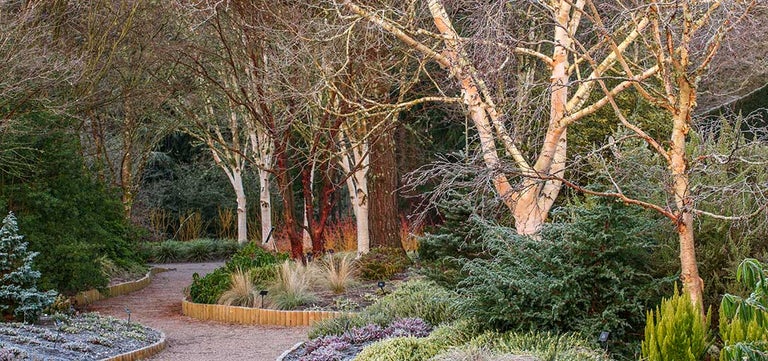
How to have a beautiful winter garden
Winter can be the perfect time to enjoy your garden and make plans for the next year. Garden expert Naomi Slade brings inspiration with her winter design tips and gardening jobs to tackle in winter