How West Dean Gardens is adapting to climate change
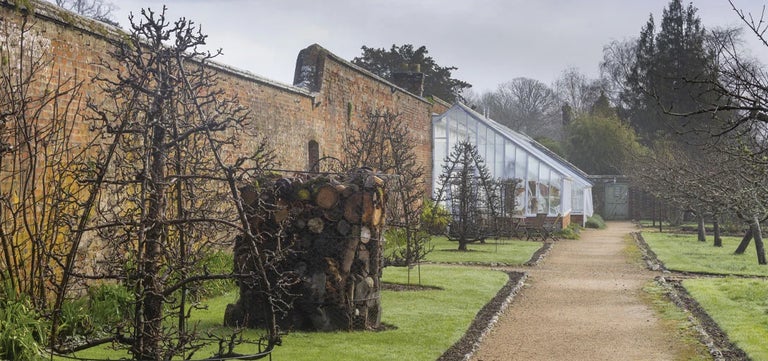
At West Dean Gardens in West Sussex, Head Gardener Tom Brown is reshaping a historic landscape to meet the challenges of climate change and biodiversity loss

Following a summer of drought and extreme heat, we are calling on gardeners to rethink the traditional spring rush. By treating autumn as a primary planting season, you can protect your plants against future heatwaves and reduce pressure on mains water
Planting trees, shrubs, climbers and non-woody perennials in autumn gives them a critical head start. Cooler weather reduces water loss, winter rain keeps soil moist, reduced competition from weeds and nibbling insects gives plants a clearer run to get established. By the time summer arrives, autumn-planted greenery is significantly more resilient to heat and drought.
Trees, shrubs and climbers are vital natural air conditioners for our outdoor spaces, but those planted in spring are often exposed to dry spells before their roots are fully established.
Despite the clear benefits of autumn planting, spring continues to dominate British gardening habits. Our online plant advice pages see a massive spike in traffic during the spring months. While autumn 2025 attracted 13 million page views between September and November, spring 2026 (March to May) surged to 25 million views.
"Spring may be the season when Britain traditionally gets gardening, but hotter, drier summers mean autumn more than ever has a crucial role to play. Planting now gives trees and perennials time to establish while soils are moist and rainfall is more reliable. If we want gardens to survive longer, hotter dry spells, we need to make autumn planting part of the new gardening calendar."
While newly planted trees still require regular watering for their first three years during summer and dry spells, autumn planting drastically reduces the pressure during those critical first weeks of root establishment.
However, if your garden is particularly wet or you're on heavy clay soil, spring is still usually the best time to plant perennials.
We must increasingly choose plants with future climate extremes in mind – accounting for both prolonged droughts and periods of heavy rainfall. Traditional favourites like silver birch (Betula pendula), shrubby hydrangeas, and rhododendrons are becoming less suited to dry gardens, particularly in southern England.
To help you adapt, we recommend shifting towards more resilient varieties, like the examples below.
Find more drought-tolerant plants
Find more plants for wet and dry