Winter can be the perfect time to enjoy your garden and make plans for the next year. Garden expert Naomi Slade brings inspiration with her winter design tips and gardening jobs to tackle in winter
RHS Editorial Team
5-minute read
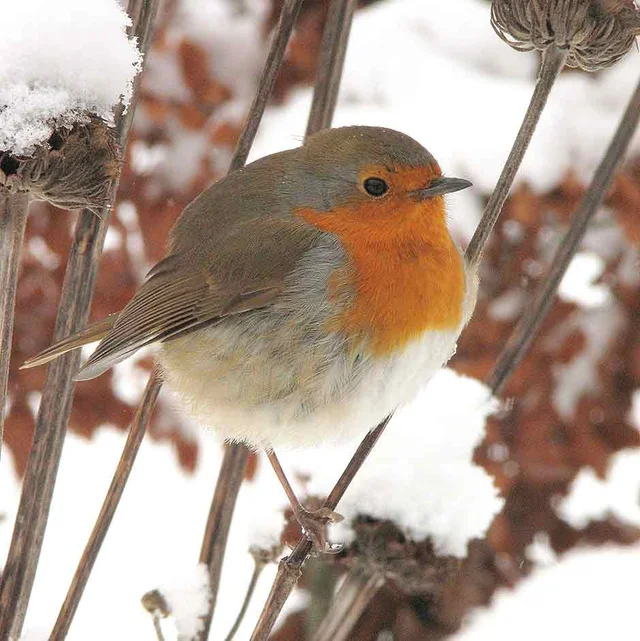
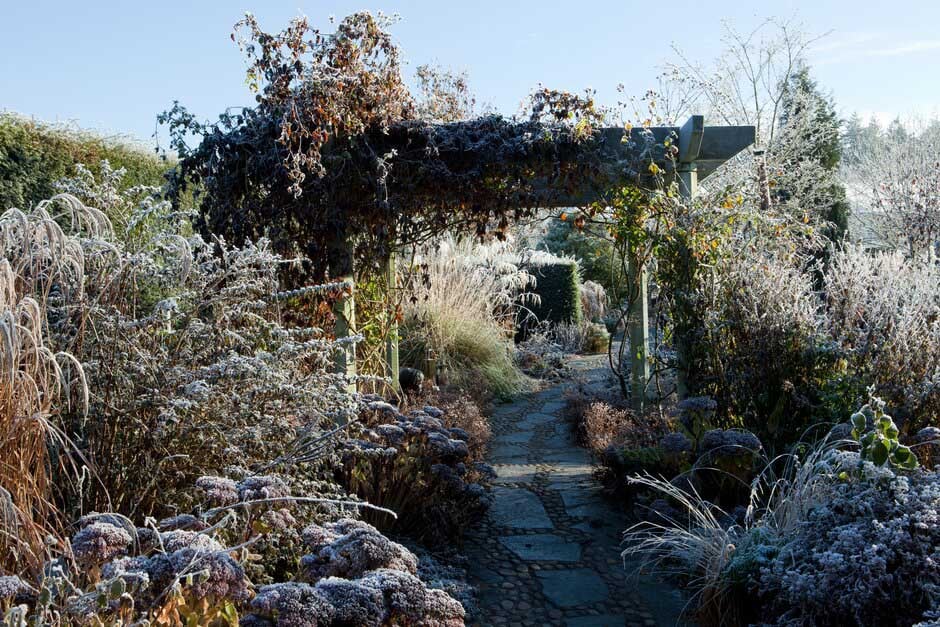
Winter is often seen as a time away from the garden when the harsh weather drives gardeners indoors, but the cold weather brings both opportunities and challenges. A frost that can harm tender plants may also create the stunning spectacle of a crisp white lawn, frozen seed heads and branches dusted with ice.
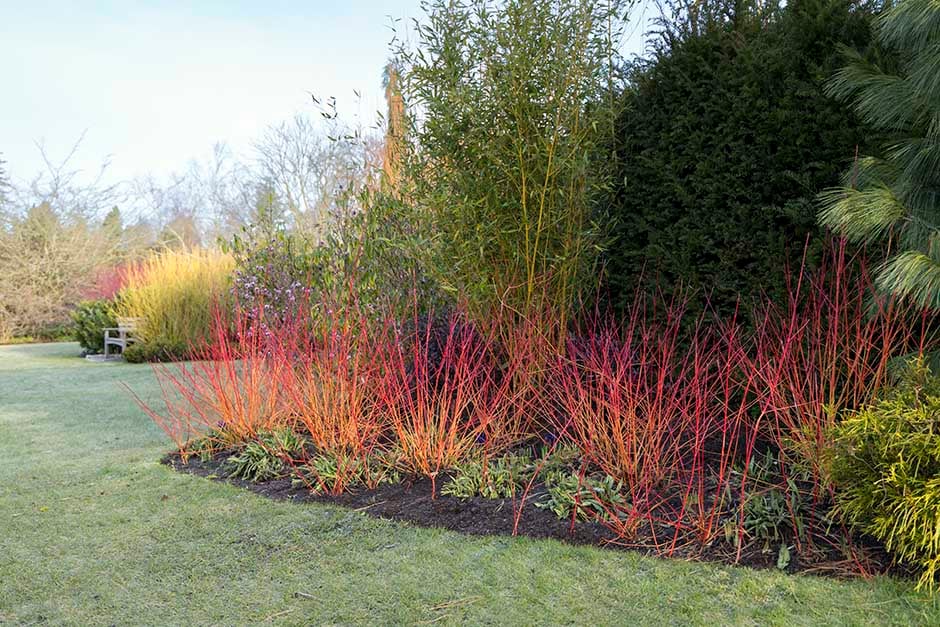
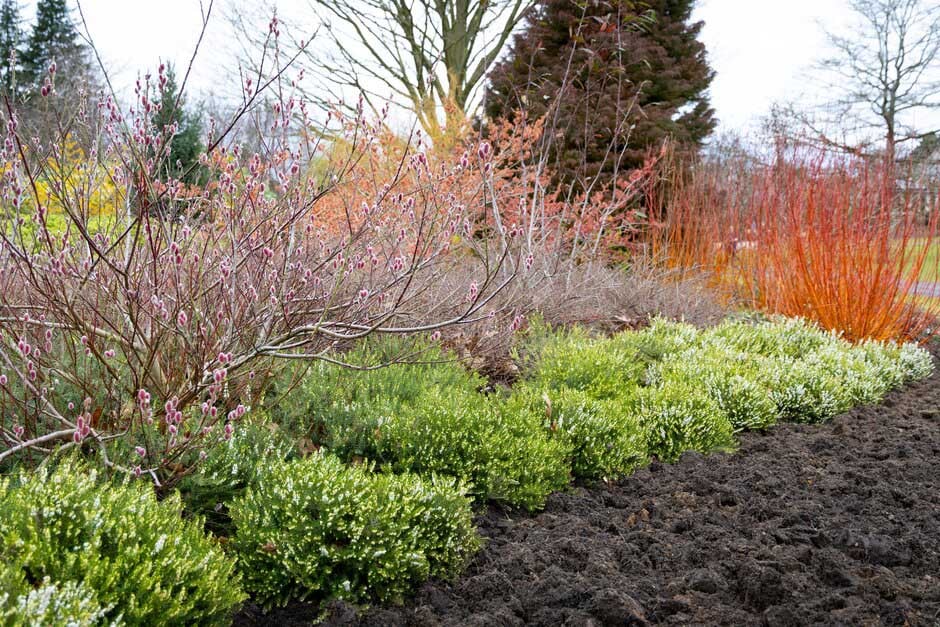
The splashes of colour from evergreensand winter-flowering shrubs are all the more vivid for their rarity. Red holly berries, fiery orange cornus stems and vibrant purple crocus petals pop out from the cold, muted surroundings.
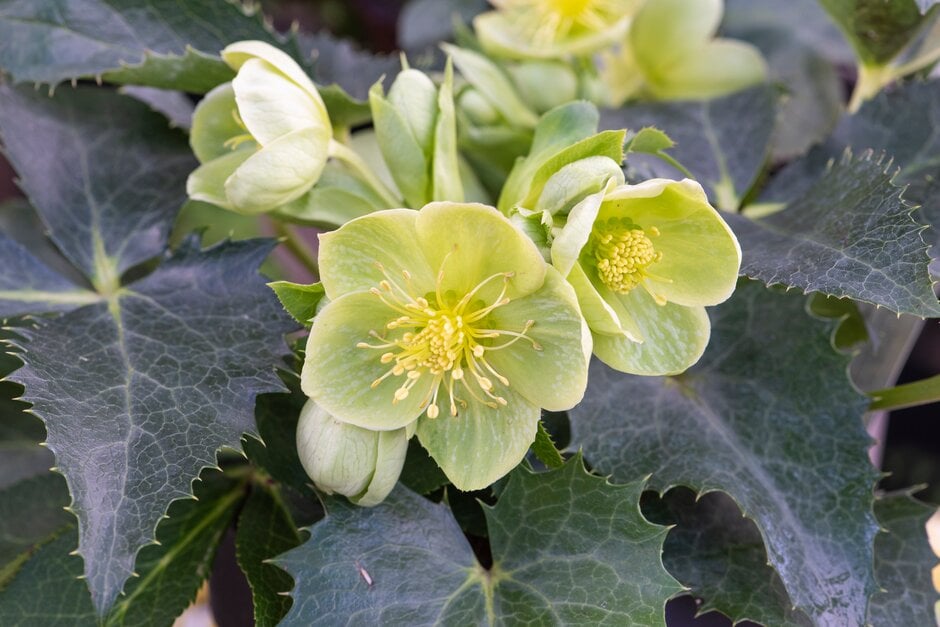
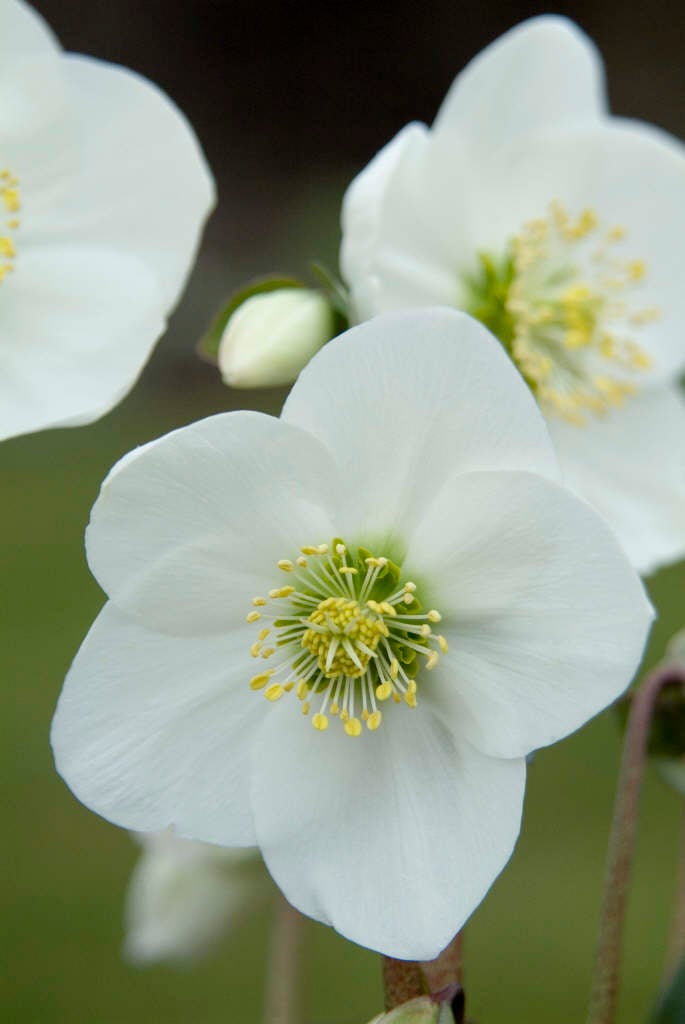
Cyclamen and hellebores nestled beneath the red stems of dogwoods make a welcome picture
Six key elements of winter garden design
RHS Chelseadesigner Naomi Slade advises on how to choose planting which blends the seasons, rather than seeing the garden coming to a juddering halt in November and not pick up again until March.
1. Height
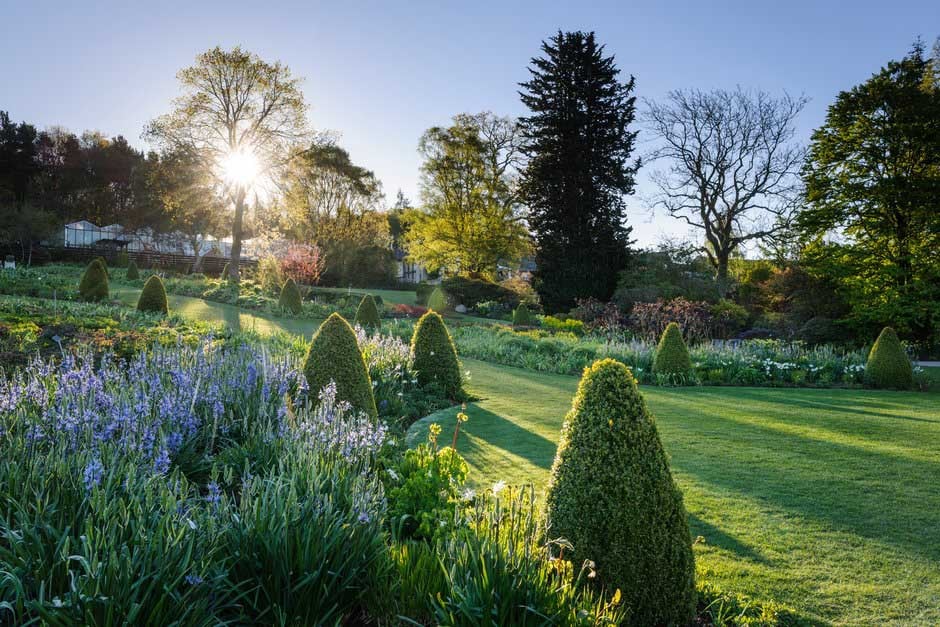
Think about vertical accents and where they would be desirable. Consider the role of trees in screening and how they might also provide shelter, shade, or a sense of being enclosed.
2. Repetition
When many different elements are mixed together they often look haphazard and bitty, but repeating a particular plant, colour, or shape will add strength to the design and keep it grounded.
3. Pace and Journey
Upright or spherical forms can be used as “full stops” to indicate the end of one theme and the beginning of something new, while a change of pace or sudden non-sequitur can have a look-at-me quality.
4. Depth and Distance
Using screens and voids to break up the space means that not all the garden is visible at once. Layers of planting add depth, and the different elements can act in concert, with new points of interest emerging as the season waxes and wanes.
5. Framing
When a view or focal point is framed, it adds theatre and intensity to a design. The uprights of a door or pergola, or a gap between the trees, will lead the eye to the object of interest, providing something to get excited about.
6. Time
Seasonal fluctuations aside, gardens operate in three dimensions of space and a fourth dimension of time. Plants grow and alter the landscape around them, so visualize how big they will be in the future and give them space.
"In garden design it makes sense to think of winter first"
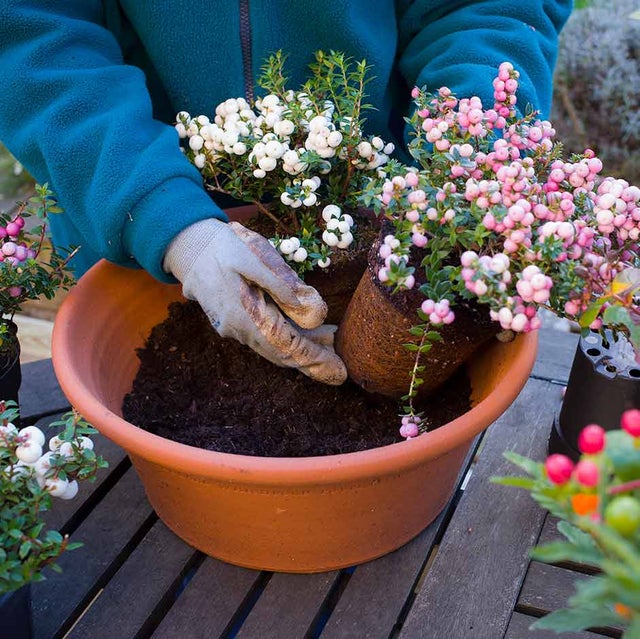
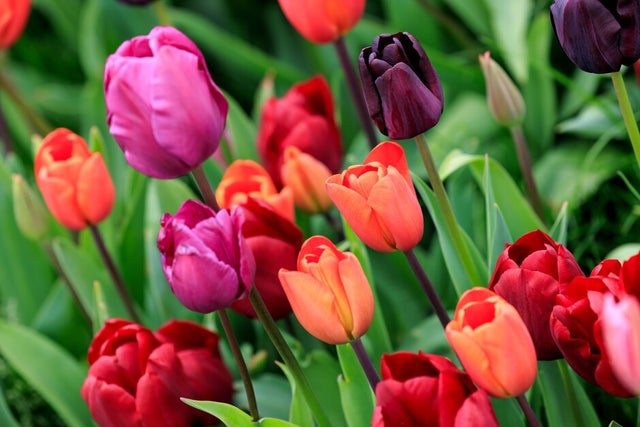
: planting up containers and spreads of bulbs in autumn and early winter ensures there will soon be flowers to enjoy. It can also help to link the winter and spring gardens, so there is not an awkward pause. Feed bulbs in containers to keep them going until the following year.
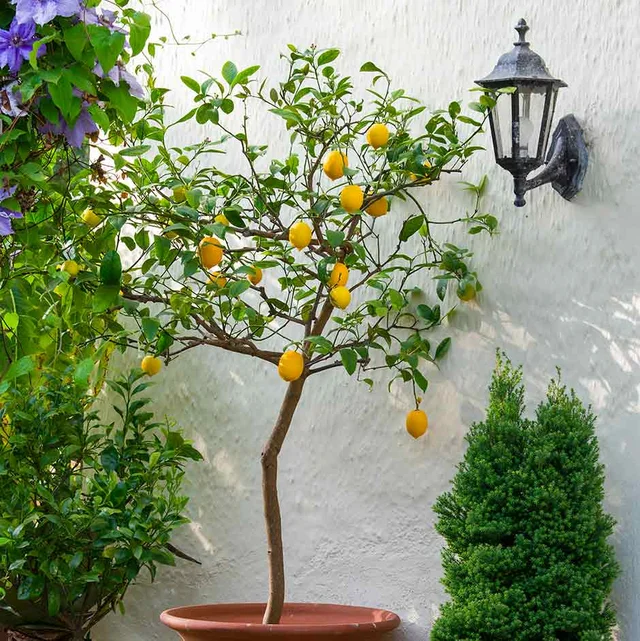
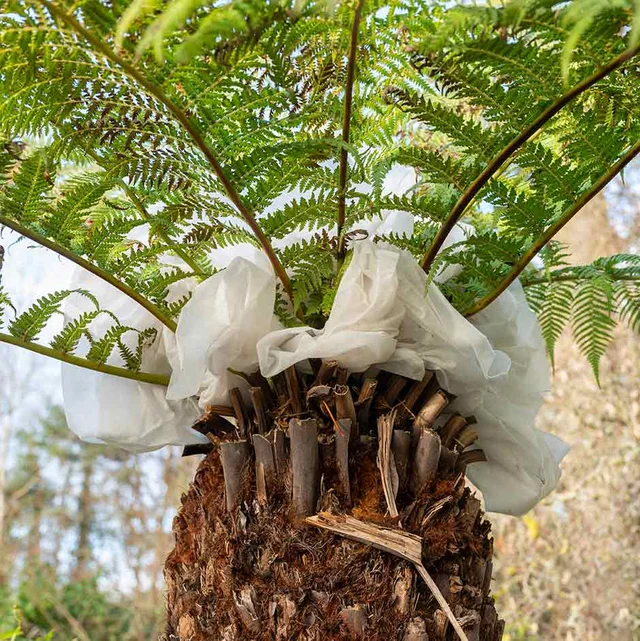
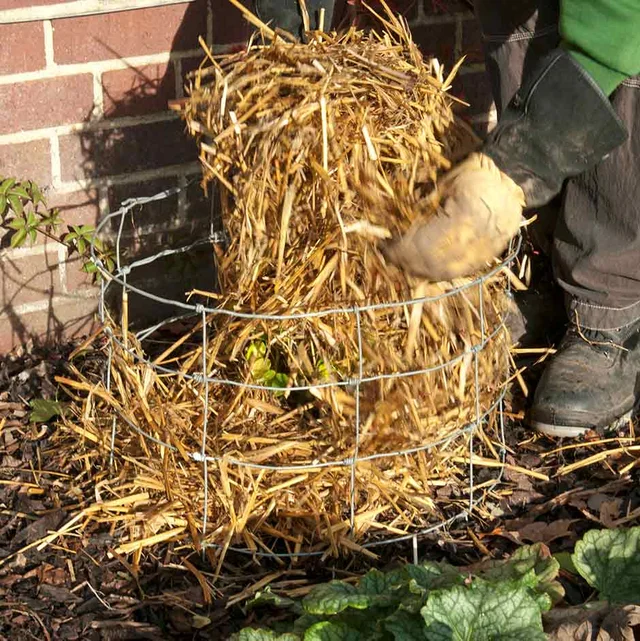
Tender perennials: some plants are borderline hardy and these can be lifted and brought into a greenhouse, or moved under cover wholesale if grown in a pot. Alternatively, if the soil is sufficiently well-drained, they can be left in situ, with the crowns protected with a thick layer of or insurance taken in late summer and overwintered inside.
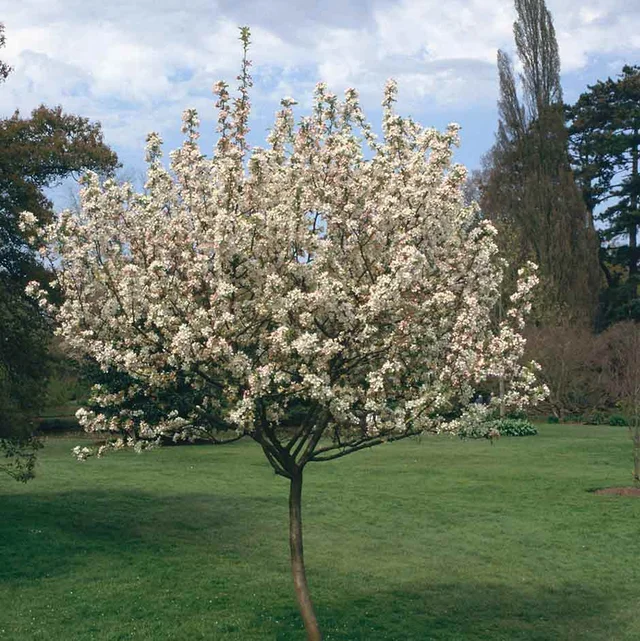
Fruit trees and other woody plants: winter pruning encourages new growth that will produce fruit and flowers, and helps to maintain an attractive shape. However, if a plant is doing well or is flowering consistently without intervention, annual pruning may not be needed, while very mature specimens may not need pruning at all.
Soil care: using organic matter as a mulch does not just make the garden look tidy and cared for, but it also improves everything from water retention and drainage, to increasing the availability of and supporting microfauna. Add spent , leaf mould, or chipped to the surface before the cold sets in and let the weather and worms do their work.
Sowing seeds: in early and late winter, seeds can be sown for a crop of annual flowers such as sweet peas or Ammi majus. Chillies and tomatoes can be sown in early spring, to fruit in the summer.
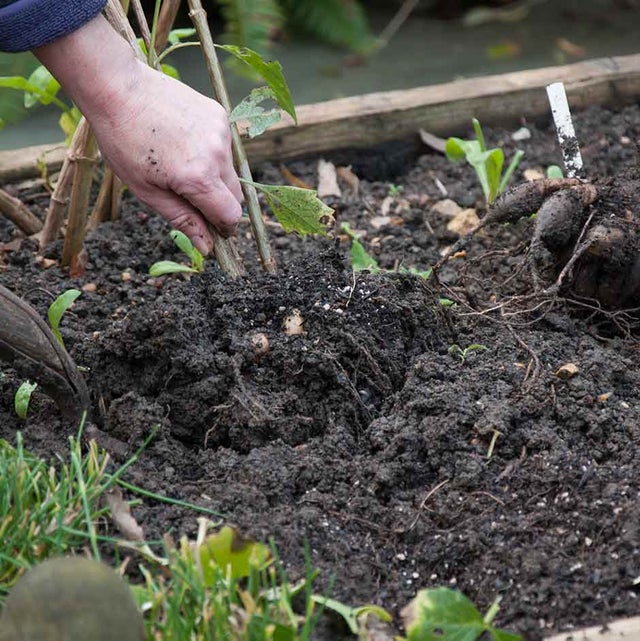
Bare roots: in autumn and winter, a range of perennials, shrubs, and trees are available to purchase as dormant, specimens. Often cheaper to buy and ship than potted plants, these may need less maintenance too, as they are inactive when planted and the ground is already moist.
Tidy up: it is much easier to relax and enjoy your garden when it doesn’t present you with niggling jobs to do, so take some time to sort things out to your liking. Stack empty pots in an inconspicuous corner, compost dead plants and debris, and make sure that everything looks as pleasing as possible.
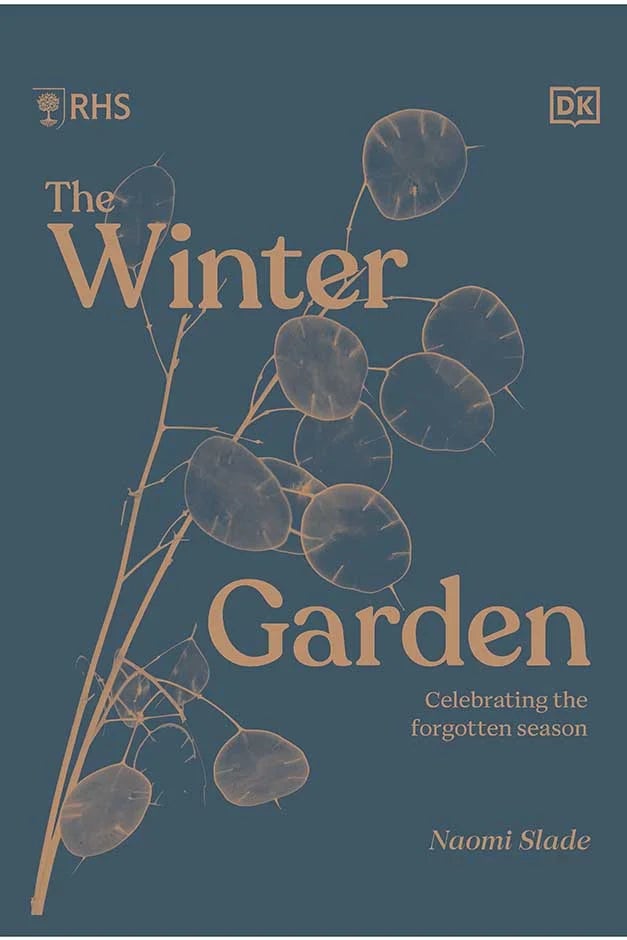
Naomi Slade’s book RHSThe Winter Garden – Celebrating the Forgotten Season, urges readers to use the dormant months as an opportunity to take another look at their outdoor spaces and offers design tips so that they can be enjoyed all-year round.
Illustrated with breath-taking photography, the book covers fundamental elements and basic principles of garden design, framed through the context of winter rather than summer.