It’s simple to make your own liquid fertiliser using garden plants, weeds or other organic matter. Homemade fertilisers are natural, free from synthetic chemicals and environmentally friendly.
By The RHS Advice Team
Quick facts
Homemade feeds are suitable for edible crops, garden plants and houseplants
1
Soft green vegetation (leaves and stems) can be used to make liquid feeds
2
Nettles and comfrey are often used as they’re easy to grow
3
You’ll need a water butt, a lidded bucket or sealed container
4
Liquid from wormeries, bokashi bins and compost teas also make good liquid feeds
5
Using homemade feeds is a sustainable alternative to manufactured or mined fertilisers
6
Homemade feeds are usually weaker than bought ones, so apply them more frequently
It’s a liquid feed, usually made from plants, manure or homemade . Liquid is obtained by rotting down plants or steeping manure or homemade compost in water. This is then diluted and watered on as fertiliser to boost plant growth.
Feeds are organic (naturally based), since ingredients are derived from plant or animal matter.
Why use homemade fertiliser?
Homemade fertilisers are better for the environment than bought ones. This is because ingredients are collected locally and there is no industrialised manufacturing process or transport involved.
While the nutrient content is highly variable, depending on the ingredients used, homemade fertilisers support healthy growth.
What can I use to make homemade fertiliser?
Plants: Use any with fresh green leaves and soft stems. At this stage they contain good levels of .
Dried plants: Gather leafy material in mid-summer to early autumn and allow it to dry out, for making fertiliser later.
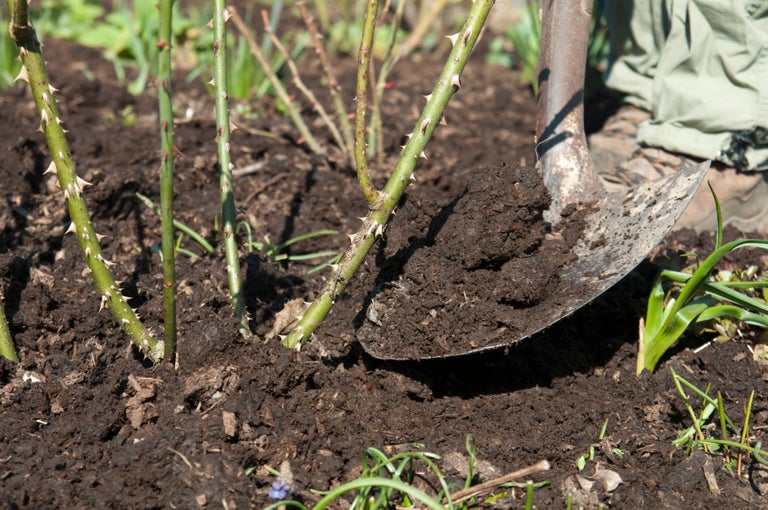
Animal manure or garden : Use homemade or locally sourced material. This is soaked in water to extract the nutrients.
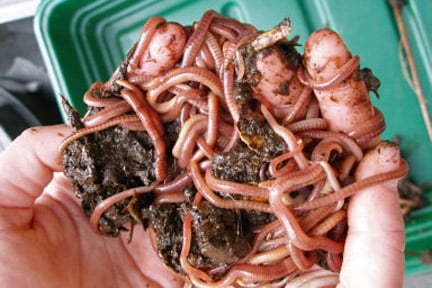
Wormeries and bokashi bins: Use liquid drained off these.
Avoid: Shiny evergreen leaves or woody prunings.
Top tip
If don’t have access to the above, you can still make fertiliser with hay, comfrey or lucerne pellets. These are sold for pet and pony feed.
Which plants are best?
Use whatever is abundant and close to hand. Ideally, collect “green” plant material from mid-summer to early autumn when nutrient and mineral content is at its highest. Popular plants for making liquid feed include:
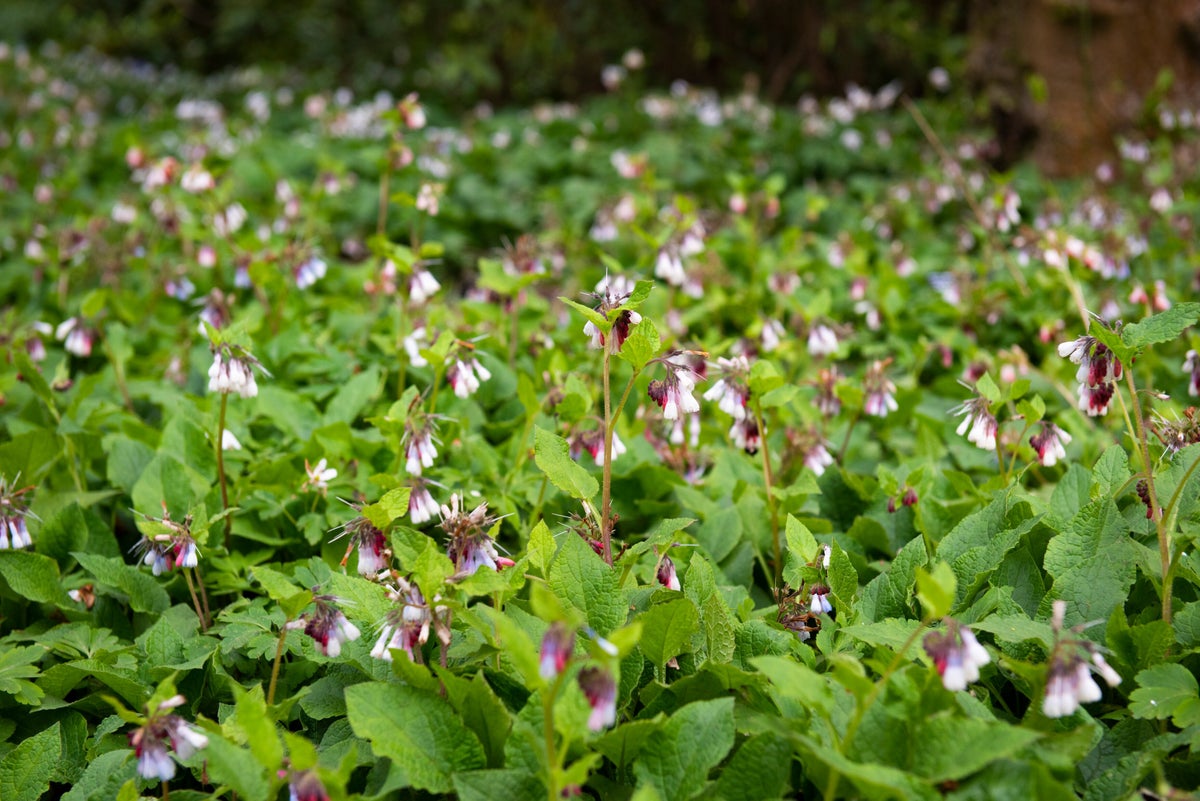
Comfrey (Symphytum spp.) – ‘Bocking 14’ is a popular because it's sterile, so won’t spread by self-seeding. Comfrey is usually high in potassium, especially when grown in clay soils.
Nettles(Urtica spp.)– abundant in gardens and elsewhere. Wear gloves when collecting to avoid being stung.
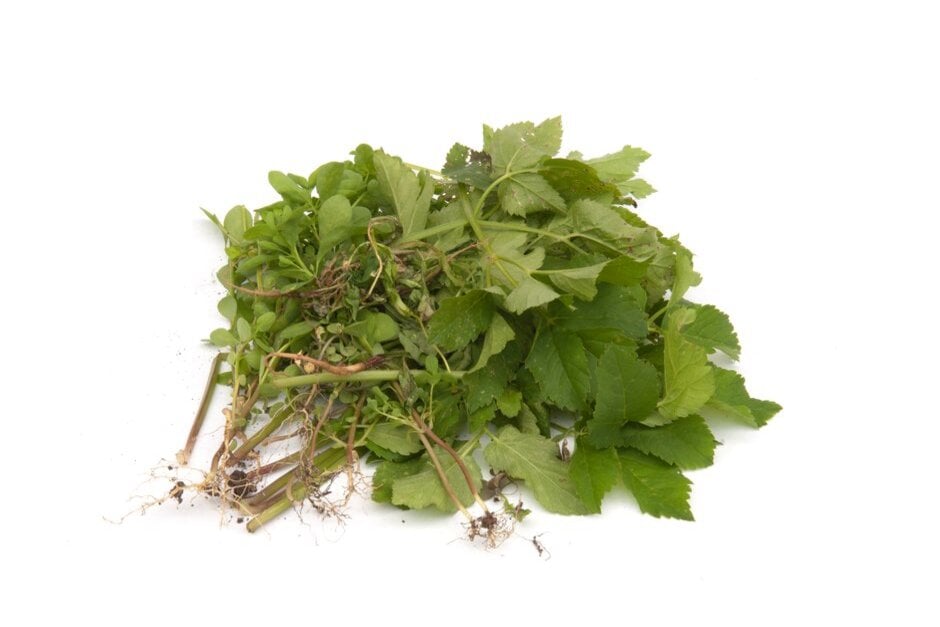
Weeds – collect annual or weeds such as groundsel, sow thistle and bindweed from your garden.
Bracken(Pteridium aquilinum)– grows widely across the UK on field boundaries, waste ground and commons. Avoid deliberately growing it in your garden since it can be . Gather bracken fronds in spring and early summer before it produces spores.
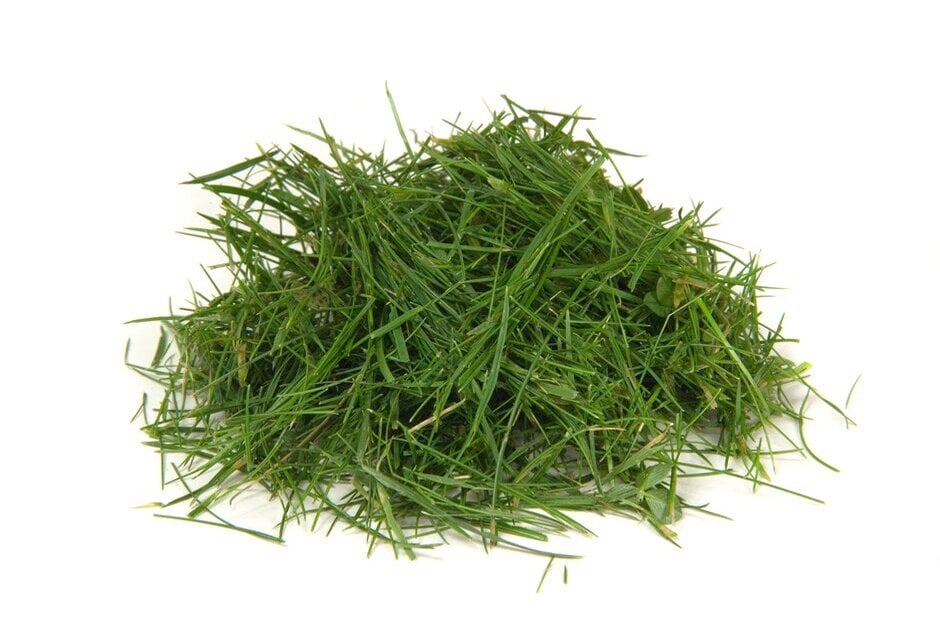
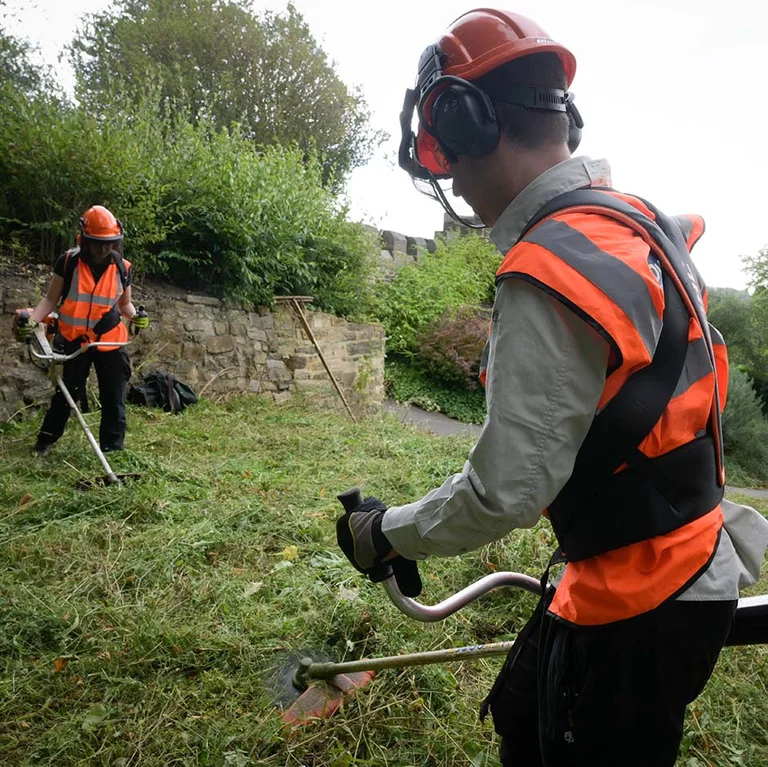
Grass clippings – plentiful during the if you or a friend have a lawn.
Make good use of weeds by turning them into a liquid fertiliser
Gardeners often have an abundance of grass clippings
Note
When collecting outside your own property, please obtain permission from the landowner.
Making homemade fertiliser with fresh or dried plant material
Method:
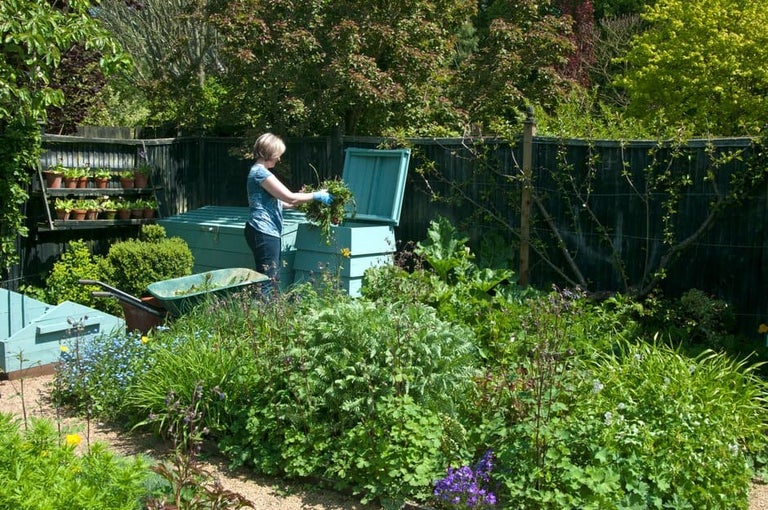
Place freshly harvested or dried plant material into a lidded water butt, large bucket or container.
Press it down firmly, so you can cram in plenty.
Add water if needed (see below).
Replace the lid to prevent material drying out and rainwater getting in.
Check the container weekly – your fertiliser will be ready to use when the material has rotted down and dark liquid is present.
Drain off the liquid using the water butt tap or strain the material through a sieve. Bottle and label the liquid. Add the remaining solid residue to the heap.
Dilute accordingly (see below) before using in the garden as plant feed.
Do I need to add water?
Fresh green plant material is already around 90 percent water, so it’s not necessary to add additional water. Just remember to cover the container to prevent the mixture drying out.
With other materials, such as dried plants, hay, comfrey pellets and lucerne pellets, adding water helps to speed up decomposition and release the . Fill the container with water so the contents are just covered.
How long before I can use it?
The decomposition process can take a few days to several weeks, depending on temperature and what material you’re using. Once the liquid is a dark, murky ‘soup’ colour it’s ready to use. The contents are often strong smelling, so wear gloves and prepare in a well-ventilated area.
Can I store the feed for later?
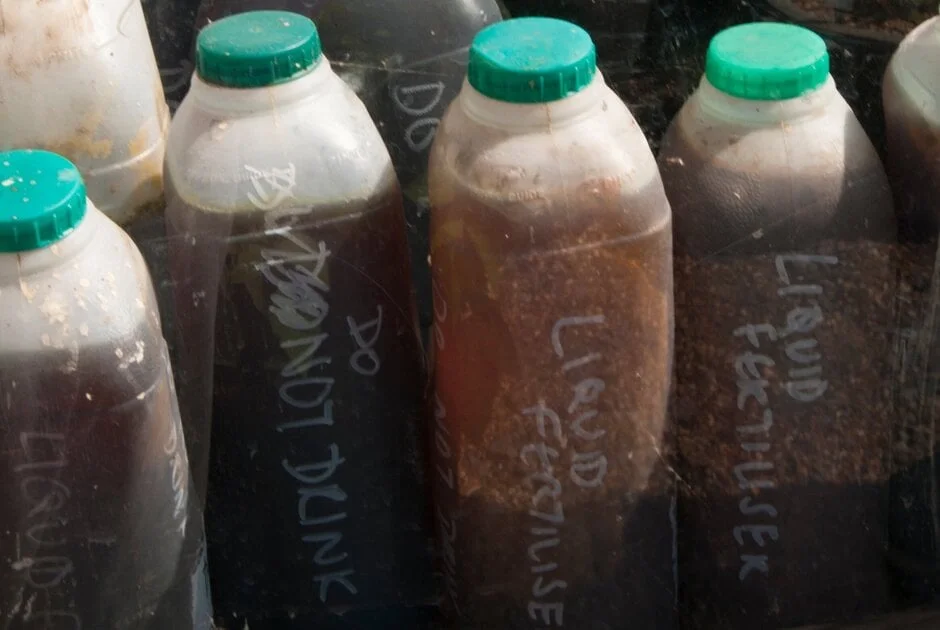
Use the resulting liquid straight away or store it in a container until needed. Aim to use it up within three months, although in a cool dark place, it can store for up to a year in a rinsed milk or juice container with a lid. If the container bulges, release built-up gases by slowly unscrewing the top, then resealing.
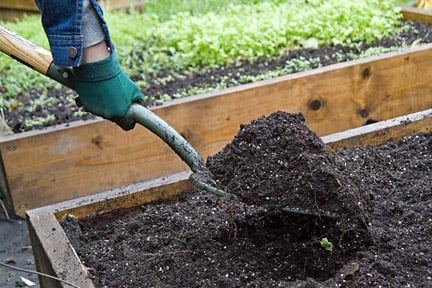
Feeds made from homemade compost or manure shouldn’t be stored and are best used once they’re ready.
Use containers with lids to store homemade liquid fertiliser
Using homemade fertilisers
Applying:
Homemade plant-based feeds are weaker than bought fertilisers, so apply them liberally and frequently. Homemade manure-based fertilisers are stronger, so you don’t need to use these as often.
Dilute your homemade fertiliser with tap or rainwater before applying it with a watering can. Drench the roots of annual bedding, plants in containers and edible crops, such as as tomatoes and strawberries. Established trees, shrubs and perennials don’t need regular liquid feeding.
Top tip
Wear gloves or wash your hands thoroughly after handling and using homemade fertilisers. Do not eat or drink while handling fertilisers. Never apply homemade feed with a sprayer (as a foliar feed) to avoid inhaling microbes.
Diluting:
For plant-based feeds made WITHOUT water, use a ratio of 1:20 (one part collected liquid to twenty parts water).
For plant-based feeds made WITH water, i.e. those made from dried material, use a 1:10 ratio (one part collected liquid to ten parts water).
For feeds made from manure, use a ratio of 1:10 (one part collected liquid to ten parts water).
For wormery liquid, use a ratio of 1:10 (one part collected liquid to ten parts water).
For bokashi bin liquid, use a higher dilution rate 1:100 (one part collected liquid to 100 parts water, e.g. 10ml in one 1 litre of water).
The nutrient content of feeds will vary, but aim for a liquid that when diluted appears the colour of weak tea.
Other materials
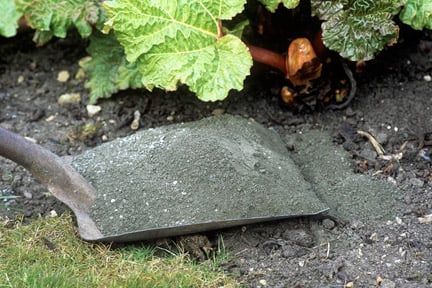
Wood ash – add small quantities of wood ash to liquid feeds to boost potassium levels. Potassium is highest in ash from young wood like coppice prunings. Add around 100g of sieved ash per 10 litres of homemade fertiliser concentrate, then dilute (see above). Don’t use on (acid-loving) plants such as rhododendrons, camellias and blueberries.
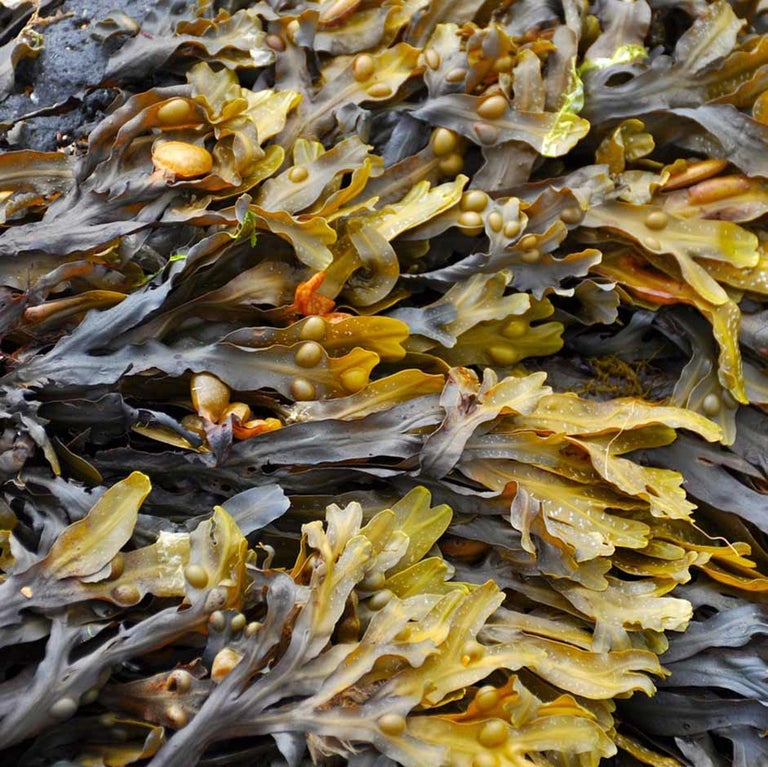
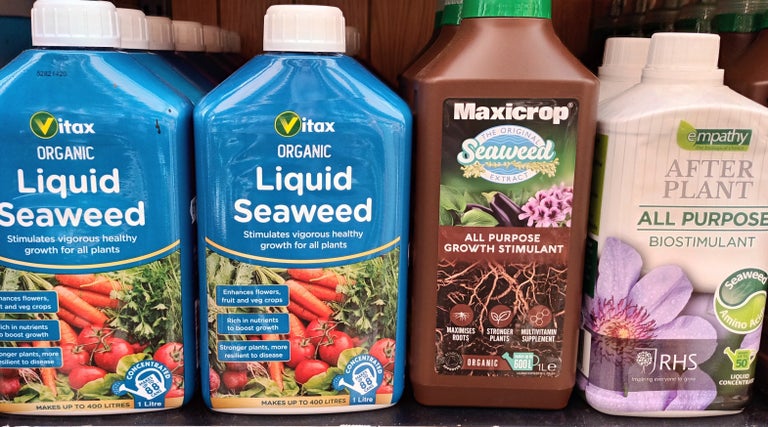
Fresh seaweed has long been used by coastal gardeners as a and plant feed, but there is no public right to collect seaweed, unless you own the beach and it's not a designated site of special scientific interest or a special area of conservation. If you plan to gather seaweed, it's always advisable to check with the landowner and the local council first.
Urine – when fresh, human urine is sterile and safe to use. Depending on diet, it contains nitrogen, phosphorus and potassium. Dilute with water at a ratio of 1:5 or 1:10 and use immediately. Do not store.