What can I do about climate change in my garden?
However small or large your garden is, there’s lots you can do to help combat the causes and effects of climate breakdown

How the destructive power of an extreme weather event uprooted giants and how communities came together in the face of adversity
Late afternoon on Thursday 8 January, an eerie calm settled over the far-west peninsula of Cornwall, land of myths and legends. By 2pm, the forecast had intensified to a red weather warning for hurricane-force winds, gusting to force 12. At 5pm many people received the severe weather alert on their phones. The winds started to build quickly and at around 6pm, just as we sat down to dinner (cooked early, just in case), they picked up dramatically. What came next, I can only describe as a crack, and within minutes the winds were audibly howling. Moments later, all the lights went out. Storm Goretti had arrived.
Brought up in the 70s in North Cornwall, I’m no stranger to power cuts and candlelit evenings. We hunkered down and played cards while the storm raged on around us. Through the north window, we thought we were watching an intense, electric storm. It turns out this was Newlyn’s power lines, being tossed about like boats on a rough sea.
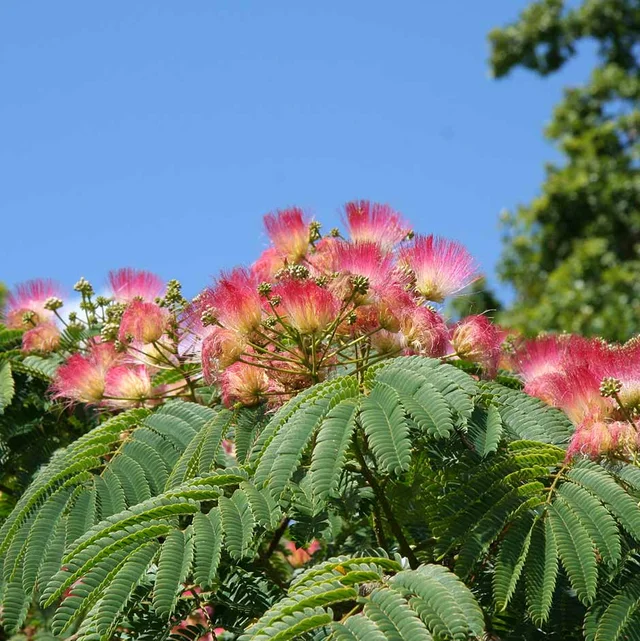
With windows and doors whistling, trying to see out into the darkness was difficult. We could see the smaller trees bent double, including a young mimosa tree, already in cheery yellow bloom. This tough cookie survived the night unscathed.
By morning, the brightening sky told its own story. Where a familiar wall of green once stood, there were now stark gaps in the treeline. Three large leylandii were down, their splintered limbs lying just metres from our neighbour’s house. A sobering thought that a change in wind direction could have seen these towering timbers fall on our own home.


Venturing outside, with power intermittent, the garden was strewn with the debris of the night – broken branches, roof slates, the parasol – but we were lucky, with no major damage. My husband and a neighbour quickly cleared a small ivy-laden tree from the lane, having narrowly missed our car. We could already hear the swarm-like buzz of chainsaws at work in the village of Paul, just above Mousehole on the far west coast of Cornwall.
Several statuesque pines, with the children’s swings still attached, had fallen like dominoes in the centre of the village, across the stream that in summer sees children and dogs playing. Friends, neighbours, even the children, were dressed warmly and had begun to clear roads and cars of branches. One immense tree lay across several vehicles.

The most tragic loss in our village was at the cemetery, where several pines, with girths over a metre had been toppled with seeming ease and now lay across old Cornish walls, blocking the road. Their fall had wrenched graves from the earth, their granite headstones twisted above the ground. A sombre sight that left us, and others, in quiet dismay.
On our way home, we met a friend in the village. He had thought (naively he admitted) he could outrun the storm to get home. The hurricane force winds escalated so rapidly that he couldn’t see in front of his face and had to take shelter behind the pub until it eased. A scary moment.

While National Grid worked to restore power to thousands of homes, Cornwall Council and tree surgeons quickly began clearing roads and we were able to see the full extent of devastation in the area. Driving gingerly along local roads, I saw valleys of trees at all angles. Lamorna, a famous artist’s haven, a tangle of fallen timber and every road a scene of destruction. Wind gusts were reported as reaching 123mph in Padstow, 111mph in St Ives and 99mph on The Isles of Scilly.
Then the stories started to flow. Gardens large and small had suffered huge losses; thousands of trees felled; homes crushed; and the tragic death of one man when a tree fell on his caravan.
On both the island of Trescoand St Michael’s Mount, around a hundred trees were reported down. The Tresco team refused to be beaten, writing, “Amid the sadness, there is also purpose. The loss of so many trees gives us the chance to think boldly: to replant with care, to plan for sustainability, to create the shelterbelts of the future with the environment firmly in mind. This is an opportunity to regenerate – not just for today, but for generations to come.”
At Trengwainton Garden, near Penzance, the Royal Meadow was littered with fallen trees and at Godolphin, Helston, around 300 trees fell. Tremenheere Sculpture Gardens near Penzancelost significant amounts of their lower woodland walk, sadly the home of a significant collection of Rhododendron, Schefflera and other choice trees and shrubs. At Trewithen Gardens near Truro, over 70 trees were lost.
Two local nurseries, Surreal Succulents, based at Tremenheere and Primal Plants near Hayle, who are well-known for exhibits at the RHS Shows, both lost polytunnels in dramatic fashion.
At Trebah Garden near Falmouth, head gardener Darren Dickey reported they lost around 30 large trees. Both here and at Glendurgan, the shelter belt did an incredible job of protecting the lower valley gardens.

With winds and heavy rain continuing to batter the southwest, more trees have come down since the storm. Many are weakened and at risk in future storms. With shelter belts taking the brunt of the weather, protection has been lost and needs replacing.
Pam Hayward, a member of the RHS Rhododendron, Camellia and Magnolia Group said, “The coming weeks will reveal just how many trees and precious plants beneath, succumbed to the wind in the south of the county. All the major gardens we have come to cherish in this part of Cornwall have suffered to a greater or lesser degree in this extraordinary weather event. Most are still working hard to clear the debris and assess their losses.”
Running a nursery or working in a garden can be brutal, but there remains a staunch sense of hope that gardeners will understand – that we live and work with nature; it drives our passion for horticulture, and we acknowledge the power and unpredictability that goes hand in hand with the joy of the blue-sky days. Days after Storm Goretti, the teams at Cornwall’s gardens were posting photos of them all just getting on with the task of clearing, with smiles on their faces.
Extreme weather events are something we may have to expect, but they are no less distressing when they happen. It is the communities who pull together and put things right who each deserve a medal. Gardens will recover. They will be replanted or rethought, with new schemes and new plants. Climate change is happening and as gardeners we have to adapt, learn and design for resilience.