
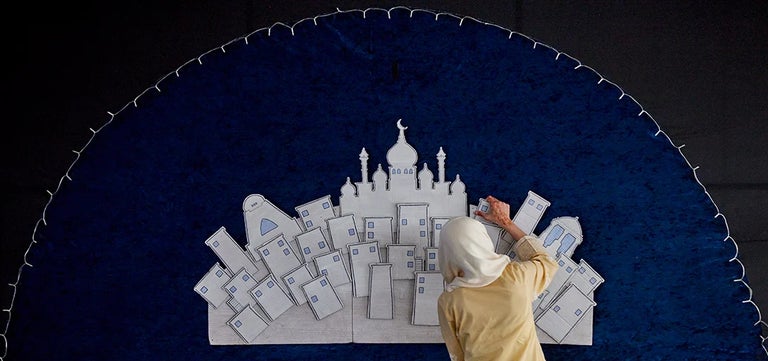
Reflections on gardening during Ramadan
Shaheen Rashid and volunteers of British Islamic Gardens and Asrar Ul-Haq from North West in Bloom share their reflections on gardening during Ramadan this year

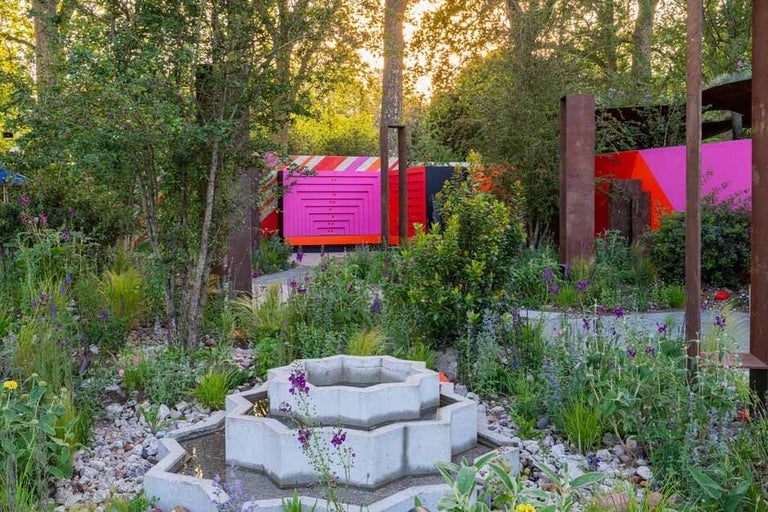
Drawing on the designer’s mixed heritage, Canon Lân – A Garden of Pure Heart is a space that speaks of peace, faith and connection with nature, aiming to engage all five senses
Originally created as a small Show Garden for BBC Gardeners’ World Live 2025 , Canon Lân – A Garden of Pure Heart now lives on at the National Waterfront Museum , in Wales. Welsh-Arab designer Emma Yousef hopes it becomes a welcoming space where people can connect regardless of their faith or background.

“When I designed this garden, I wanted it to be more than just a pretty space,” Emma Yousef said. “I wanted to create a place where I could feel close to nature, my faith and my family – and where people from all backgrounds could talk over a cup of tea.”
Born with a mixed heritage – her mum is from Mumbles, Wales and her dad from Baghdad, Iraq – she’s always felt proud of her origins. This blend of cultures is deeply rooted in the design of Canon Lân – A Garden of Pure Heart, which is inspired by the peaceful feel of Islamic gardens and the wild natural beauty of Wales.
“The Welsh influence is represented in a lighthouse mosaic, made using hand-cut glass tiles and styled with Celtic knotwork resembling Welsh slate,” Emma explained. Another tribute to her mum’s country is the fountain at the centre of this 3mx4m garden. Shaped as an eight-pointed star and made from reclaimed Welsh slate, the sound of flowing water not only soothes the soul but also reminds us of life’s essential connection. The name of the garden itself, Calon Lân, means ‘pure heart’ in Welsh and reflects Emma’s values, roots and the love she shares with her family.
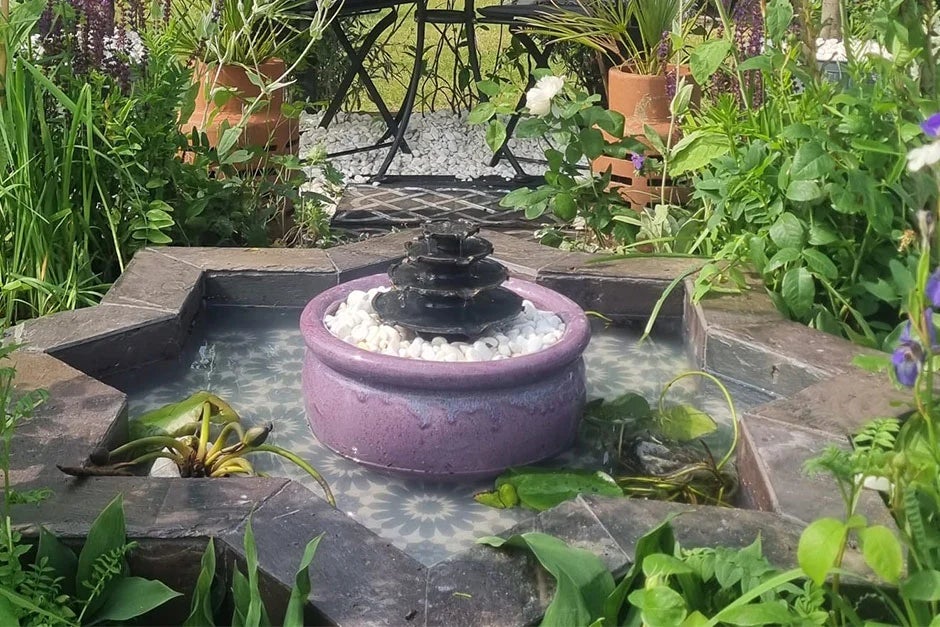
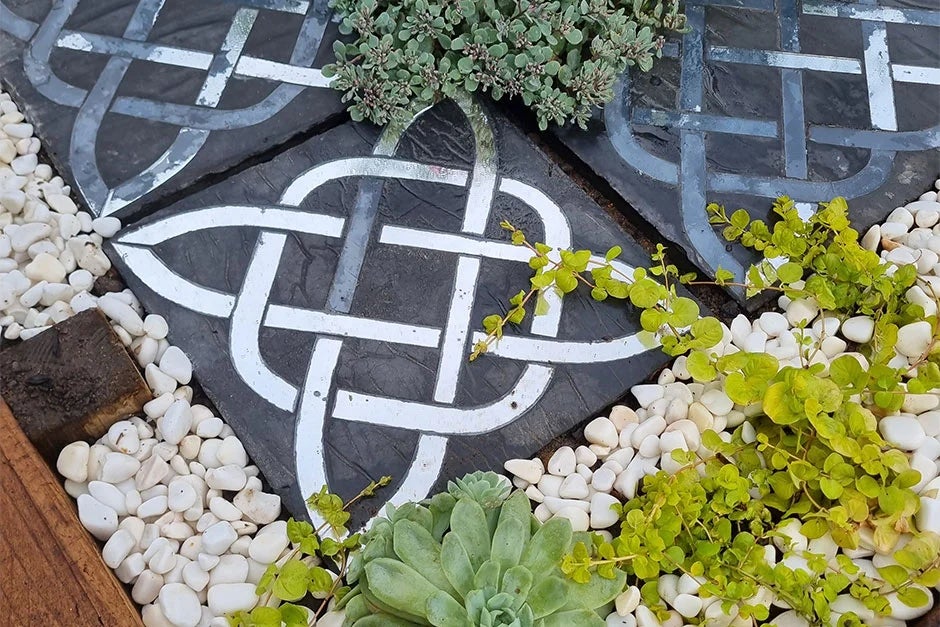
The Arabic influence is expressed through the geometry, planting and flowing water inspired by traditional Islamic gardens. “Islamic gardens are traditionally designed as an earthly reflection of paradise, intended to provide a space for contemplation, rest and connection with God,” Emma said. “Canon Lân reflects the Islamic principle of sakinah – tranquillity and stillness of the heart. The symmetry, water features and harmonious planting create a calming rhythm that encourages slowing down and being present.”

Another Islamic concept expressed throughout the garden is khalifah – ‘stewardship’ in English – which means that humans are entrusted with caring for the earth. This is represented through:
Guided by Islamic principles of environmental care, Canon Lân embraces sustainability with eco-friendly materials and plants suited to the British climate. The garden features highly-scented plants to create a calm, meditative environment whilst also attracting pollinators such as bees and butterflies.
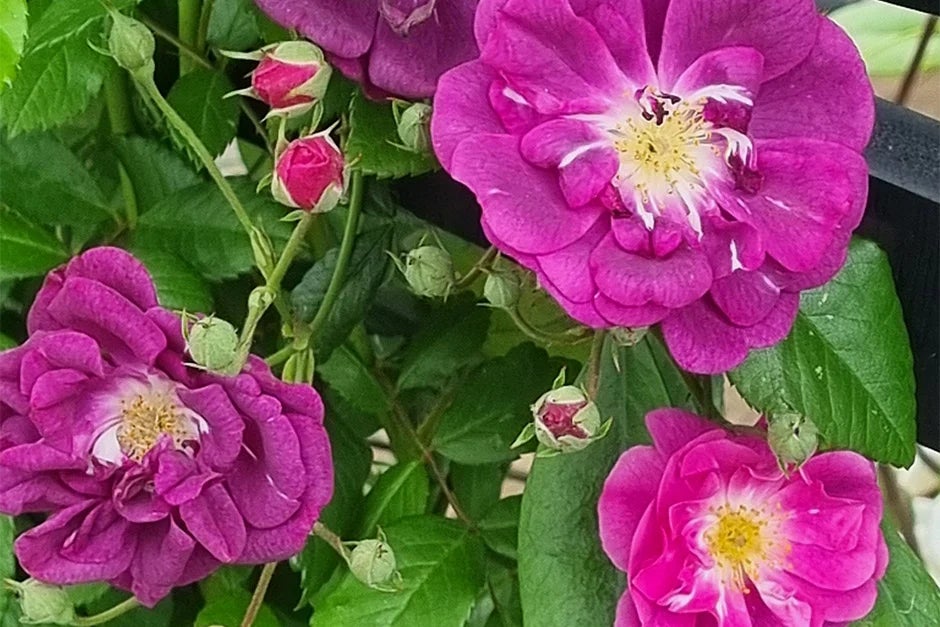
The garden is designed to engage all five senses. While sight is inspired by balanced geometry, detailed mosaics and harmonious planting, sound is evoked by the gentle trickle of water from the central fountain. Layers of scent come from roses, lavender and herbs, and edible plants and flowers invite visitors to ‘taste’ the garden. Last but not least, touch is incorporated though the smooth surfaces of the mosaics and the varied plant textures.
Star plants in Canon Lân – A Garden of Pure Heart
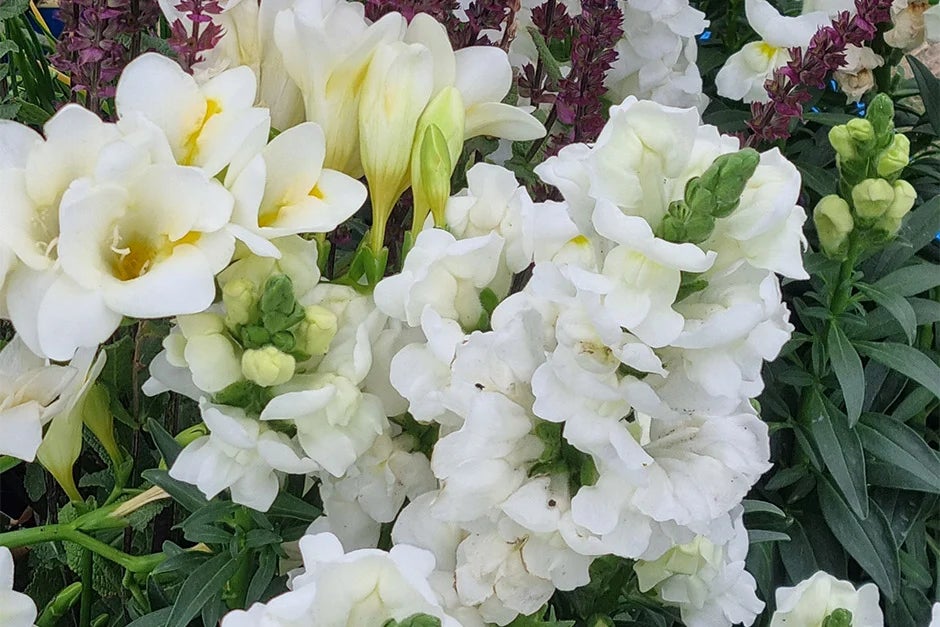
The garden is filled with plants that are both beautiful and meaningful:

Not only is Canon Lân ‘a garden of pure heart’ for the story it tells, but also for the process behind it. A mother of seven children, Emma was helped by her kids with the design and mosaic work. Her eldest son, Umar, helped choose the plants and grew many from seed and .
“One of the most meaningful parts is the heart-shaped mosaic that my children helped create – a symbol of their love and connection to the garden,” Emma said. “Building this space was a journey filled with meaning, creativity and family. It’s a family creation made with love – a real pure heart.”
After a temporary relocation to the National Waterfront Museum in Wales, Emma’s garden will be rebuilt and expanded at the EYST (Supporting Ethnic Minority People Across Wales) headquarters in Cardiff. This will allow it to support communities who share a story similar to Emma’s.