Getting Started
Extremely easy to grow, mint (Mentha) is a popular and versatile herb with aromatic leaves that can be harvested from spring to autumn.
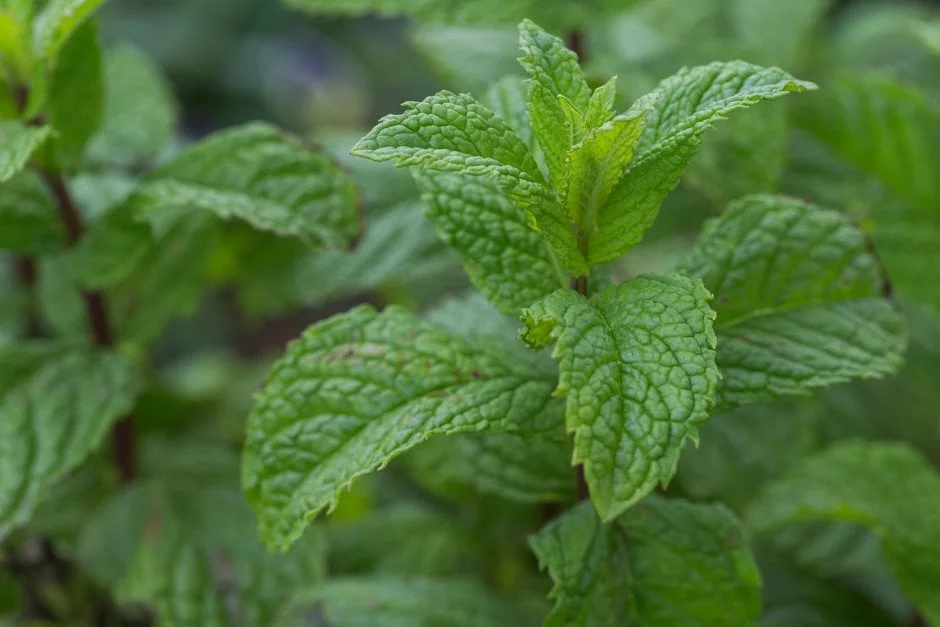
Mint comes in a range of flavours, and most are fully hardy, thriving in sun or partial shade in a range of soil types. Size and vigour differs according to species and variety, but many are vigorous, spreading plants, so are best grown in pots to keep them contained. It is a herbaceous , so it dies back over winter, then regrows every spring, living for many years. -rich purple, pink or white flowers appear in summer or early autumn and are beneficial to pollinating insects.
You can use mint in all kinds of dishes, including salads, sauces and desserts. You can scatter it over buttered new potatoes or peas, add it to ice creams, smoothies and cocktails, or infuse the leaves to make a refreshing tea.
Jobs to do now
Harvest
Divide established plants
Plant
Month by Month
Plant
Harvest


Choosing What To Grow
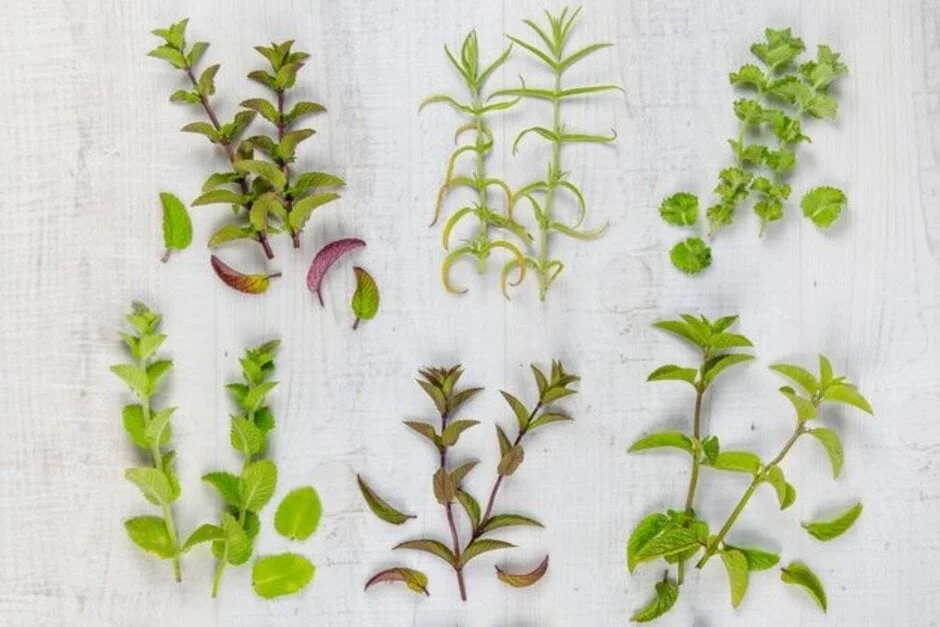
There are many species and varieties of mint to choose from and it’s well worth going to buy plants in person, so you can compare and choose your favourites. Traditional mints are spearmint (Mentha spicata) and peppermint (Mentha × piperita), but there are many other flavours, including lime mint , chocolate mint , apple mint and banana mint . The different mints can vary in appearance as well as aroma – with large or small leaves that may be downy, smooth or ruffled, purple-tinted or . The spikes of purple, pink or white flowers vary in height, as does the overall plant size and habit. A wide range of herbs, including mint, are grown in all the RHS gardens , so do visit them to view and compare plants.
There are an estimated 25 species of Mentha, along with numerous hybrids and cultivated varieties, and not all are suitable for culinary uses. Mentha pulegium (pennyroyal) is listed as ‘harmful if eaten’ in the HTA (Horticultural Trades Association) guide to potentially harmful plants . While some mints have medicinal and ornamental uses, they may be unpalatable, so buy from a reputable supplier to ensure you’re purchasing a correctly named plant suited to your intended use.
Various other aromatic plants are also commonly known as mint, such as catmint ( Nepeta ) and Korean mint ( Agastache rugosa ), although they’re not true mints (Mentha spp.).
What and where to buy
Mint is widely available as young plants or in spring and summer, from garden centres and online plant retailers. Herb nurseries usually stock a wide range of mints. You can also buy seeds, with the widest range of species offered by specialist herb retailers and larger seed companies.
Recommended Varieties


Sowing
Mint is easily propagated by division or (see Propagating below), so plants are relatively cheap to buy, but if you wish to grow mint from seed, it's best to sow indoors in spring.
Fill small pots or modular trays with damp peat-free . Scatter the seeds thinly on the surface and lightly press them down, there's no need to cover the seeds. Place them in a or cover with a clear plastic bag and keep them somewhere bright at around 20°C (68°F). should take about two weeks. When the have several leaves, move them into their own 7.5cm (3in) pot of peat-free multi-purpose .
Planting
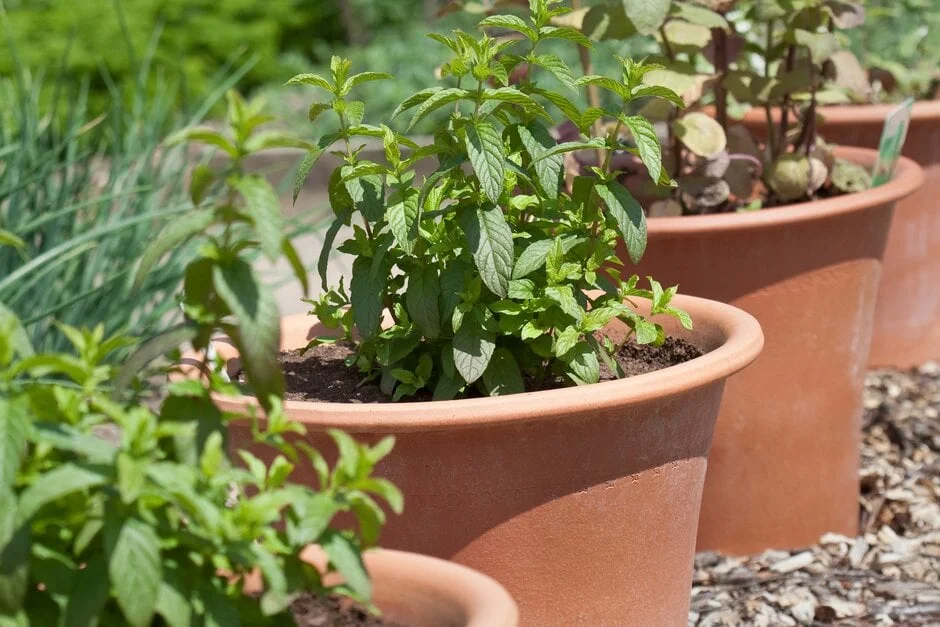
Young mint plants are available to buy all year round and can potentially be planted at any time, but will settle in best if planted in spring or autumn. Mint is happy in full sun or partial shade. Most mints can tolerate a range of soil types but it's generally best to plant mint in a container, to prevent the underground stems () spreading into surrounding soil. Fill the container with multipurpose or soil-based, peat-free .
If you want to grow mint in beds or borders, plant it in a bottomless container or a pot with large drainage holes and sink this into the soil. Leave the rim slightly above the surface to prevent shoots rooting over the top.
Mint is a vigorous plant with spreading rhizomes, so it should be repotted regularly – typically every few years, depending on the size of the container. Repot into a larger container, or divide an established clump and replant a section of it back into the same pot, see Propagating below.
Plant Care
Mint is easy to grow and maintain. Harvesting young leaves regularly helps to keep plants bushy and compact. Mint grown in containers needs dividing and repotting every few years, and watering during dry spells.
Watering
Plants in containers dry out more quickly than those in the ground, so check them regularly during the , especially in hot, dry weather. Add enough water to keep the evenly moist. You can reduce watering by moving pots to a shadier spot in hot weather. For water-saving tips, see our guides below.
Cutting back
When mint finishes flowering, cut the whole plant down to about 5cm (2in) from the base. This will encourage fresh shoots with delicious young leaves that you can start harvesting in just a few weeks.
Mint is a herbaceous , so naturally dies back over winter. Old, faded stems can be cut back anytime from late autumn until spring, just before new shoots emerge.
Propagating
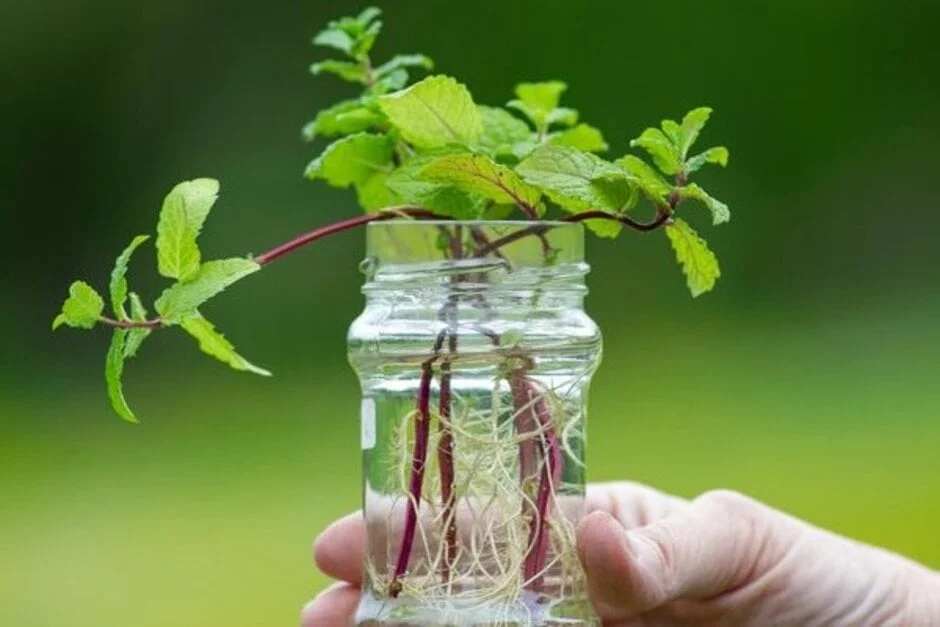
If you already have a mint plant, there are a few easy ways to propagate it. The methods listed below are forms of vegetative propagation, meaning the new plants will be the same as the parent plant. This is especially useful when varieties don't come true from seed.
- Divide established clumps in spring or autumn – simply cut the into several smaller sections with secateurs, a knife or a spade, discard any old dead parts in the centre, then pot up the smaller clumps (see Planting above). Do this every few years to ensure plants don't get too cramped in their pot and to encourage fresh, healthy growth
- Take softwood cuttings from new shoots in spring. Stems also root readily in a jar of water and can then be potted up
- Take from the underground stems () – see our video below. This can be done at any time of year, but if you do it indoors in November you can have fresh mint for Christmas
Harvesting
Mint leaves can be harvested from late spring to autumn, before the stems die back over winter. Pick regularly to keep plants compact and ensure they produce lots of fresh new growth. Choose the young, soft shoot tips for the most intense flavour. The more you pick, the more they’ll produce. To continue harvesting through winter, bring potted plants indoors in autumn and place them on a sunny windowsill. Alternatively, mint leaves can be frozen or dried – freezing preserves their flavour better.
Mint leaves can be added to many dishes, hot or cold, sweet or savoury – scatter chopped leaves over buttered new potatoes, add them to salads or make into mint sauce. Sprigs make a refreshing tea to aid digestion and can be added to summer drinks. The flowers are also edible and have a milder minty flavour.
Problem Solving
Mint is generally vigorous, healthy and trouble free. Controlling its spread is usually the main issue, so plant it in a container or bottomless bucket rather than letting it grow freely in the ground. To get rid of unwanted mint, dig out any shoots as soon as they appear, taking out as much of the and roots as possible, as mint can re-grow from small pieces left in the ground.
Mint rust can be a problem, and insects may occasionally cause some damage – see Common problems below for more details.
Common Problems


Blue mint beetle
The blue mint beetle, Chrysolina coerulans, was found breeding in Britain in 2011, it has now been found in southern and eastern England and in Edinbu...


