
Quick facts
Suitable for - Most herbs
Timing - sowing in spring
Difficulty - Easy
Suitable for...
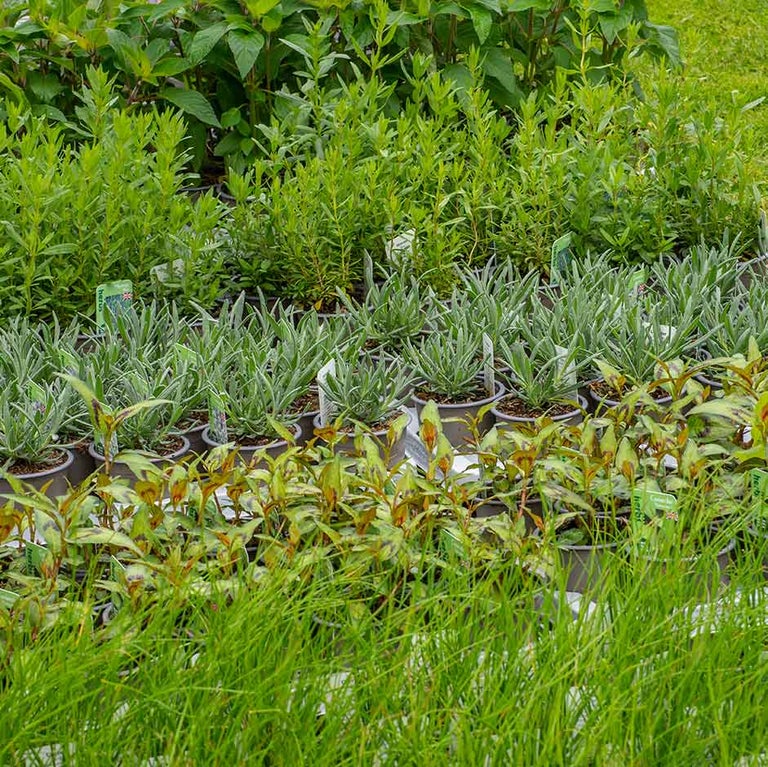
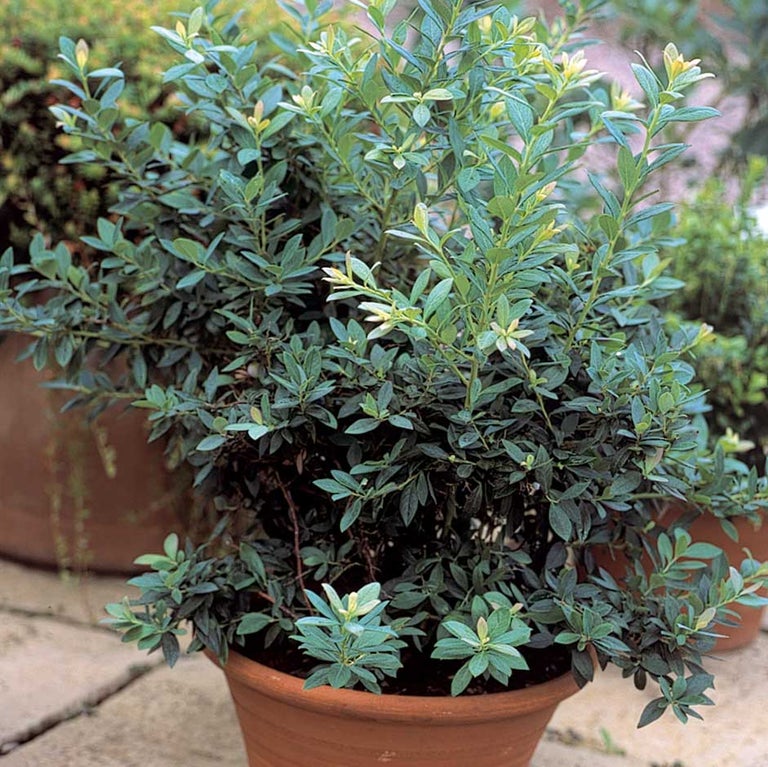
Most herbs are suitable for container cultivation. They can easily be sown from seed or bought from nurseries or garden centres. Beware of the pot-grown herbs offered in supermarkets, as they are usually grown under glass and are often too lush and stressed to adapt well to life outdoors.
When to plant herbs in a container
Sow tender herb seeds such as basil, marjoram, coriander, and tender such as French tarragon indoors in spring for planting outdoors after all risk of frost passes.
Some herbs can live outside all year once they are established. Try mint, oregano, rosemary, thyme and sage. These can be sown indoors as with the tender herbs, or sow them outdoors in May in containers.
Delay buying herb plants from garden centres until the weather warms up in late spring. Winter planted herbs are vulnerable to root damage in the cold wet potting media.
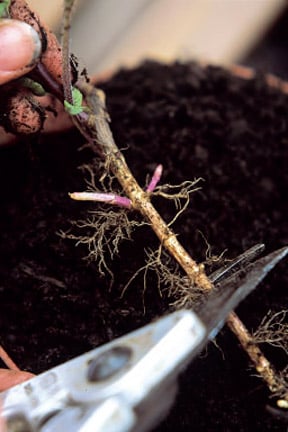
Herbs are usually straight forward to propagate.
How to plant herbs in a container
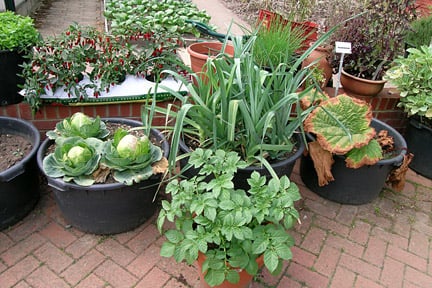
Choose containers which give herbs a deep root run where they can be left undisturbed. ‘Long tom’ pots have the required depth and look good massed together.
- Use a gritty, well-drained , adding up to 25 percent by volume of coarse grit or to a loam based compost such as John Innes No 1
- Keep the compost moist, but never soggy. Use balanced fertiliser to encourage leafy growth, rather than potassium-rich fertiliser that might promote flowering
- Mint relishes moist, fertile soil, but is not the happiest of herbs in a pot. Replant frequently, using generous pieces of root, into rich potting media, taking care to avoid overpotting. Whenever it looks straggly, lift roots and repot into fresh compost
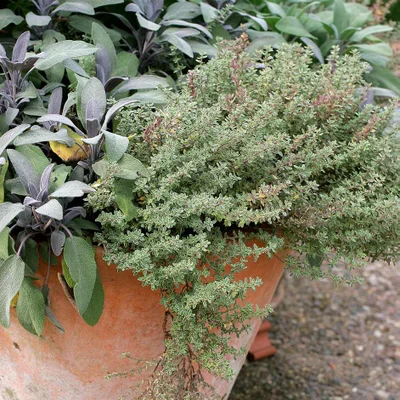
- Larger such as rosemary and sage can be left in containers for several years before repotting. Bay can also be most ornamental grown as a container plant, but use a loam-based John Innes No 3 compost
Overwintering herbs in a container
Some herbs die back in winter, for example French tarragon and mint. These and most herbs will look after themselves if placed where they cannot be frozen, saturated by rain or allowed to become too dry. Suitable places include in the rain shadow of walls, in a coldframe or even in an open fronted shed. A sheet of glass or plywood can keep off heavy rain in wet regions.
If very cold weather is forecast, protect containers from freezing by wrapping in bubble polythene.
Some tender herbs such as basil can only be grown if brought indoors into a warm, bright frost-free greenhouse, conservatory or a sunny windowsill.
Problems
Although herbs are largely trouble-free look out for rosemary beetle, sage leafhopper, slugs, snails and grey mould.
Herbs can easily rot off if overpotted.