Arbutus × androsterilis
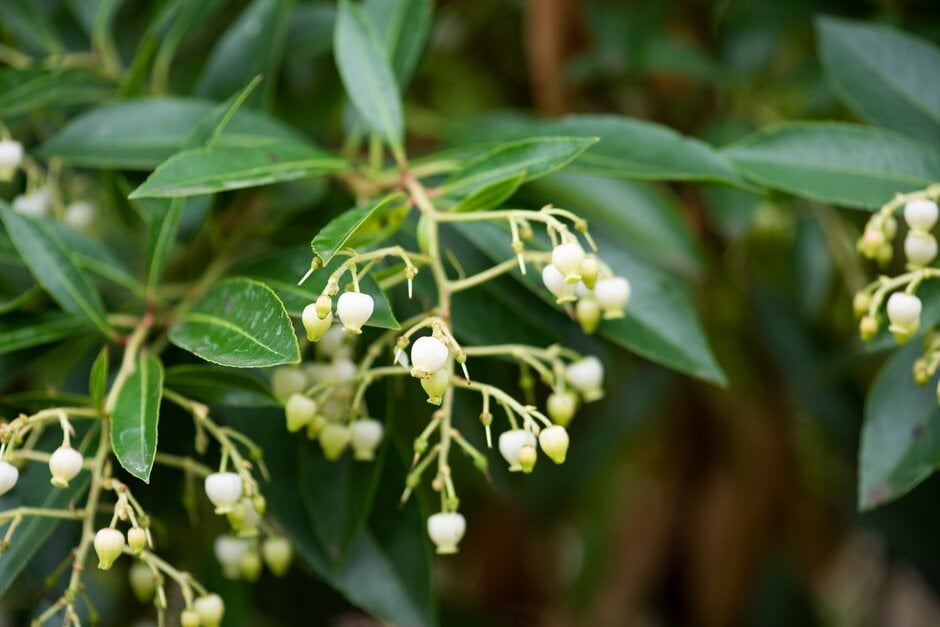
An evergreen, branching shrub or small tree with vigorous, dense growth and shiny, dark green leaves. Urn-shaped, white flowers are borne in hanging clusters in autumn. Whilst the fruits are edible and used to make jams and liqueurs in some countries, they are generally grown for ornamental purposes only in the UK
Buy this plant
Size
Ultimate height
4–8 metresTime to ultimate height
10–20 yearsUltimate spread
4–8 metresGrowing conditions
Moisture
Well–drainedpH
Acid, Neutral, AlkalineColour & scent
| Stem | Flower | Foliage | Fruit | |
| Spring | Green | |||
|---|---|---|---|---|
| Summer | Green | |||
| Autumn | White | Green | ||
| Winter | Green |
Position
- Full sun
Aspect
South–facing or West–facing
Exposure
Sheltered Hardiness
H5Botanical details
- Family
- Ericaceae
- Native to GB / Ireland
- No
- Foliage
- Evergreen
- Habit
- Bushy, Spreading branched
- Potentially harmful
- Fruit are ornamental - not to be eaten. Wear gloves and other protective equipment when handling Pets: Fruit are ornamental - not to be eaten - see the HTA guide to potentially harmful plants for further information and useful contact numbers
- Genus
Arbutus are evergreen trees and shrubs with small, bell-shaped creamy-white or pink flowers, and red, strawberry-like fruits in autumn
- Name status
Correct
- Plant range
- Canary Islands
How to grow
Cultivation
Grow in humus-rich, well-drained soil in full sun, sheltered from cold winds
Propagation
Propagate by semi-ripe cuttings in summer
Suggested planting locations and garden types
- City and courtyard gardens
- Coastal
- Cottage and informal garden
- Mediterranean climate plants
- Low Maintenance
Pruning
Pests
May be susceptible to aphids
Diseases
May be susceptible to arbutus leaf spot and honey fungus
Get involved
The RHS is the UK’s gardening charity, helping people and plants to grow - nurturing a healthier, happier world, one person and one plant at a time.