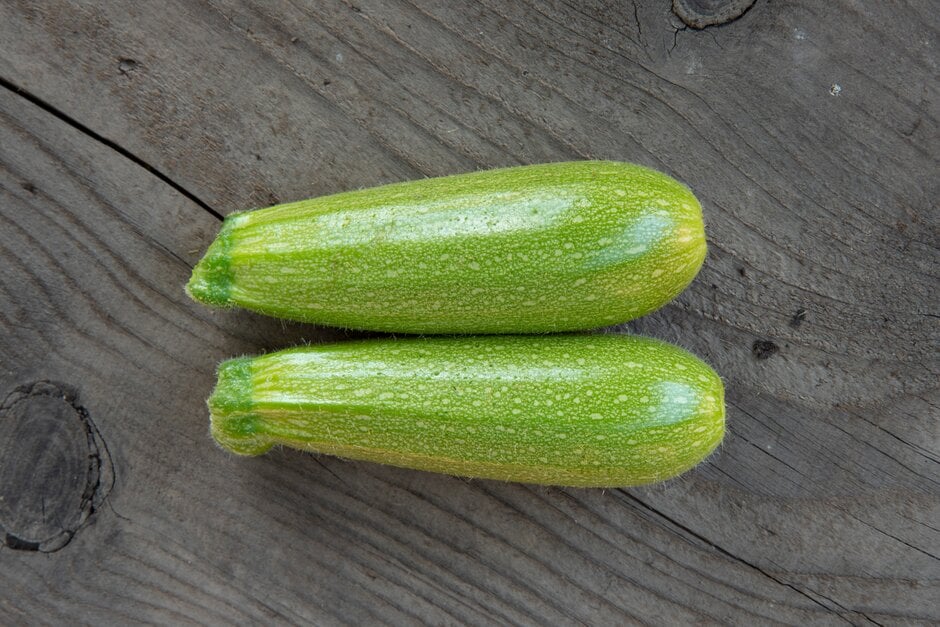
Cucurbita pepo 'Lorea'

RHS Plant Profile
courgette 'Lorea'
courgette 'Lorea' RHS
Award of Garden MeritPlants for pollinators
Annual Biennial

This productive French variety of courgette has a sweet, delicate taste and is versatile in the kitchen. The pretty fruit are often referred to as ‘white’ but are in fact a very pale light green and cylindrical in shape. It’s a semi late variety, so you can be harvesting from July until October.

Position

Full sun

Soil Types

Loam, Sand, Clay, Chalk

Max Height

0.5-1 metres

Max Spread

1-1.5 metres

Size

Time to Maturity
1 year
Max Spread
1-1.5 metres
Max Height
0.5-1 metres

Growing Conditions

Loam Sand Clay Chalk
Moisture
Moist but well–drained
pH
Acid or Neutral

Position

Full sun
Aspect
East–facing or South–facing or West–facing
Exposure
Sheltered
Hardiness
H2

Colour & Scent

Season Stem Flower Foliage Fruit
Spring
Summer
Autumn
Winter

Botanical Details

Family
Cucurbitaceae
Native to GB/Ireland
No
Foliage
Deciduous
Habit
Bushy
Potentially harmful
Humans/Pets: If crop is bitter, don't eat or feed to pets. Wear gloves and other protective equipment when handling
Genus
A small genus of climbing or trailing, annual herbaceous fruits. Several edible species are cultivated for food and other uses. Native to Central and South America. Solitary, star-shaped flowers are usually golden-yellow. Leaves are palmately lobed, covered with tiny, prickly hairs
Name Status
Accepted

How to Grow

Cultivation

Grow in a sunny spot in rich, well-drained soil. Enrich soil with well rotted horse manure or compost during the previous autumn or that spring. Courgettes prefer acidic to neutral soil so adjust pH if neccessary. Courgettes are thirsty and hungry plants so need regular watering and a feed every 10–14 days with a high potassium liquid fertiliser, such as tomato feed, once the first fruits start to swell. Harvest July to October. See courgette cultivation for futher information.

Propagation

Propagate by seed. See sowing vegetable seeds or sowing seeds indoors for further advice

Suggested planting locations and garden types

  • Patio and container plants
  • Wildlife gardens

Pruning

No pruning required. Regular harvesting extends cropping.

Pests

May be susceptible to slugs and snails.

Diseases

May be susceptible to aphids, Powdery mildews, downy mildews and grey moulds.