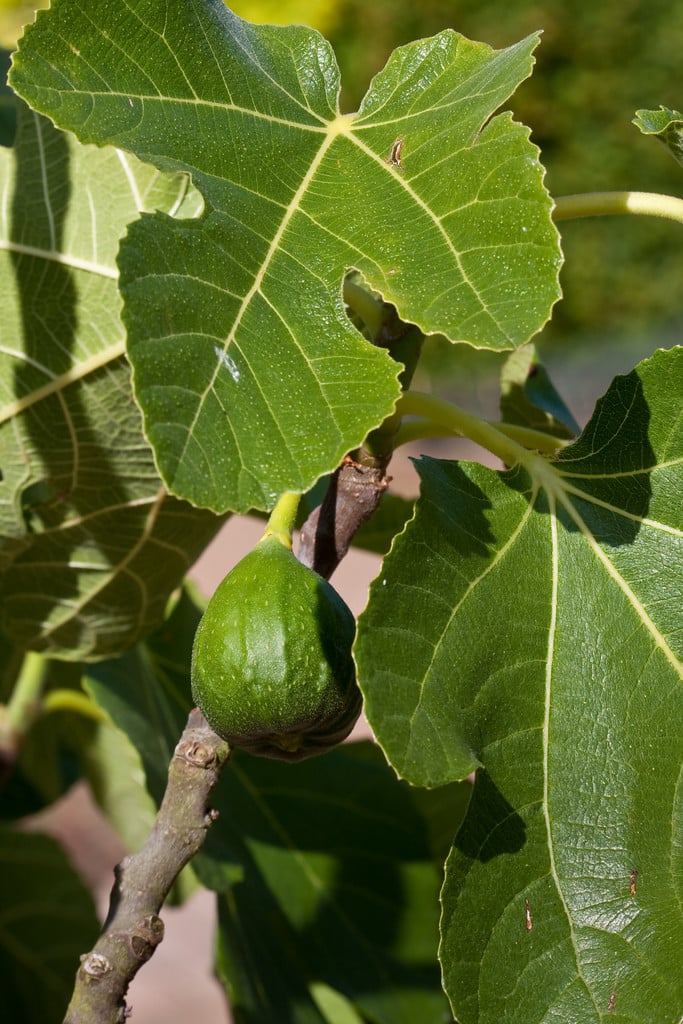
Ficus carica 'White Marseilles' (F)

RHS Plant Profile
fig 'White Marseilles'
fig 'White Marseilles' RHS

Synonyms

Ficus carica 'White Genoa'

Shrubs Fruit Edible

A large, deciduous shrub with bold, deeply-lobed leaves and insignificant flowers followed by pale green, edible fruit . Usually one crop of fruit per year, but sometimes two in a hot summer or under protection. Many cultivated varieties of fig have been developed from this species.

Position

Full sun

Soil Types

Chalk, Loam, Sand, Clay

Max Height

2.5-4 metres

Max Spread

2.5-4 metres

Size

Time to Maturity
10–20 years
Max Spread
2.5-4 metres
Max Height
2.5-4 metres

Growing Conditions

Chalk Loam Sand Clay
Moisture
Moist but well–drained or Well–drained
pH
Alkaline or Neutral

Position

Full sun
Aspect
South–facing or West–facing
Exposure
Sheltered
Hardiness
H4

Colour & Scent

Season Stem Flower Foliage Fruit
Spring
Summer
Autumn
Winter

Botanical Details

Family
Moraceae
Native to GB/Ireland
No
Foliage
Deciduous
Habit
Bushy
Potentially harmful
Humans/Pets: Harmful to skin with sunlight. For further information and contact numbers regarding pets, see the HTA guide to potentially harmful plants
Genus
Ficus can be evergreen or deciduous trees, shrubs or climbers, with often leathery, simple, entire or lobed leaves and tiny flowers borne within a hollow receptacle which enlarges to form the fruit
Name Status
Accepted
Horticultural Group
This genus produces fruit, but not necessarily edible fruit

How to Grow

Cultivation

Best grown fan-trained against a warm wall or fence, using a root restriction method such as a box of paving slabs with the bottom filled with a warm layer of rubble or broken crocks. Also suitable for cultivation in a container. See fig cultivation

Propagation

Propagate by hardwood cuttings

Suggested planting locations and garden types

  • City and courtyard gardens
  • Architectural
  • Cottage and informal garden
  • Mediterranean climate plants
  • Wall side borders

Pruning

In mid-spring remove a proportion (1/4 to 1/3) of older branches

Pests

May be susceptible to glasshouse red spider mite, thrips, mealybugs and scale insects under glass

Diseases

May be susceptible to honey fungus