Lavandula × intermedia Exceptional ('Hilav')
lavender [Exceptional]
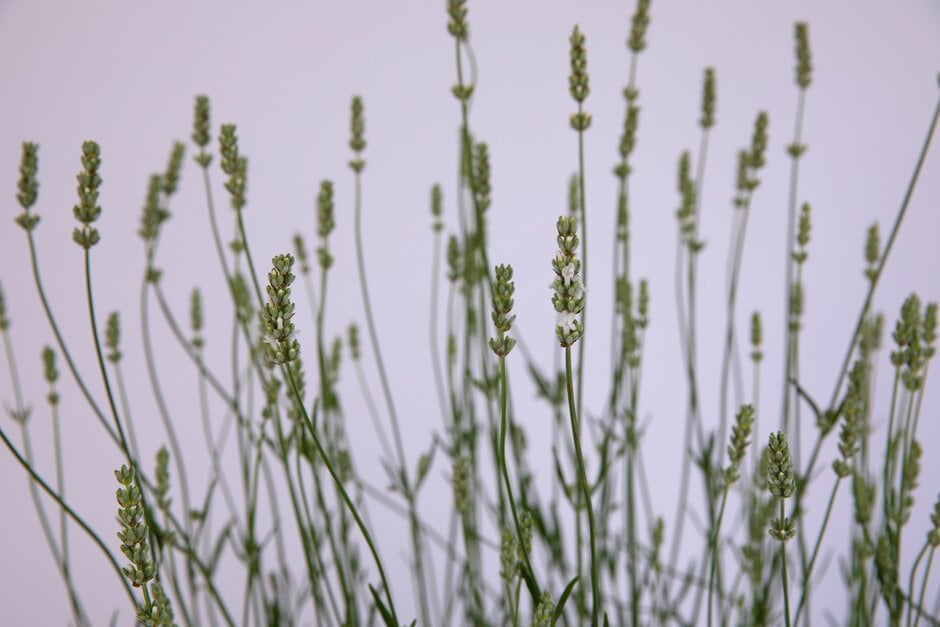
A bushy evergreen shrub, with linear, aromatic silvery-grey leaves. Spikes of scented white flowers are borne on slender stems from late spring or early summer until the first frosts
Size
Ultimate height
0.1–0.5 metresTime to ultimate height
2–5 yearsUltimate spread
0.1–0.5 metresGrowing conditions
Moisture
Well–drainedpH
Acid, Alkaline, NeutralColour & scent
| Stem | Flower | Foliage | Fruit | |
| Spring | Grey Silver | |||
|---|---|---|---|---|
| Summer | White | Grey Silver | ||
| Autumn | White | Grey Silver | ||
| Winter | Grey Silver |
Position
- Full sun
Aspect
South–facing or West–facing
Exposure
Exposed or ShelteredDrought resistance
Yes Hardiness
H5Botanical details
- Family
- Lamiaceae
- Native to GB / Ireland
- No
- Foliage
- Evergreen
- Habit
- Bushy
- Genus
Lavandula are small aromatic evergreen shrubs with usually narrow, simple, entire, toothed or lobed leaves and small tubular flowers in dense spikes in summer
- Name status
Trade
How to grow
Cultivation
Grow in full sun in well-drained soil; will not tolerate waterlogging. See lavender cultivation for more advice
Propagation
Propagate by semi-hardwood cuttings in summer. See our video How to take lavender cuttings for more advice
Suggested planting locations and garden types
- City and courtyard gardens
- Cottage and informal garden
- Gravel garden
- Patio and container plants
- Wildlife gardens
- Banks and slopes
- Cut flowers
- Flower borders and beds
Pruning
Pruning group 10; deadhead after flowering and trim foliage in spring. Avoid cutting back into old wood
Pests
May be susceptible to rosemary beetle and spittlebugs
Diseases
May be susceptible to grey moulds (Botrytis) and honey fungus (rarely)
Get involved
The Royal Horticultural Society is the UK’s leading gardening charity. We aim to enrich everyone’s life through plants, and make the UK a greener and more beautiful place.