RHS / Tim Sandall
Appearance
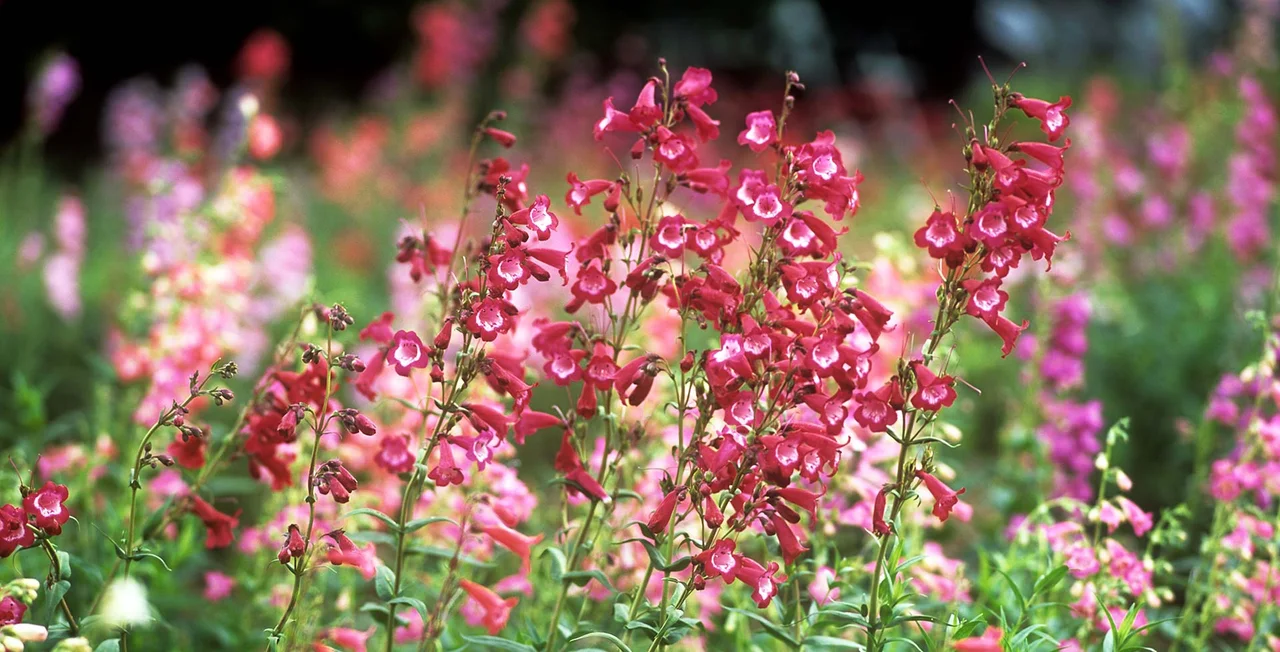
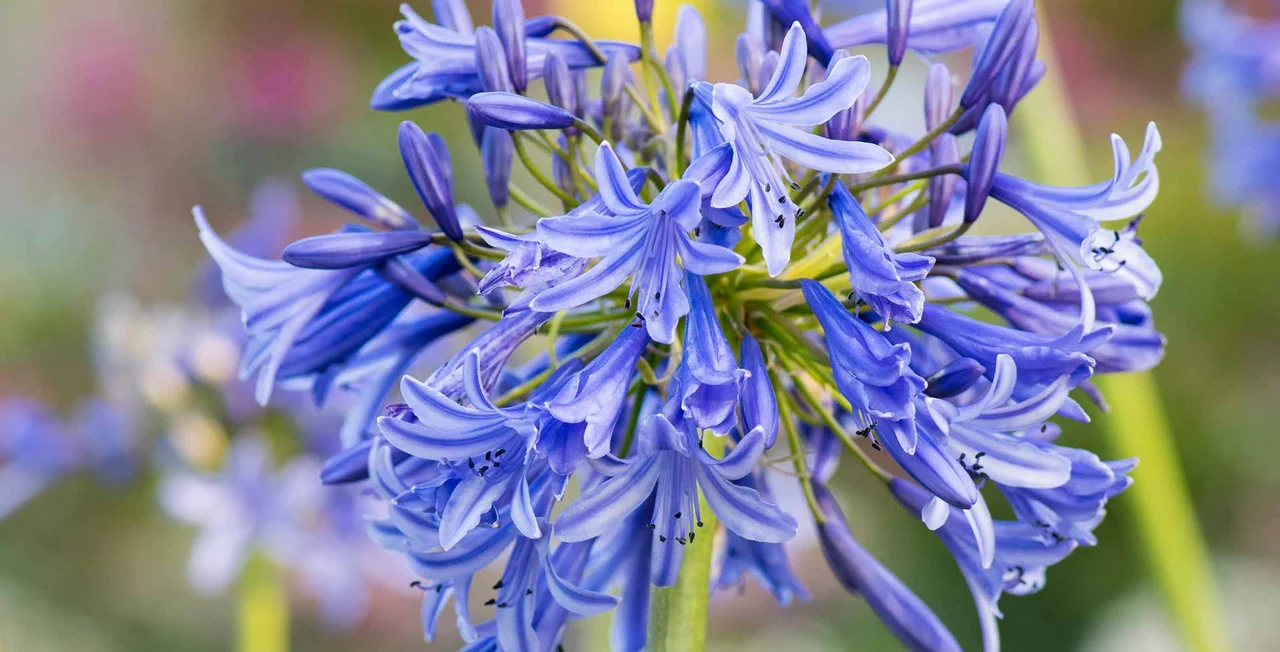
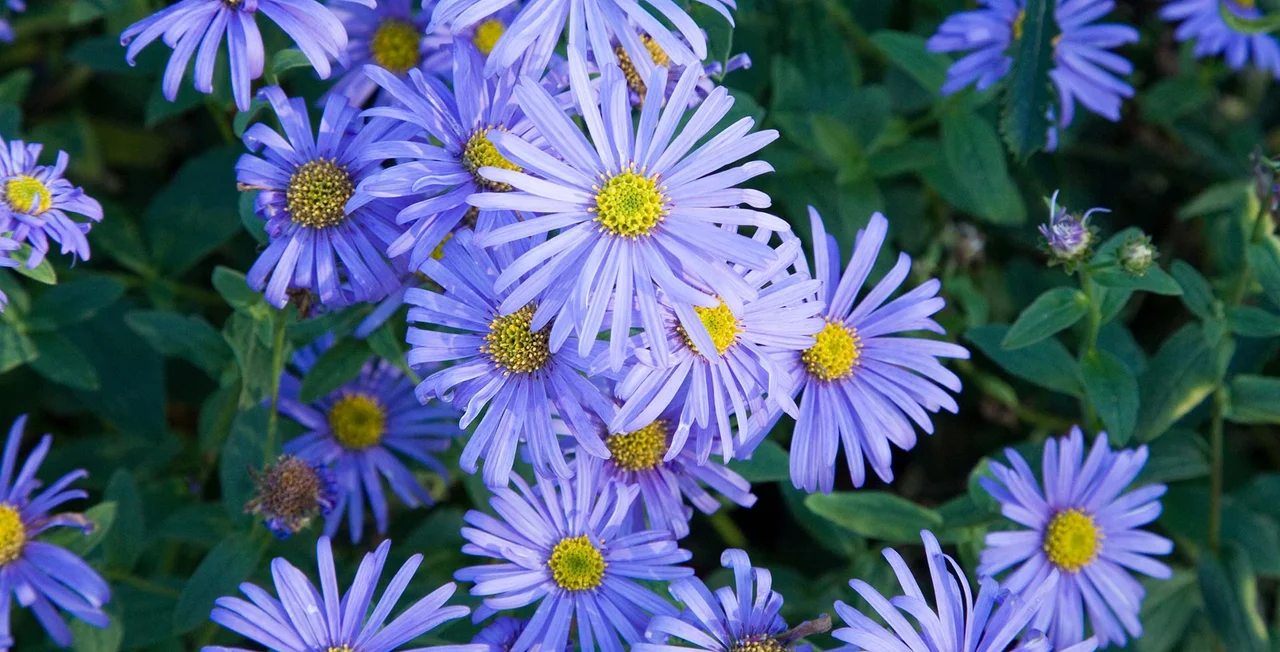
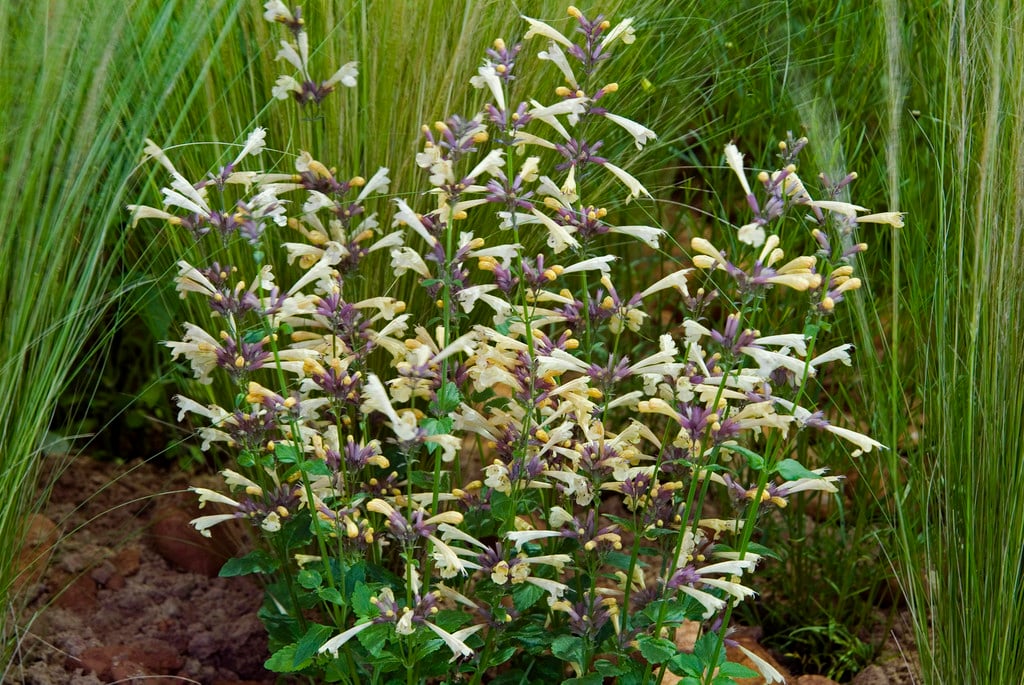
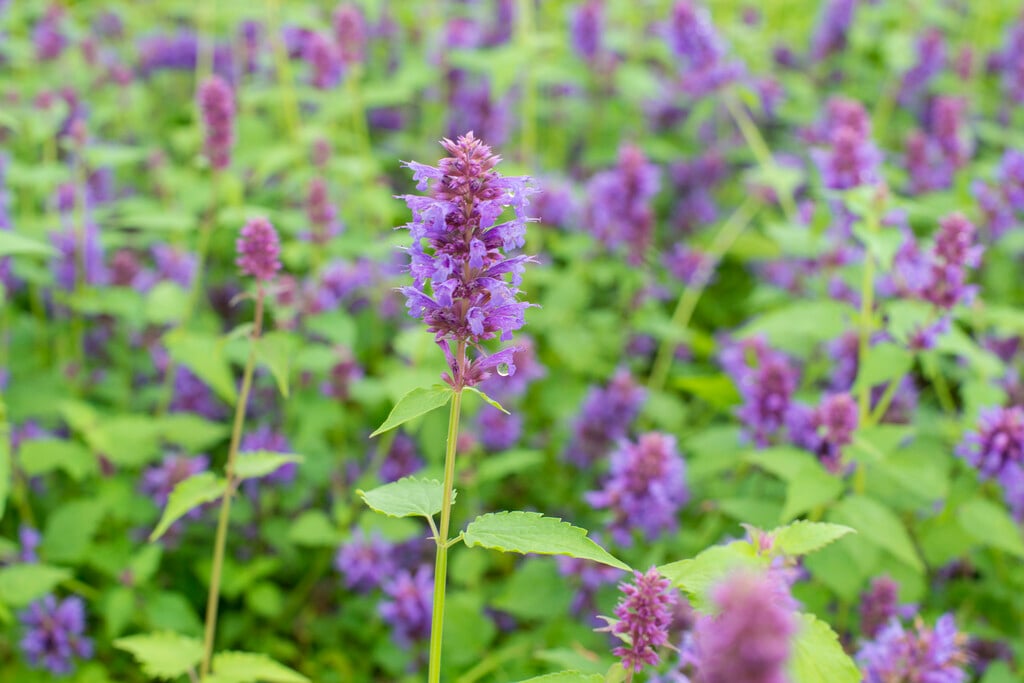
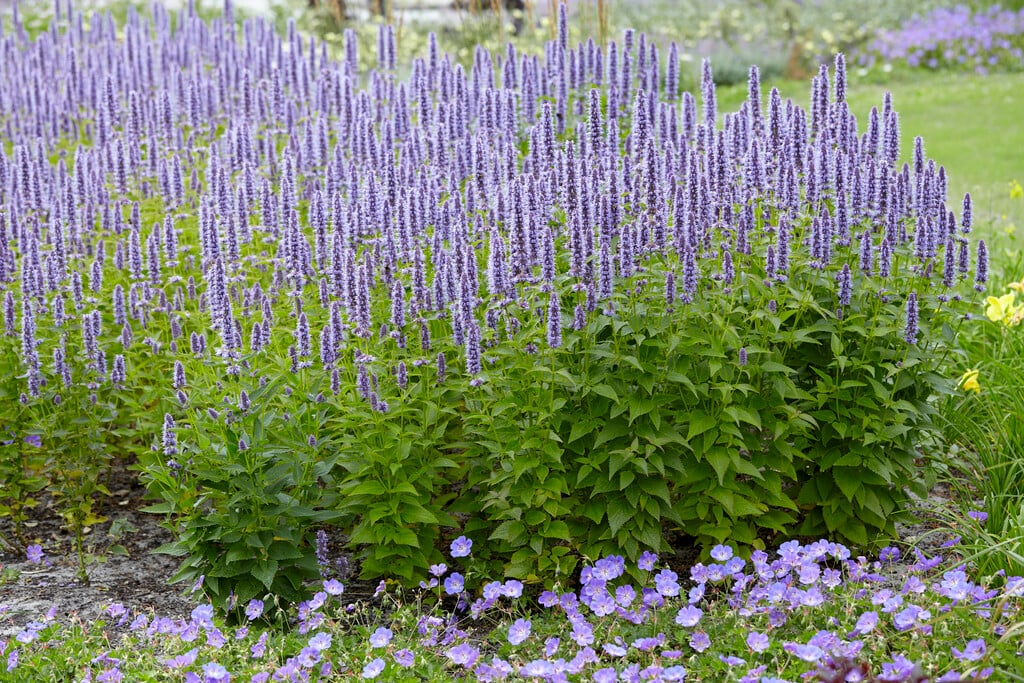
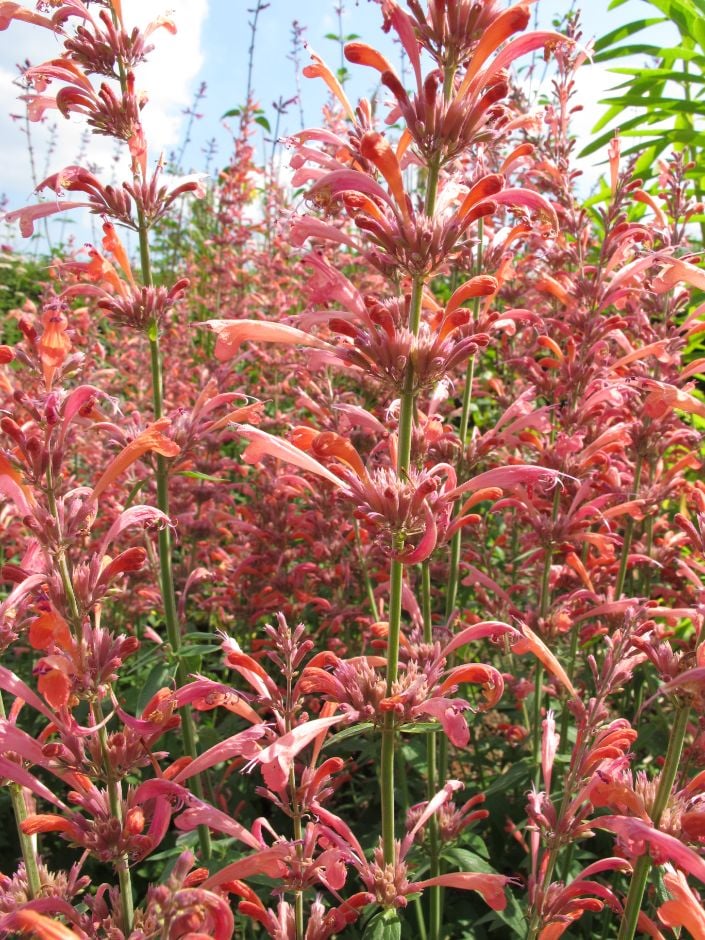
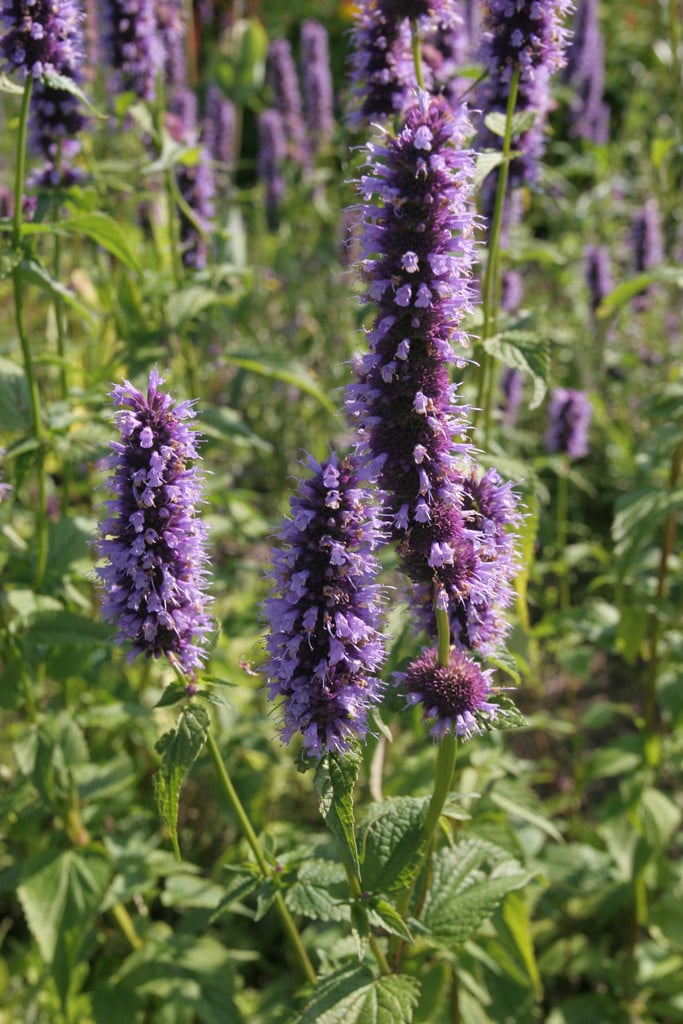
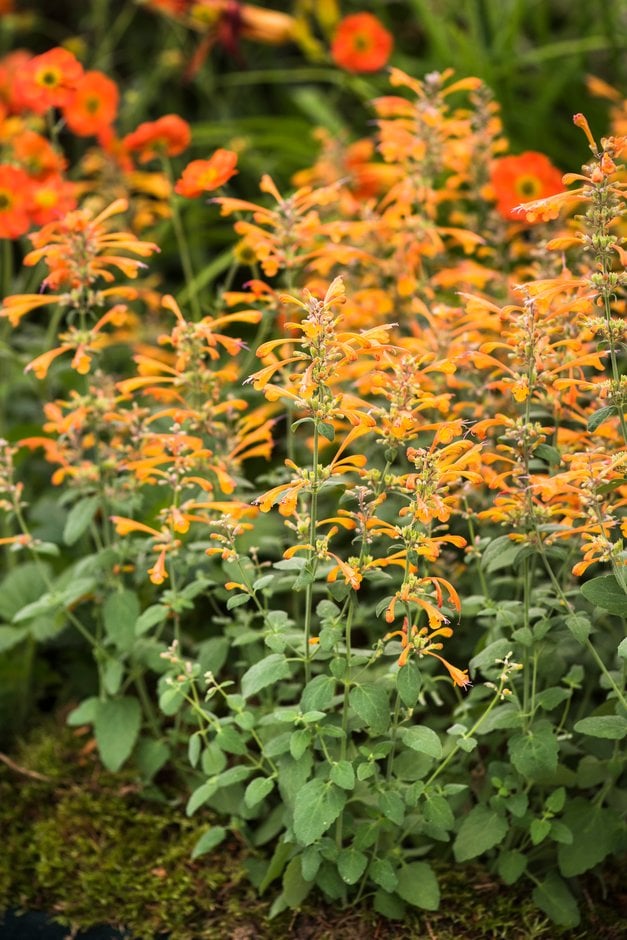
The tall, upright herbaceous border perennials usually have spires of rich violet-blue flowers. The tender, often woody based types are often grown as an annuals and come in a range of warm shades including apricot. The foliage is usually aromatic and green, greyish-green or bronze-tinged.
Preferences
These plants like full sun and fertile soil that drains easily.
Dislikes
Agastache will rot in wet soil and it’s best to avoid shade for the best flowering. The woodier species will not tolerate hard frosts.
Did you know?
Agastache are one of the very best plants for attracting bees to your garden.
RHS Growing Guide
FREE
Read our comprehensive free RHS Growing Guide:
How to grow perennial plants

Introducing Agastache
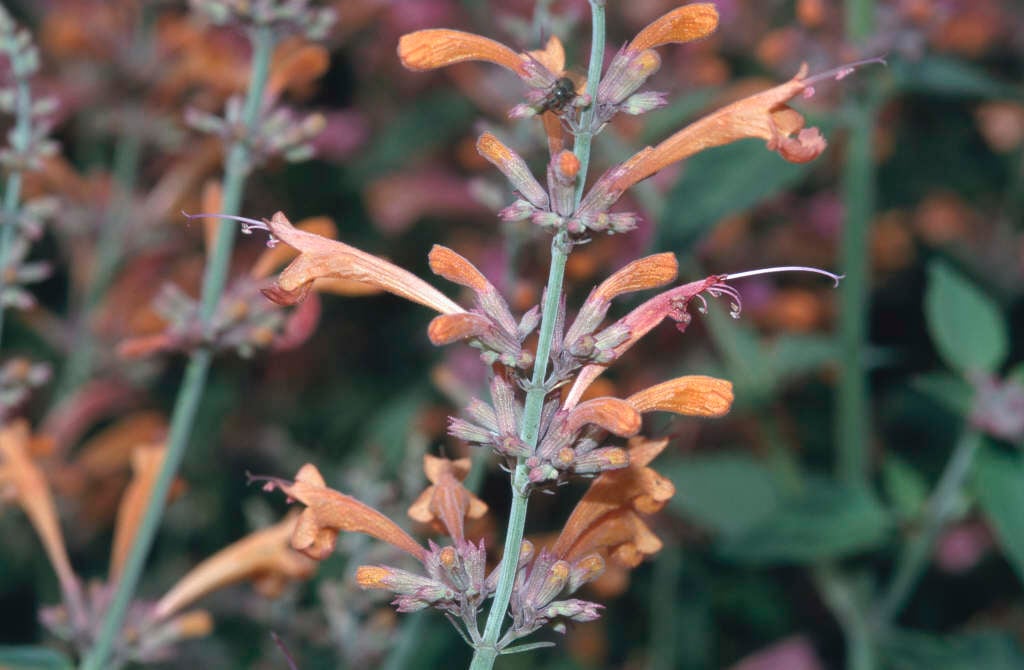
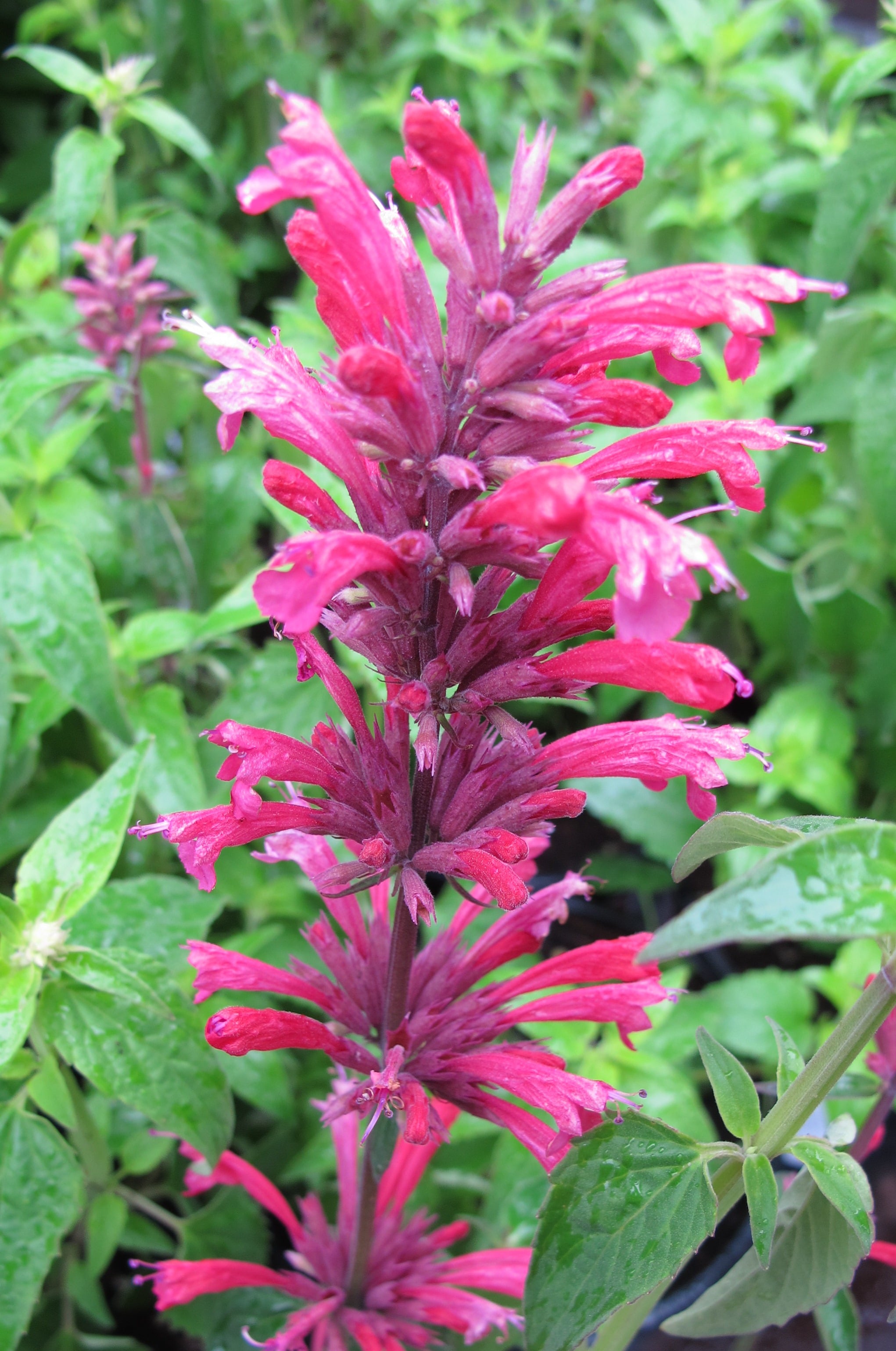
Agastache mexicana 'Red Fortune'PBR
Mexican giant hyssop 'Red Fortune'
- Height
- 0.5–1 metres
- Width
- 0.1–0.5 metres
x of x