RHS / Tim Sandall
 Appearance
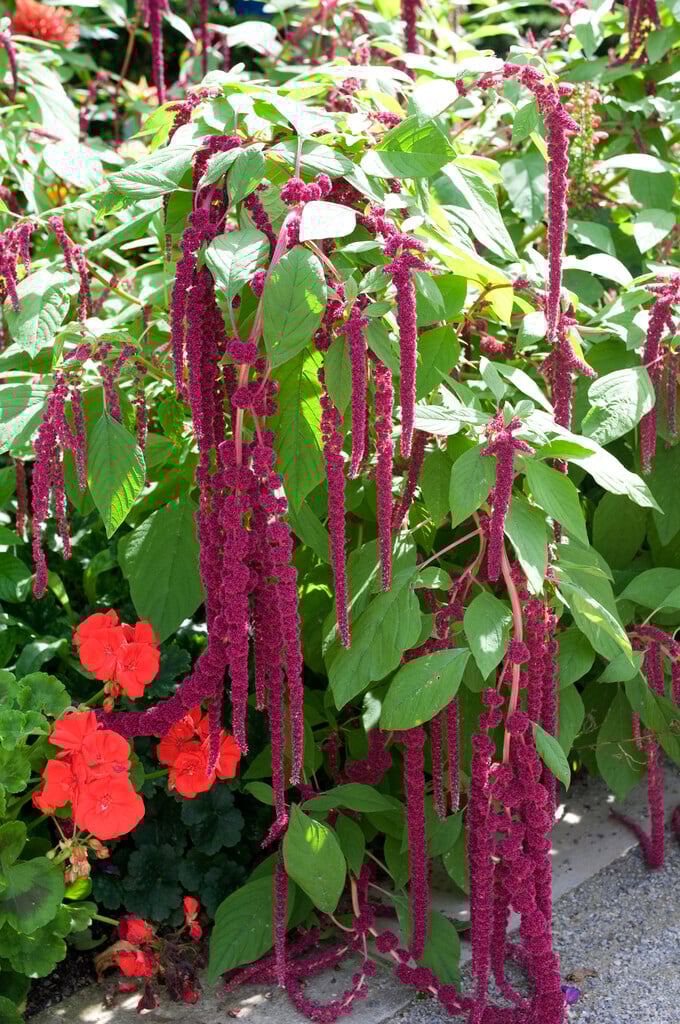
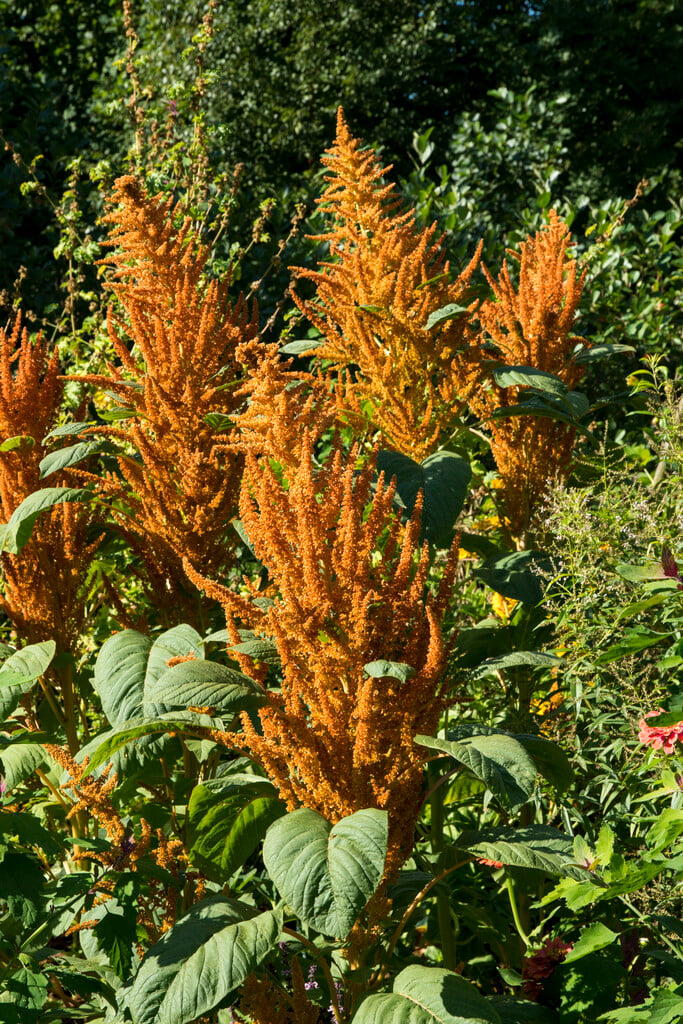
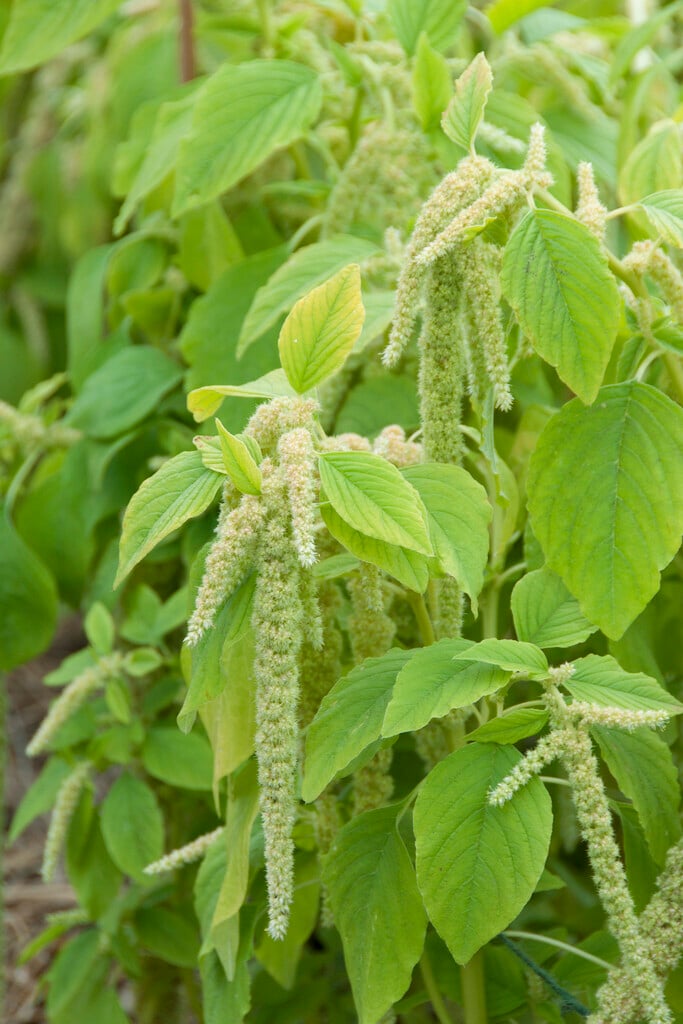
Amaranths come in a wide range of forms, but most have long, drooping or tall, upright flower spikes, in deep crimson, burgundy, lime green or gold. The foliage can be equally striking, with broad, green, red or purple leaves that give a lush, tropical appearance. They flower from midsummer to early autumn, with some varieties reaching over 1.5m tall.
Preferences
Amaranths prefer full sun and well-drained soil, in a warm, sheltered site. While not fussy about soil type, adding organic matter will promote strong growth. In the vegetable garden, amaranths grown for grain or leaves benefit from consistent moisture and good air circulation.
Dislikes
They dislike cold, wet soils and will not survive frost. They will also struggle in shade, showing weak growth and poor flowering and/or foliage colour.
Did you know?
Grain amaranth has been cultivated for thousands of years in the Americas and was a staple food for the Aztec peoples. Both leaves and seeds of some species are still enjoyed today.
RHS Growing Guide
FREE
Read our comprehensive free RHS Growing Guide:
How to grow annuals and biennials

Introducing Amaranthus
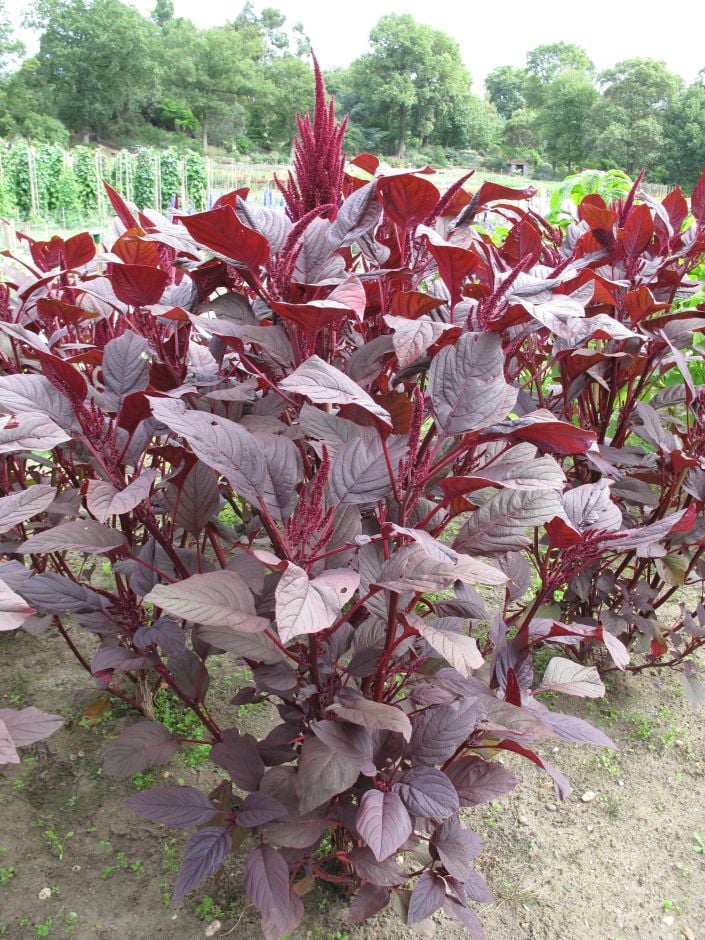
Amaranthus cruentus 'Velvet Curtains'
prince's feather 'Velvet Curtains'
- Height
- 0.5–1 metres
- Width
- 0.5–1 metres
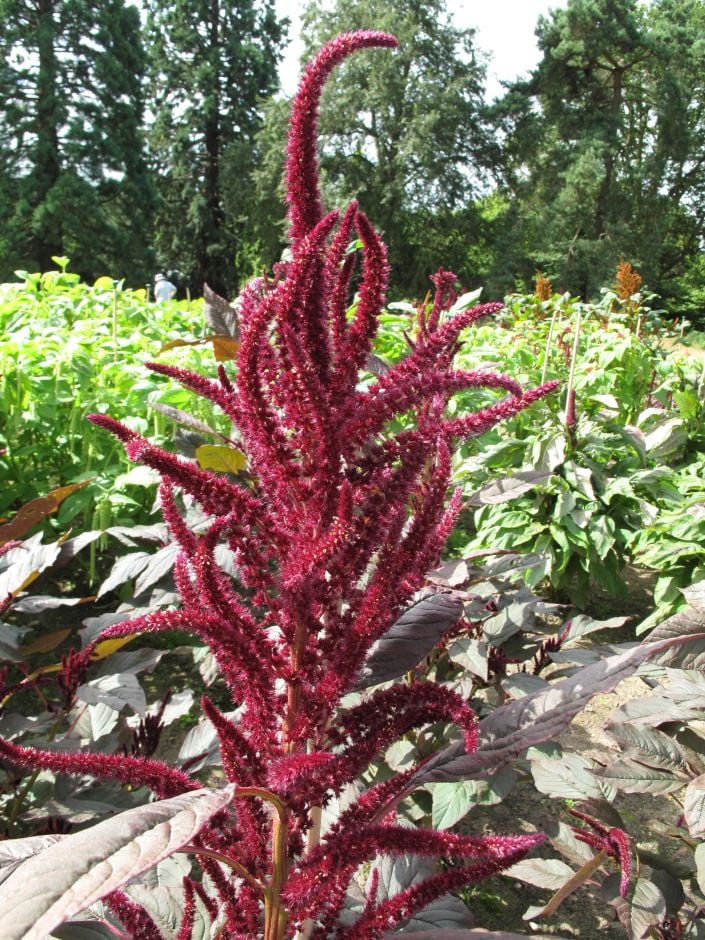
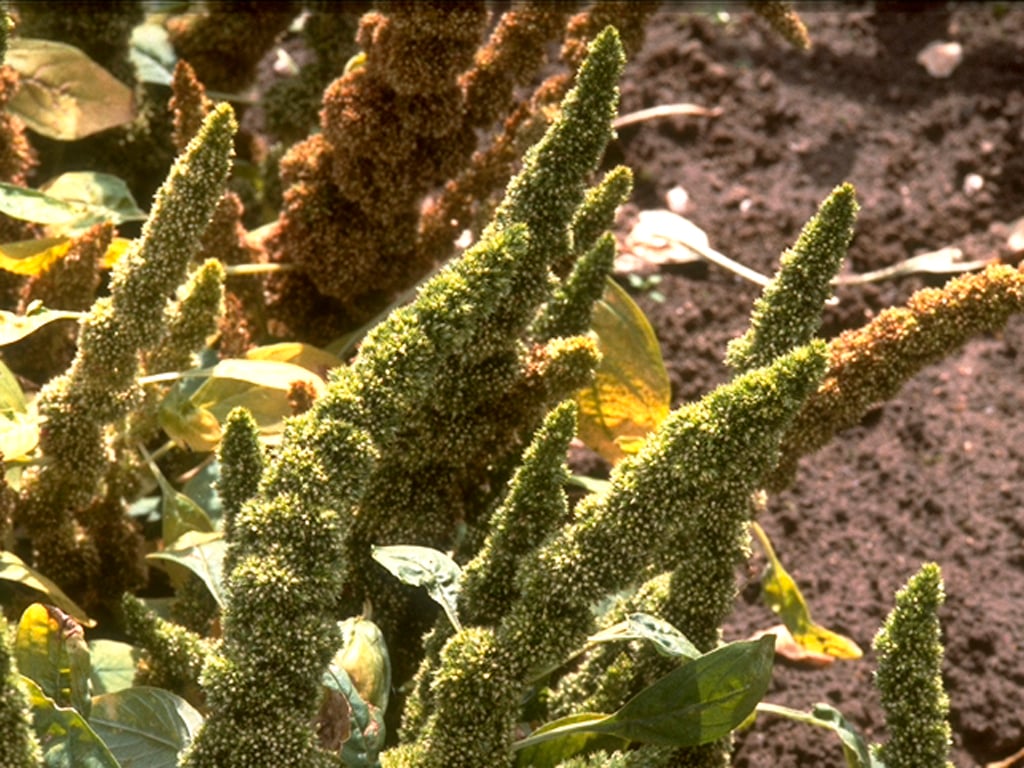
Amaranthus hypochondriacus 'Green Thumb'
prince's feather 'Green Thumb'
- Height
- 0.5–1 metres
- Width
- 0.1–0.5 metres
x of x
Showing
x to x
of x