Quick Facts
Birch trees can be small, medium or large
1
Many have attractive bark in shades of white, peach or mahogany
2
Catkins appear in spring and many birch trees have good autumn foliage
3
Birch trees grow in sun or partial shade
4


Before you get started
What are birches?
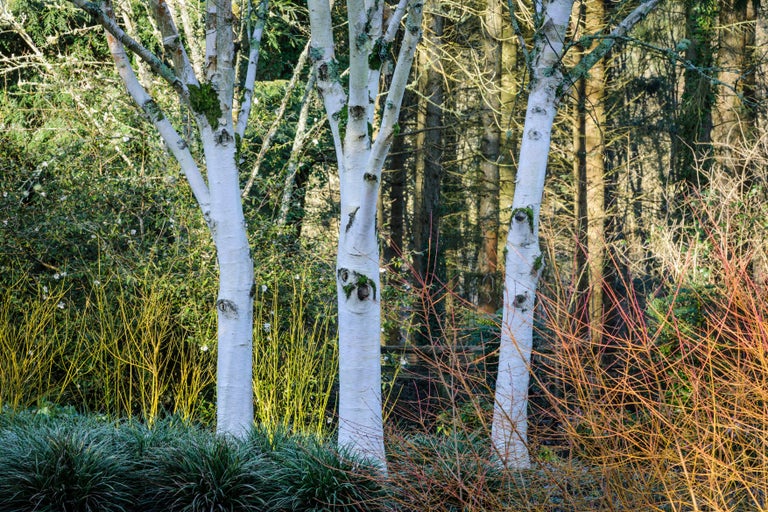
Birches are among the most elegant of garden trees. They are light and airy in habit, with spring catkins and vibrant yellow autumn leaf colour. Above all, though, they’re renowned for their attractive , from the classic white stems of silver birch, to species with smooth, shaggy or peeling bark in various shades, from pale peach through to rich mahogany.
Birches come in various sizes, from statuesque trees for large gardens to compact forms for small spaces.
These beautiful trees are resilient and grow well in most soils and conditions. They tend to establish quickly and make rapid growth, giving a feeling of maturity to even relatively new gardens. They’re hardy and fast-growing, and need little attention once settled in.
Choosing the right birch
Birches are adaptable trees and are generally tolerant of most conditions, so your choice will usually come down to the visual characteristics and size of tree you want.
The most notable attraction of most birches, especially in winter, is the bark, with many colours and textures to choose from, including:
- Silver birch (Betula pendula), which has white bark with distinctive dark markings.
- Himalayan birch (Betula utilis), which often has smooth bark in various shades - snowy white, rich mahogany, coppery or even peachy hues. The bark often peels attractively to reveal shiny new layers underneath.
- Paper birch (Betula papyrifera), which has white papery bark that peels to expose new pale orange-brown layers.
- River birch (Betula nigra), which has shaggy brown or coppery bark.
It's important to choose a birch to suit your space. They come in various sizes, from tall specimens that can eventually reach 12m (40ft) or more to grace any large garden, right through to compact forms that are ideal for smaller spaces.
Hard pruning isn't suitable for birches, so it's best to select the right species to start with, rather than trying to keep a large tree in check. Still, these are not bulky or dominant trees - they tend to have an airy habit and a light canopy, so won't overpower a garden. They cast only dappled shade, and are , so they lose their leaves in autumn.
Where to get ideas and advice
Birches are versatile trees that suit a wide range of growing conditions and garden styles, from modern urban courtyards to romantic cottage gardens. They can be used as formal features or in naturalistic, wildlife-friendly areas, set within borders or standing alone. Their attractive bark makes them a striking feature, particularly over the winter when the branches are bare.
To help narrow down your buying choices, you can:
- Check out our guide to choosing birches for winter interest.
- Use RHS Find a Plant to browse photos of the various cultivars, with details of where to buy them, or to find birches to suit your specific requirements by narrowing down your search criteria.
- Visit gardens such as RHS Garden Wisley to see various different types. Many 'winter gardens' feature birches – particularly white-stemmed cultivars – as their attractive bark stands out beautifully, even on gloomy days.
- Go to a specialist tree nursery, either in person or online, for a wide choice of cultivars.
Help white bark to shine out
Make sure white-stemmed birches look their best by giving them a quick wash and brush-up. Use a bowl of warm water and a sponge to clean off accumulated dirt and algae and bring out their snow-white beauty.
Planting
When to plant
The best time to plant birches is in autumn or winter, as long as the ground isn't frozen or .
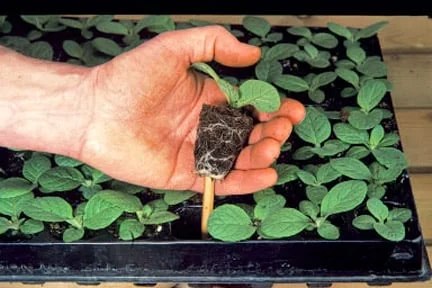
trees are available for planting between November and early March, when they're dormant. These are usually sold by mail order, and are supplied without soil or containers, but with the bare roots wrapped in plastic for protection. They should be planted as soon as they arrive, so the roots don't dry out and die.
Container-grown trees can be bought and planted at any time of year, but should ideally be planted in autumn or winter. Avoid planting in summer, as plants can dry out quickly without an established root system, so they may not survive a spell of hot dry weather.
Where to plant
Birches are happy in sun or partial shade, ideally in moderately fertile soil that is moist but well-drained.
Still, these are adaptable trees and are generally tolerant of most conditions, including poor soil, exposed and windy sites, dry or wet ground and even occasional waterlogging.
Birches are attractive as single specimens in lawns or borders, or in small groups. If planting in a lawn, keep a turf-free circle around the base of the trunk so the young plant doesn’t have to compete with grass for water and .
If you have space, plant a number of different birch species with various colours and textures to provide dramatic contrasts over the winter months.
Alternatively, plant several trees closely, at a spacing of 90cm (3ft). This will result in trees with narrower canopies and conspicuous bark, while competition at the roots for water and nutrients will restrict the rate of growth and overall height.
How to plant
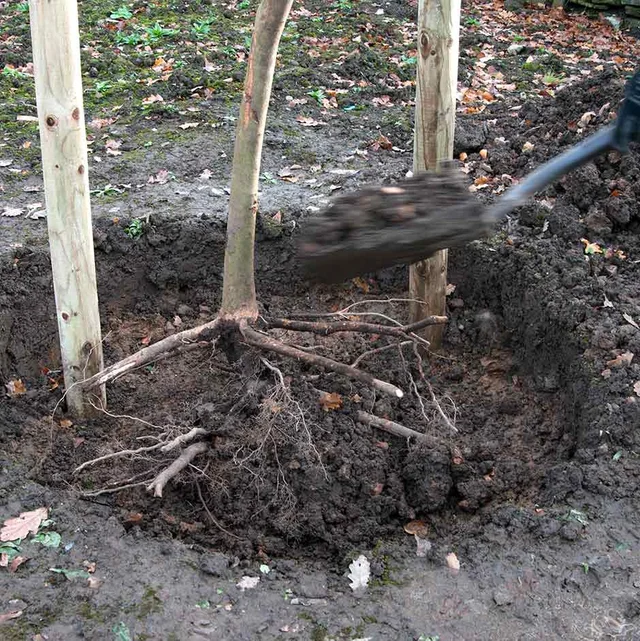
Birches are easy to plant and should settle in quickly and successfully. See our step-by-step guide to planting trees.
Ongoing care
Once established, birches are low maintenance, hardy and need little ongoing care.
Watering
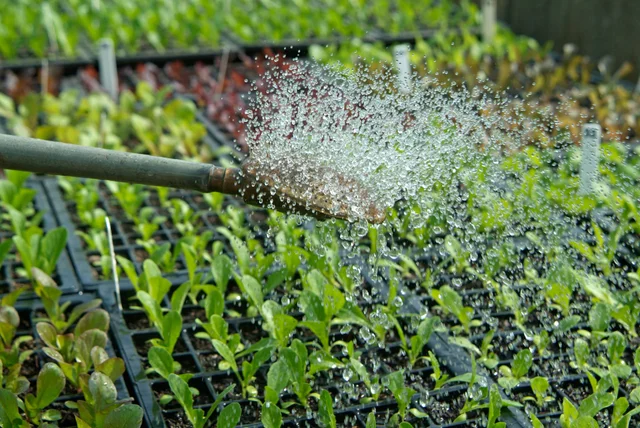
Newly planted trees should be watered regularly for the first year, until well established, and during prolonged dry spells for the first three years after planting. From then on, they shouldn't need additional watering.
Feeding
Birch trees shouldn't need any fertiliser.
Mulching
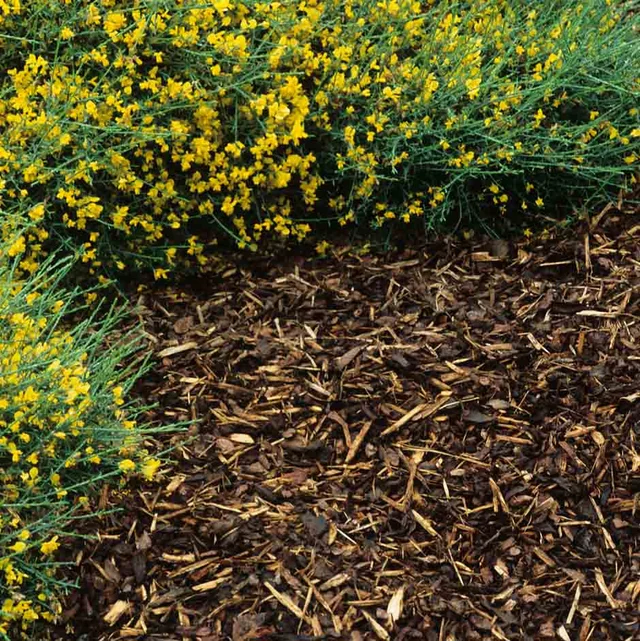
Add a thick layer of to the soil surface after planting and then annually in early spring. Choose garden or leafmould, and spread it over the root zone, but not touching the base of the trunk, as that could encourage rotting.
Pruning and training
Once established, birches generally don't require pruning. However, if you spot any damaged or diseased branches, these should be removed once the tree goes dormant in early winter. Birches 'bleed' heavily at all other times, particularly in late winter. Hard pruning is not recommended.
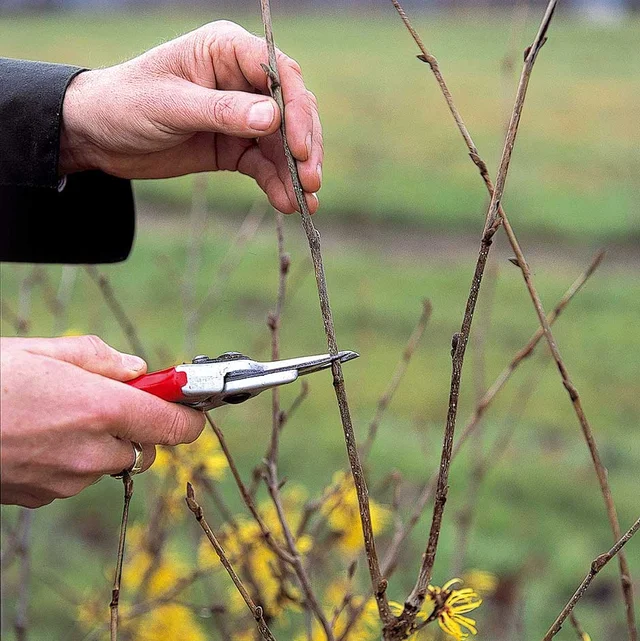
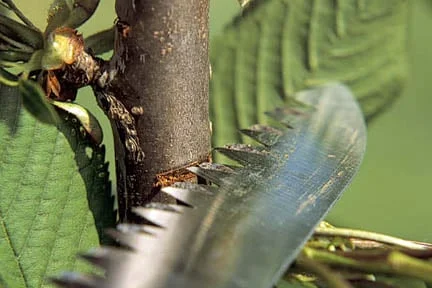
With young trees, pruning will help to ensure their attractive is displayed to best advantage in the future. Once trees are established, you can prune off the lower branches to produce a clear trunk of 2m (6½ft). This is best done between early and mid-winter when the plant is fully dormant.
Create a multi-stemmed tree
To maximise the display of beautiful bark, birches can be grown as multi-stemmed trees. These can be bought ready-pruned and trained, or you can create one yourself:
- Choose a young plant that’s less than 1m (3¼ft) tall and cut it back either close to ground level (but not less than 8cm (3in) from the ground) or to about 30–60cm (1–2ft) from the ground.
- Make a horizontal cut and trim the wound so there are no rough edges. The cut stimulates dormant buds, which should shoot strongly in spring.
- After a year or two, reduce the number of main stems to three to five. Choose strong, well-spaced stems and cut out any weak or surplus stems at the base.
- Wait until the main stems are growing strongly, then remove the lower branches to produce clear stems.
Alternatively, you can plant two or three young plants in the same planting hole to achieve a similar result. If they are sapling-sized (up to 1m (3¼ft) tall), they shouldn't need staking and you will have more control over the placing and arrangement of the stems.
Propagating
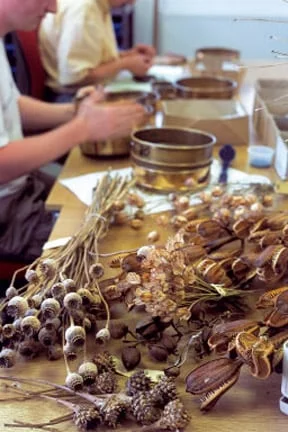
Birches can be grown from seed sown fresh in autumn or kept refrigerated over winter for sowing in February. Don’t store seeds for longer, as they will be less likely to germinate.
With named cultivars, the resulting plants may have different characteristics to the parent.
- Sow thinly on the surface of peat-free , cover very lightly with more and water gently.
- Seeds need a temperature of 10–15°C (50–59°F) to germinate. Water regularly and place in good light.
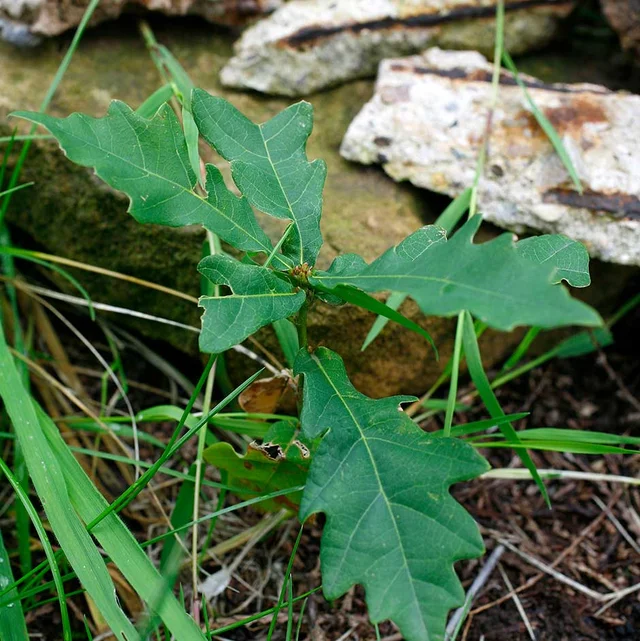
- Once two leaves have developed, transplant into individual small pots.
- Pot on regularly as the grow, to prevent a check in growth. The young trees should grow quite rapidly.
By cuttings
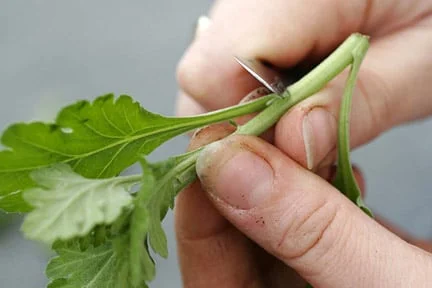
Named cultivars are best propagated from , so that the resulting plant is identical to its parent. But this is quite challenging for amateur gardeners – commercial nurseries regard a 50 per cent success rate as good for birch cuttings.
- Take up to 15cm (6in) long, from mid-spring to early summer.
- Insert the cutting into a free-draining, peat-free cuttings compost.
- Place in a at a temperature of 18–24°C (64–75°F) and cover with a lid to minimise moisture loss. Rooting should occur in six to ten weeks.
- Feed regularly once rooted to ensure strong growth.
- Keep slightly dry over winter and pot on the following spring.
Problems
Birches are generally resilient and trouble-free once established. Few pests and diseases trouble them. However, some problems that may affect young plants include:
- not showing white or the expected colour: juvenile bark is often more subdued in colour. It takes a few years for the mature bark to grow through.
- Bark damage: deer, rabbits and squirrels may strip the bark of young trees, causing severe damage or even killing the tree. Protect with a sleeve-like guard around the base of the trunk.
With older trees, look out for:
- Bleeding sap: you may spot clear liquid ( ) dripping from a wound or pruning cut, especially between January and July. It doesn’t usually cause serious harm, but can be avoided by only pruning while dormant in early winter.
- Dieback: soil-borne diseases such as honey fungus and phytophthora root rot may cause stems or the whole tree to die. Waterlogging and flooding can also lead to tree failure.
- Leaf problems: birches can be prone to powdery mildews. They can occasionally be affected by verticillium wilt, particularly if stressed. Browning leaves are also a sign of problems. In hot dry summers, the foliage may turn yellow and fall prematurely, but should resprout in spring.
If you’re a member of the RHS, you can use our online Gardening Advice Service, via MyRHS.