Dorling Kindersley

Appearance
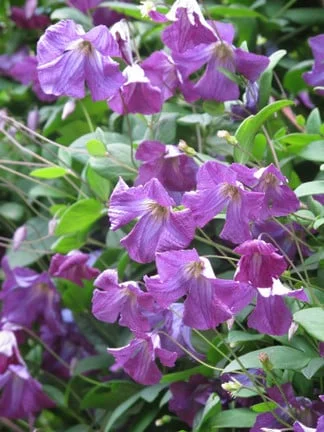
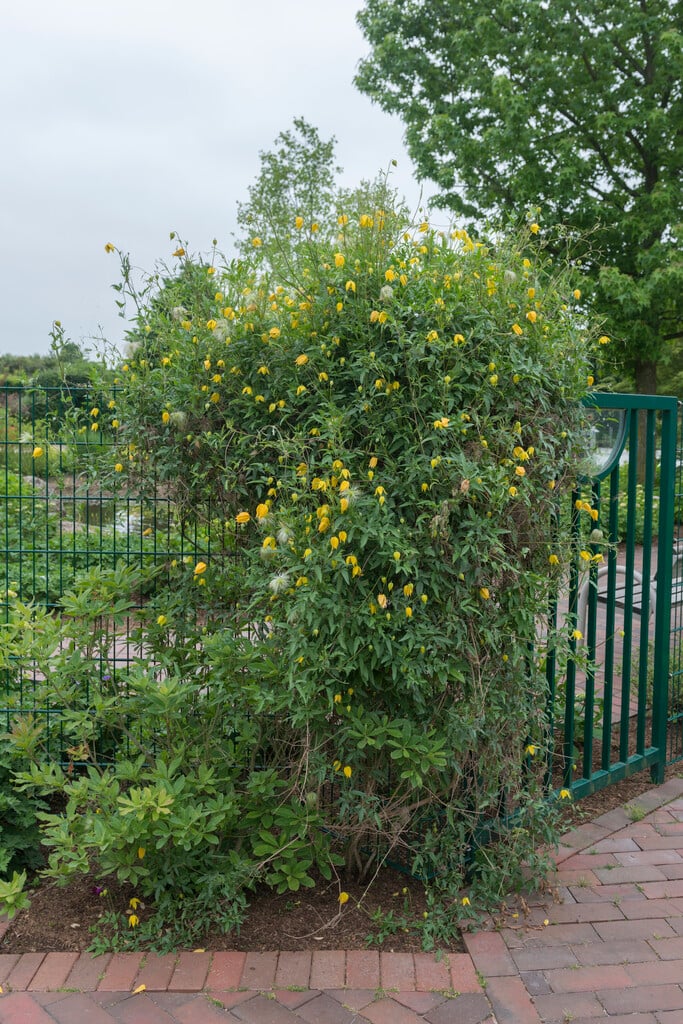
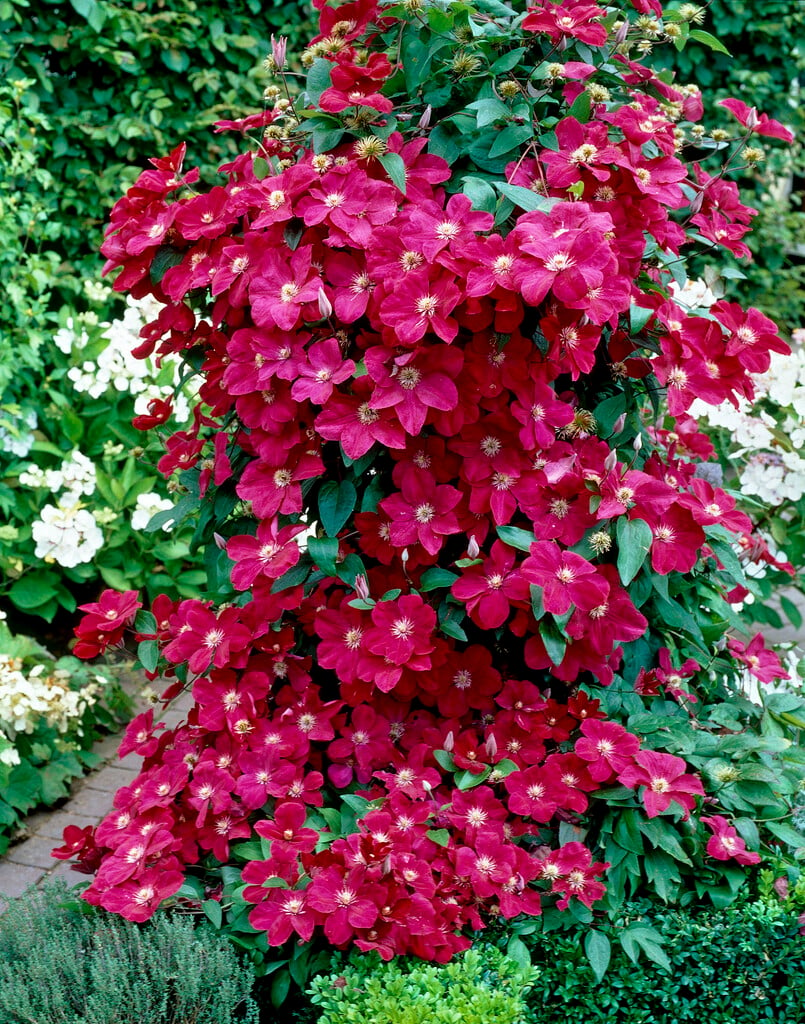
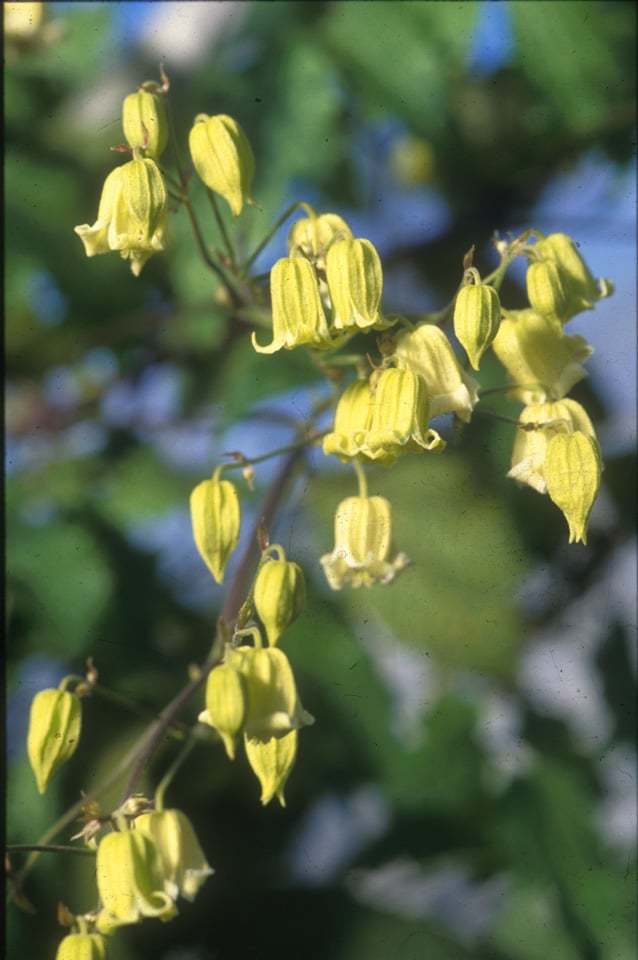
This diverse group includes the popular large-flowered hybrids that typically grow to around 3m high and have star-shaped flowers in shades of white, pink, blue-purple and red. It also includes smaller-flowering species clematis and their cultivars, like Clematis viticella and C. texensis, that have bell or tulip-shaped flowers on plants up to 4m high. C. flammula and C. rehderiana are prized for their clouds of small, fragrant, star or bell-shaped flowers.
Preferences
A sunny or part-shaded position in any deep, fertile, moist but well-drained soil. Clematis prefer their roots to be kept cool, so plant the base of the clematis in light shade or provide shading with other plants or a dressing of pebbles.
Dislikes
Clematis dislike poor soils that dry out in summer and those that become very wet. Although tolerant of some shade, flowering will be disappointing in a very shady spot.
Did you know?
The late-flowering Clematis tangutica and C. tibetana produce a mass of silky seedheads after flowering, extending the clematis season of interest into autumn and early winter.
RHS Growing Guide
FREE
Read our comprehensive free RHS Growing Guide:
How to grow clematis

Introducing Summer and autumn-flowering clematis
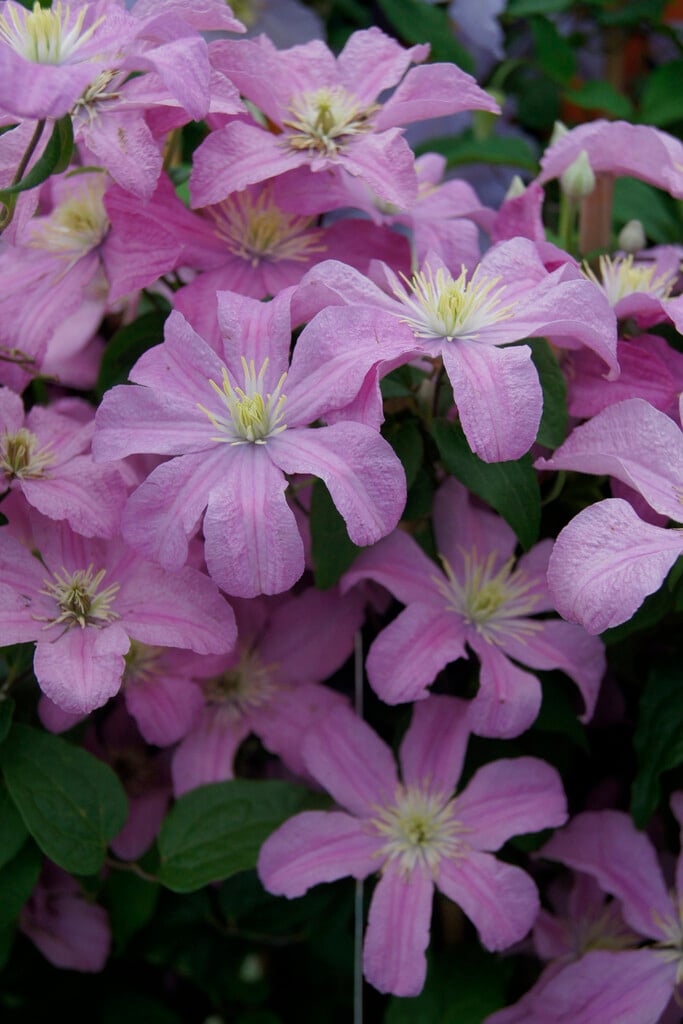
Clematis 'Comtesse de Bouchaud' (LL)
clematis 'Comtesse de Bouchaud'
- Height
- 1.5–2.5 metres
- Width
- 0.5–1 metres
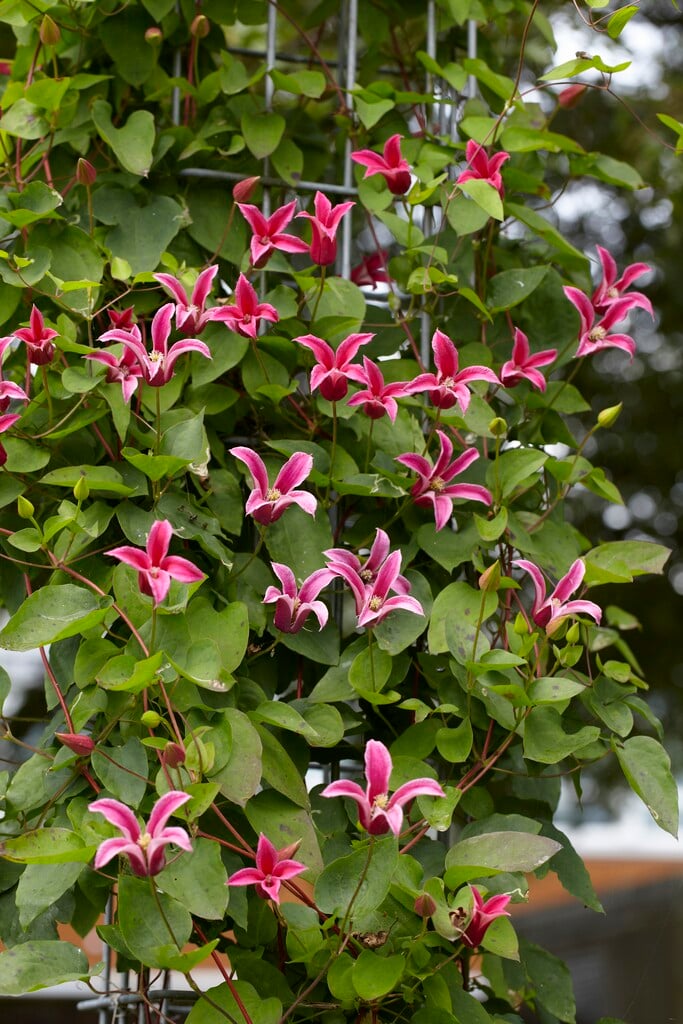
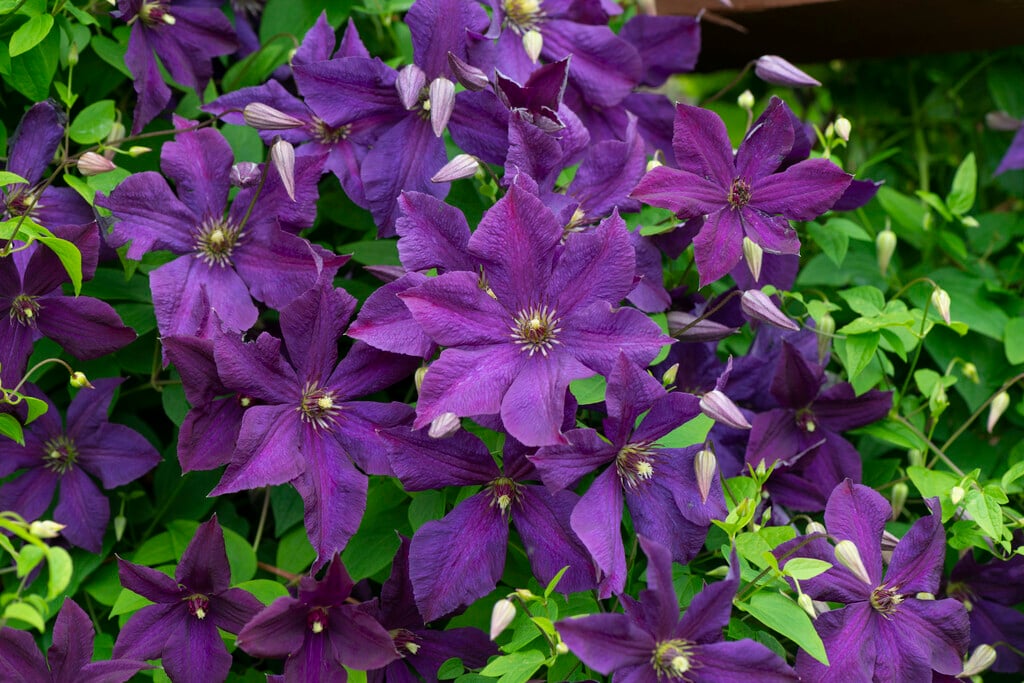
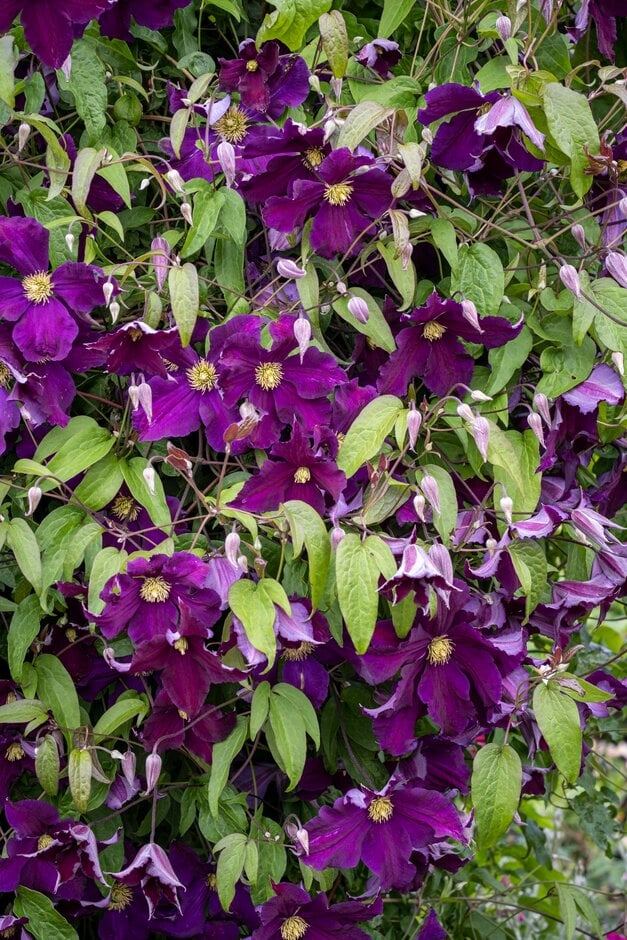
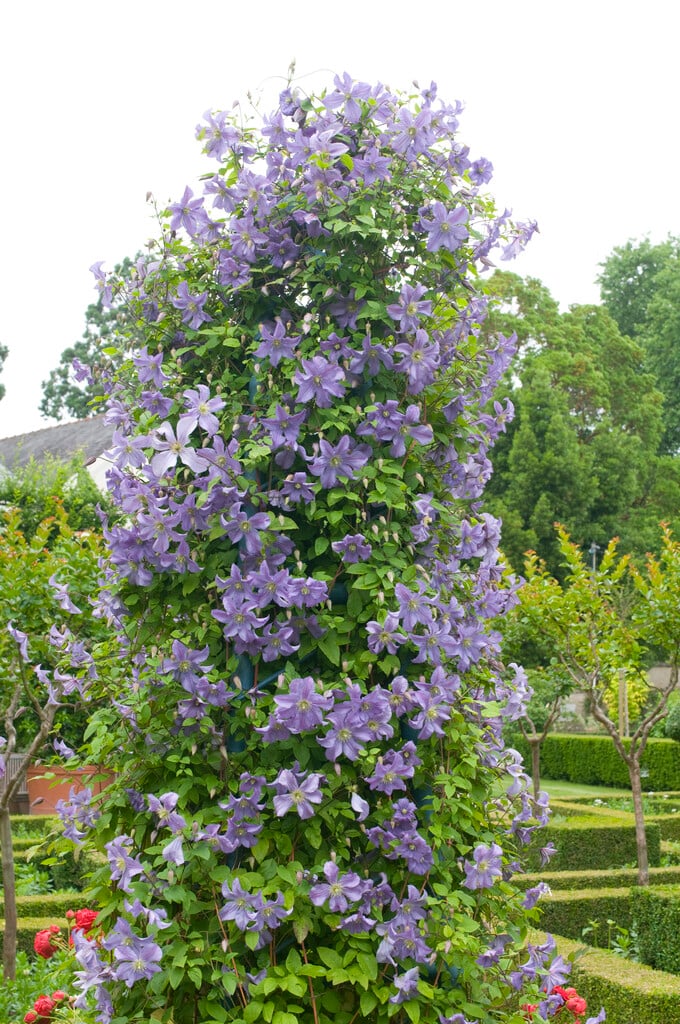
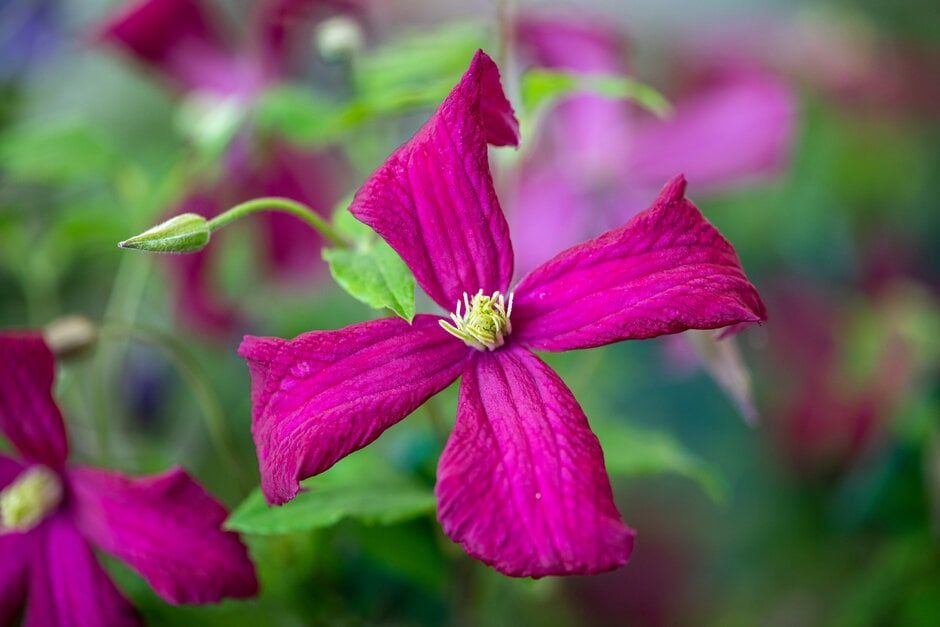
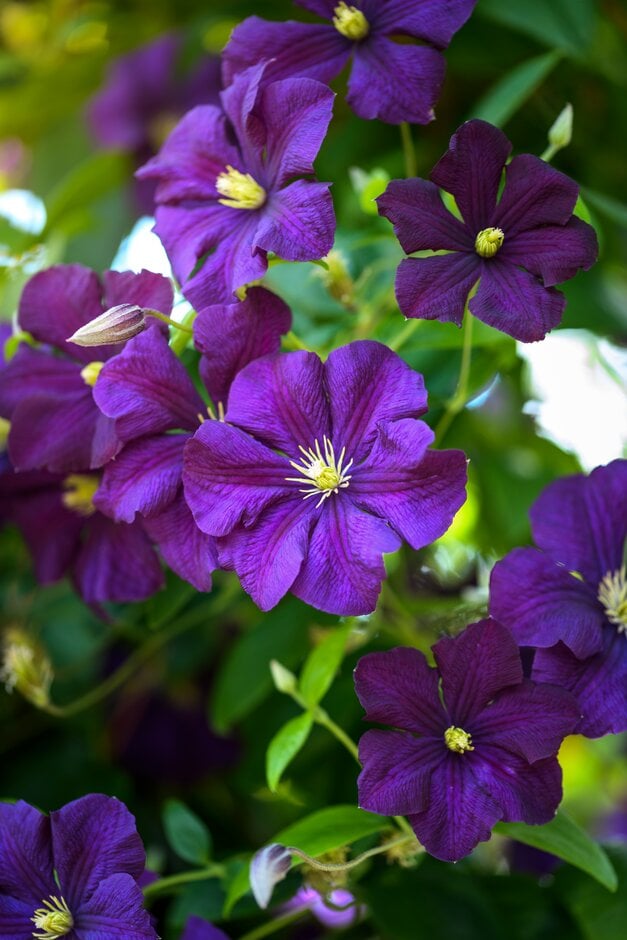
Clematis 'Madame Julia Correvon' (Vt)
clematis 'Madame Julia Correvon'
- Height
- 2.5–4 metres
- Width
- 1–1.5 metres
x of x
Showing
x to x
of x