Dorling Kindersley Ltd

Appearance
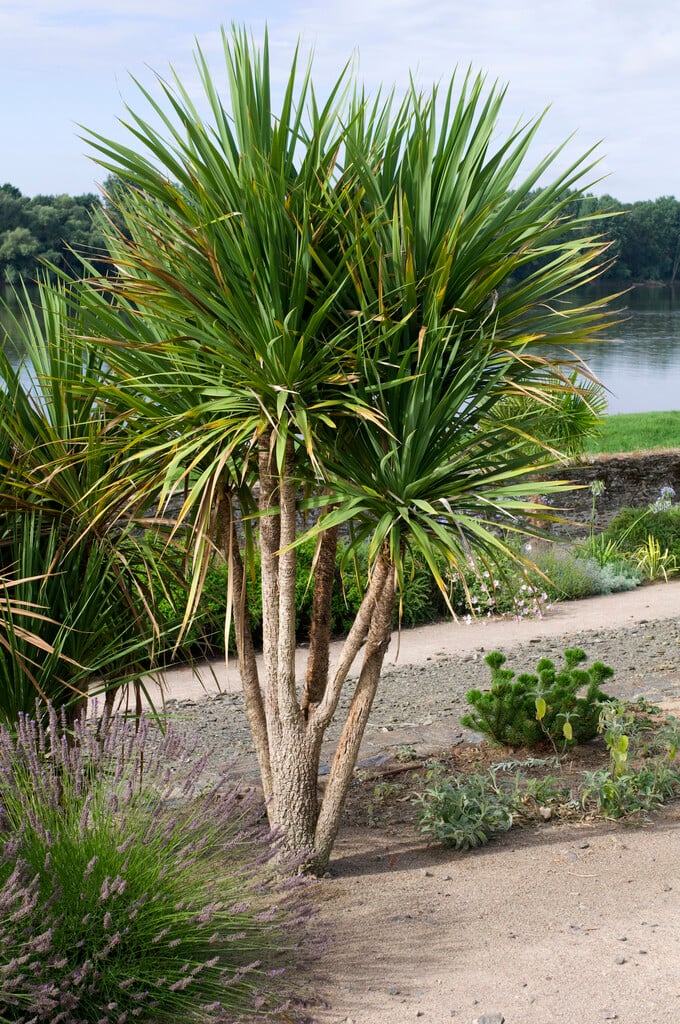
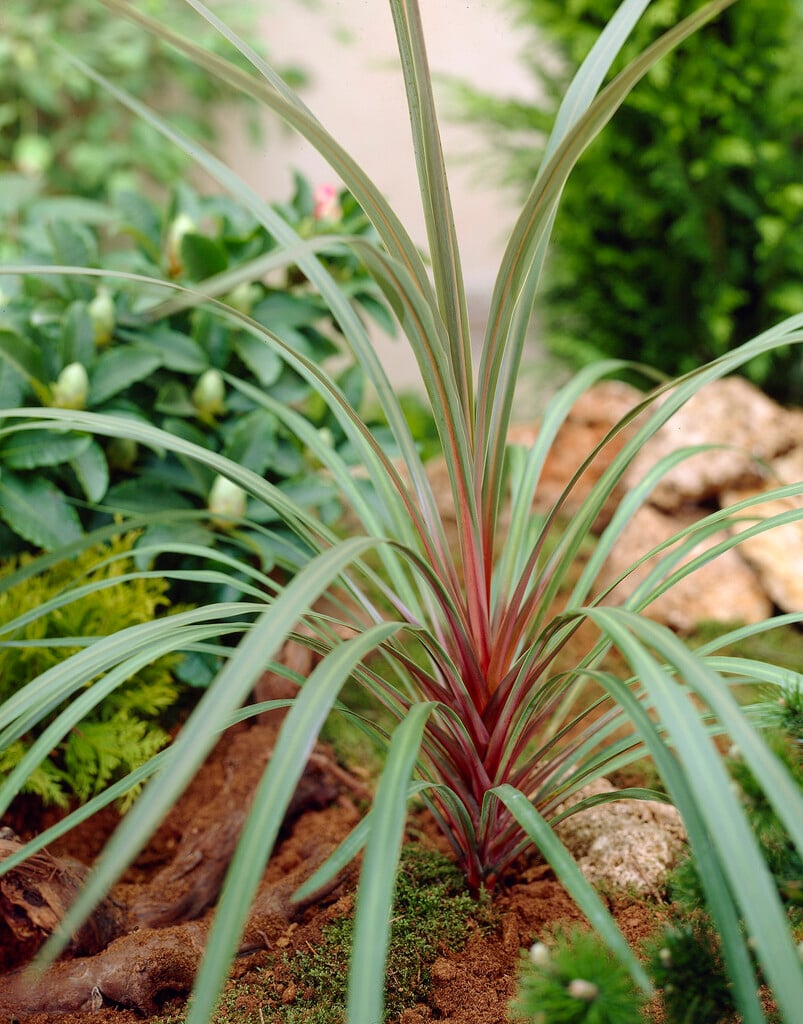
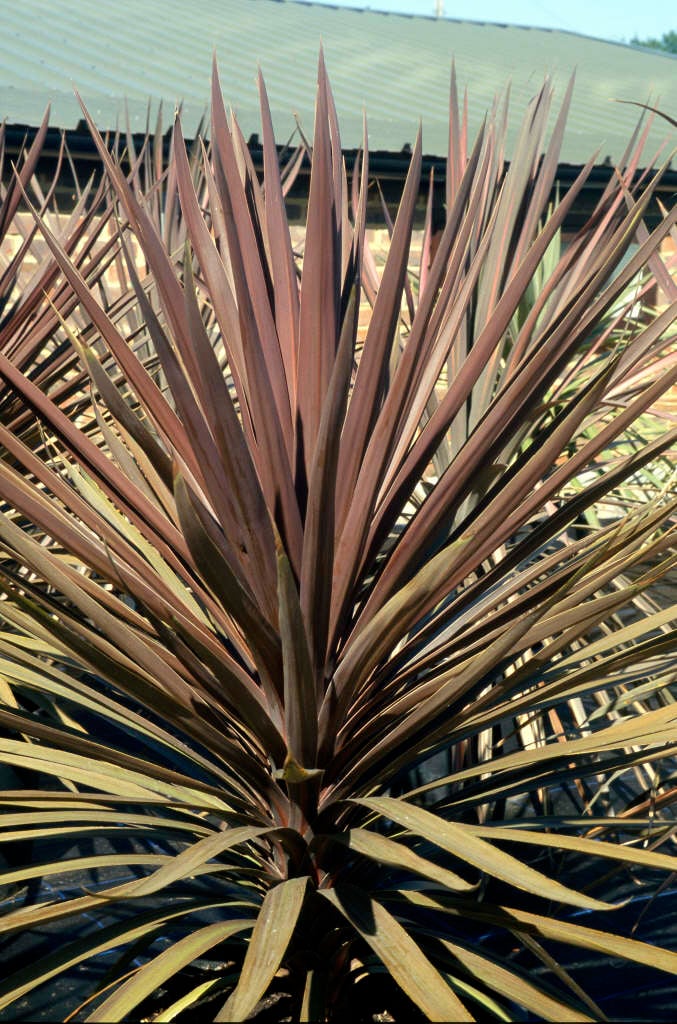
Young cordylines have a fountain of strappy evergreen leaves, which can be green or various colours, including copper and purple, or striped with pink, white or yellow. Older plants form a trunk and resemble an exotic palm, with a tuft of foliage on the top.
Preferences
Cordylines enjoy warmth and shelter, and prefer well-drained soil. Full sun is ideal for green-leaved cordylines but light shade is preferable for those with colourful or variegated leaves as strong sun can cause their bright colours to fade.
Dislikes
Cordylines suffer in cold, wet conditions, so give them protection over winter. Avoid planting in frost-prone areas. They also dislike damp or waterlogged soil and deep shade.
Did you know?
In warm summers, mature cordylines will produce spikes of tiny flowers, which are richly fragrant and a magnet for bees. The small round fruits that follow provide food for various garden birds, including blackbirds and thrushes.
RHS Growing Guide
FREE
Read our comprehensive free RHS Growing Guide:
How to grow cordyline

Introducing Cordyline
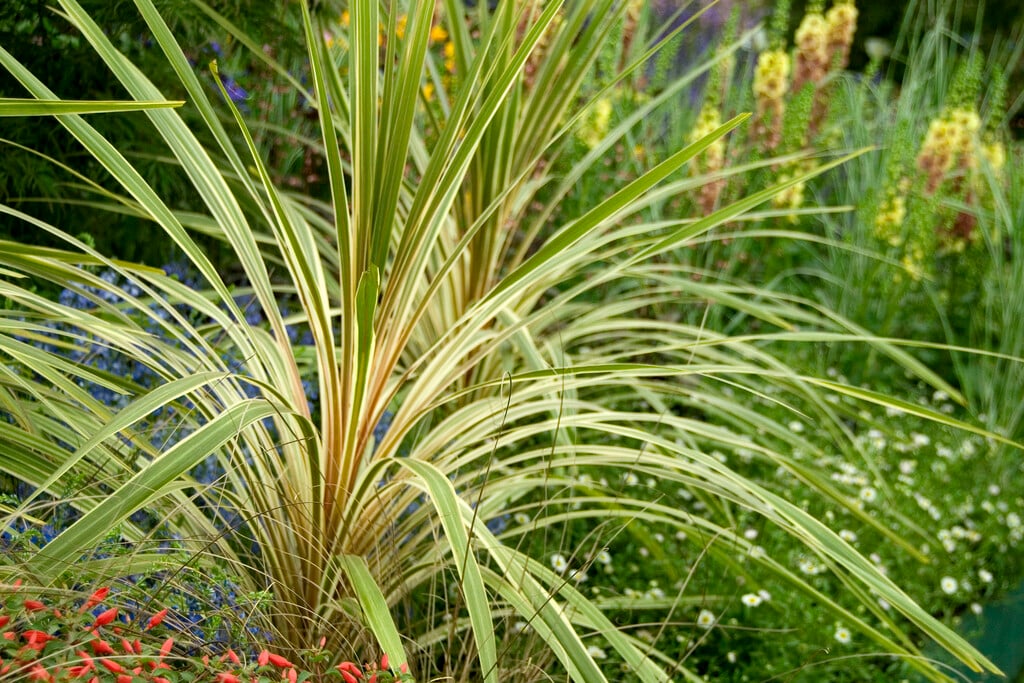
Cordyline australis 'Torbay Dazzler' (v)
cabbage palm 'Torbay Dazzler'
- Height
- 2.5–4 metres
- Width
- 1–1.5 metres
x of x
Showing
x to x
of x