RHS / Simon Garbutt

Appearance
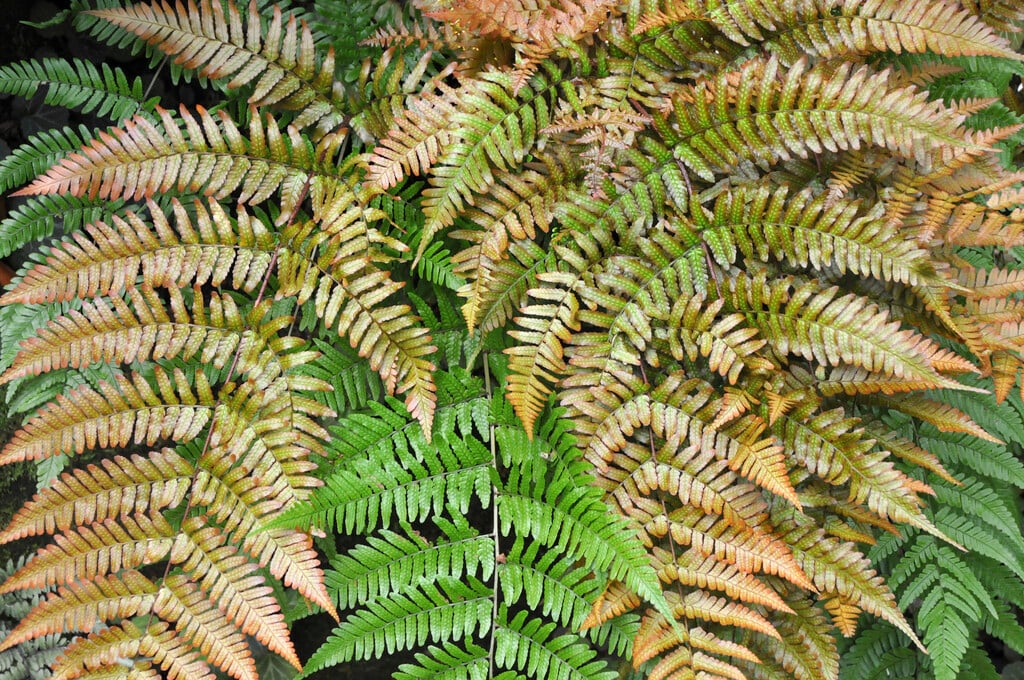
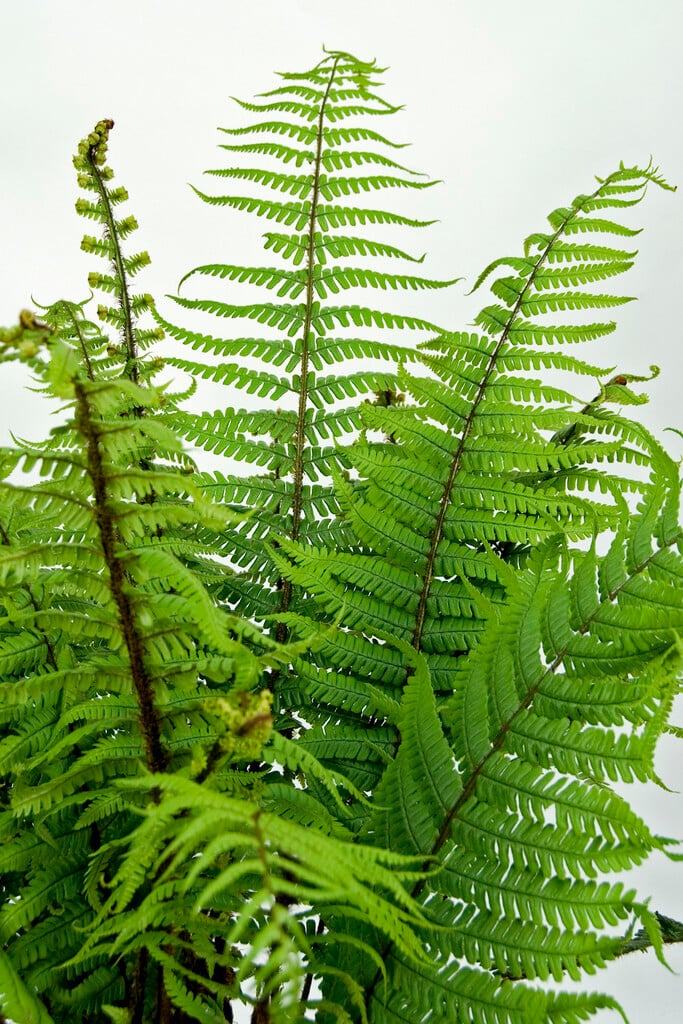
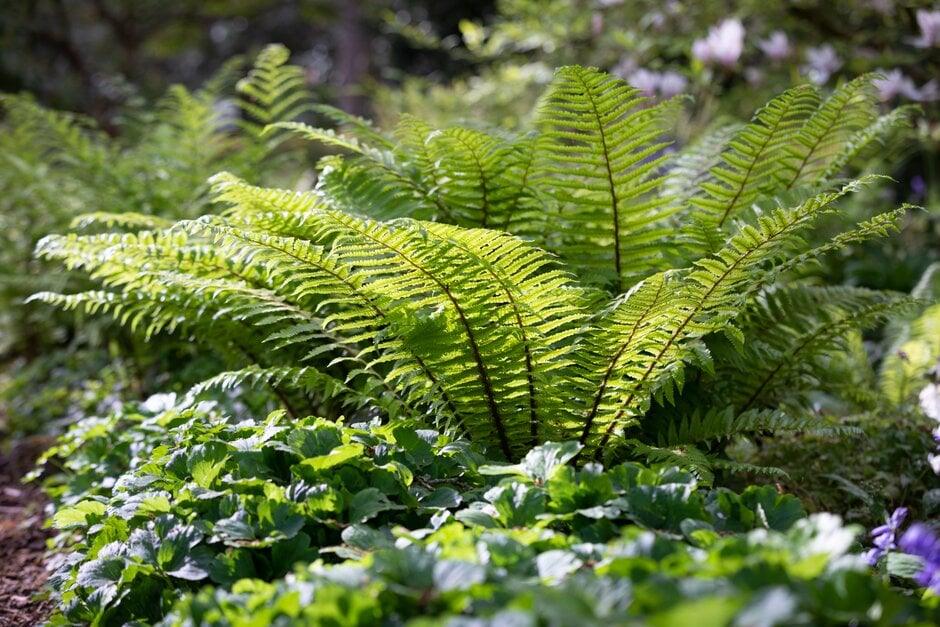
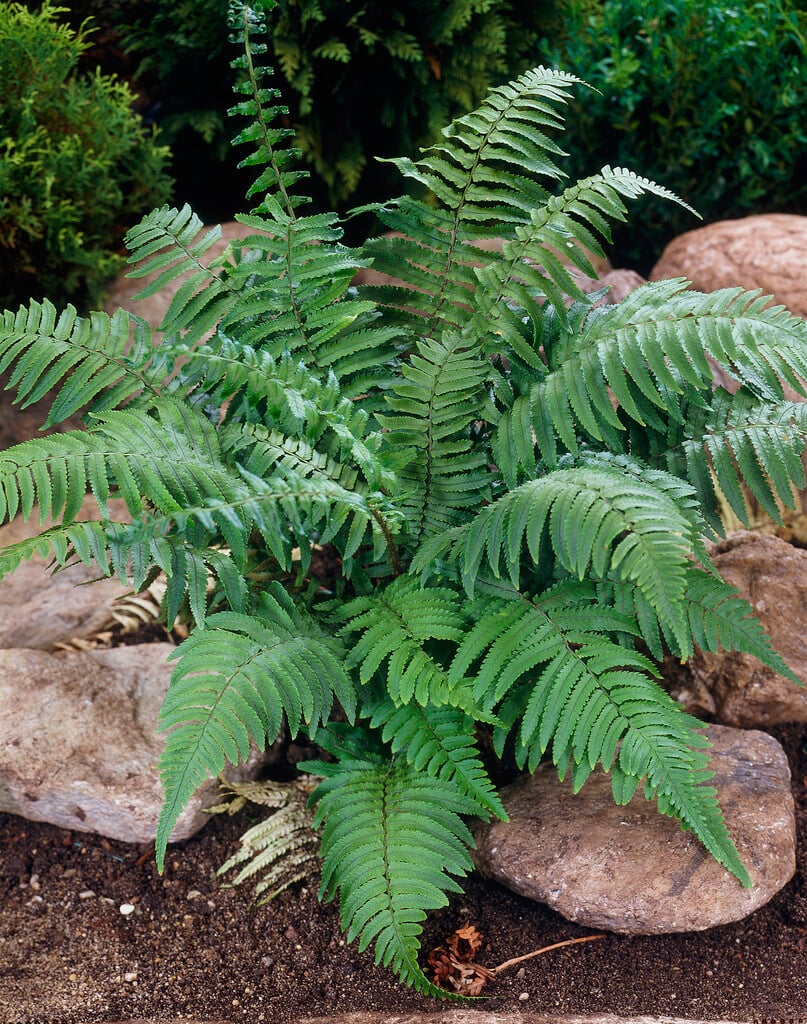
Finely divided or feathery foliage emerges from unfurling fronds in spring to form a shuttlecock-like shape. Foliage comes in many shades of green with some species, such as Dryopteris erythrosora, also showing seasonal colour.
Preferences
These ferns like moist soil in shade and so appreciate yearly applications of organic material such as garden compost as a mulch for the first few years after planting. Once established, they can tolerate drier soil.
Dislikes
Full sun in summer can scorch the leaves of these plants. An open site exposed to strong winds (especially if frost-laden) can damage young growth. Some species can be more tolerant of sun and exposure. Dislikes very dry soils while establishing.
Did you know?
Ferns grow from spores, not seeds. Various shaped swellings (sori) containing the spores can be seen on the undersides of fronds. With a bit of practice and patience new plants can be grown from the spores.
RHS Growing Guide
FREE
Read our comprehensive free RHS Growing Guide:
How to grow dryopteris

Introducing Evergreen and semi-evergreen Dryopteris
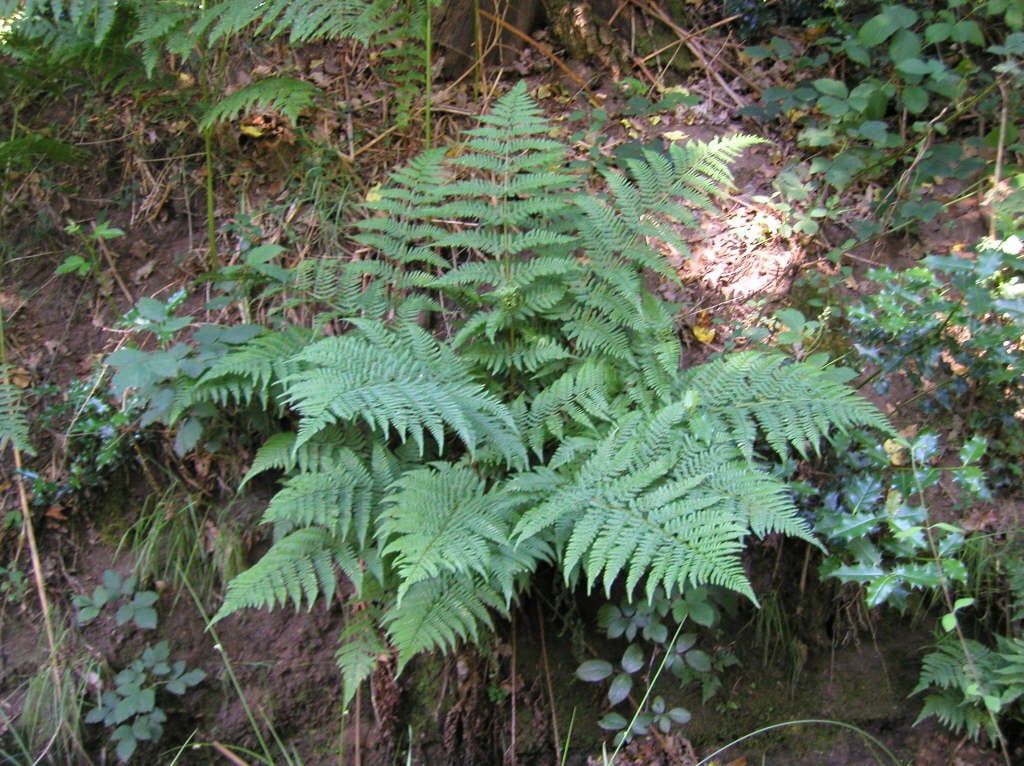
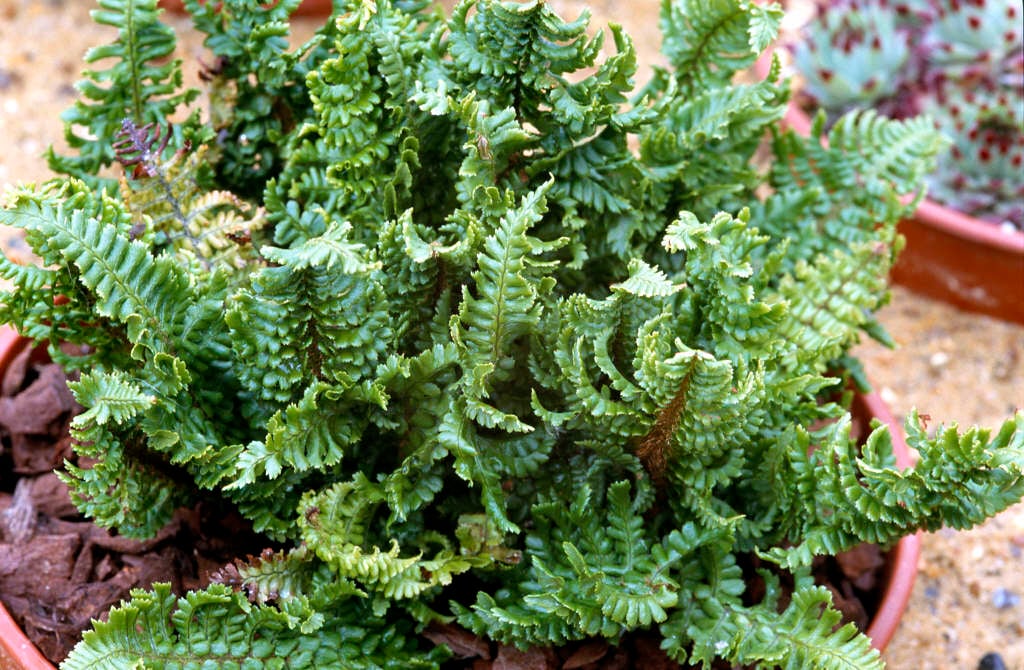
Dryopteris affinis 'Crispa Gracilis'
scaly male fern 'Crispa Gracilis'
- Height
- 0.1–0.5 metres
- Width
- 0.1–0.5 metres
x of x
Showing
x to x
of x