RHS / Tim Sandall

Appearance
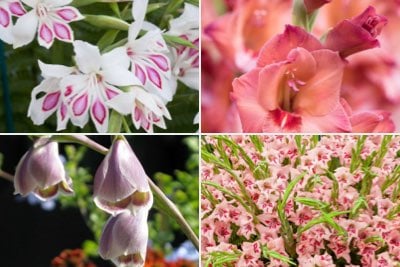
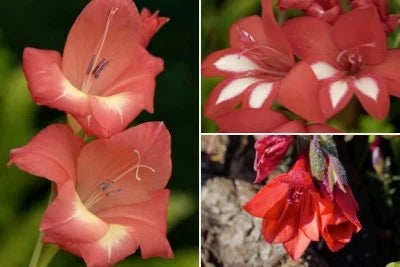
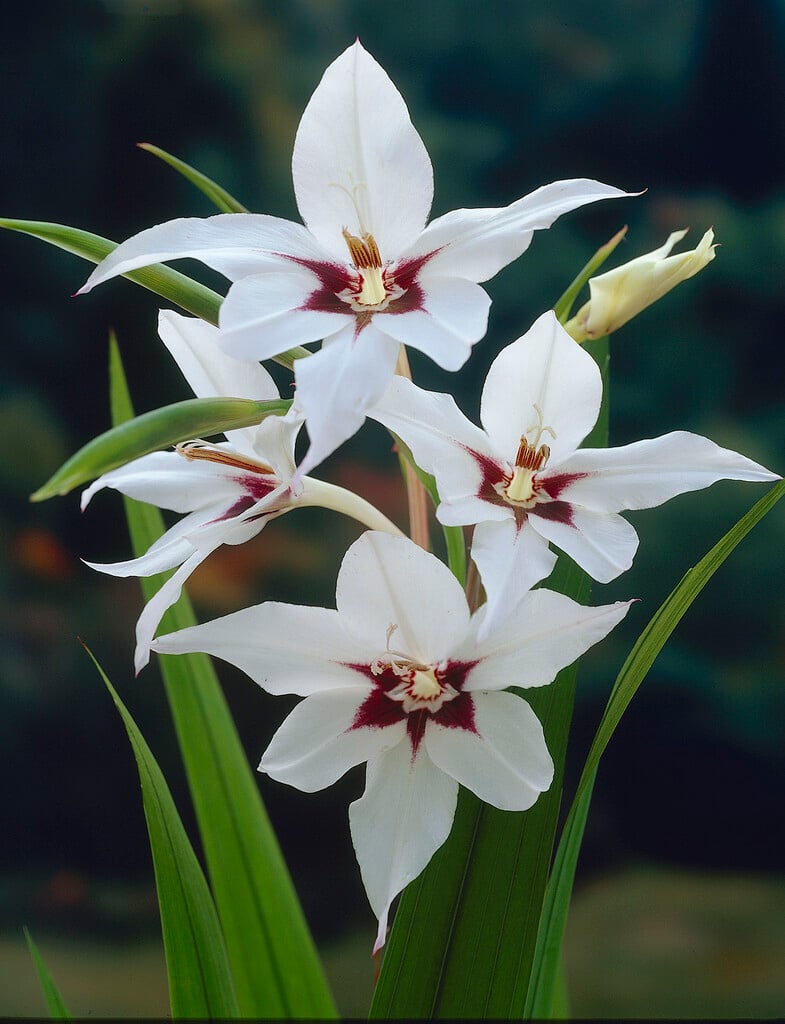
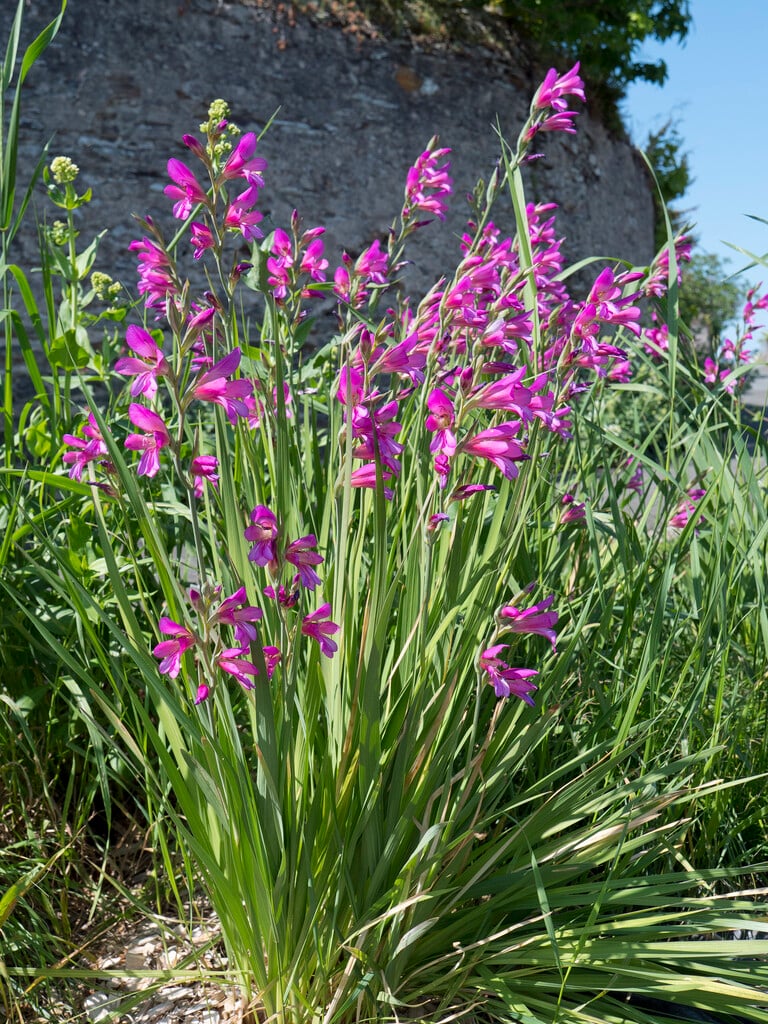
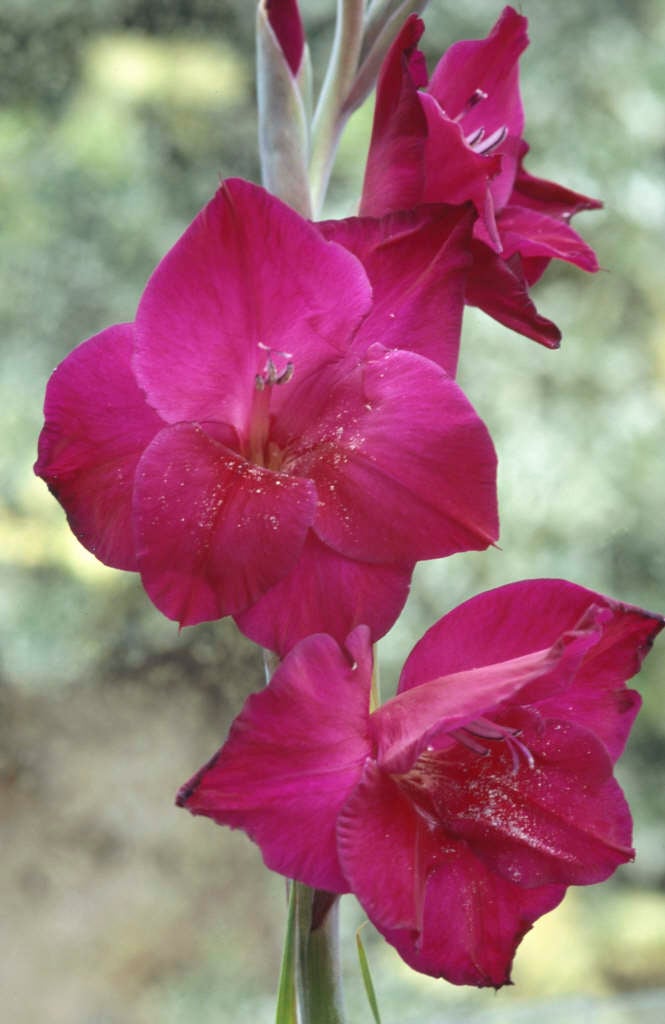
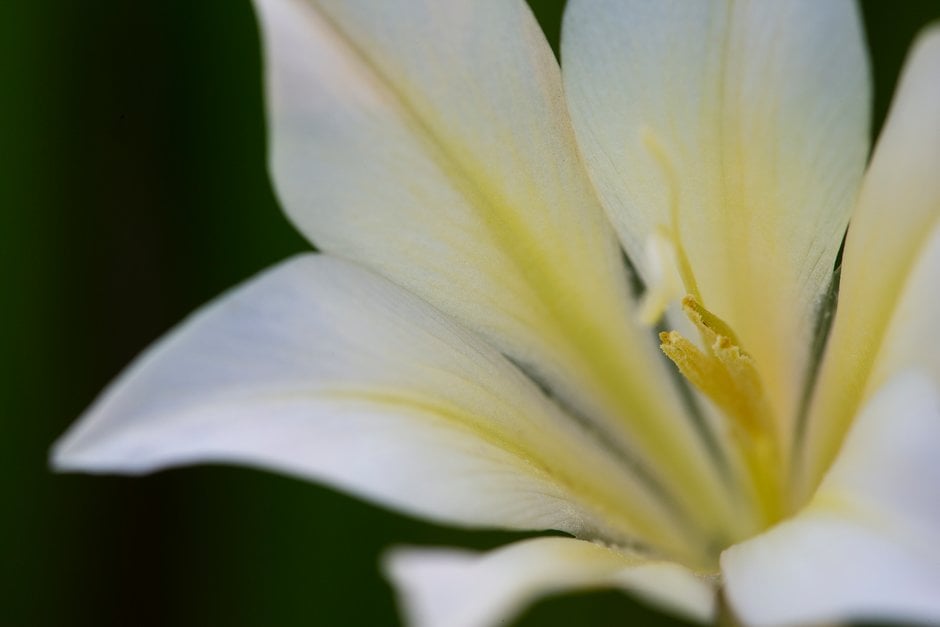
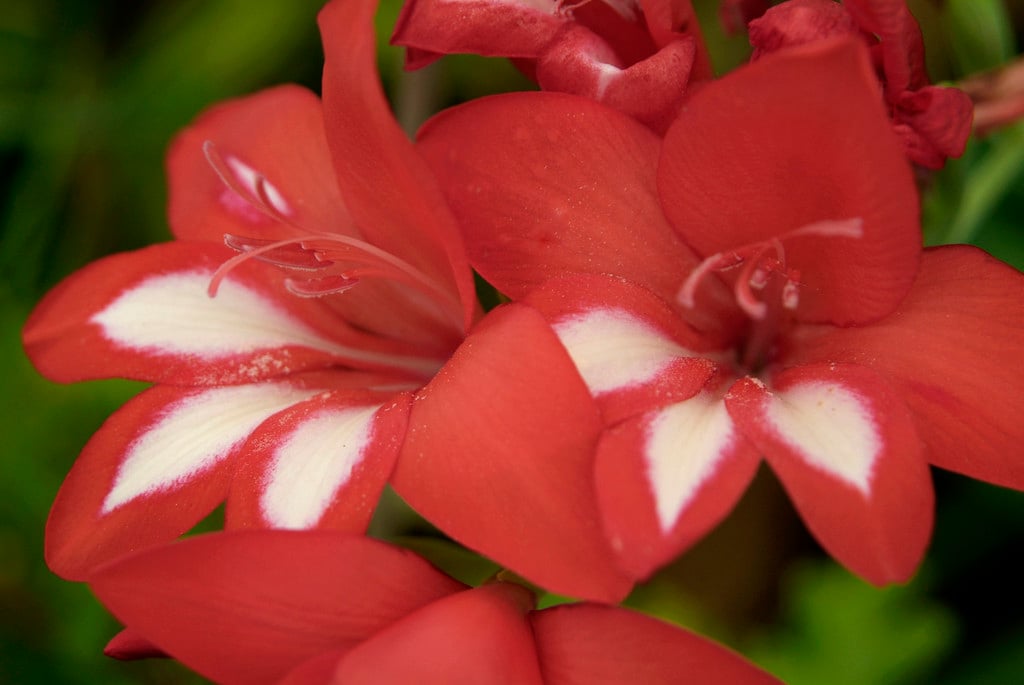
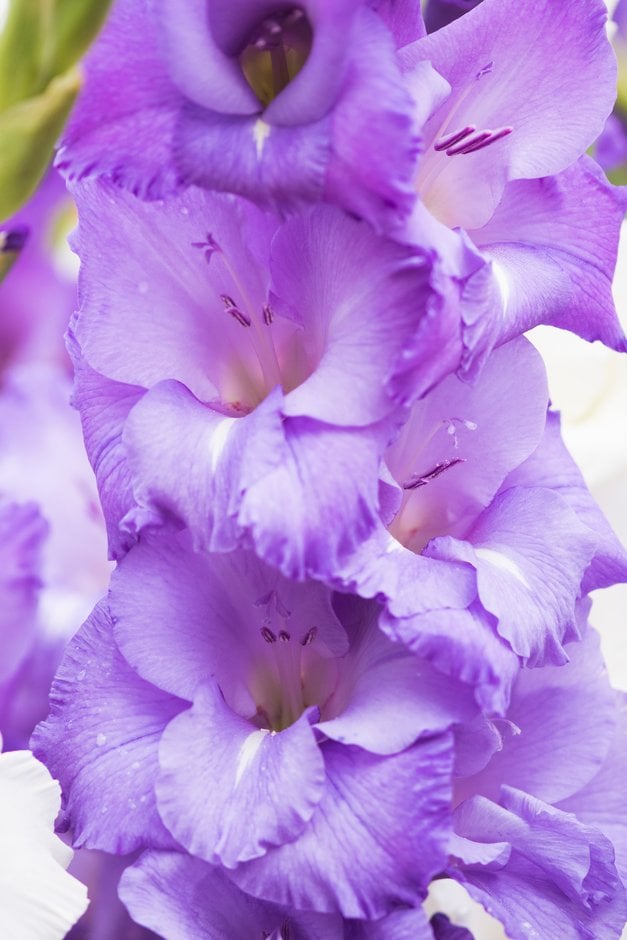
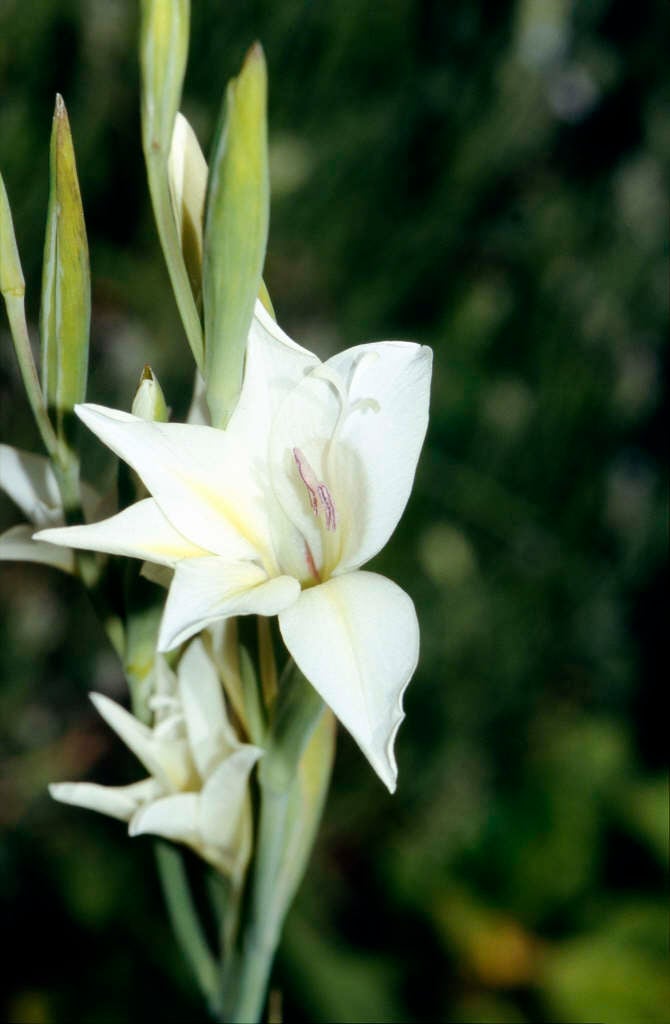
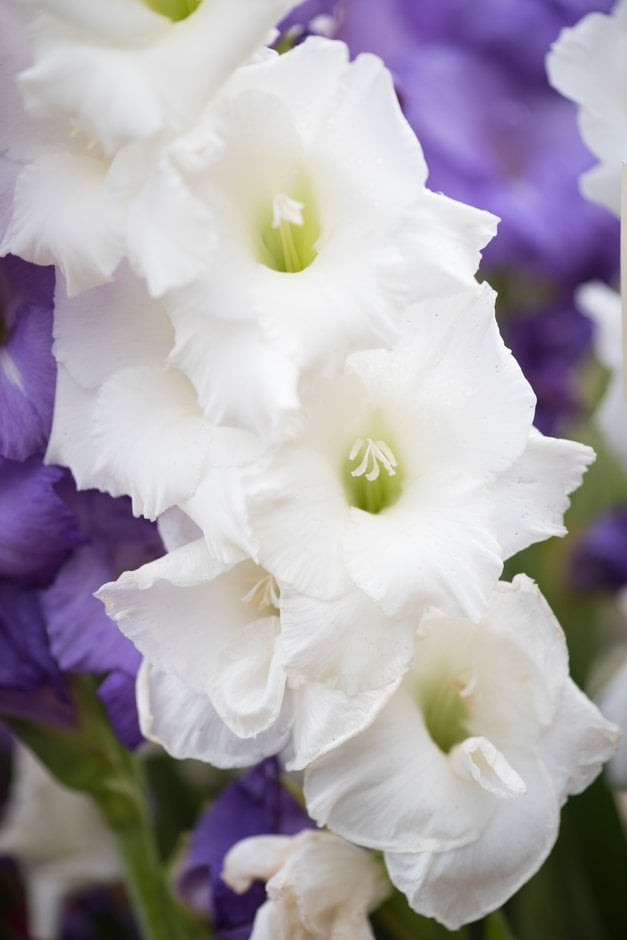
Sword-like leaves and upright flower spikes (hence the translation of 'gladiolus' meaning 'little sword') bear individual blooms shaped like funnels that open outward from the base. The colour range is impressively wide. While the species and some of the subgoups have dainty small flowers, the large hybrid gladioli (famously loved by flamboyant Australian comedian Dame Edna Everage) are perfectly blousy.
Preferences
Gladioli generally like a sunny well-draining site in neutral to slightly acid soil (pH6.5-7.0). Drainage is especially important if corms are to overwinter in the ground succesfully.
Dislikes
Lift corms and protect from winter cold and wet. As a general rule, they will be able to withstand slightly colder temperatures if the ground isn't soggy or heavy clay, but most gladioli corms are best lifted and stored dry and frost free over winter.
Did you know?
You will sometimes see numbers after the name of a Gladiolius cultivar name, for example '457'. These indicate flower size and colour when growing for exhibiting and showing blooms in competitions. Some gladioli are also classified by height size: giant and large; medium; small and minature. Learn more about growing gladioli for the show bench at The British Gladiolus Society website.
RHS Growing Guide
FREE
Read our comprehensive free RHS Growing Guide:
How to grow gladioli

Introducing Gladioli
x of x
Showing
x to x
of x