RHS
RHS 

Appearance
They are mostly evergreen shrubs or smaller trees with shiny, often prickly-edged leaves. Spring flowers are inconspicuous, but they are followed by eye-catching, bright red berries on female or self-fertile forms. A few have yellow berries.
Preferences
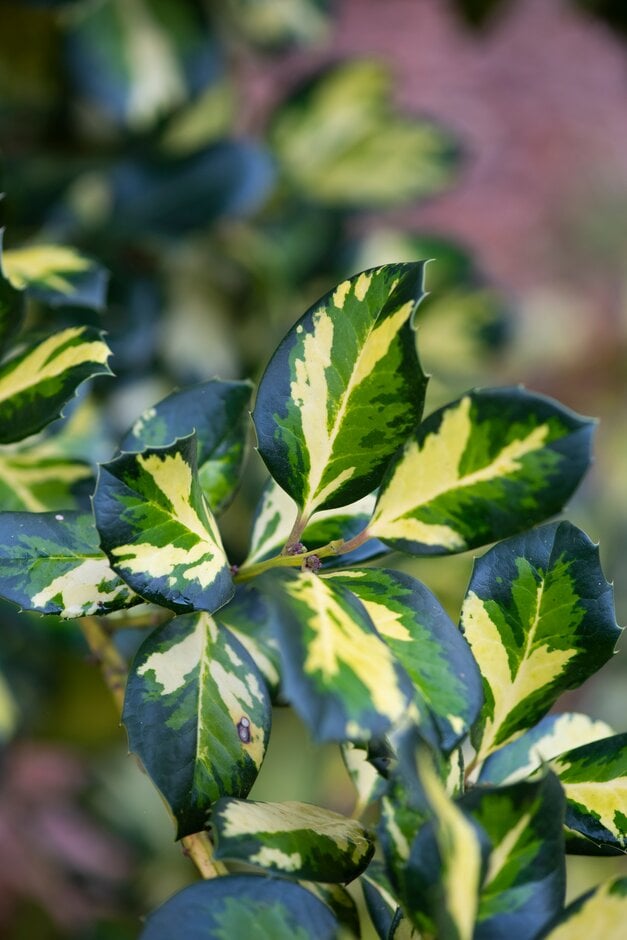
Hollies are tolerant of most soil types and will grow in sun or partial shade. Cultivars with variegated leaves need sun to develop the best leaf colour. Plain-green hollies can grow in deep shade.
Dislikes
Growth can be weak if hollies are planted in poor, dry soils. Equally, plants may suffer if the soil is prone to staying wet for long periods.
Did you know?
Most hollies are either male or female. Females only produce berries if a pollinating male is growing nearby. There are, however, self-fertile hollies such as Ilex aquifolium 'J.C. van Tol' that will produce berries without a partner. Be aware that female/male-sounding names do not always correlate to the sex of the holly! For example, Ilex × altaclerensis 'Golden King' is a female and Ilex aquifolium 'Silver Queen' is a male.
RHS Growing Guide
FREE
Read our comprehensive free RHS Growing Guide:
How to grow hollies

Introducing Hollies
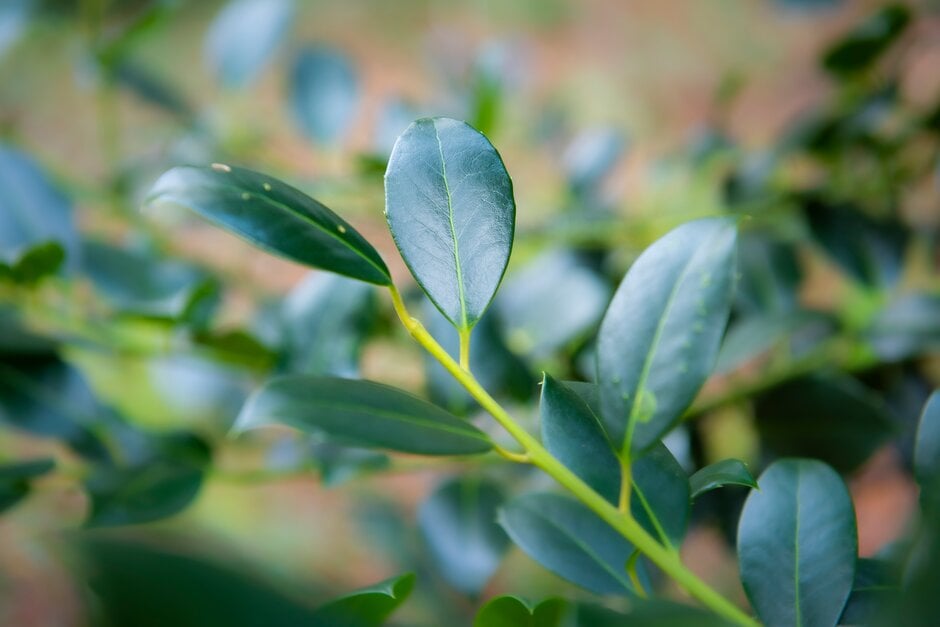
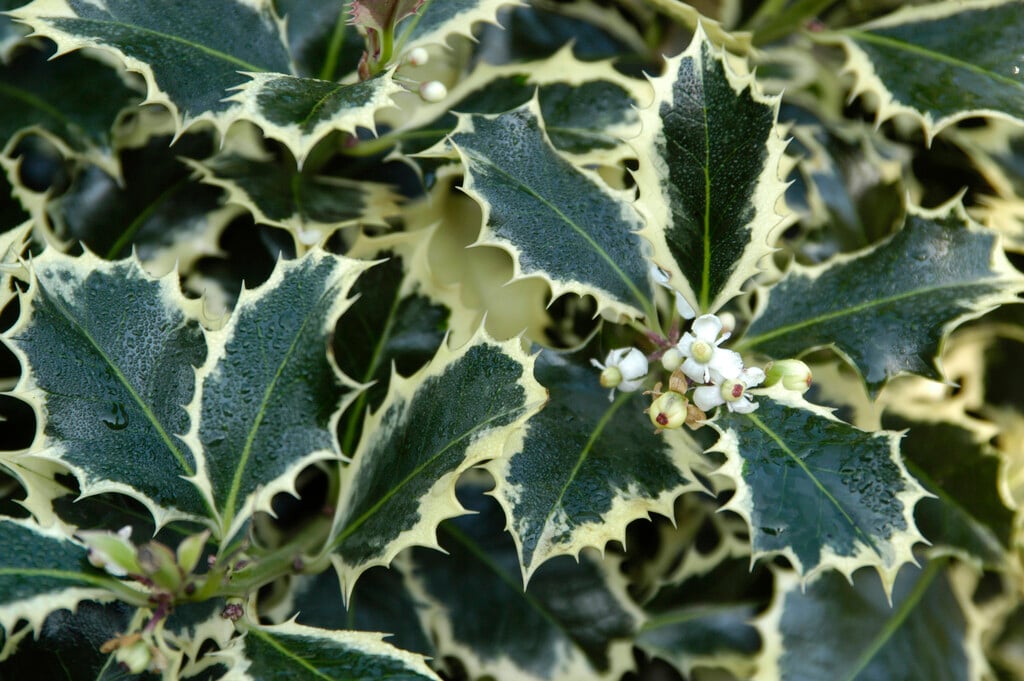
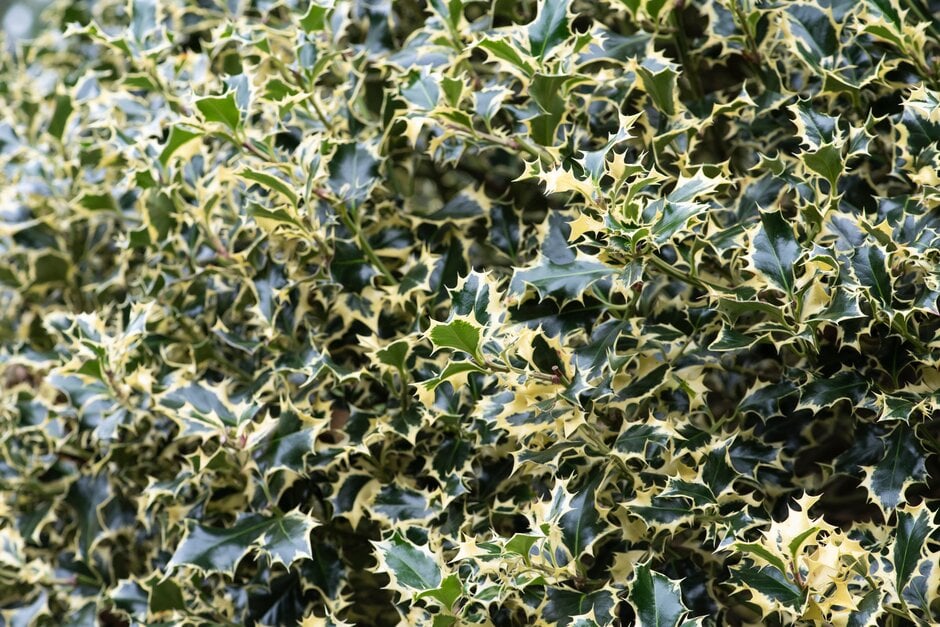
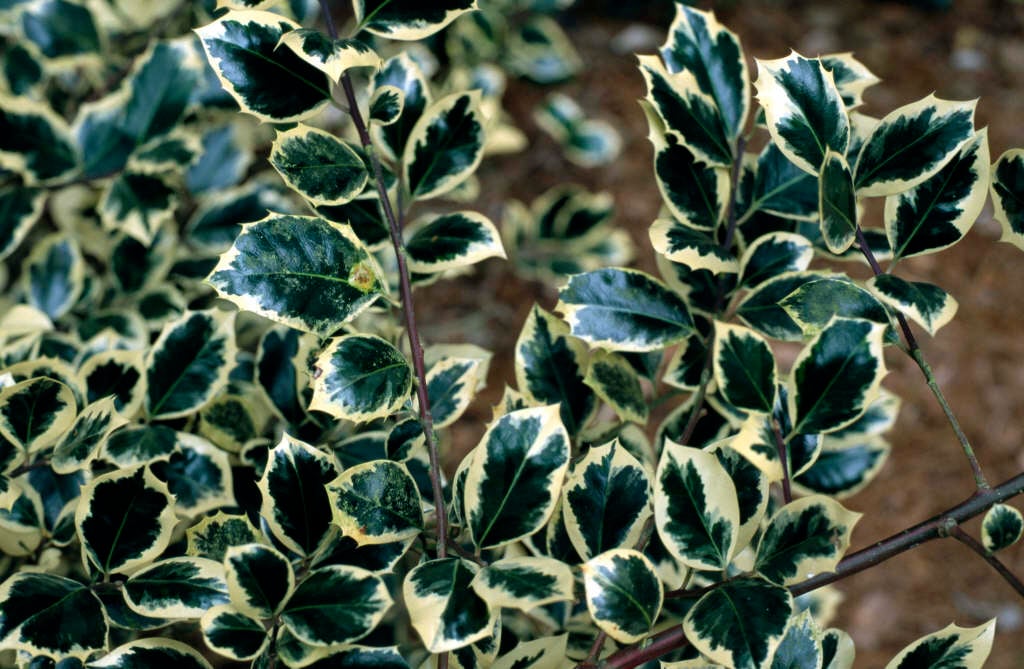
Ilex aquifolium 'Argentea Marginata' (f/v)
silver-margined holly
- Height
- Higher than 12 metres
- Width
- 4–8 metres
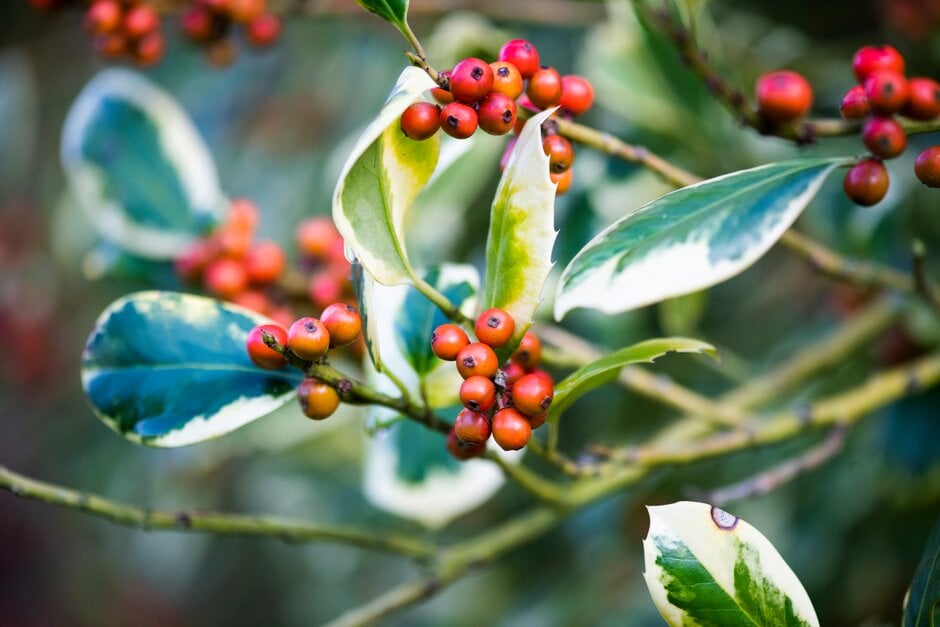
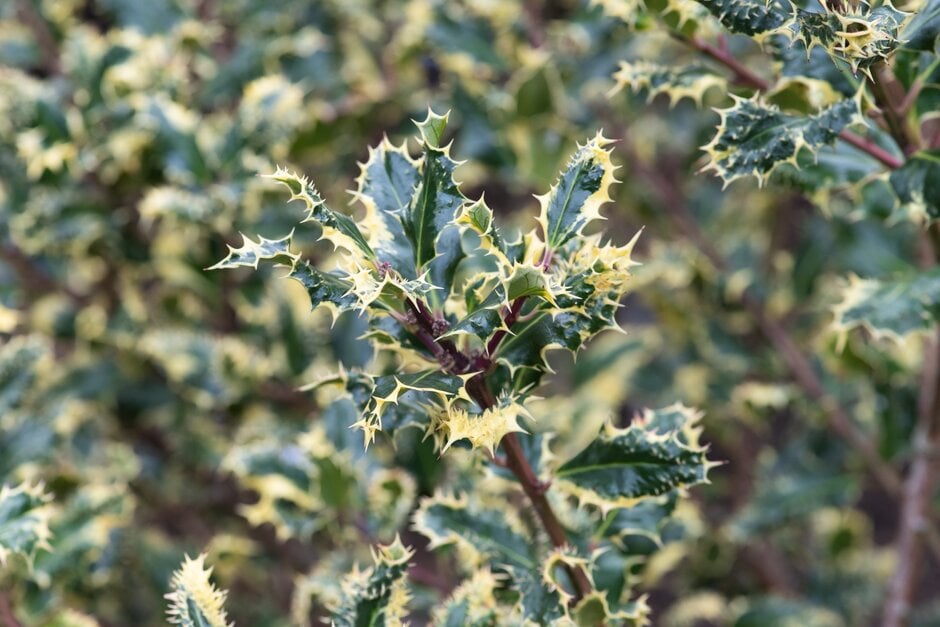
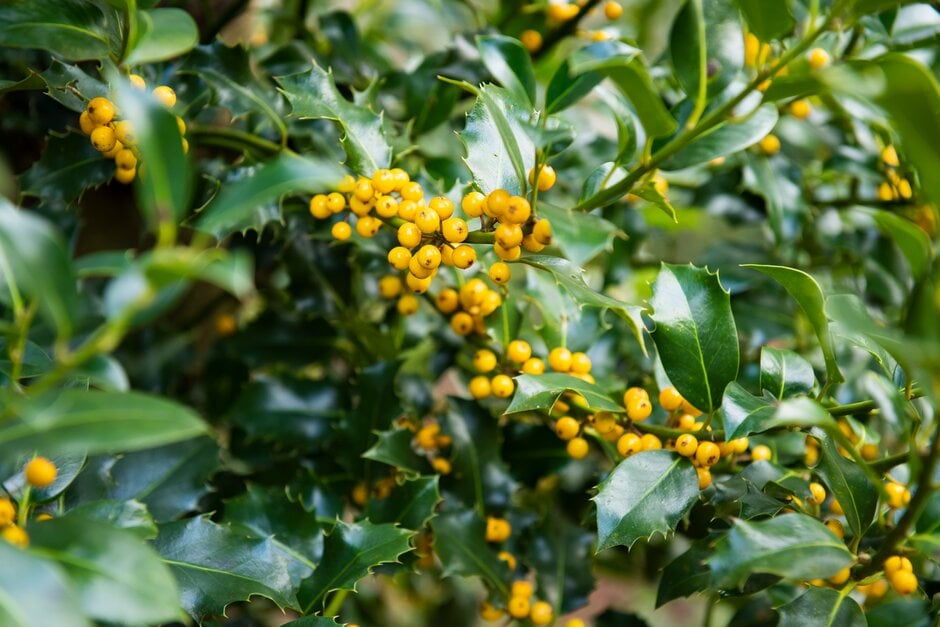
Ilex aquifolium 'Pyramidalis Fructu Luteo' (f)
holly 'Pyramidalis Fructu Luteo'
- Height
- 4–8 metres
- Width
- 2.5–4 metres

x of x
Showing
x to x
of x