Quick Facts
Most hollies are evergreen and easy to grow
1
Female forms produce colourful, long-lasting berries
2
Grow in sun or partial shade
3
Good for hedging and clipping into shapes
4
Happy in most soil types as long as they are not waterlogged or very dry
5
Good for wildlife and pollinating insects
6
Variegated cultivars give foliage interest
7


Before you get started
What are hollies?
Hollies are very versatile shrubs, or slow-growing small trees, for sun or partial shade and most are hardy throughout the UK. Best known for their spiny evergreen leaves and red berries, hollies – in the genus Ilex – are surprisingly varied. Foliage may be smooth and spine-free or spiky all over, in shades of dark, bright or blueish green plus a wide range of forms. Berries on female plants may be red, orange, yellow or black, and there are species that display their berries on bare winter stems.
Choosing
The main features affecting your choice are likely to be overall size and shape, foliage interest and berry display. Look for hollies that have received the RHS Recommended: Award of Garden Merit which shows they performed well in RHS trials so are reliable choices.
Size and shape
Hollies range in size from small shrubs reaching less than a metre to small trees ultimately reaching 8-15m. However, they are generally slow-growing and respond well to pruning and training, so their height and spread can be easily controlled.
Ilex crenata used to be recommended as an ideal alternative to box. From our experience and members’ enquiries, this plant dislikes hot, dry summers and cold, wet winters. It thrives best in cool summer temperatures and well-drained, slightly acidic soil that has summer moisture. This may make it an unsuitable choice for many gardens in the UK.
Naturally compact varieties are a good choice for clipped topiary shapes, and there’s a good choice of cultivars for medium to tall hedges.
In time, hollies can make impressive specimen shrubs or small trees, with year-round interest.
Foliage
Most hollies, including UK common holly (Ilex aquifolium), have spiny leaves making them a good choice for impenetrable, medium to large hedges. The hedgehog holly (I. aquifolium ‘Ferox’) is truly ferocious, with spines all over the leaf surface, while I. × altaclerensis ‘Camelliifolia’ is spine-free.
There is a wide choice of variegated cultivars which are popular for clipped topiary, such as lollipop-shaped standards, cones and obelisks.
More unusual hollies have leaves with different shapes, or with a distinctly blue-grey or olive-green cast. Some of these are less hardy than more popular species, so may need a more sheltered position. A few species are deciduous, shedding their leaves altogether in autumn. These need and a sunny spot to thrive.
Berries
Hollies produce inconspicuous, usually white or cream, cup-shaped flowers in spring clustered at the base of the leaves where they attract pollinating insects.
Most hollies are either male or female. For the berries to set, female plants need a male plant growing nearby to act as a , although some such as Ilex aquifolium ‘J.C. van Tol’ are self-fertile and will produce berries alone. One male plant can pollinate many female plants within 20-50m. Always check the label as names can be misleading: I. × altaclerensis 'Golden King' is a female and I. aquifolium 'Silver Queen' is a male.
Deciduous hollies such as Ilex verticillata and I. serrata prefer neutral to acid soils and a sunny position. They are not frequently grown in UK gardens, but I. verticillata is widely available at Christmas time as cut branches covered in red berries. In the garden you need both a male and female deciduous holly for berries – they cannot be by evergreen species.
Most hollies produce red berries, but I. crenata and I. glabra have black berries, I. aquifolium ‘Bacciflava’, I. aquifolium ‘Pyramidalis Fructo Luteo’ and I. verticillata ‘Winter Gold’ have yellow berries, and I. aquifolium ‘Amber’ has orange berries.
More inspiration
Visit National Collection holders if you would like to see a wider range of hollies, including RHS Garden Rosemoor in Devon.
Use the RHS Find a Plant tool to browse descriptions and images of many different hollies, with filters to narrow down your search by a range of characteristics including size, leaf and berry colour.
Buying
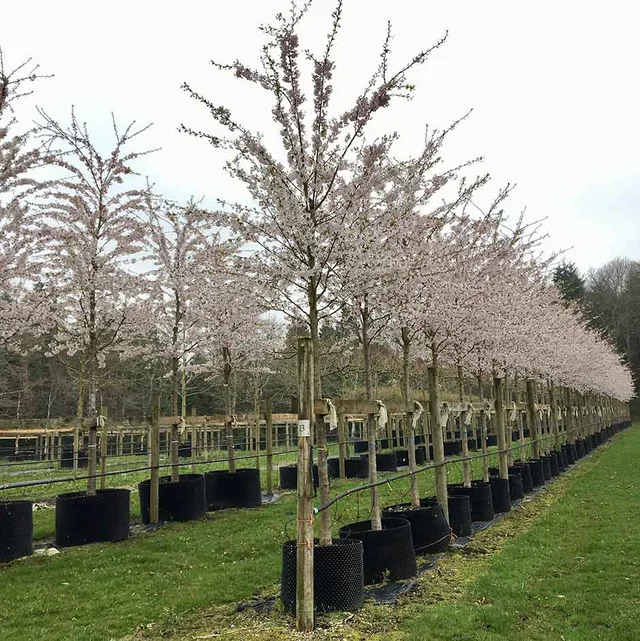
Hollies are available for sale as container-grown plants all year round. During autumn to spring, hedging is also available as plants, and specimen trees and shrubs as rootballed plants (where the root system and surrounding ball of soil is being held together with fabric and, sometimes, wire mesh).

Planting
When to plant
- Hollies bought in containers can be planted at any time of year.
- Autumn and spring are the best times to plant as the moist but warm soil encourages good root growth.
- If you buy a holly in summer, plant it as soon as possible and water it regularly.
- You can plant in winter as long as the soil is not or frozen.
- and rootballed hollies should be planted when dormant from autumn to early spring – these are the times they will be supplied by nurseries.
Where to plant
- Choose a position in full sun or partial shade; plain green hollies will tolerate full shade.
- cultivars are best planted in a sunny situation to encourage good leaf colour.
- Avoid planting in areas that are prone to waterlogging or become very dry in summer.
- Most cope well with a wide range, but some, including Ilex verticillata, I. serrata, I. opaca and I. pedunculosa, need neutral to .
- Clipped shapes and standards (lollipops) are popular choices for containers.
How to plant
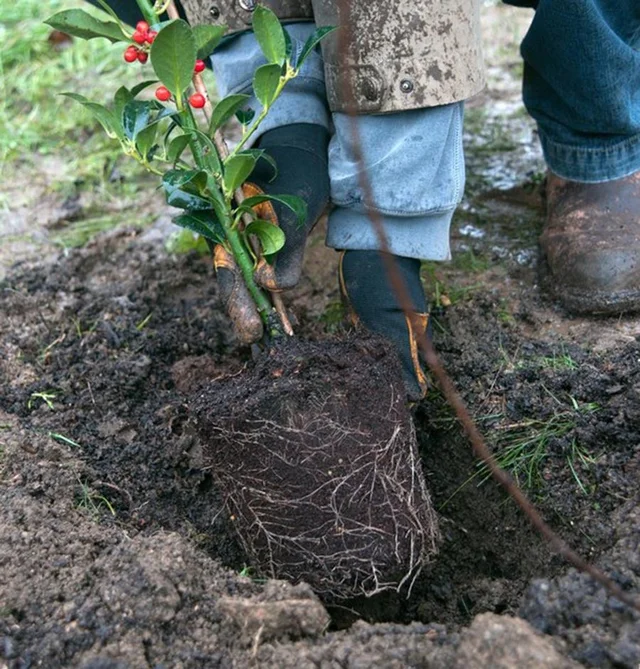
Our guide below takes you step-by-step through planting your holly.
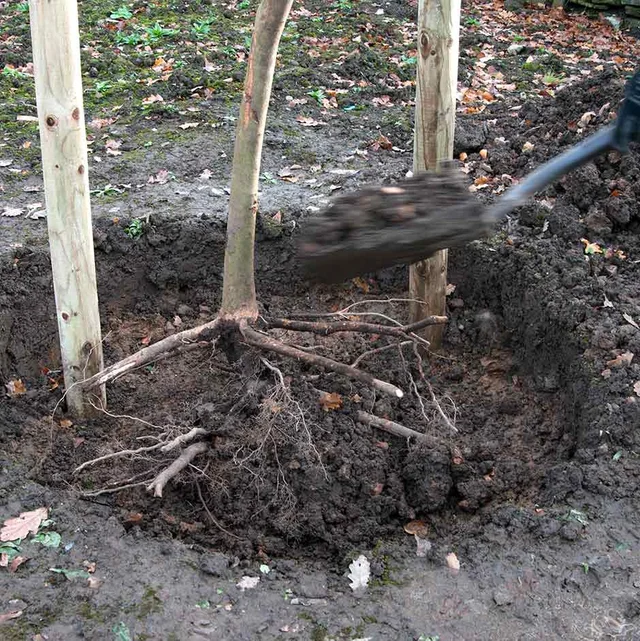
If your soil is prone to staying wet, consider planting on a slight mound, about 25-30cm high and 1m in diameter. This will help prevent roots from rotting in wet soil. the mound well with a 5-7cm layer of well-rotted organic matter, such as garden .
If planting a rootballed holly, follow the planting and aftercare guide below.
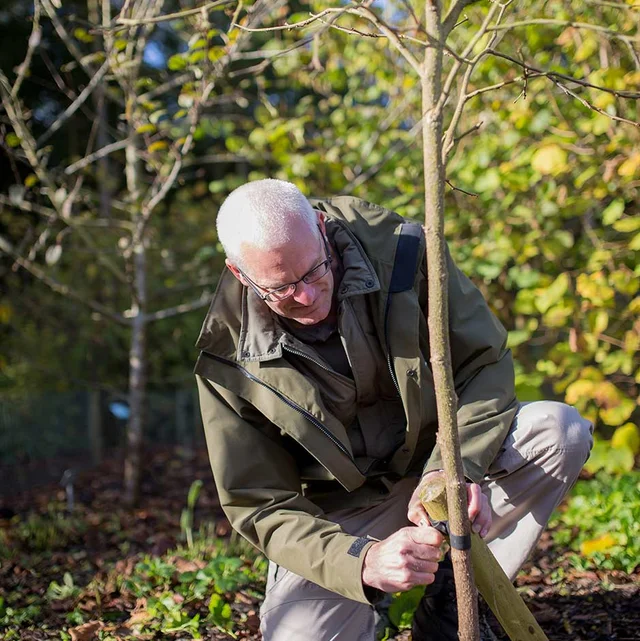
For holly hedges, follow this planting guide.
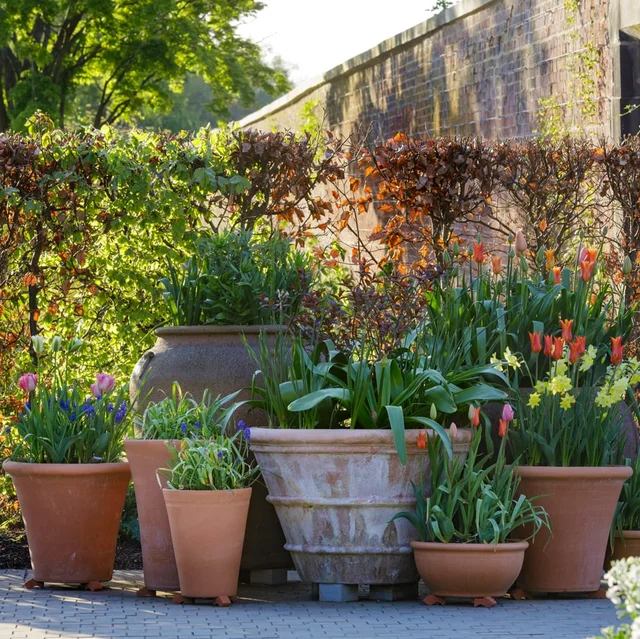
Planting hollies in containers
Plant your holly in a container about 5cm larger all round than its original pot. Fill the gap with a peat-free compost with added John Innes or a 50:50 mix of John Innes No 3 and peat-free multi-purpose compost.
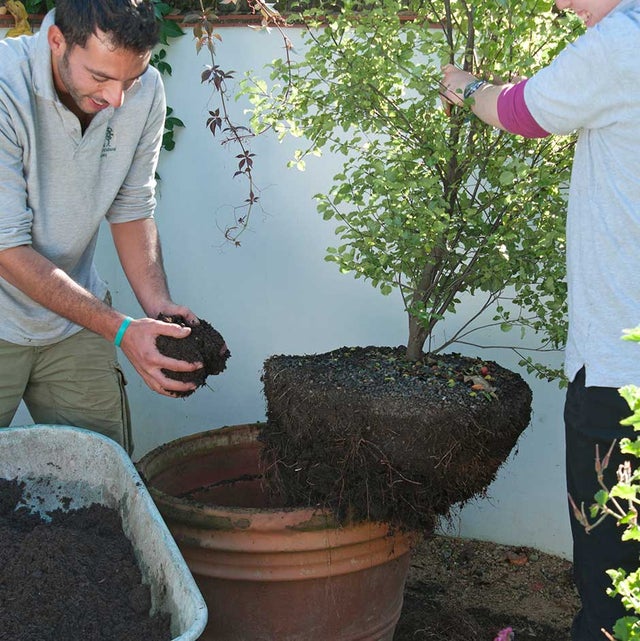
After two to three years, the roots will have filled the container and it will benefit from re-potting in spring into a larger container – again about 5cm larger all round.
Ongoing care
Watering
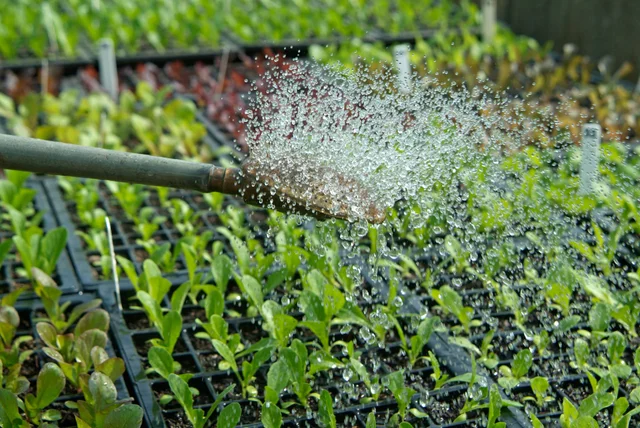
Water newly planted hollies during dry spells in spring and summer for the first couple of years, until their roots have grown out into the surrounding soil. Bear in mind that if you are planting a more mature specimen they can take longer to fully establish.
Established hollies are fairly drought-tolerant and shouldn’t need regular watering. However, if they are very dry soils, or in a very sunny spot, they may need watering in prolonged dry spells. Hollies and other evergreens are quite slow to show signs of stress. If leaves start to lose their lustre and look matt it’s time to act.
Feeding and mulching
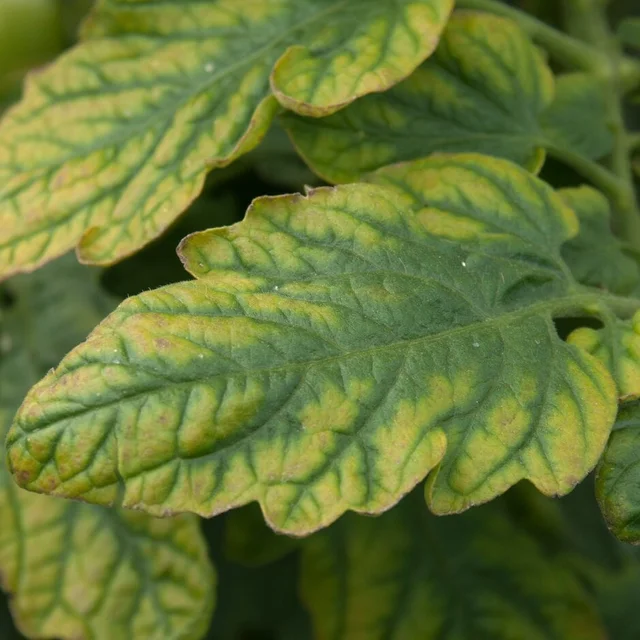
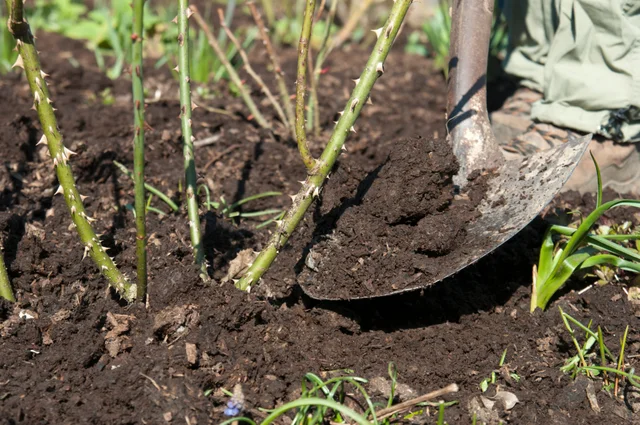
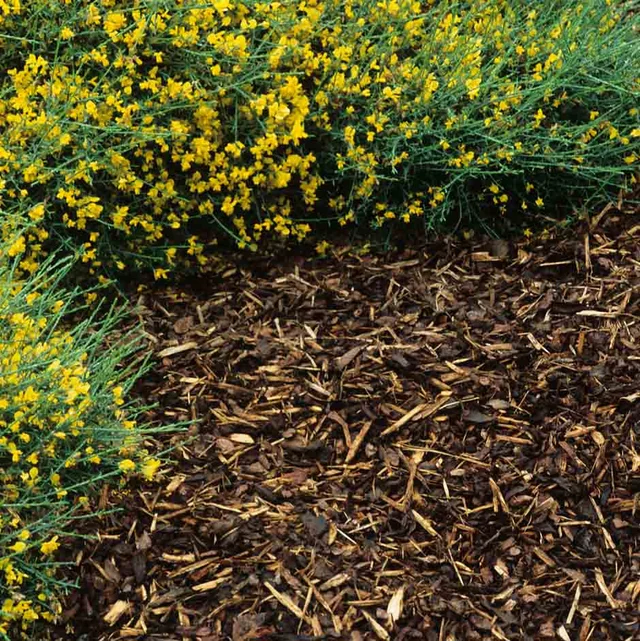
Hollies planted in borders do not need any special feeding unless they are showing signs of nutrient deficiencies. However, they will benefit from regular mulching in spring with a layer of bulky organic matter, such as homemade or manure-based soil conditioner. This will hold on to moisture in the soil, reducing the need to water, and provide as it breaks down. Leave a -free circle immediately around the base of the plant to prevent stem rot.
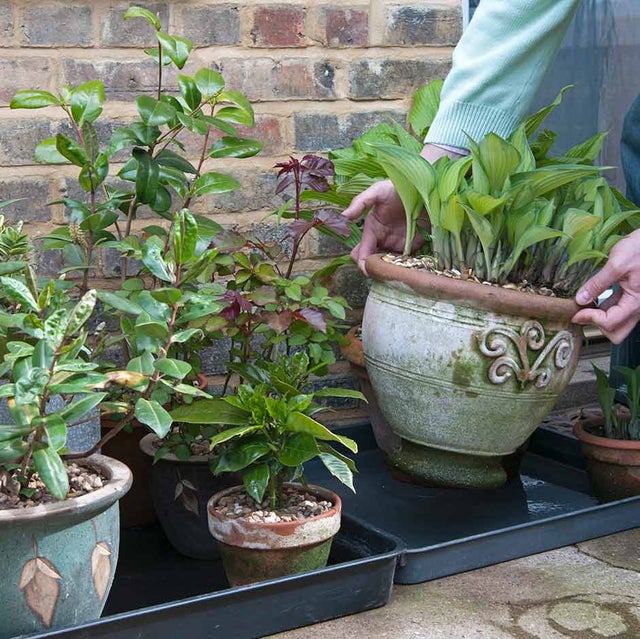
Hollies in containers
The small volume of compost in a container can rapidly run short of water and nutrients, so will need regular top-ups.
Pruning and training
Evergreen specimen trees and shrubs
Prune in mid- to late summer.
- If growing as a specimen tree or shrub, prune to encourage the plant to develop a strong central leader. You’re looking for one main central shoot – if there are other vertical shoots that are competing for that central, top spot, use secateurs to cut out or shorten the competing shoots.
- On more exposed sites, you may need to stake the central stem to keep the plant straight.
- To enhance the natural pyramidal shape, prune any protruding branches that spoil this shape, cutting back to within the canopy to hide the cut ends.
- If you are growing cultivars, watch out for reverted (plain green) branches and remove them, pruning back to branches that are showing .
- Trim off winter-damaged young growth in mid-spring.
Evergreen hedges and clipped shapes
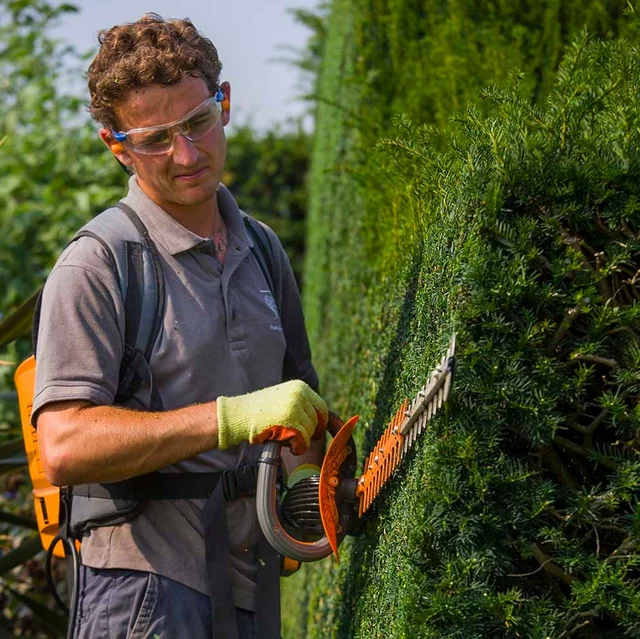
Prune in late summer. If pruned earlier a second flush of uneven regrowth may occur, and spoil the clean outlines created by pruning.
See our guide to training and pruning hedges.

Deciduous shrubs
Keep pruning to a minimum, lightly trimming in winter.
If training as a bonsai, follow our guide below.

Renovating older plants
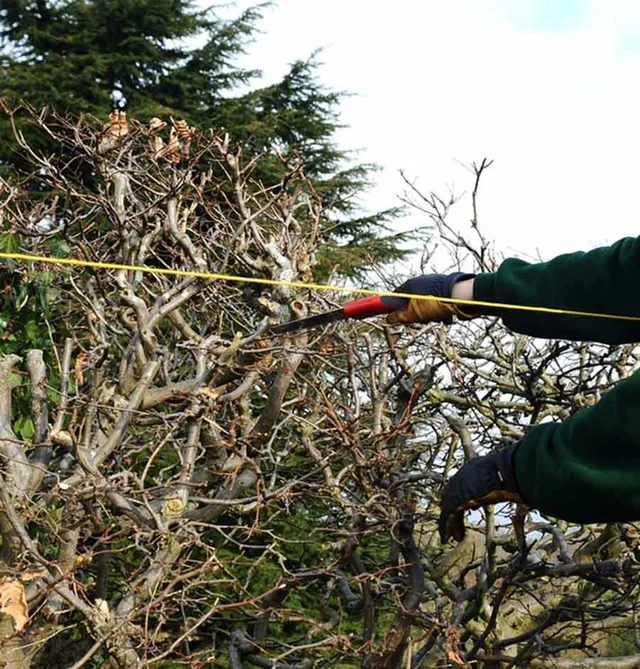
- Evergreen hollies generally respond well to renovation pruning in spring. You can safely reduce growth by up to a third in one year.
- If you need to do more substantial reduction, spread the pruning over two to three years.
- The regrowth can be vigorous but is often not evenly spread across the plant. To help it form a new, neat surface, cut off the tips from the new shoots when they are about 7-15cm long. If you do get clumps of new growth, you can thin them by snapping out a few of the shoots by hand when they are still young.
- If renovating a hedge, follow the advice below.
Propagating
Layering
This is the easiest and most successful way to propagate hollies. In spring, take a young shoot growing close to the ground and bend it down to the soil. Where it touches the ground, dig a shallow hole and peg the branch into the bottom with a hoop of wire. Fill in the hole with soil.
The layer can take a couple of years to root but can then be cut off the main plant, dug up and moved to its final position in autumn or spring.
Cuttings
Propagating from is quite difficult, but can potentially produce a lot of new plants that are identical to the parent. The best methods to try are:
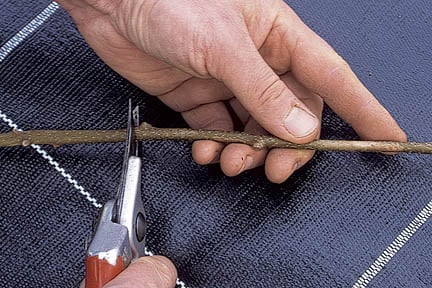
in autumn to mid-winter:
- Prepare stems 7.5-10cm long by removing all but the top two leaves
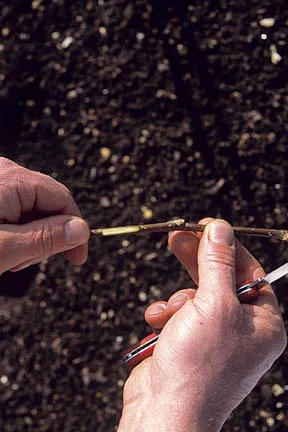
- To improve the chances of rooting, ‘wound’ the cutting by slicing off 2cm of from the base up the side of the cutting
- Push the cuttings into pots containing a 50:50 mix of peat-free multi-purpose and horticultural grit
- Water well and, ideally, place in a as warmth will improve the success rate of rooting
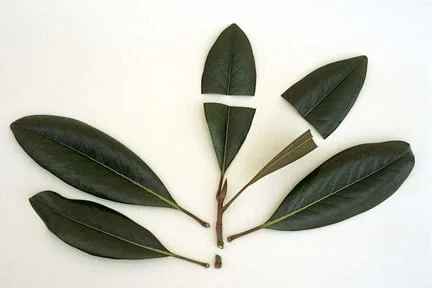
of evergreens in late summer:
- Cut out the soft tips and then use the standard method for semi-ripe cuttings (see our guide below)
- Make sure that you remove lids or plastic covers from the cuttings regularly to control (if they are soggy for long periods, they will rot and drop leaves)
Propagating by seed
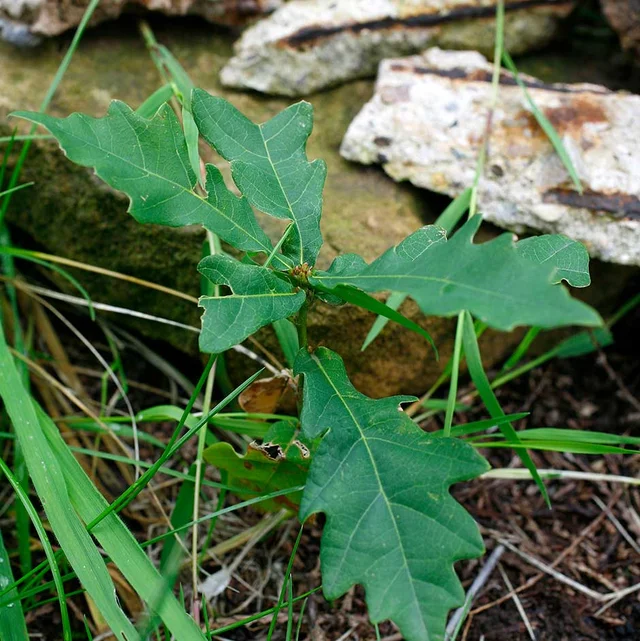
Hollies can be grown from seed, and this method works well for species, such as common holly, Ilex aquifolium, as the resulting will all be similar to the parents. If you try growing a named (such as a plant), the seedlings may be quite different from the parent plants.
- Collect the ripe berries in autumn and extract the seed by hand
- Sow the fresh seeds in pots or trays and then place outdoors in a coldframe or at the base of a house wall (where it is sheltered from the worst of the rain) to expose the seeds to winter chilling – this helps to break seed
- Seeds that have been stored will need cold moist stratification. To do this, mix the seed with damp sand and place in a tied plastic bag in the fridge for three months before sowing
Problems
Hollies are usually trouble-free; however, there are a few things to watch out for.
- Premature leaf drop and defoliation may be caused by holly blight disease. However, do remember that it’s common for evergreen hollies to lose some leaves in spring, especially after a cold winter.
- Hollies are prone to honey fungus. Where there is leaf loss and dieback that can't be accounted for by holly blight and weather damage, it’s worth checking the roots for signs of the fungus.
- Black deposits on the leaves (sooty mould) would suggest the presence of cushion scale.
- Yellowish-white or yellowish-purple blotches on the upper surface of older leaves can be caused by holly leaf miner.
- Hollies struggle on wet soils. The excess soil moisture is damaging to the roots and results in poor growth or dieback. Consider improving drainage or moving the shrubs to a better-suited position.
- New shoots can attract aphids.
If your holly doesn’t seem to be thriving and you are not sure what is wrong, the guides below are a good place to start.


Or, if you’re a member of the RHS, you can use our online Gardening Advice service, via MyRHS.