Quick Facts
Easy to grow from seed
1
Likes well-drained soil in full sun
2
Flowers from summer to autumn
3
Stake stems in a windy spot
4
Replace plants every few years
5
Attracts butterflies and bees
6


Before you get started
Choosing a hollyhock
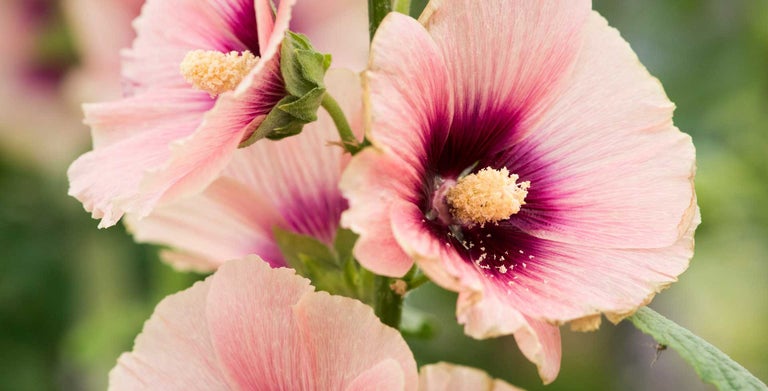
Hollyhocks are fully hardy and flower in the second year after sowing. They are short-lived perennials and available in both single and double flowers. Before choosing which to go for, you might like consider the following:
- Have you got a suitable location in the back of a sunny border or along a wall?
- If your garden is windy, choose a sheltered spot and stake your plants as they begin to grow
- Single flowers are best to attract pollinators like bees and butterflies
- Hollyhocks are not long lived so always allow to grow and keep the best plants and flower colours
- Choose colours that will compliment your other border plants
Go to RHS Find a Plant and search for Alcea rosea to browse the photographs and plant descriptions, and find out where to buy them.
Buying a hollyhock
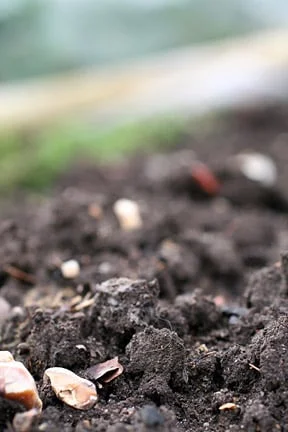
Hollyhocks are available as seed, small and young plants in containers up to 2 litres in size.
Seed is widely available all year round in garden centres and online. There is a wide range of single and double flowered-forms, which are sold as mixtures or single colours. This an economical way to add these plants to your garden and the choice is more extensive than when purchasing plants.
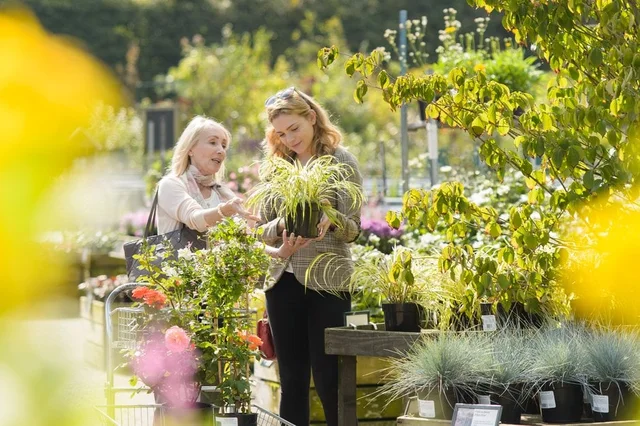
Plug plants or young plants are available in spring, although the choice may be limited. You can buy them in garden centres or online.
Planting
Where to plant
Hollyhocks will grow in any garden soil, but prefer fertile, well-drained soil, in full sun, to produce the tallest flower spikes. Choose a position that is sheltered from strong winds, else they tend to blow over.
When to plant
Pot grown hollyhocks are best planted in spring or autumn, but can be planted at any time, spacing them 60cm (24in) apart.
, bought in garden centres or online, are best grown on in 10cm (4in) pots to establish a good root system, before planting out into the garden.
If growing hollyhocks from seed sow indoors in mid- to late spring or directly in the position you want them to grow in May/June (See the Propagation section below for more details).
Top tip
Protect young plants from slugs, as they quickly eat the leaves.
Ongoing Care
Watering
Water and young plants regularly, ensuring the top 15cm (6in) of soil is damp but not soggy, in the first few months. After that, plants in the garden should only need water in prolonged dry or hot spells. See our guide to watering
Top tip
To encourage a good root system keep young plants moist until established. This will result in bigger flower spikes more quickly in summer
Staking
If your garden is windy, place a bamboo or stout stake close to each stem and tie the stem to the support as it grows.
Feeding
Usually, plants growing in a good garden soil will not need additional feeding. Just improve the soil by adding a 10cm (4in) layer of well-rotted garden as a to the soil after planting.
Deadheading
Cut the flower spikes to the ground when the flowers have faded. If you want to save the seed, wait until the seed cases are brown before collecting the seed and then cutting down the stalks.
End of season care
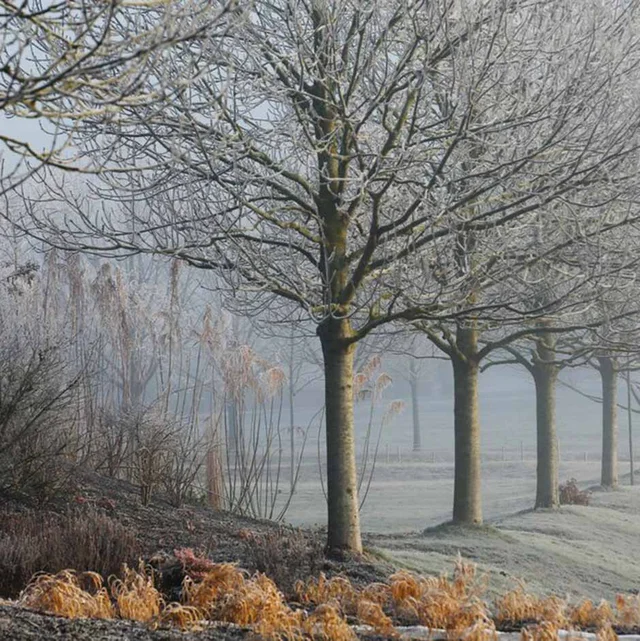
Hollyhocks are full hardy and don’t require any special treatment over winter. Remove all dead leaves and discard plants that have been badly effected by rust disease (see problems below).
Pruning and Training
No pruning is required, just remove any leaves that are heavily infected with rust disease through the summer and cut down the flower spikes when the flowers have faded.
Propagating
Hollyhocks are easy to grow from seed and will readily self-seed in your garden. The new plants may not be exactly the same as the parent plants, if they are hybrids or cultivars. Self-seeded plants can be lifted while young and to a spot in your garden where you would like them to grow.
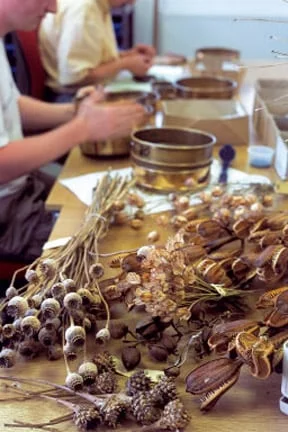
Sow Hollyhock seeds indoors or in a greenhouse in spring (April/May). They germinate easily in temperatures of 16-21 0 C (61-700 F), so placing in a encourages . If the seed pot is placed on a windowsill, germination is just a bit slower. See our guide to sowing seed in-doors
Alternatively, sow seeds directly in the ground where you want them to grow in May/June. Hollyhock seed can also be sown in autumn and the young plants over-wintered in a or cold greenhouse, to flower the next year.
Problems
Young plants are suceptible to damage by slugs and caterpillers. Flea beetles can occassionally cause significant leaf damage.
Hollyhocks are susceptible to rust disease and plants should be replaced after a few years, to prevent a build-up of disease. Collect all dead and diseased tissue at the end of the season to reduce the carry-over of rust spores to the next year.