RHS / Philippa Gibson

Appearance
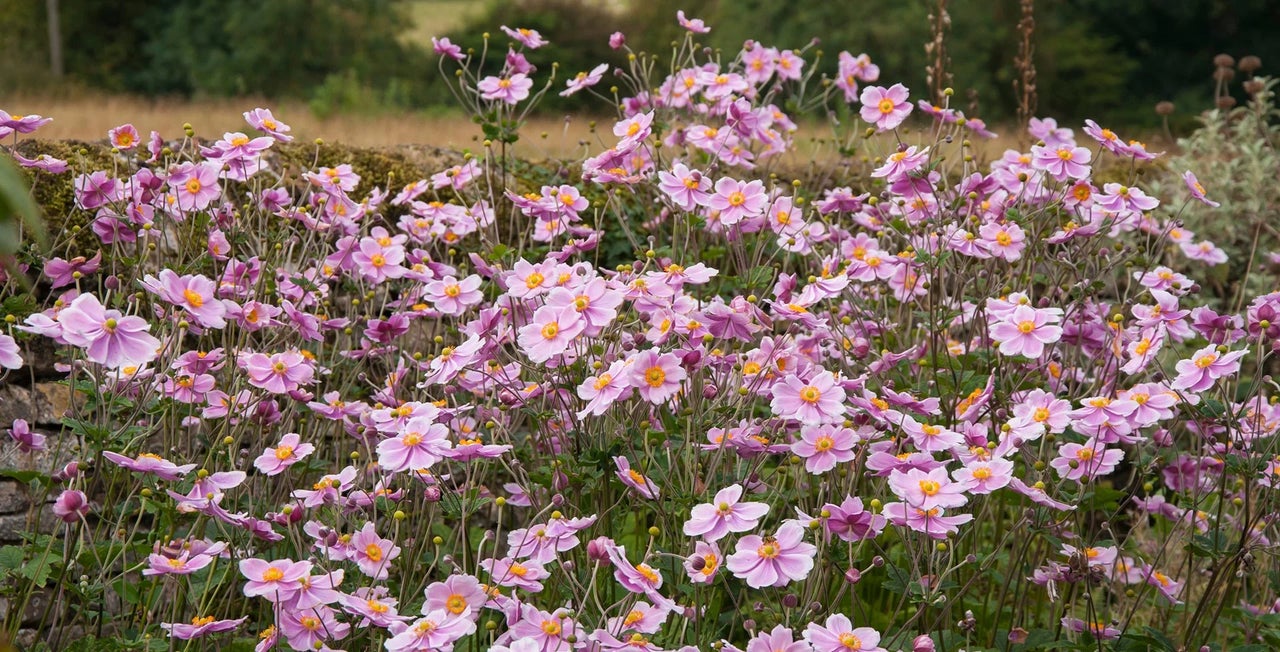
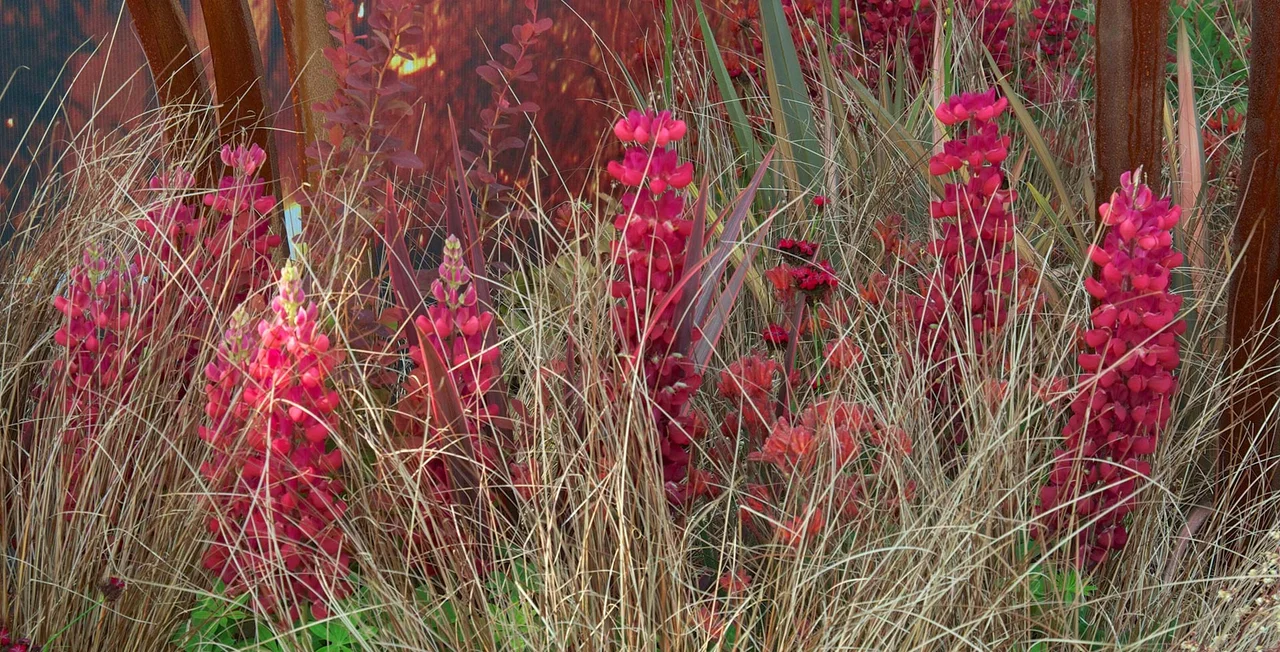
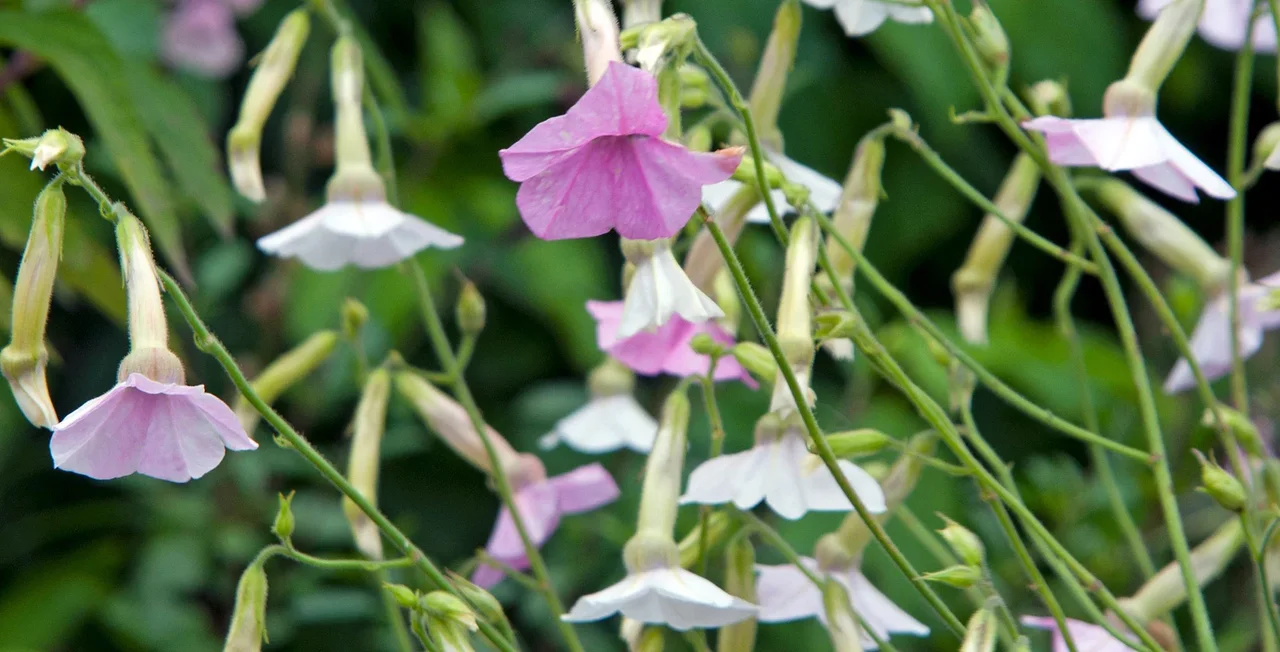
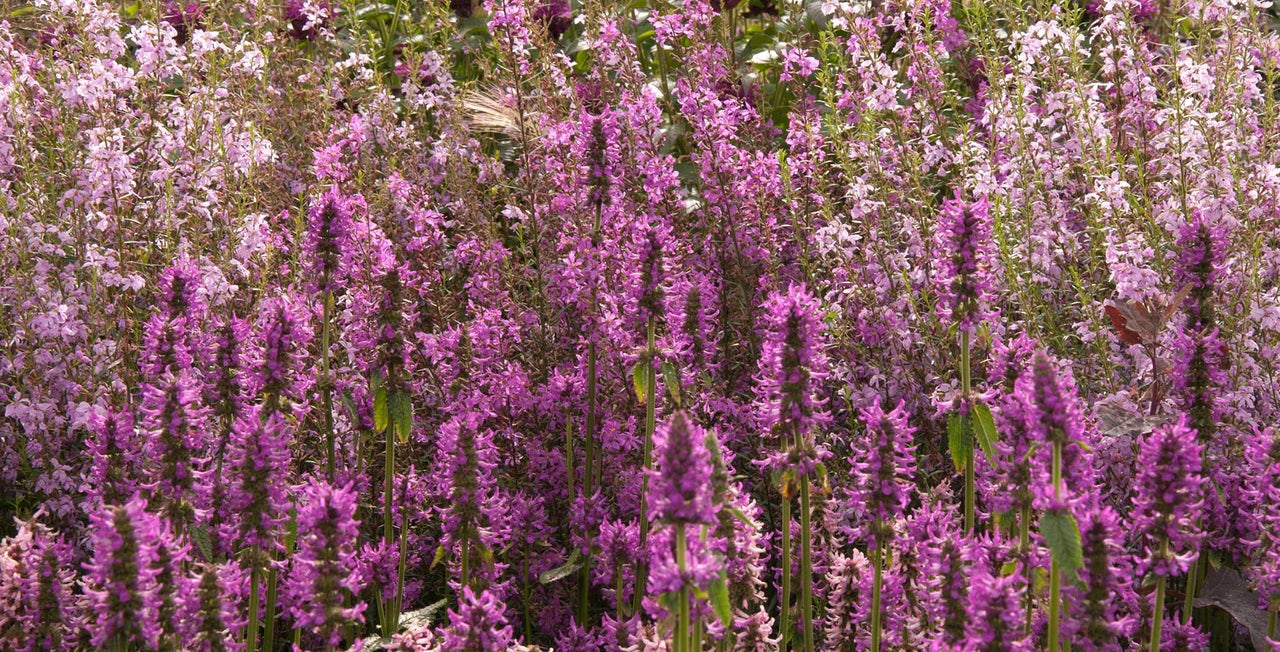
Lychnis vary widely in looks, from low-growing mats to tall, branching forms. The flowers come in many different styles too – held in clusters or singly, some simple, others double or ragged edged, in shades of purple, pink, red or white. The leaves may be green or silvery-grey.
Preferences
Most grow in any soil that drains easily, in sun or light shade. Grey-leaved types, such as Lychnis coronaria and L. flos-jovis, andthe shorteralpines, such as L. alpina and L. viscaria, prefer well-drained soil in full sun. L. chalcedonica and L. flos-cuculilike moister conditions.
Dislikes
The grey-leaved species, as well as Lychnis alpina and L. viscaria, dislike shade and damp soil, while L. chalcedonica and L. flos-cuculi don’t like it too dry.
Did you know?
Lychnis coronaria, with its vivid pink or white flowers and silvery-grey leaves and stems, is probably the most widely grown lychnis and is easily raised from seed. Only three species are native to the UK: Lychnis viscaria (sticky catchfly) and L. alpina are rare, but ragged robin (L. flos-cuculi) grows widely in damp meadows and marshes, so is an ideal choice for moist wildflower gardens.
RHS Growing Guide
FREE
Read our comprehensive free RHS Growing Guide:
How to grow perennial plants

Introducing Lychnis
x of x
Showing
x to x
of x