Appearance
Slow-growing, small to medium-sized, evergreen tree reaching a maximum of 4.5-9m high with an open, graceful branch structure covered in silvery green foliage. Sprays of small, creamy white, fragrant flowers appear in summer.
Preferences
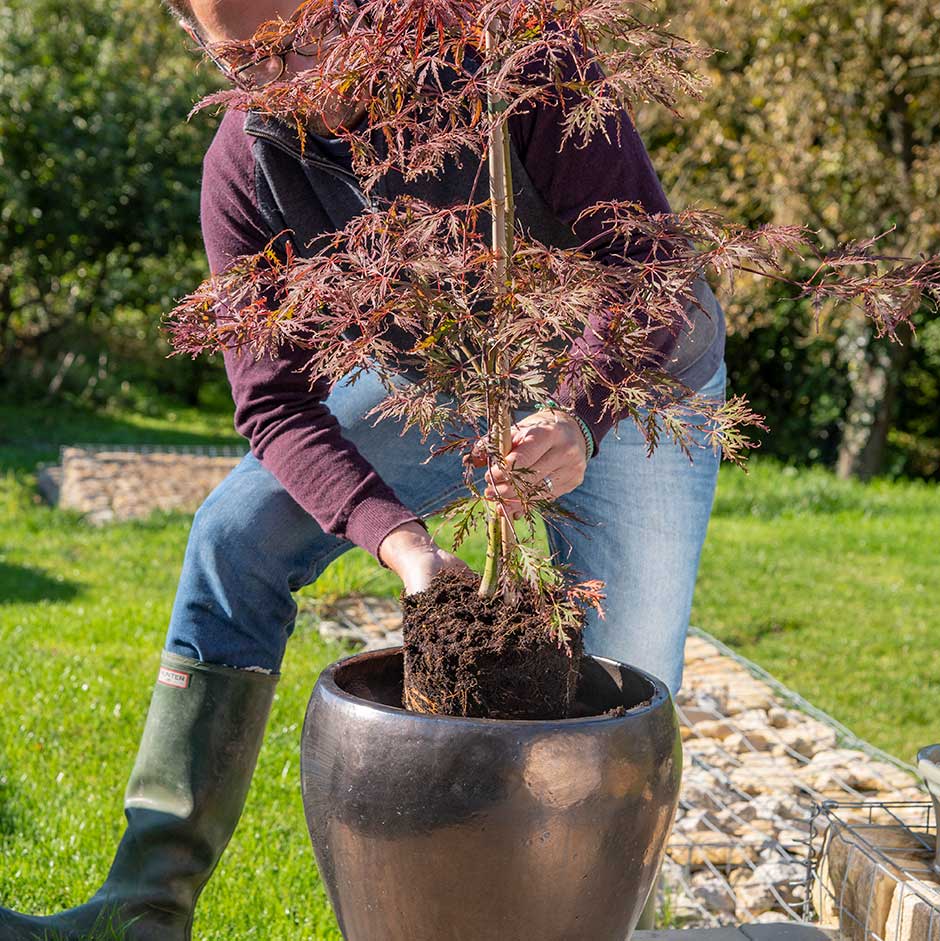
They like a sheltered, sunny garden on well-drained soils. They are also suitable for growing in containers.
Dislikes
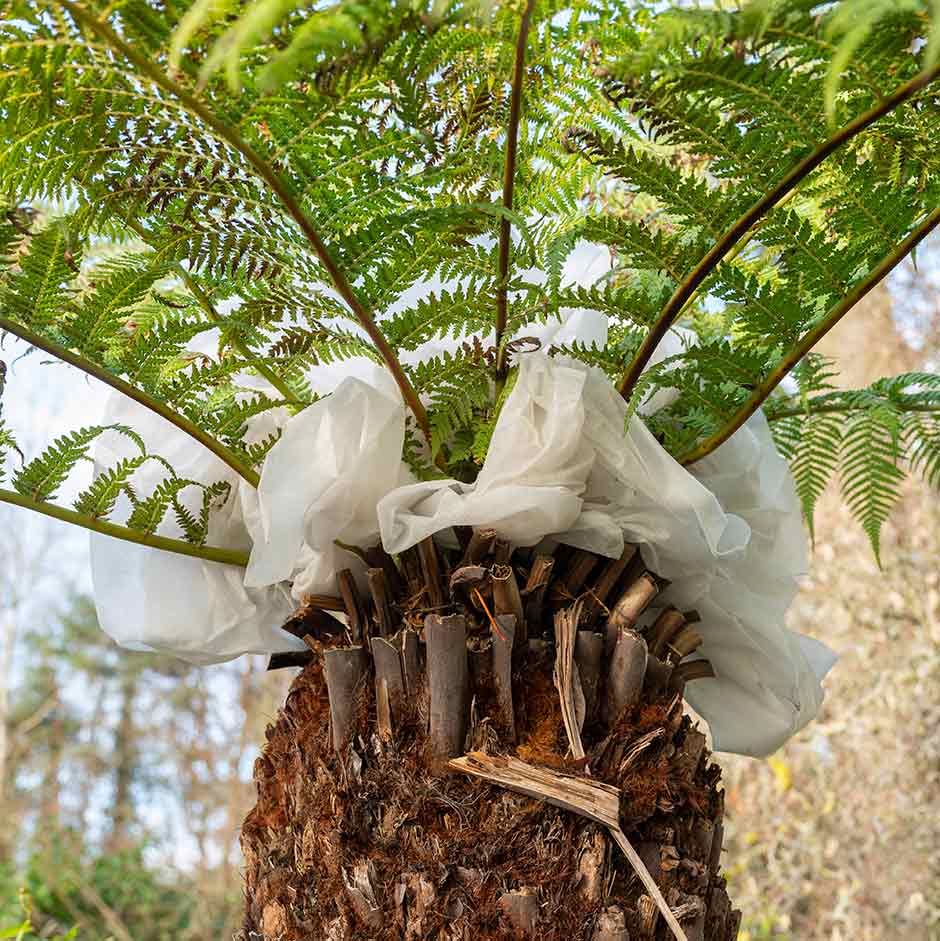
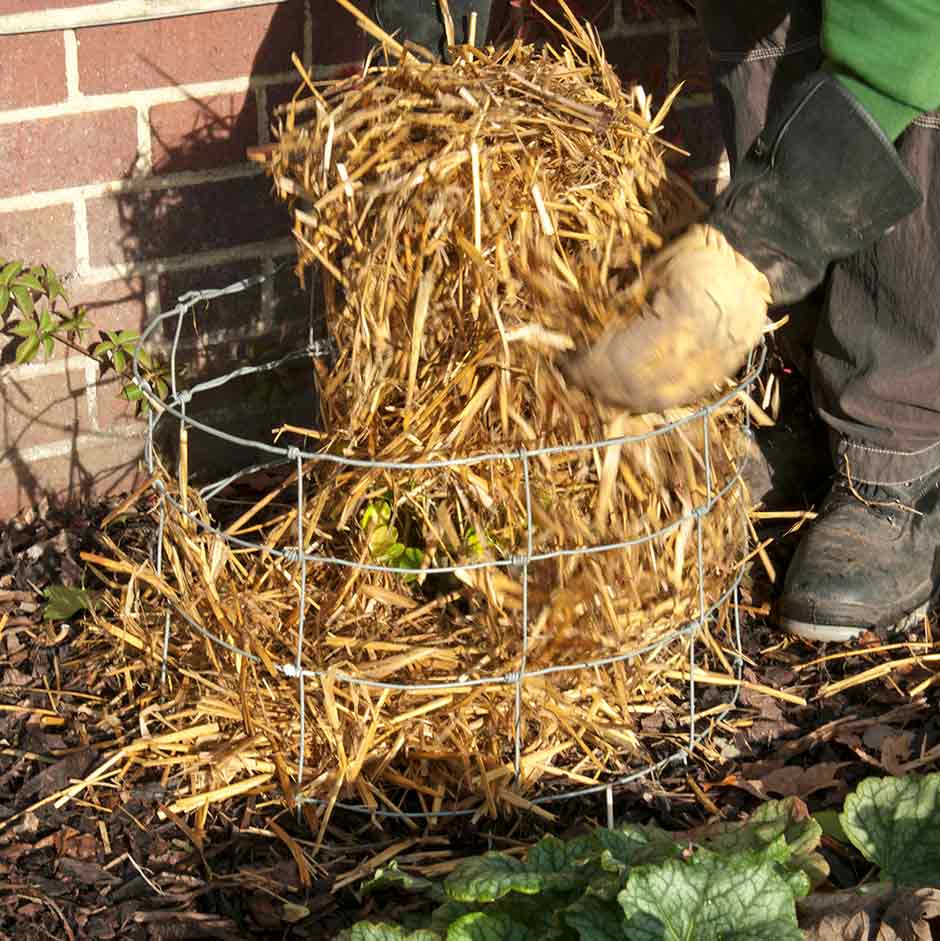
Wet, heavy soils can cause root rot, and harsh frosts can damage foliage. Plants may not survive temperatures below -10°C without some winter protection.
Did you know?
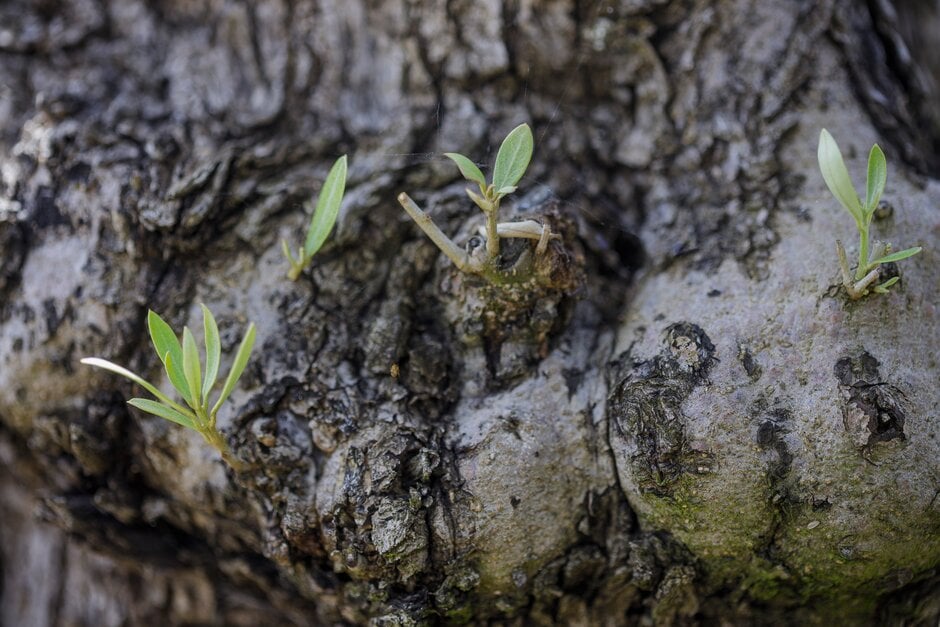
Olive trees can live for a very long time and one of the oldest known trees to still be producing olives is on the Greek island of Crete and estimated to be between 2,000 and 4,000 years old.
RHS Growing Guide
FREE
Read our comprehensive free RHS Growing Guide:
How to grow olives

Introducing Olives
x of x
Showing
x to x
of x