Quick Facts
Winter protection is required in colder parts of the UK
1
The evergreen leaves have silvery undersides
2
Olives can be pruned to suit formal or informal garden types
3
They naturally shed old leaves in spring as new growth emerges
4


Before you get started
What are olives?
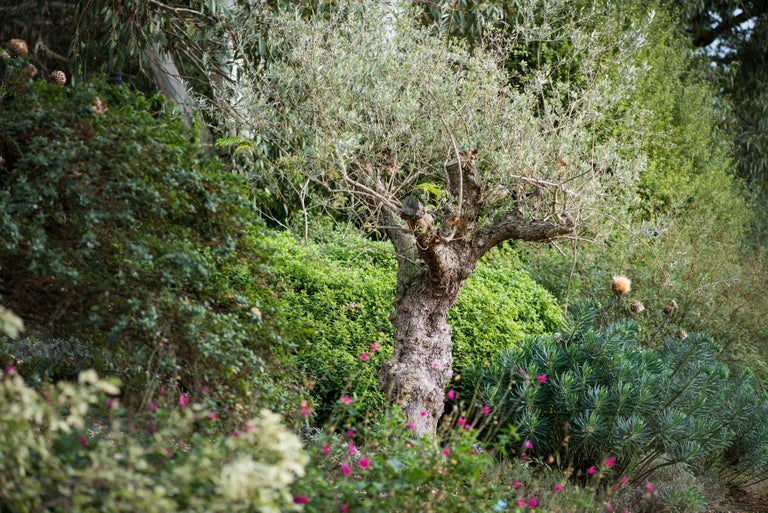
Olives are evergreen, small- to medium-sized trees to the Mediterranean region. Their leathery green leaves are coated in small, white hairs giving them a silvery appearance. The creamy-white flowers may occasionally produce fruit (technically called a drupe) in hot summers in some parts of the UK. The fruit requires special preparation to make it edible.
Choosing olives
Olea europaea is commonly available in the UK in many sizes from mature old trees with beautifully gnarled trunks, which make the perfect focal point in a large garden, to half standards that take up very little space. As olives rarely produce fruit in the UK, they are best chosen for their shape or foliage.
Planting
In the ground
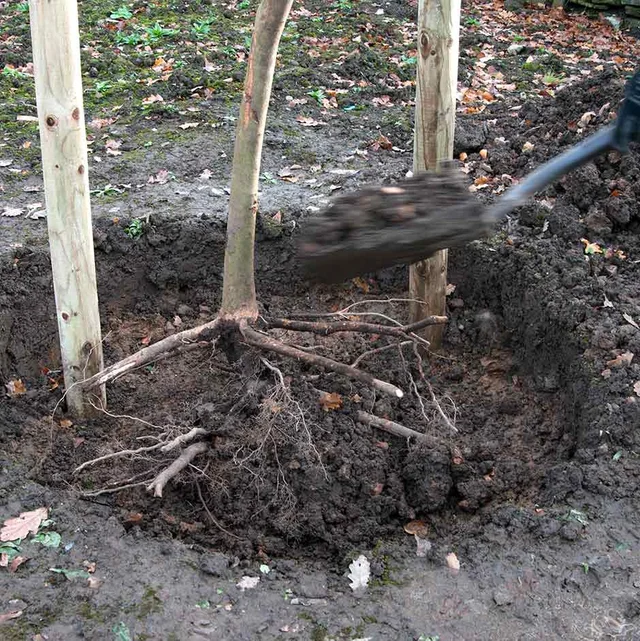
Planting in the ground is best carried out in spring to ensure good establishment in the warmer conditions of spring and summer. However, olives can be planted at other times of year as long as the ground isn’t frozen or .
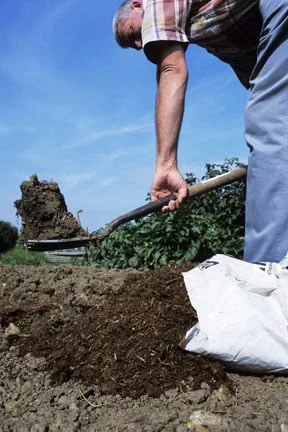
Select a sunny, sheltered site away from cold winds on well-drained soil. Heavier soils will need improving by incorporating well-rotted organic matter (such as homemade garden ) to improve drainage. Larger plants will need to be staked for a couple of years until established.
In containers
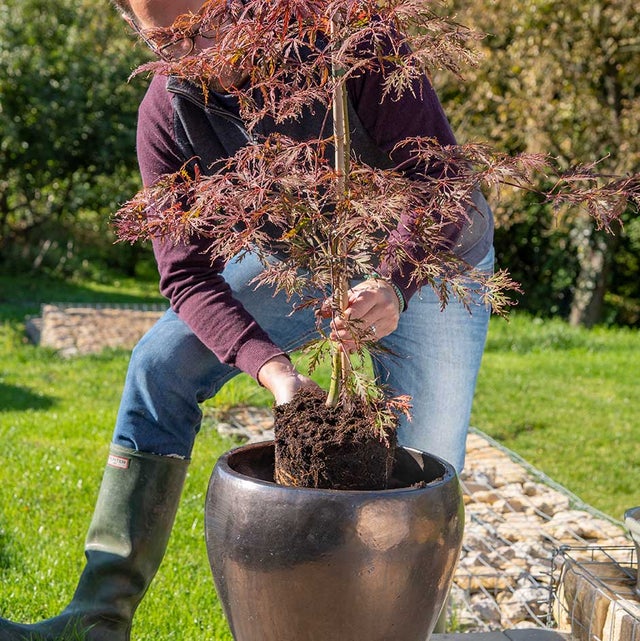
In colder areas or on heavier, wetter soils, plants are best grown in large containers that can be placed in a sunny, sheltered spot outdoors in summer, then moved into a frost-free place over winter. Preferably plant in a thick, frost-proof container with a minimum width and depth of 30–35cm (or large enough to accommodate roots easily). Ensure there are plenty of drainage holes in the base of the container. Use a peat-free, , such as John Innes No. 3, and mix in some horticultural grit (about 20 per cent by volume) to improve drainage.
Ongoing care
Watering
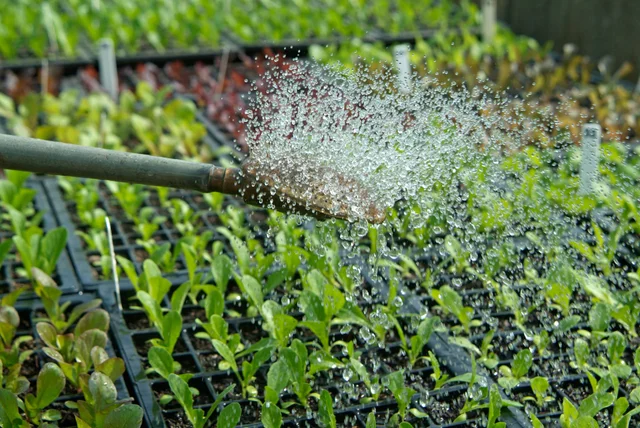
Plants growing in the ground require watering during dry spells until they become established. Once established, they are drought tolerant, only requiring additional watering during extremely prolonged hot, dry, sunny spells.
Container-grown plants will need regular watering from April to late September when the plant is in active growth. Over the winter just keep the barely moist and raise pots off the ground on pot feet or bricks to prevent them becoming saturated.
Feeding
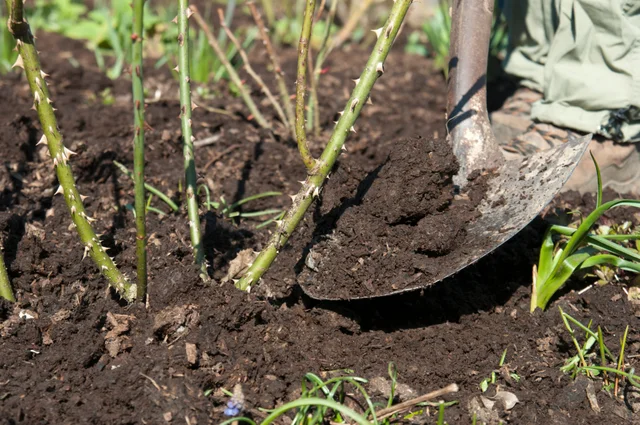
There is no need to feed plants growing in the ground unless they are showing signs of nutrient deficiency. Mulching with your own homemade compost or bought-in, well-rotted organic matter, will slowly release into the soil as it breaks down.
Give container-grown trees a boost by replacing the top layer of compost annually in spring. Carefully scrape away about 5cm of compost from the surface and replace with fresh compost (see Planting in containers above for compost mix).
Overwintering
Many olives are hardy through most of the UK, tolerating temperatures of -5 to -10°C. However, leaves and branches can still be damaged by severe frosts (see Problems below).
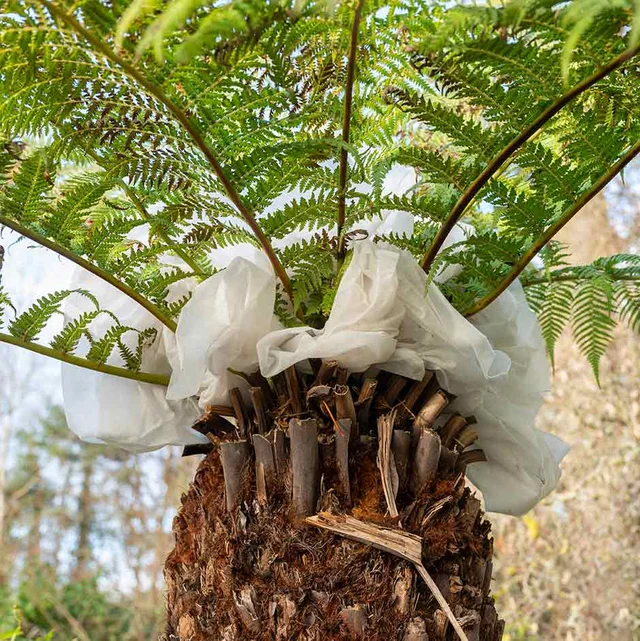
In very cold winters, plants can be protected by wrapping a couple of layers of or hessian around the canopy to prevent weather damage caused by cold winds and frost.
Containers can be moved undercover or placed in a sheltered position away from cold winds, with the container and canopy wrapped to protect against severe frosts.
In milder weather, the wrapping can be removed and replaced when is forecast.
Pruning and training
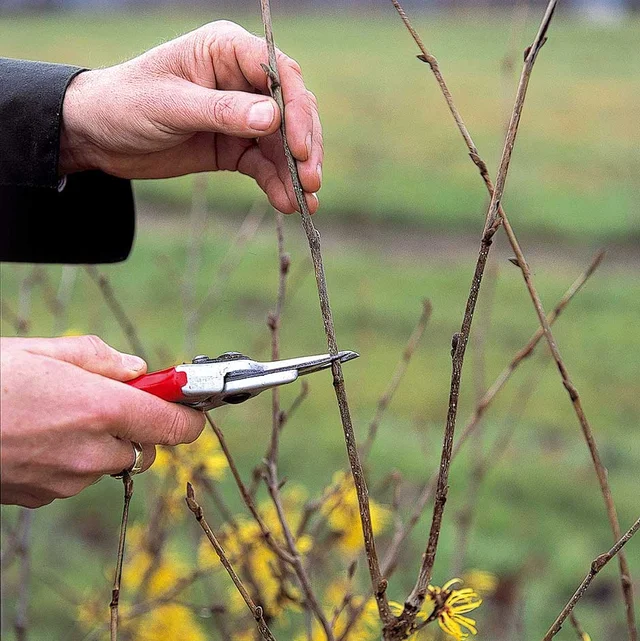
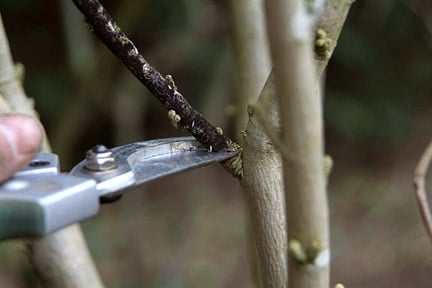
Olives grow slowly, so don't require much pruning. In late spring or early summer, remove dead, diseased or dying branches, pruning back to a sideshoot. At the same time, thin out branches to allow light into the centre of the tree and remove any branches that spoil the shape. Prune off any shoots that are growing from near the base or along the trunk if a clear stem is to be maintained.
Container-grown plants may need additional summer pruning to keep their size in check. When plants in containers get to about 1.5m, the tips to encourage branching.
Young trees can be trained by referring to our formative tree pruning guide below.
Top Tip
Avoid pruning your olives any harder than mentioned in our guide. Hard pruning will just result in the production of vigorous, upright ‘water’ shoots that then need thinning out. Also, do not prune plants later than August as new growth will not have sufficient time to harden before risk of frosts later in the year.
Propagation
From cuttings
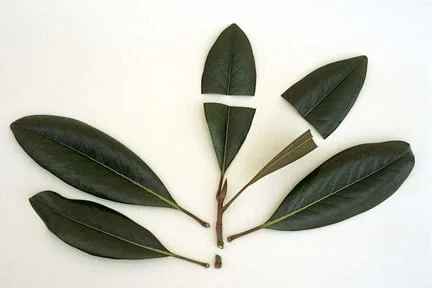
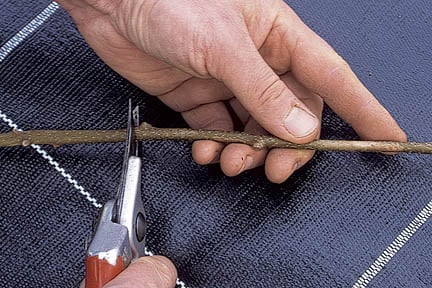
Olea europaea can be propagated by taking in late summer (July–August). Take 10–15cm long, remove lower leaves and place in sandy, peat-free .
Alternatively, in winter, take up to 30cm long from one- or two-year-old wood. Fill pots with sandy, peat-free cuttings compost and ideally provide bottom heat by placing the cuttings in a or on a heat mat. Mist the cuttings to keep the compost just damp, but not soggy, as excessive moisture can cause them to rot. Cuttings can root in a few weeks, but may take a few months.
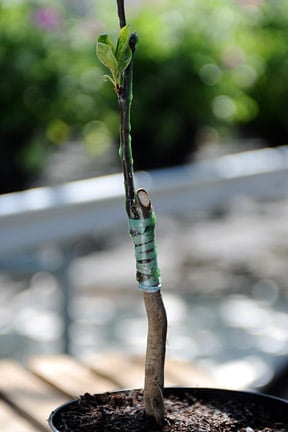
Named cultivars are best propagated by , which is the preferred method in olive-growing regions. However, grafting olives can be difficult, so it is best suited to those who enjoy a challenge.
From seed
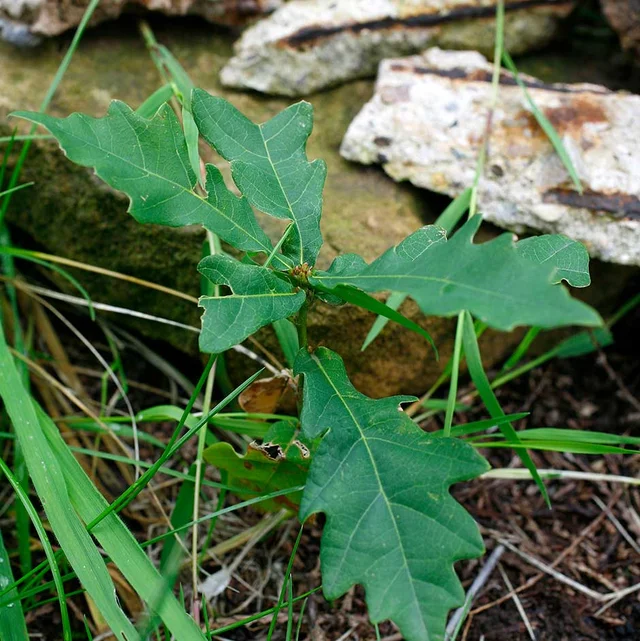
Seed supplied widely in the UK is Olea europaea. Seed from named varieties may not come true to type and can produce plants with characteristics that differ from the parent plant.
Sow seed in spring. The hard seed coat needs washing and lightly abrading with sandpaper or a file. Next, either use a knife to nick the seed coat or soak the seed in warm water for 24 hours. Push seeds 2cm deep into moist, peat-free with some added sand to aid drainage. Keep at 18–21°C on a warm windowsill or in a propagator. Seeds can take up to four months to germinate.
Problems
Olives are generally healthy when grown in suitable conditions but may be affected by the following problems:
- Xylella fastidiosa – olives are a high-risk host for this disease
- Olive scab
- Scale insects
- Frost damage – prune off affected, dead stems in late spring, cutting back to new shoots
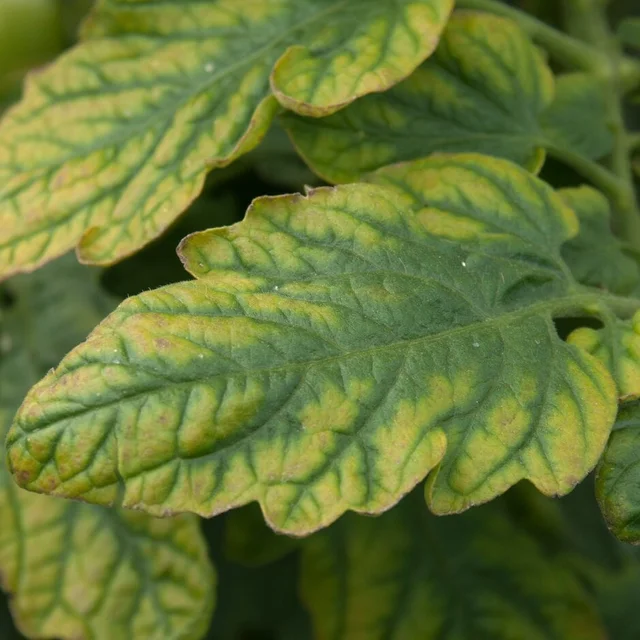
Leaf loss or yellowing may be due to:
- Natural shedding of older leaves in spring as new growth begins
- Dry conditions, particularly when grown in containers. This can cause older leaves (usually lower or deep into the plant) to fall. When plants have been dry, you may also see brown edges to the leaves, prominently on the sunny side
If you are a member of the RHS, you can use our online Gardening Advice Service , via MyRHS , for any gardening problems or queries.