RHS / Graham Titchmarsh
 Appearance
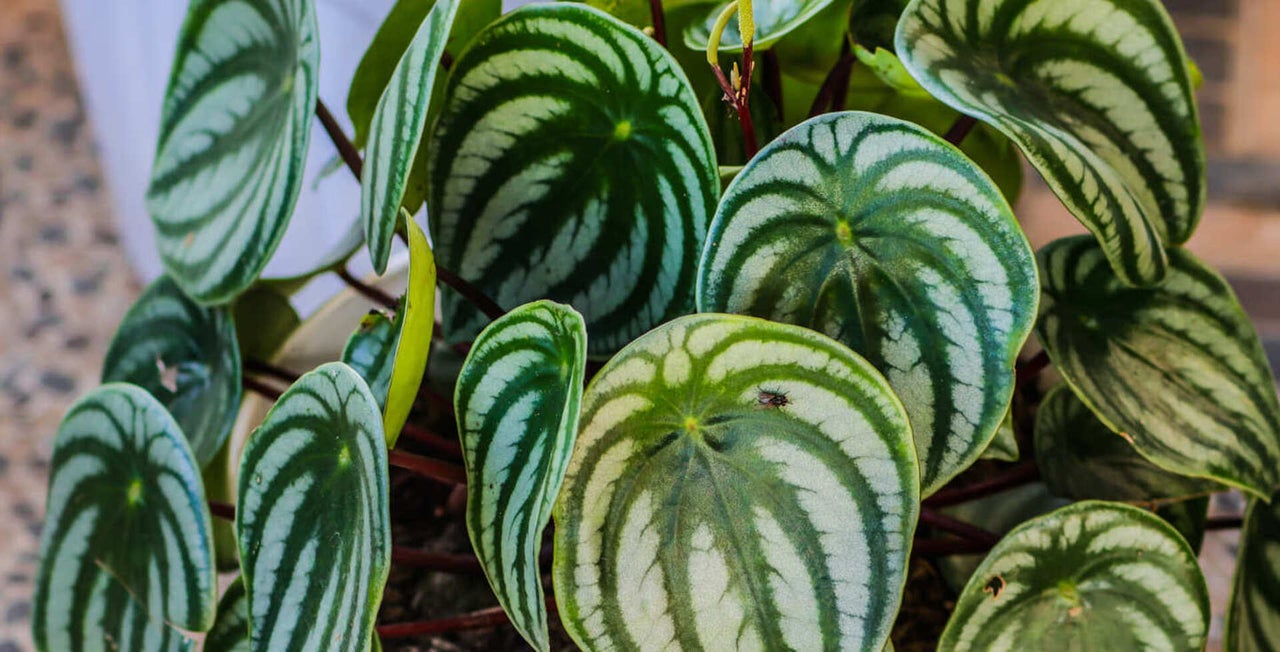
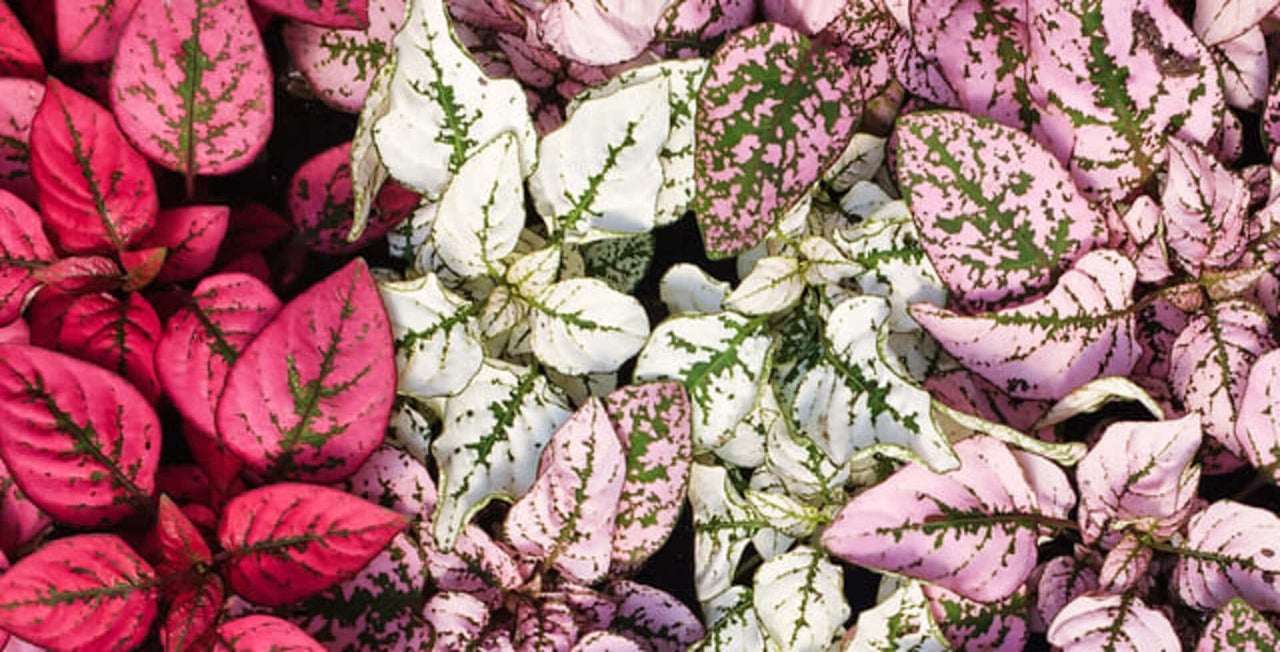
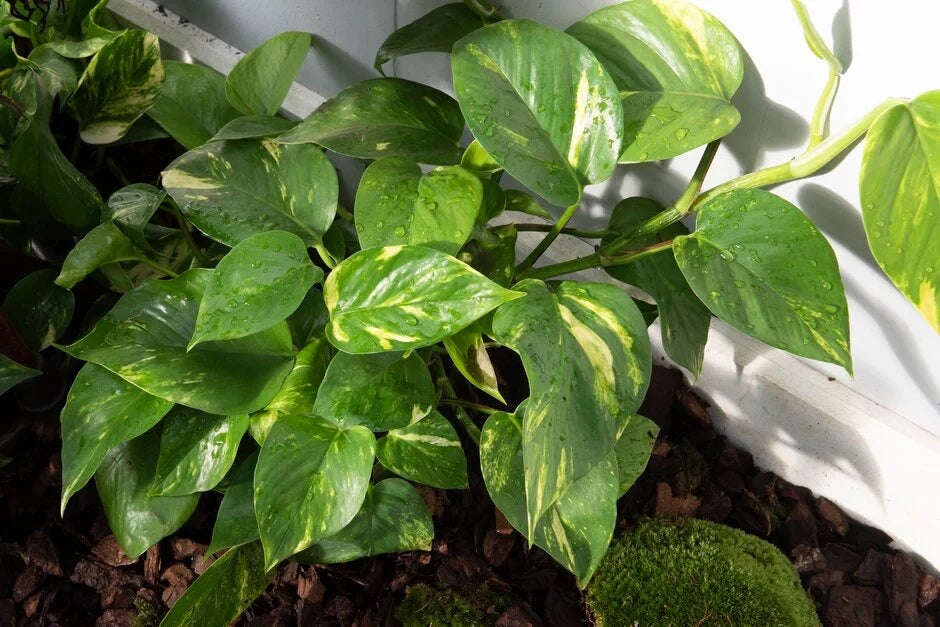
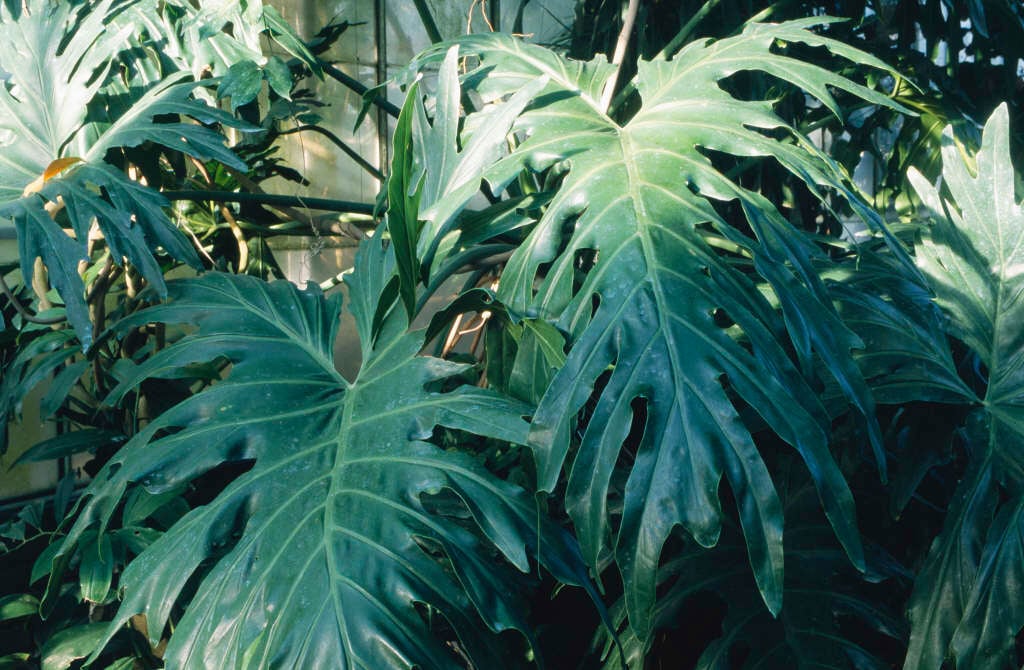
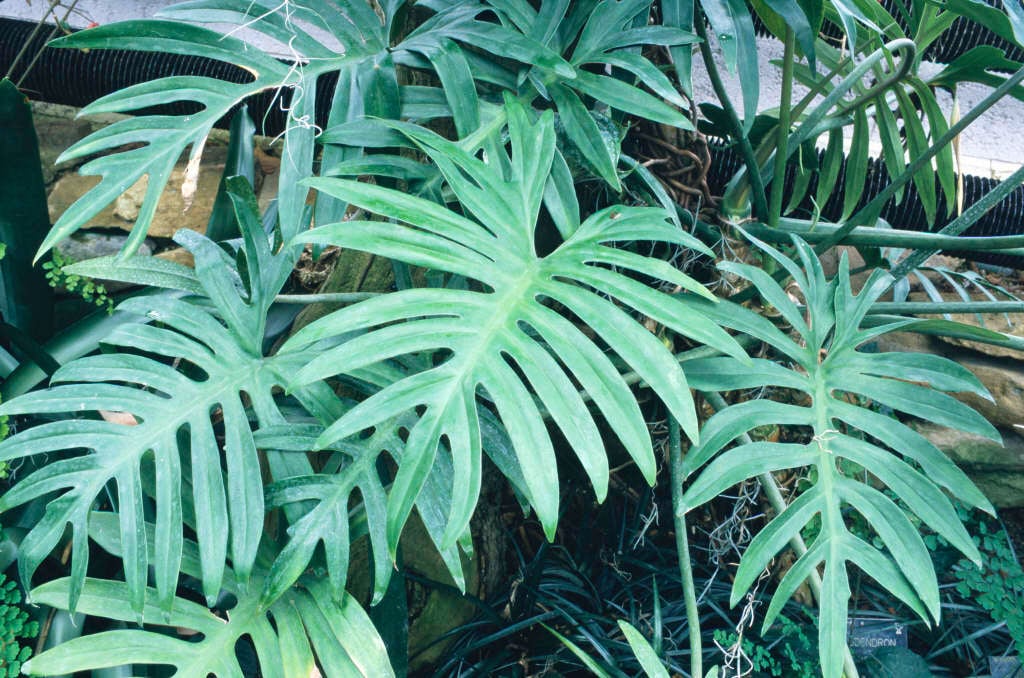
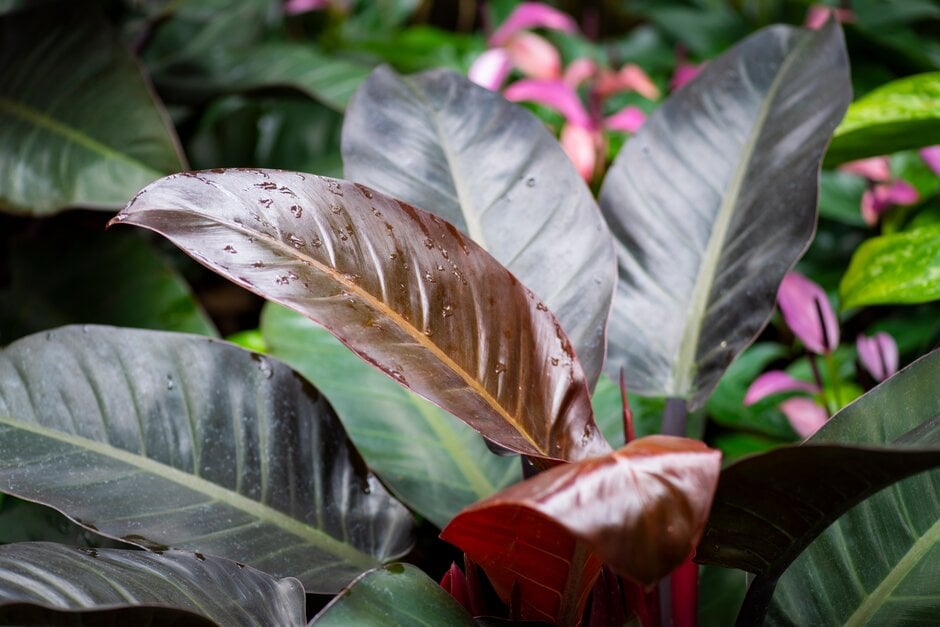
The foliage is variable across the many species, with different sizes, shapes and colours, from green to rich burgundy. Coloured leaves often fade to green with age. Philodendrons often have different juvenile and adult leaves – usually heart-shaped on young plants, but on more mature plants they become the typical shape of the respective species. Plants can be bushy or climbing/trailing – the latter are often trained up a moss pole when grown as houseplants.
Preferences
Philodendrons thrive in bright, indirect light and warm indoor temperatures. They like a moisture-retentive but well-drained peat-free potting compost. They prefer to be watered when the top few centimetres of compost have dried out.
Dislikes
Philodendrons dislike temperatures below 15°C (59°F), so must be grown indoors in the UK. Potting compost that stays saturated will cause the fleshy roots to rot, so avoid sitting the plant in a saucer of water for long periods. Direct summer sun can burn the leaves, so position plants in bright but indirect light.
Did you know?
Despite being tropical rainforest plants, many philodendrons are easy to grow as houseplants, as they don’t need high humidity or bright sunlight to thrive. Just be aware that philodendrons are poisonous and the sap is a skin irritant, so wear gloves when handling them and position them out of reach of children and pets.
RHS Growing Guide
FREE
Read our comprehensive free RHS Growing Guide:
How to grow philodendrons

Introducing Philodendron
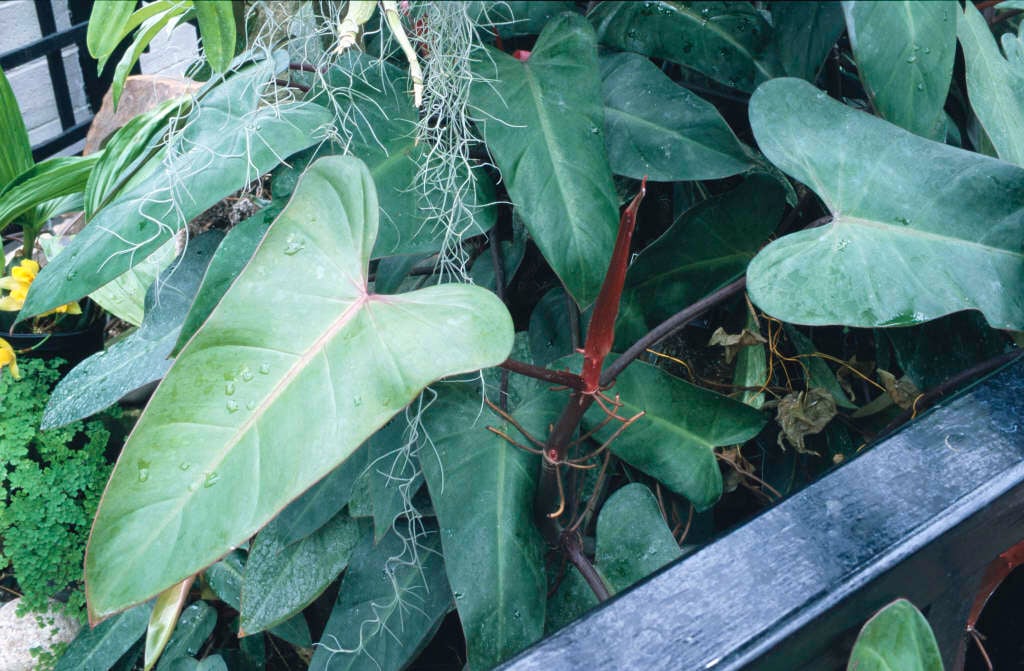
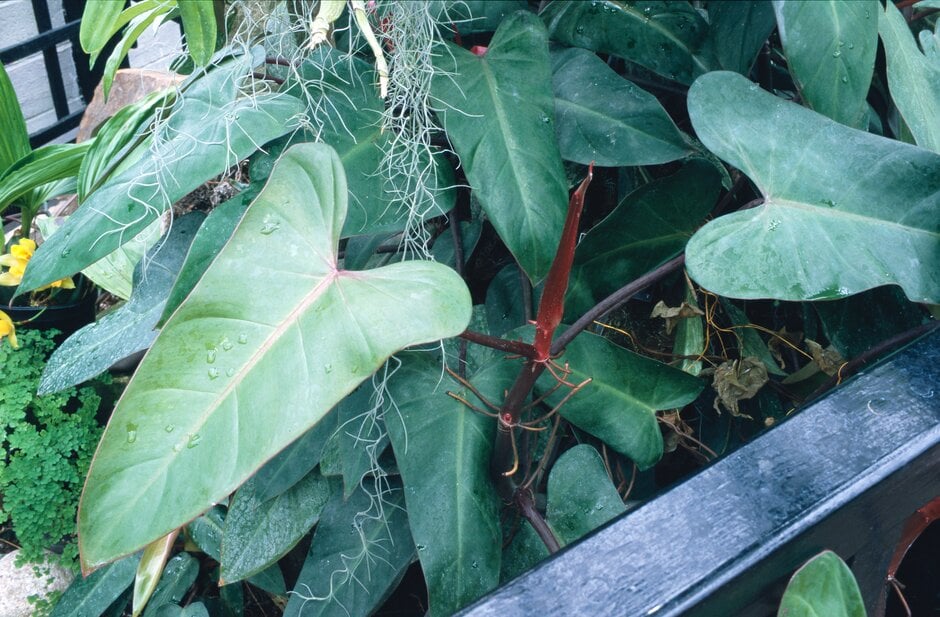
Philodendron erubescens 'Burgundy'
blushing philodendron 'Burgundy'
- Height
- 1.5–2.5 metres
- Width
- 1–1.5 metres
x of x
Showing
x to x
of x