Quick Facts
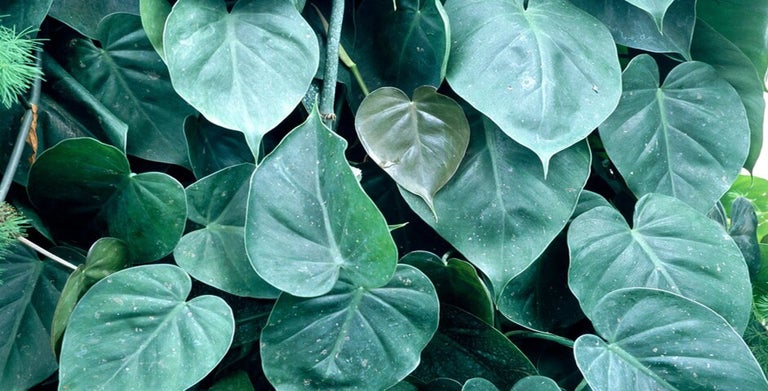
Easy-to-grow, tropical houseplants
1
Range from large upright plants with huge leaves, to slender-stemmed trailing plants
2
Keep above 15°C (59°F), in indirect light, with average humidity
3
Let the compost to dry out slightly between waterings and take care not to overwater
4


Before you get started
What are philodendrons?
Popular as houseplants for their attractive tropical foliage, philodendrons come in a choice of shapes, sizes and colours. Some form bushy plants, others are climbers. They’re generally easy to grow and happy in the typical conditions in our homes.
Most philodendrons come from the tropical forests of Central and South America. They are usually ‘hemi-epiphytic’ plants, which means that in the wild they either start their lives in the ground then climb trees, onto which they root; or the reverse, where their seeds germinate on tree branches and their roots subsequently descend to the soil.
Some of the larger-leaved philodendrons resemble Swiss cheese plants, to which they are related. Both are members of the arum family (Araceae), along with several other popular tropical houseplants, including peace lilies, calla lilies and anthuriums. All of these plants are poisonous and their can be a skin irritant, so always wear gloves when handling them, and keep them out of reach of children and pets.
Choosing philodendrons
There are several species and cultivars that make impressive houseplants, ideal for creating a tropical vibe. They offer various leaf shapes, sizes and colours, from green to red, pink, yellow or orange, as well as multi-coloured forms. Plants grow to various sizes too, some with clumps of huge upright leaves, others with long trailing or climbing stems and smaller leaves.
Popular choices include:
- Philodendronhederaceum var. hederaceum– the ivy-leaved philodendron is one of the most popular species, with heart-shaped leaves on long trailing or climbing stems
- Philodendron erubescens AGM has large, dark-green, glossy, triangular leaves
- Philodendron bipinnatifidum AGM produces huge, deeply lobed leaves up to 1m (3½ft) in length
- Philodendron angustisectum AGM is a climber with leaves up to 60cm (2ft) long that are finely lobed
- Philodendron ‘Imperial Red’ has large, leathery leaves that start out red, maturing to deep purple
Buying philodendrons
Philodendrons are available from many houseplant retailers. When buying, look for the healthiest plant, with strong growth, plenty of roots and undamaged leaves. As these are tropical plants, take care to keep them warm when bringing them home in cold weather.
Planting
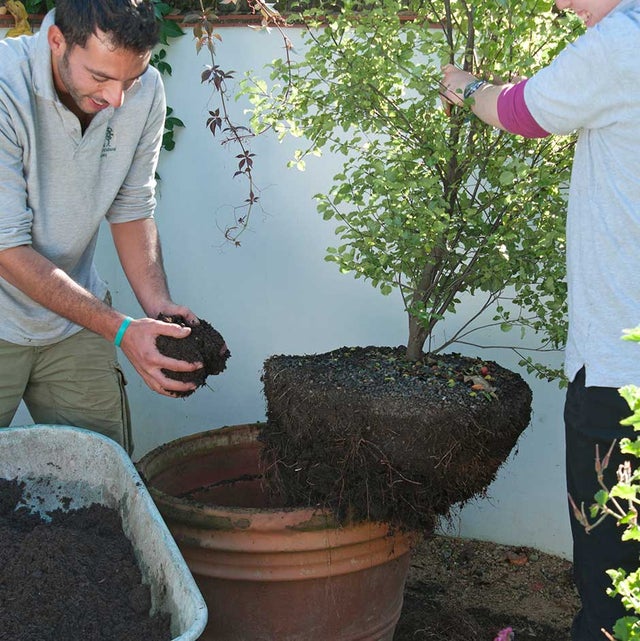
Philodendrons can usually stay in their original container for at least a couple years, or until the roots start to get densely packed. Spring is the best time to repot them.
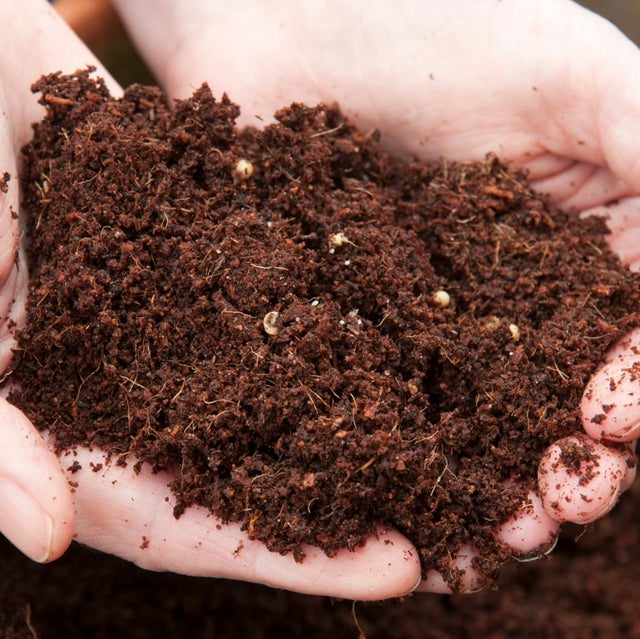
They prefer a loose, free-draining that is slightly acidic ( 5-6) – an ideal mix would be two parts orchid compost to one part peat-free compost.
Choose a pot that’s only a few centimetres larger than the . If the pot is much bigger, the compost will stay wet for longer, which can cause the roots to rot.
Check out our guides to repotting:
Ongoing Care
Location
Position philodendrons in bright but indirect light. Make sure they are out of direct sun in summer, which can scorch the leaves. Typical room temperatures (at least 15°C/59°F) are fine for philodrendrons, but keep them away from hot radiators and cold draughts.
To ensure they absorb sufficient light, wipe the leaves occasionally to remove any dust. If they don’t get enough light, philodendrons will become leggy and produce fewer, smaller leaves.
See our video guide to light levels for houseplants:
The smaller-leaved climbing forms, such as Philodendronhederaceum var.hederaceum, are ideal for positioning on a high shelf or in a hanging container, where their leafy stems can trail downwards.
TOP TIP
Philodendros are poisonous and their sap can be a skin irritant, so position them out of reach of children and pets.
Watering
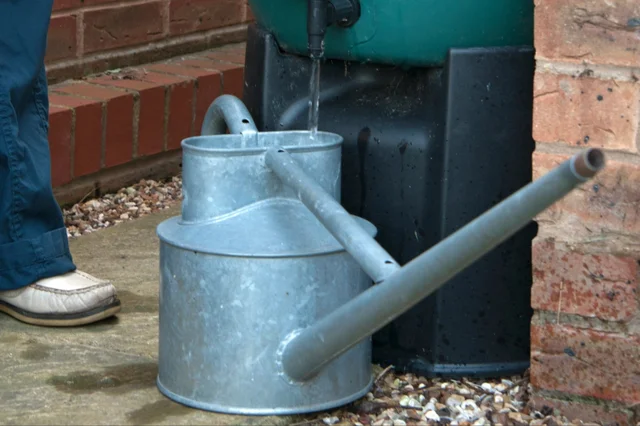
Wait until the top of the dries out before watering. Use rainwater or filtered water whenever possible, especially if you live in a hard water area, to maintain the acidity of the compost. The water should ideally be at room temperature. Take care not to overwater or to leave philodendrons standing in water, as saturated compost can eventually cause root rot.
Humidity
Although philodendrons prefer moderately humid air, they are also perfectly happy in the lower found in most homes.
Feeding
To boost growth and leaf production, feed during the (April to Sept) with a general houseplant fertiliser.
Pruning and Training
- Climbing philodendrons are best given some support – they can be trained or tied onto a moss pole, into which they will eventually root if it’s kept moist
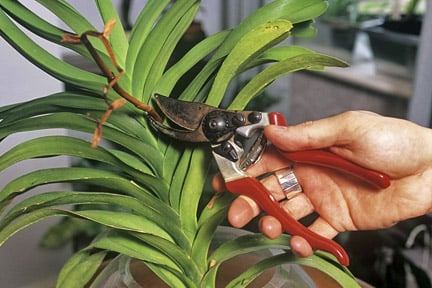
- If climbing/trailing philodendrons get too large for your indoor space, you can prune them back in spring, just as they come into growth. Cutting back straggly specimens will also encourage fresh leafy growth, for a fuller look. Make your cut just after a leaf on the stem
- Always wear gloves when handling and pruning philodendrons, as they are poisonous and the can be a skin irritant
- Bushy species don’t generally need pruning, training or support
Propagating
Philodendrons with climbing or trailing stem are easily propagated from stem taken in spring to late summer:
- Simply remove a piece of stem about 10cm (4in) long, cutting just below a leaf joint at the bottom
- Strip off the lower leaves, then stand the cutting in a glass of water and it will produce roots in a couple of weeks
- Once well-rooted, pot up into a free-draining mix of two parts orchid to one part peat-freeericaceous compost
Problems
Philodendrons are usually healthy, vigorous plants if given the right growing conditions. However, overwatering or poorly draining can lead to root rot, which can cause yellowing leaves, and eventually the plant may collapse. Let the compost surface dry out between waterings and never leave plants standing in water. Watch our quick video guide to watering houseplants.
Also look out for mealybugs, red spider mites and scale insects.