Quick Facts
A half-hardy annual that's good for bedding and pots
1
Enjoys a spot that’s sunny for most of the day
2
Flowers from summer until autumn
3
Sow in spring
4
Plant out in early summer
5
Water in dry spells
6
Deadhead old, faded flowers
7


Before you get started
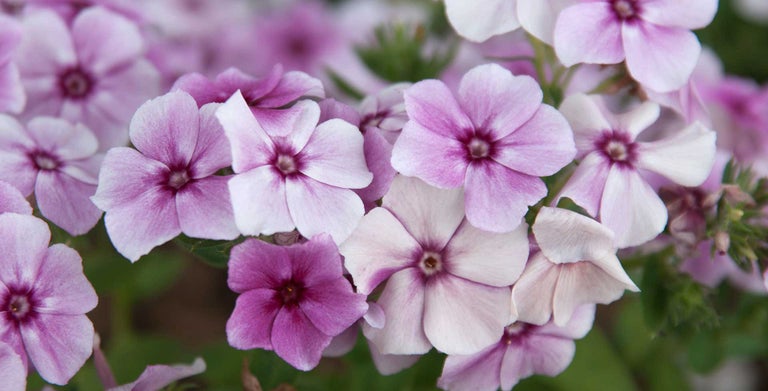
Annual phlox are usually available in a mix of colours or shades. You can buy them as seeds to sow in spring or as via mail order in spring. They like a site that’s sunny for most of the day and free-draining, fertile soil or a large (30-40cm (1ft-18in)) container of peat-free potting .
Planting
How to sow annual phlox?
Like many , these are seeds that can be sown in a greenhouse or similar frost-free place. For full guide, see our seed sowing information.
The seed is sowing in mid-spring in seed trays or of peat-free seed sowing .
If you've bought , pot these up on arrival/when you get them home, and grow them on in a greenhouse or similar frost-free place with bright light.
Plant out your young phlox after hardening off (acclimatising) and after danger of frost is past, usually the first week in June in much of England and Wales - a week or two later for Northern England and Scotland.
Where should I plant?
- Plant them in a spot that gets sun for most of the day
- Their height is low, around 10-45cm (4-8 in), so choose a container or front-of-the-border position for best visibility
- Space your plants around 25cm (10in) apart (check the seed packet for details)
- Annual phlox are not fully hardy, so won’t survive frosty conditions in autumn, so treat them like a bedding plant and remove to the compost heap at the end of the season
Ongoing Care
Watering
Water as needed during hot dry spells. Plants grown in containers will need additional watering.
Feeding
Plants in containers can be fed to sustain flowering. Use a high-potash liquid feed, like a , following the manufacturers instructions.
Deadheading
Deadhead (remove) any spent flowers. ensures plants put their energy into making more flowers rather than seed.
Caring for older plants
Care is fairly simple, as explained above for much of the summer season. Plants die off naturally in late summer or early autumn as they age or when they get frosted – at which point they can be pulled up and composted.
Propagating
There are two main options for growing annual pholox, but both are from seed.
- If you sow seeds indoors in spring – late March and April – plants should come into flower by mid June or early July.
- Although seeds could be sown in late May directly in the ground where they are to flower, the flowering will be later and success less assured than if sowing indoors.
will stop your plants setting seed, so you'll need to buy fresh seed each year. You can always allow some flowers to set seed - but they will always give new plants with some different flower colours to their parents.
Problems
Watch out for slugs and snails when plants are young and use controls of your choice.