Quick Facts
Easy to grow in a sunny, fairly well-draining site
1
Flower generally in late spring and summer
2
Deadhead after flowering
3
Plant in spring ideally
4
Herbaceous perennials that last for many years
5
Propagate by division or seed
6


Before you get started
Choosing a Stachys and Betonica
Most Stachys and Betonica are unfussy about the soil and growing conditions, but prefer full sun and soil that doesn’t become soggy in winter. As a result, they are generally easy to grow, so the main decisions about choosing which Stachys and Betonica to grow in your garden will be based on their flower colours and leaf forms – and how that fits with the area you have in mind for planting.
Of the three most commonly grown in gardens, the main differences are:
Stachys byzantina (lamb’s ear) creates mats of downy, silvery foliage and can be vigorous when happy. It bears grey flower stems to 30-50cm (1ft-20in) with discrete pink flowers in summer. This plant can look tatty after flowering as it becomes bare at the base. To avoid this, choose the Stachys 'Silver Carpet' which rarely flowers. It's great at the front of sunny borders or round the edges of rose gardens.
Did you know?
Stachys byzantina is surprisingly good at cooling the air on hot days, according to RHS scientific research. It release water vapour that reduces air temperature. Tests also show it has potential as a plant for green roofs, cooling the air more than traditional green-roof plants such as sedums. In this case, select low-growing, non-flowering forms such as S. ‘Silver Carpet’.
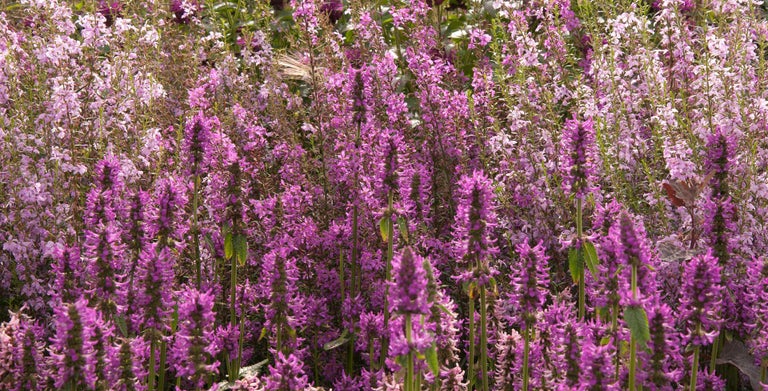
Betonica macrantha(betony)is clump-forming. It has crinkled green, heart-shaped leaves and sends up whorls of purplish lipped flowers on 30cm (1ft) stems in early summer. This looks good as a front-of-the-border plant, again in sunny spots.
Betonica officinalis (betony) is mat-forming plant to the UK. It has oval, round-toothed green leaves. Tubular flowers in pink, purple and white are carried in whorls on flower stems to around 60cm (2ft). Cultivars like B. officionalis 'Hummelo' mix well with salvias and other prairie-style plants. Team them with grasses in areas with a wilder feel as they have a more uncultivated look.
Stachys coccinea and S. coccinea 'Hidalgo' bear whorls of reddish flowers in the leaf axils. They're rarely offered in the UK and are frost tender.
S. thunbergii 'Danielle' is a cultivar of a garden worthy native for a sunny well-draining location. It flowers from summer into autumn with plum coloured, lipped flowers - to 30cm (1ft) in height with crinkled leaves and a slowly spreading habit.
As well as perennials, the genus Stachys includes shrubs and subshrubs but few are of garden worth.
Native Stachys ( woundworts)
There are wildflower stachys species in the UK. Stachys sylvatica, hedge woundwort is a creeping plant which can become a nuisance in your garden. However Stachys palustris, marsh woundwort, is a pretty waterside plant, suitable for wildlife ponds with lavender pink flowers that are attractive to pollinators.
Buying a Stachys and Betonica
These plants are available from garden centres and nurseries as pot-grown plants. They grow quickly into clumps, so you can start with 1 litre pots.
Use our Find a Plant tool for stockists nearby.
You'll find the species are also sold as seed.

Planting
When to plant
Get these plants off to a good start by ideally planting in spring (late March-April), while the soil is moist.
Where to plant
Select a spot in the sun. They will grow in any average garden soil that doesn't get in winter. These plants are generally not very tall, so they're usually best positioned at the front of the border where they won't be obscured by taller plants. As some form mats of foliage, you can also use them on their own as ground cover.
How to plant
When planting, take into account how wide the clump will spread in the next few years and give them enough space to grow. This width is usually on the plant label, but in general, a distance of 30cm (1ft) between plants is a good distance to begin with.
Plant as you would other herbaceous perennials. Make a hole deep enough so that the in the pot ends up just a few millimetres below the surrounding soil level: the aim is to avoid deeply burying the bases of the leaves and stems.
Ongoing Care
Watering
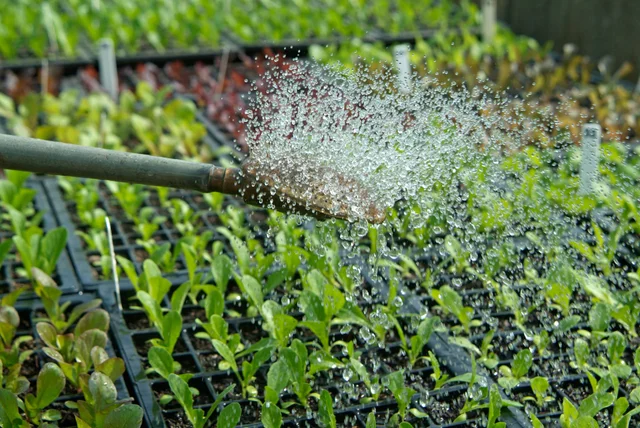
Plants should only need watering until they establish; just the first spring and summer after they are planted. Otherwise, they are fairly drought tolerant and only need watering if they show signs of wilting in prolonged spells of dry weather.
Feeding
Feeding isn't normally necessary, but you could apply a general-purpose feed like Growmore in early spring if the growth is very poor.
Weeding
Keep the area around plants free from weeds.
Deadheading
Stachys byzantina can look scruffy after flowering so, during August, dead head by cutting off the flowered stalks at ground level. It's easy to spot when it's time to do this as the bees stop visiting the flowers once they have set seed.
Care of older plants
You may want to tidy up Betonica officinalis and Betonica macrantha after flowering. Just dead head by cutting off the faded blooms above the foliage.
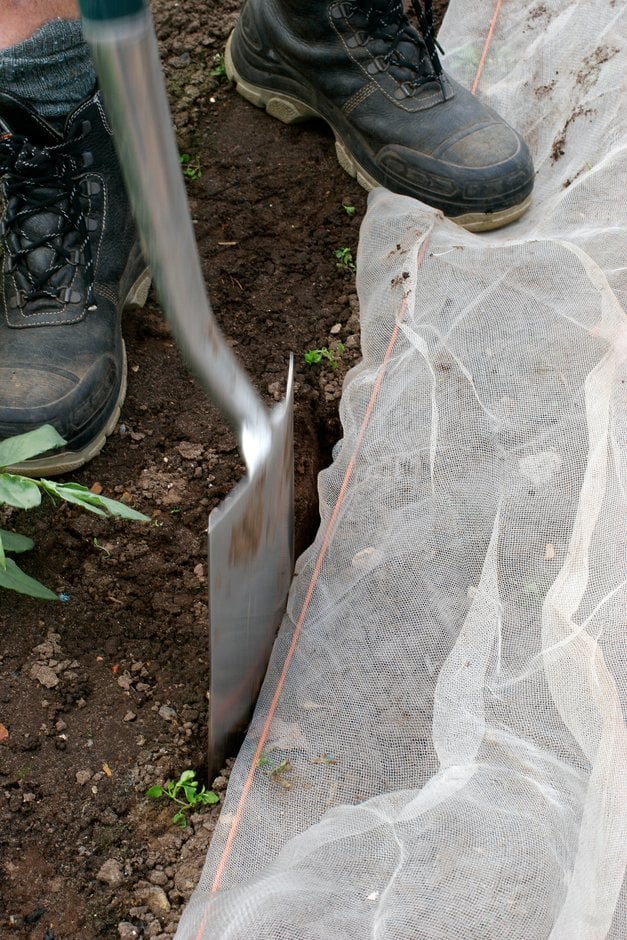
As plants get older, you can divide them, ideally in spring as growth begins. Stachys byzantina and its cultivars tends to die out in patches over time, so dig up and divide up the mats of growth. Discard tired pieces, generally those in the middle, and replant younger at new spacing say, 30cm (1ft) apart. This with reinvigorate old clumps, but also allows you to make more plants for new clumps in your garden.
Pruning and Training
No pruning and training is required, apart from and cutting down in autumn to winter, ready for fresh growth in spring.
Propagating
It's easiest to dig up and divide Stachys byzantina, Betonica macrantha and Betonica officinalis in spring. Divide up and replant younger , spacing them about 30cm (1ft) apart. This with will allow you to make more plants for new clumps in your garden, as well as reinvigorate old clumps.
You can also raise species from seed in spring. However, S. byzantina self seeds, so you might find new plants pop up near the existing clump. These are usually slightly different from their parent. Some will have more prominent flowers or wider leaves. As a result, it's worth keeping an eye on them as can be more attractive than their parents and so worth keeping.
Problems
Stachys and Betonica are generally trouble-free plants. The most common issue is where you get bare patches in the clumps after a few years. This can easily be solved by digging up clumps, discarding the bare pieces and replanting the leafy parts together. For more details, see the propagation section above.