RHS / Tim Sandall

Appearance
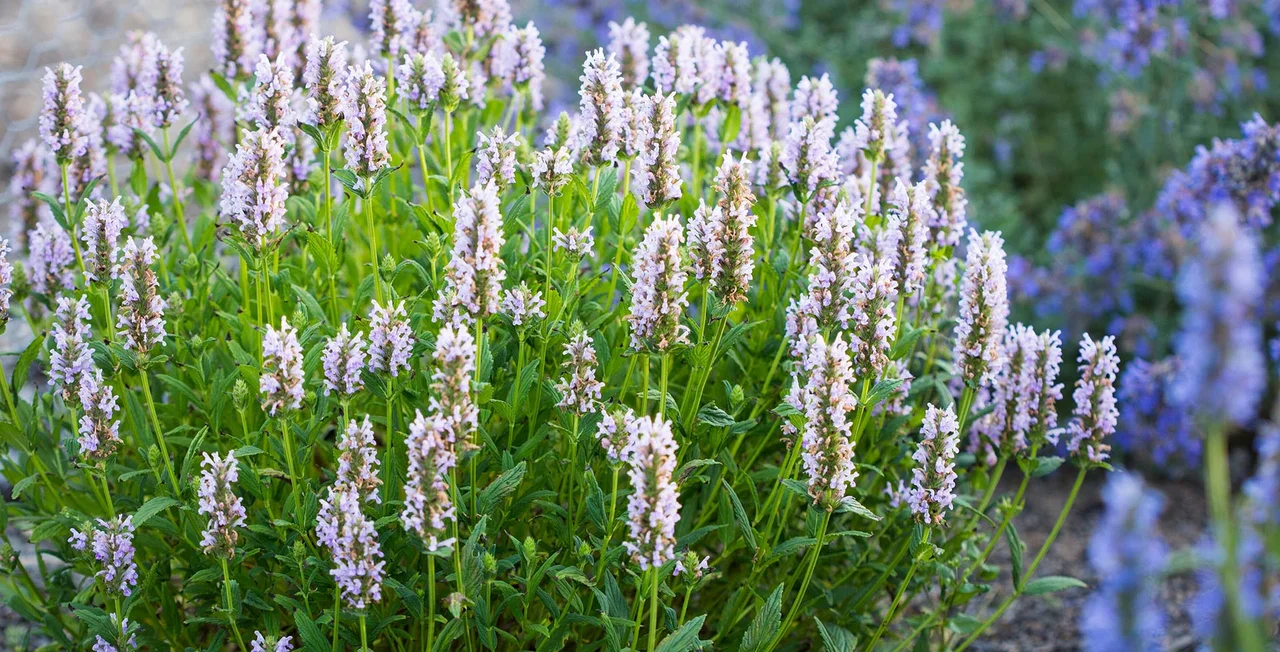
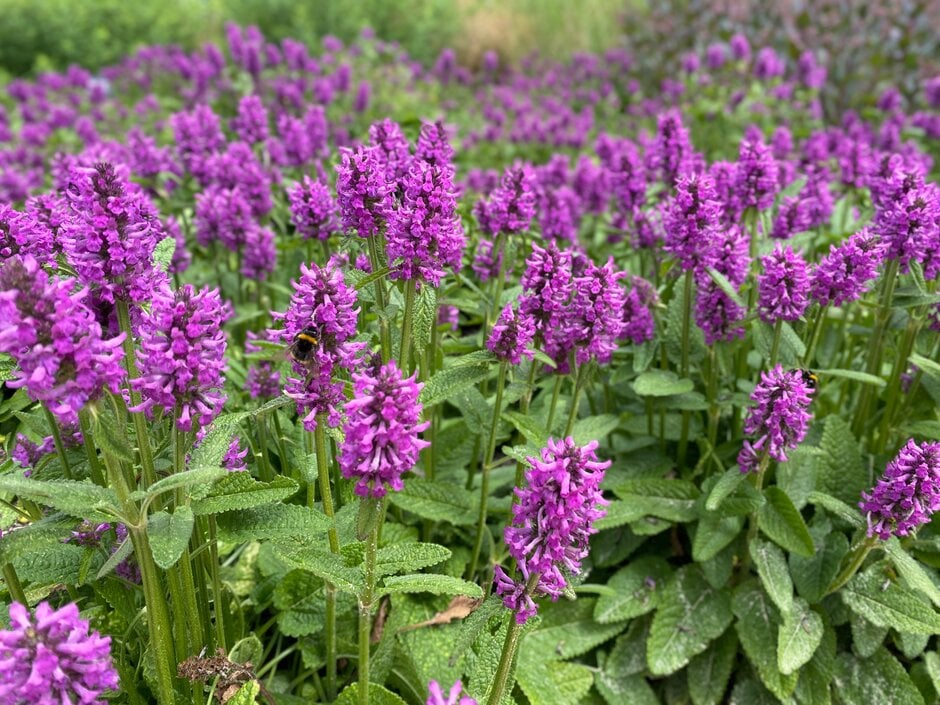
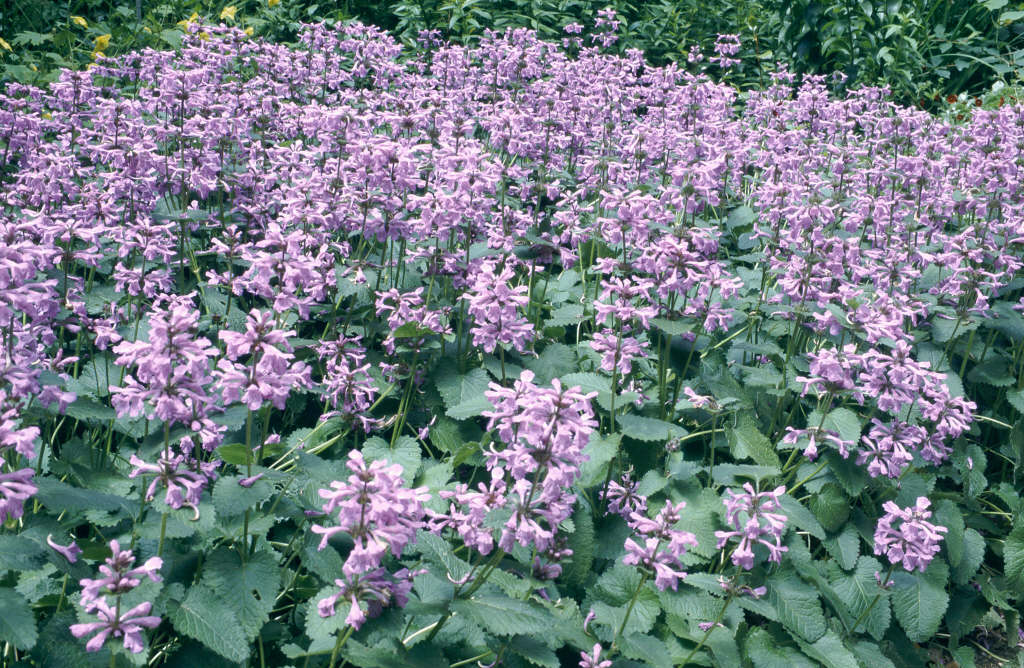
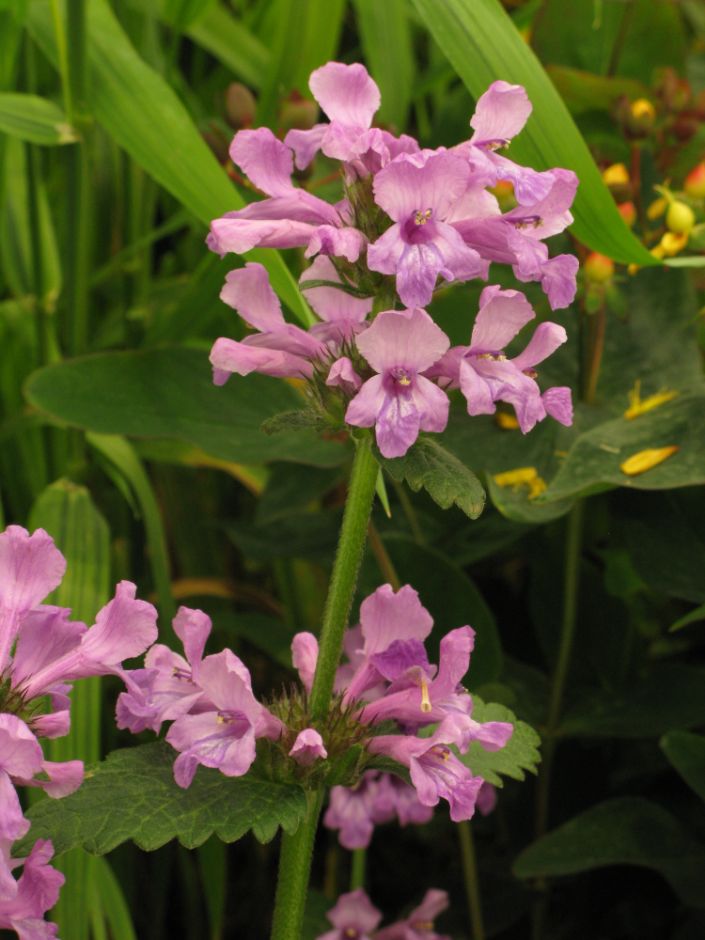
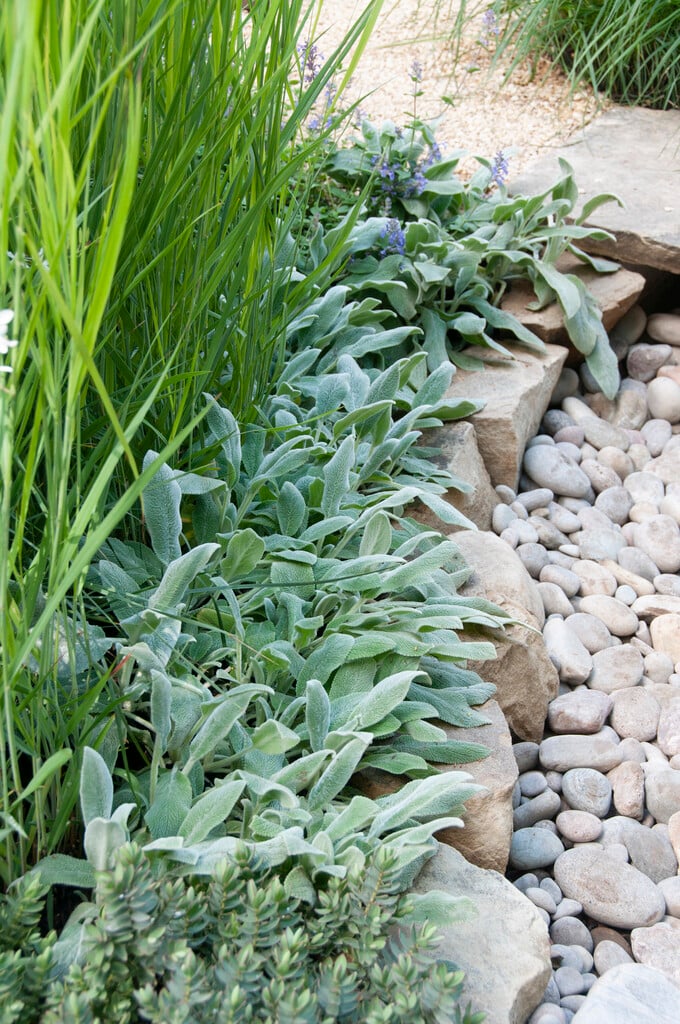
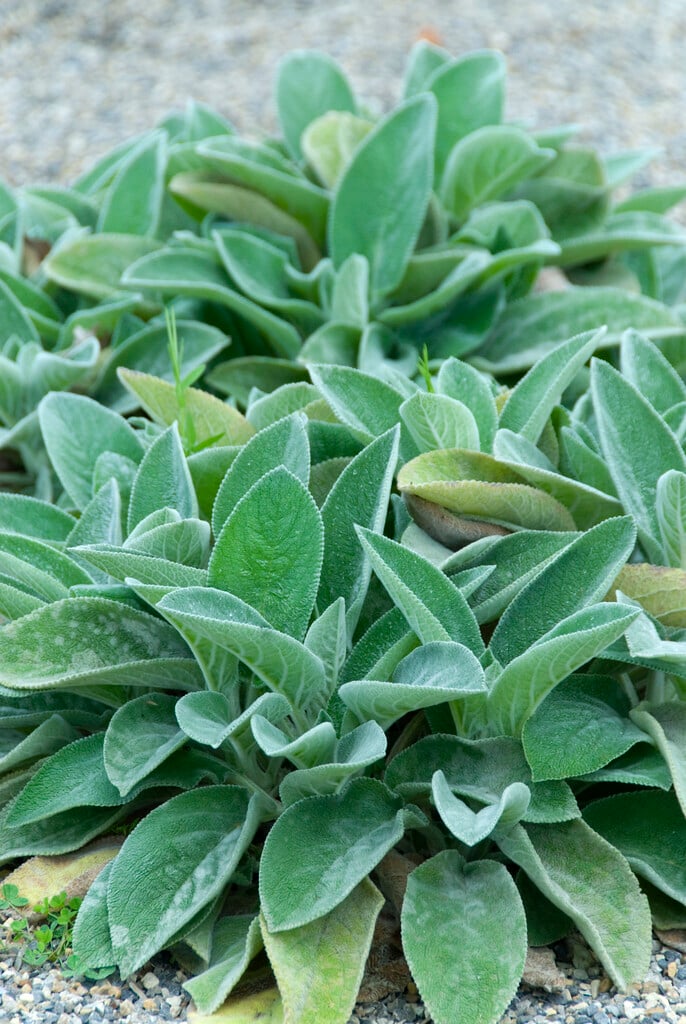
The stachys most often seen in gardens are herbaceous perennials, many of which bear flower spikes in white, pink or purple in late spring and summer. The foliage can form a mat of elongated furry grey leaves (Stachys byzantina) or crinkled green oval/heart-shaped leaves (Betonica). As well as perennials, the Stachys includes shrubs, but few are of garden value.
Preferences
Most of those seen in gardens like free-draining sunny sites.
Dislikes
These plants generally dislike soggy conditions, although lamb's ears is surprisingly resilient in winter waterlogging. While there are wild woodland species that grow in shade, garden plants like sun.
Did you know?
There's been a name change: some of the plants in the genus Stachys are now in the genus Betonica. That means big betony, which was formerly known as Stachys macrantha, is now Betonica macrantha. Wood betony has its changed name from Stachys officinalis to Betonica officinalis. You are likely to see these two plants under different names for a few years to come, so be prepared that it might be in two places in the A to Z of perennial plants section in garden centres!
RHS Growing Guide
FREE
Read our comprehensive free RHS Growing Guide:
How to grow Stachys and Betonica

Introducing Stachys
x of x
Showing
x to x
of x