



10 award-winning bulbs to add interest to your summer border
Bulb expert Christine Skelmersdale shares 10 award-winning bulbs to brighten up and add interest to your summer border

Hardy annuals are among the easiest to grow and most economical of all flowers, making them a suitable choice for all gardeners
Easily grown from seeds, there are a variety of hardy that offer long-lasting flowers to give your garden colour and vibrancy. Here are some favourites, all having received the RHS Recommended: Award of Garden Merit.

Xerochrysumbracteatum ‘Bright Bikini’ is an upright annual with strap-like narrow green leaves and double, everlasting flower-heads which grow to 8cm across. Petals bloom is shades of white and in shades of yellow, orange, red and pink, appearing in summer and autumn. Hardiness rating: H2.

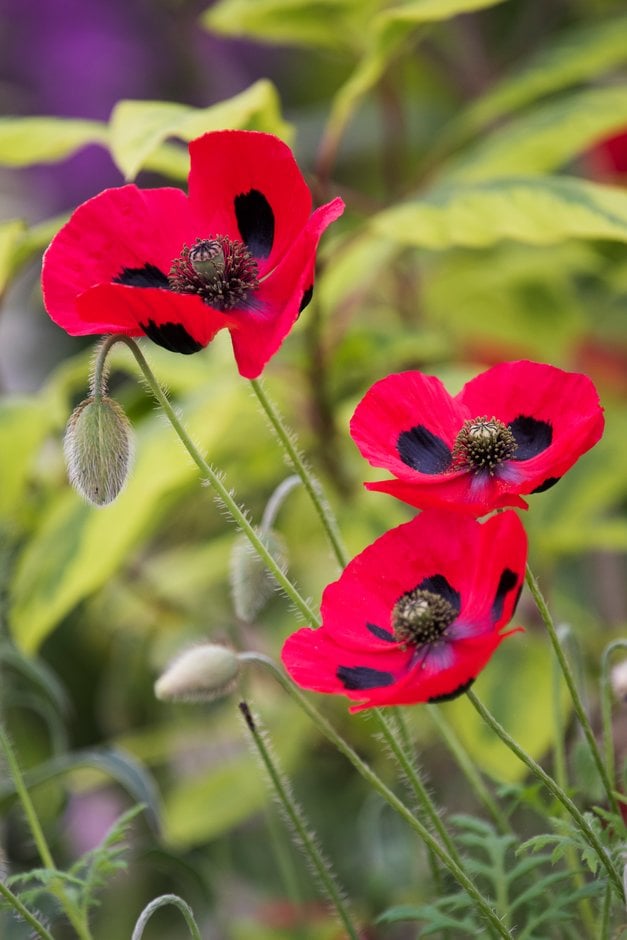
Papaver commutatum ‘Ladybird’ is one of the most dramatic of easy annuals, like the familiar field poppy on steroids. The foliage is nicely divided but the glory is in the flowers. Vivid shining scarlet, the colour is bright and intense, but not gaudy, and each petal features a bold black blotch at the base. The plants are neat and bushy, and if dead-headed promptly will bloom for a long summer season. In autumn, leave a few flowers to self sow. 38-45cm (15-18in).Hardiness rating: H5.

Orlaya grandiflora is an annual that combines well with so many other plants – and which is bright in its own right. Featuring prettily-divided fresh green foliage, the slightly domed heads are more colourful than similar Ammi majus. The small central florets are surrounded by a ring of much larger ones, creating more impact. Good in dry soil, and an excellent cut flower too. ‘White Lace’, also with the RHS Recommended: Award of Garden Merit, is similar but slightly taller. 45-60cm (18-24in). Hardiness rating: H7.

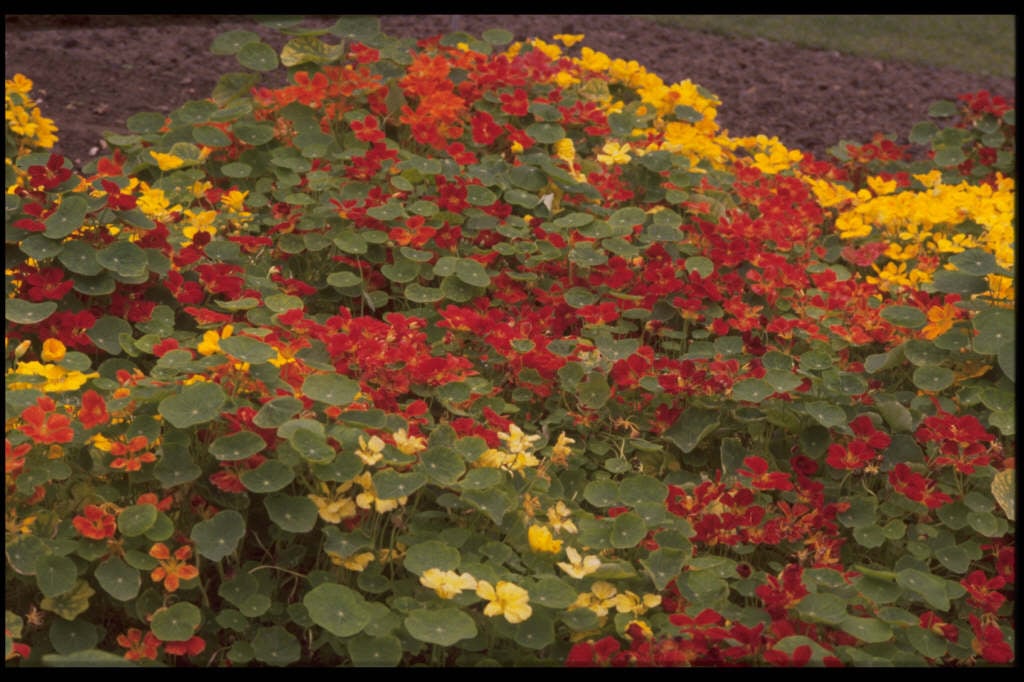
Nasturtiums, especially dwarf nasturtiums, are notorious: their flowers are so often smothered by the foliage that all you see is leaves. In most soils, plants in the Whirlybird Seriesnot only hold their brightly coloured flowers above the leaves but the flowers look upwards showing themselves off to the best effect. There are six colours; for the best display keep the plants dryish and grow in soil that is not too rich. 30cm (12in). Hardiness rating: H3.

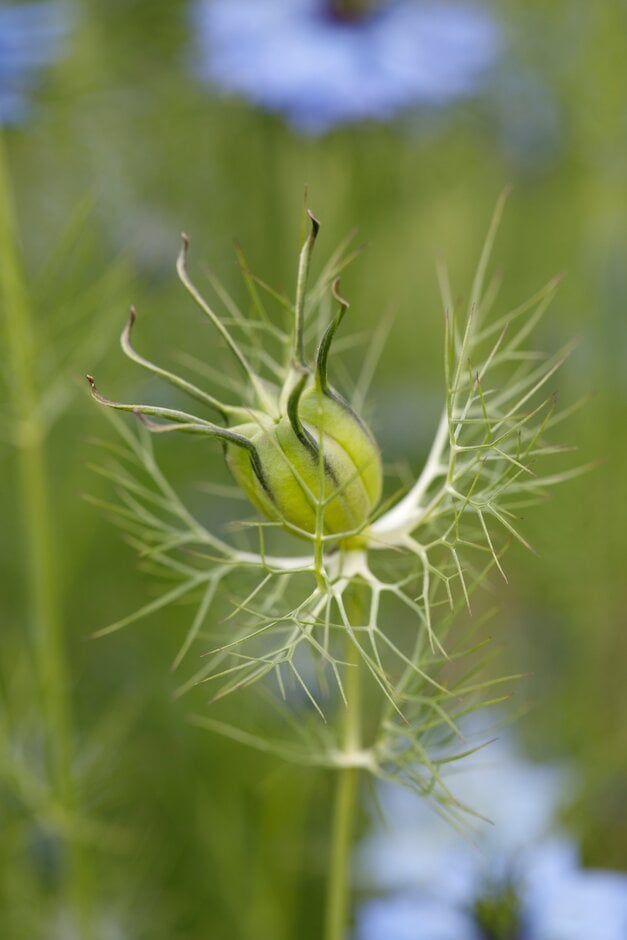
Nigella damascena ‘Miss Jekyll’ or Love-in-a-mist is justifiably one of the most popular of all hardy annuals, from soon after until the autumn seedheads, this is a lovely plant. Finely divided leaves make an attractive rosette from which spring vertical stems carrying sky blue flowers are followed by inflated seed pods. The flowers are lovely in the garden and when cut, the seed pods too, and the green pods with their purple stripes can be dried to biscuit brown. 45cm (18in). Hardiness rating: H3.

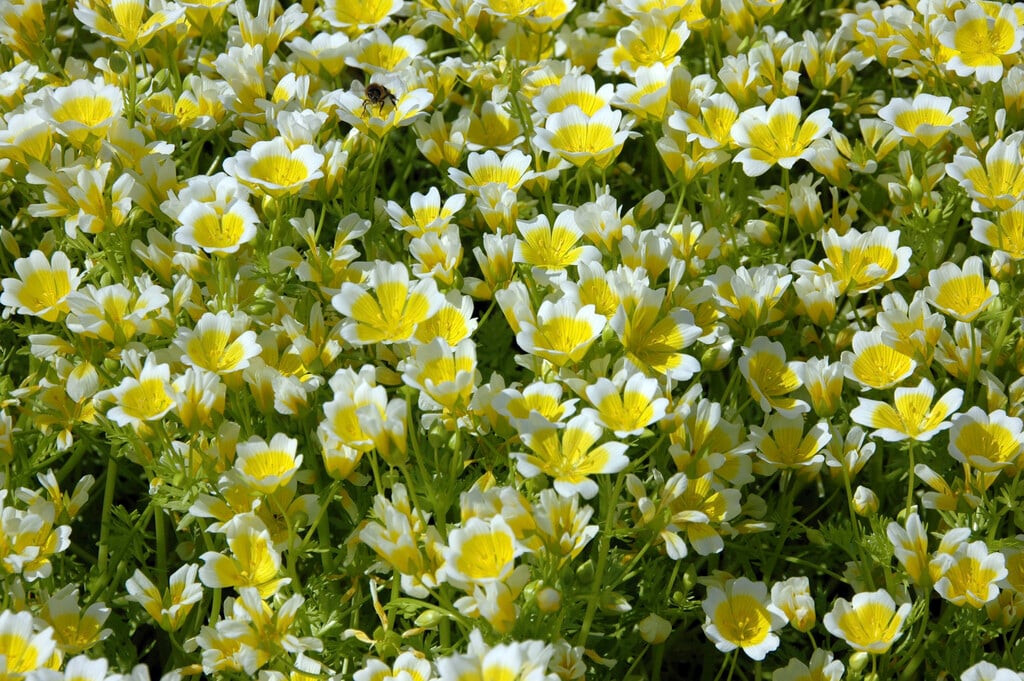
Limnanthes douglasii is a splendidly cheerful low annual, with its poached-egg flowers set against divided, fresh green leaves. It has the happy capability of enjoying conditions a little more moist than will suit many hardy annuals – even in winter. Once you have it, you’ll find self sown that germinate in the autumn will make lush mounds of leaves where other winter annuals might rot off and then they flower prolifically in spring. 15-20cm (6-8in). Hardiness rating: H5.

Echium vulgare ‘Blue Bedder’ is one of the best bee plants of all. You can often hear the bees buzzing on the blooms before you’re close enough to see them. Bright pink buds quickly open to rich, sparkling, violet-tinted, blue flowers over slightly rasping foliage for a long summer season. The rounded plants are ideal in a sunny place and happy in relatively poor soil. They will also often self sow for the following year. 30-45cm (15-18in). Hardiness rating: H7.

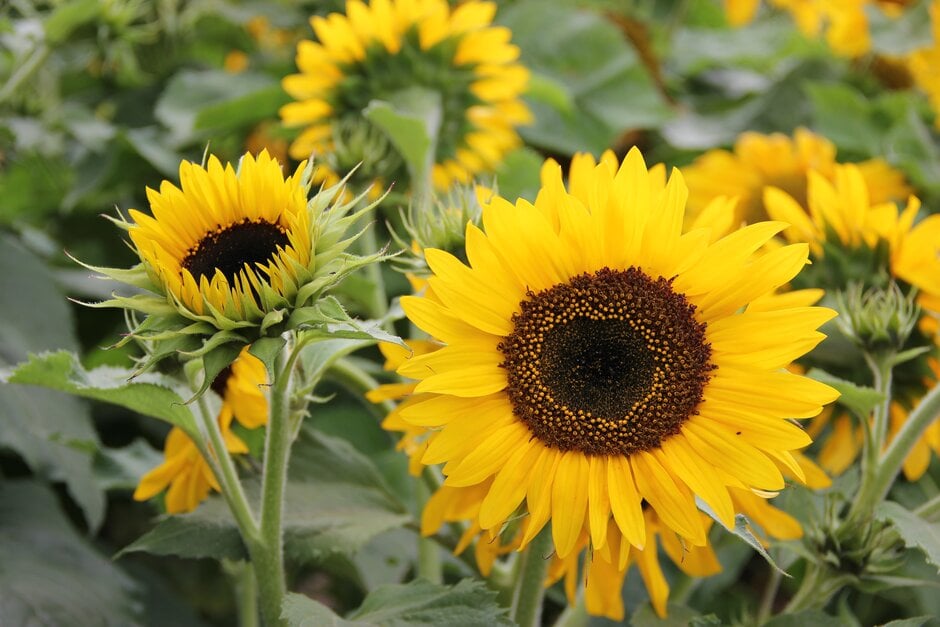
Helianthusannuus ‘Waooh!’ is a compact and branching, fast-growing annual with oval to heart-shaped, green leaves. In summer, this multi-headed form flowers with enthusiasm, with plenty of sunny yellow flowers and dark brown centres. This smaller is ideal for containers or a the front of bed, to attract bees and butterflies and then birds with the seeds. Up to 1m in height. Hardiness rating: H2.

A regular star of RHS plant trials since 1953, Linaria maroccana Fairy Bouquet Group contains both pastel shades and brighter colours, and many bicolours. The dainty little flowers – like miniature antirrhinums – line the vertical stems which branch to form secondary spikes as the main spike fades. Blooming for a couple of months in summer, this is a lovely flower for informal summer cottage-style bouquets. Also worth sowing in the autumn. 38-45cm (15-18in). Hardiness rating: H6.

Ammi majus ‘Graceland’ - dark green, feathery foliage makes the perfect background for an unusually long-lasting display of flat, lace-like heads of dainty white flowers opening from green buds. The upright plants are ideal among perennials or other tall annuals, and are especially attractive to bees, butterflies and other insects. They also make valuable cut flowers where they bring a lightness and airiness to displays of bolder flowers in pastels or brighter shades. 1.4m (4½ft). Hardiness rating: H6.
RHS hardiness rating
The system of hardiness ratings enables gardeners to understand the hardiness of plants and gives a guide to the best growing conditions.
Find out more >