10 award-winning bulbs to add interest to your summer border
Bulb expert Christine Skelmersdale shares 10 award-winning bulbs to brighten up and add interest to your summer border

Gardeners now grow a huge range of perennials – here are 10 of the best classic perennials for summer, all recipients of the RHS Recommended: Award of Garden Merit
Popular, diverse and versatile, perennials fill our gardens with colour and interest. There’s a huge range of easy-to-grow, free-flowering options to choose from, each recognised with the RHS Recommended: Award of Garden Merit. Chosen for their beauty, reliability and outstanding performance, these plants have proved themselves in rigorous RHS Plant Trials, which highlight the best choices for gardens of every size and style.

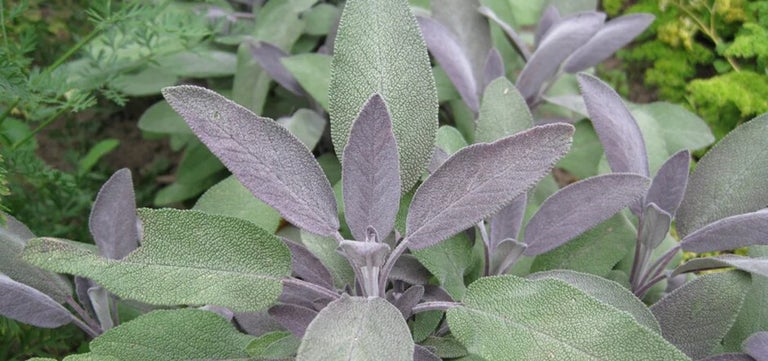
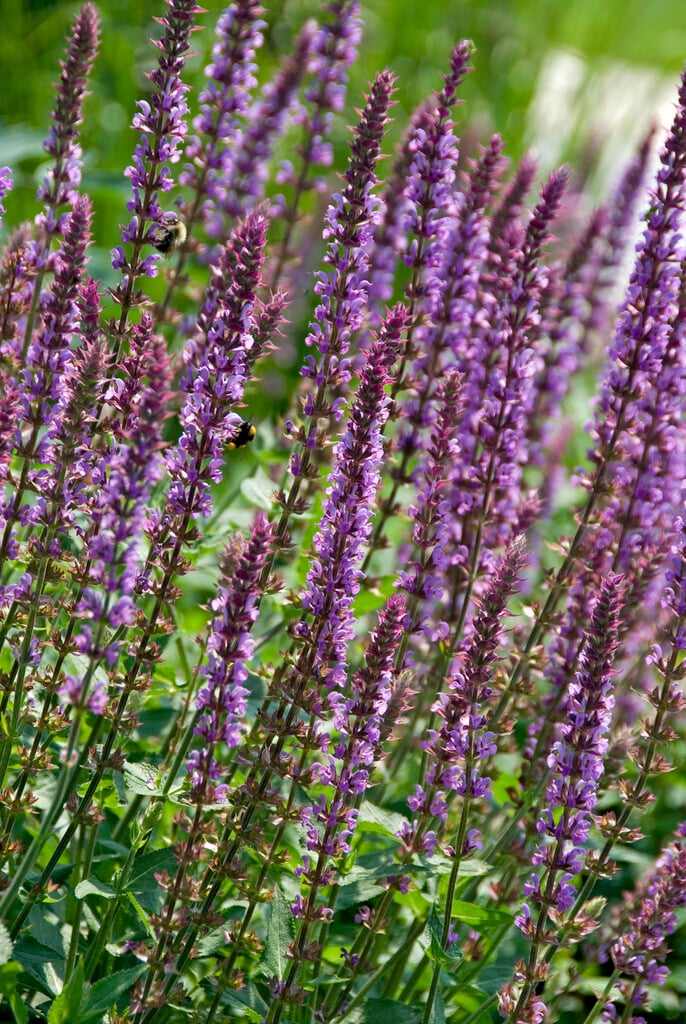
salvias come in a vast variety of styles, but the short and prolific summer flowering types, such asSalvia nemorosa ‘Amethyst’, are easy and invaluable. The stems branch well from the base and the long spikes of flowers open from June, keep coming till October and retain their purple colouring even after the individual florets have dropped. Prolific in any sunny place with well-drained fertile soil. Grows to 60cm (2ft). Hardiness rating: H6.

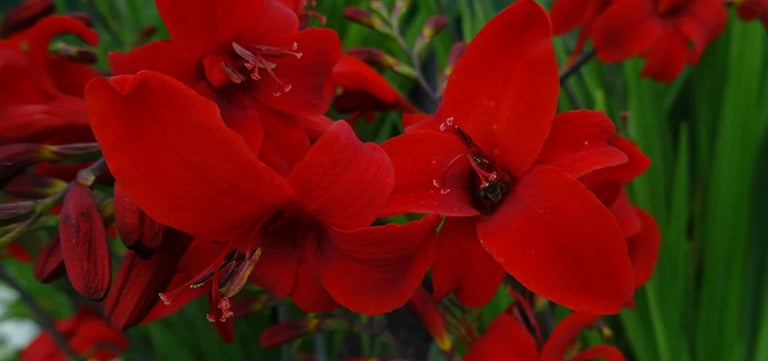
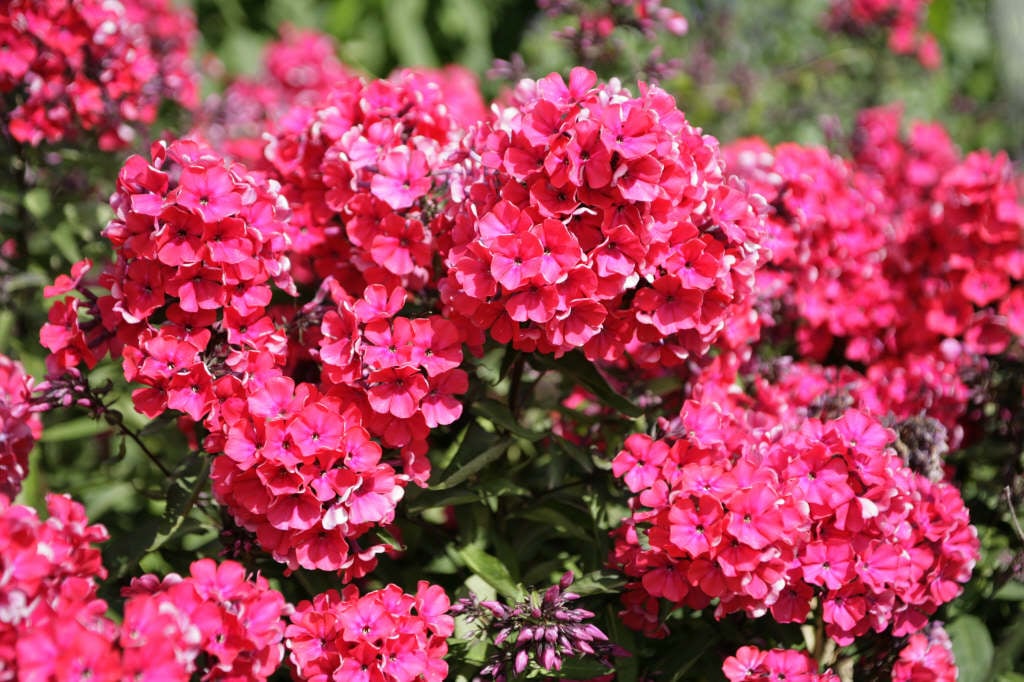
Phlox paniculata ‘Starfire’ is an upright perennial with lance-shaped, red-tinged leaves and large terminal panicles of crimson flowers in summer and early autumn. Grows up to 90cm (35in) tall. Hardiness rating: H7.

Oriental poppies come in both brash, vivid colours and delicate pastel shades and the soft pink of Papaver orientale ‘Karine’, enlivened by a rather variable reddish basal zone, is a lovely May/June partner for tall bearded irises. Best with discreet support to prevent rain knocking them over, the foliage turns ragged after flowering but Cosmos planted nearby will expand to hide it. Happy in sun and most good soils. Grows to 60-70cm (24-28in). Hardiness rating: H7.

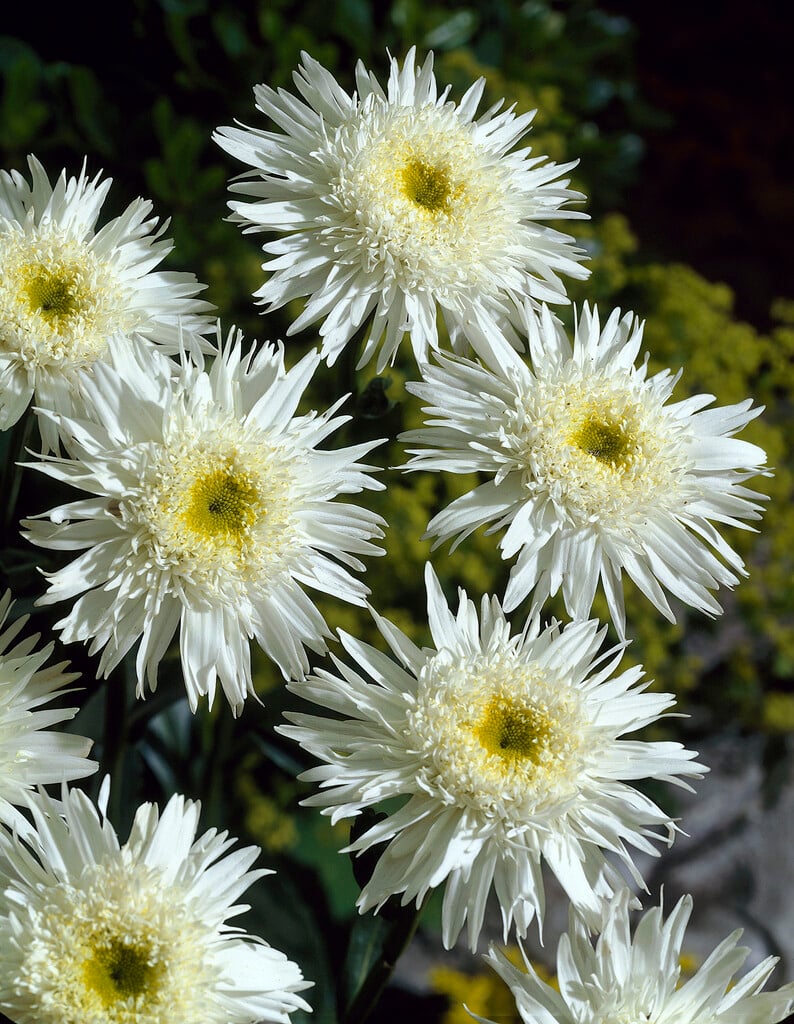
Leucanthemum × superbum ‘Wirral Supreme’ is a robust herbaceous perennial with narrow, dark glossy green leaves and double white flowers 10cm in width, with short, pale yellow central florets. Grows to 90cm (35in) in height. Hardiness rating: H5.

With impressive vertical spikes of golden orange flowers from May to July, Kniphofia ‘Bees’ Sunset’becomes brighter and then yellow as they age, and are held on harmoniously coppery green stems. The flower heads look a little disorganised but are bright and prolific. Happiest in deep, rich soil in full sun and with good winter drainage. Named for Bees Nursery, who financed the plant hunting trips of George Forrest and Frank Kingdon-Ward. Grows to 75-120cm (30-48in). Hardiness rating: H5.
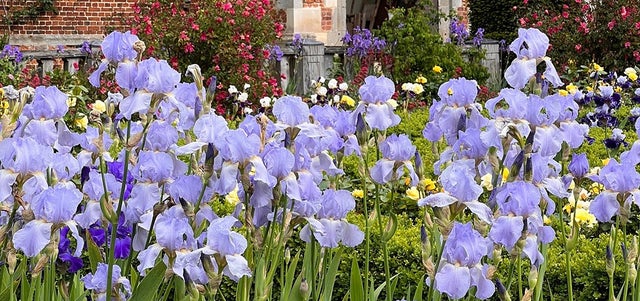
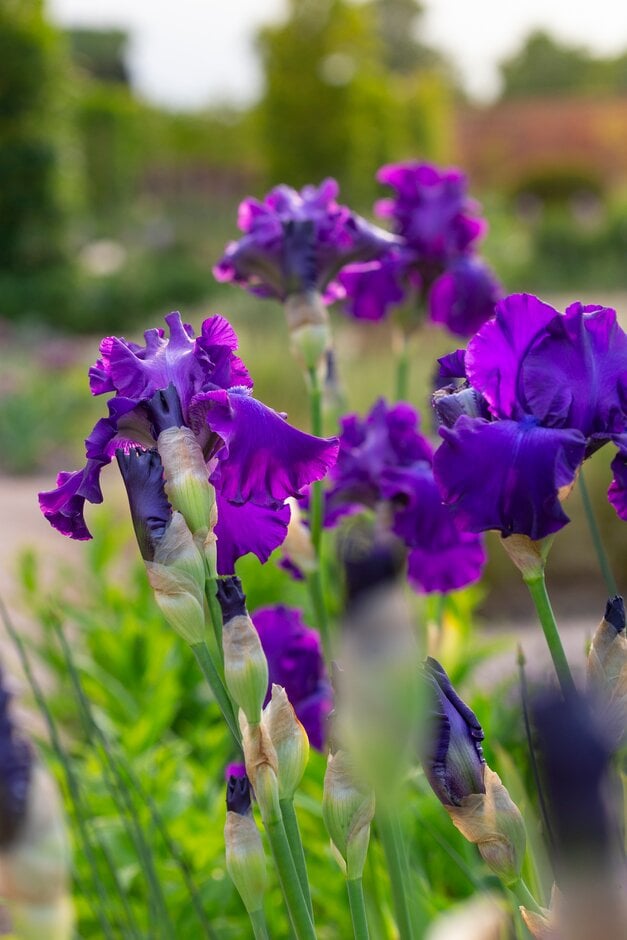
No perennial or mixed border is complete without tall bearded iris and ‘Titan’s Glory’ features unusually large violet flowers with ruffled edges, plus the sparkle of a bright blue beard. The fragrant flowers have real presence, are at their best in June and enjoy full sun and any well-drained fertile soil. Every three years, divide and replant after flowering. Grows to 95cm (38in). Hardiness rating: H7.

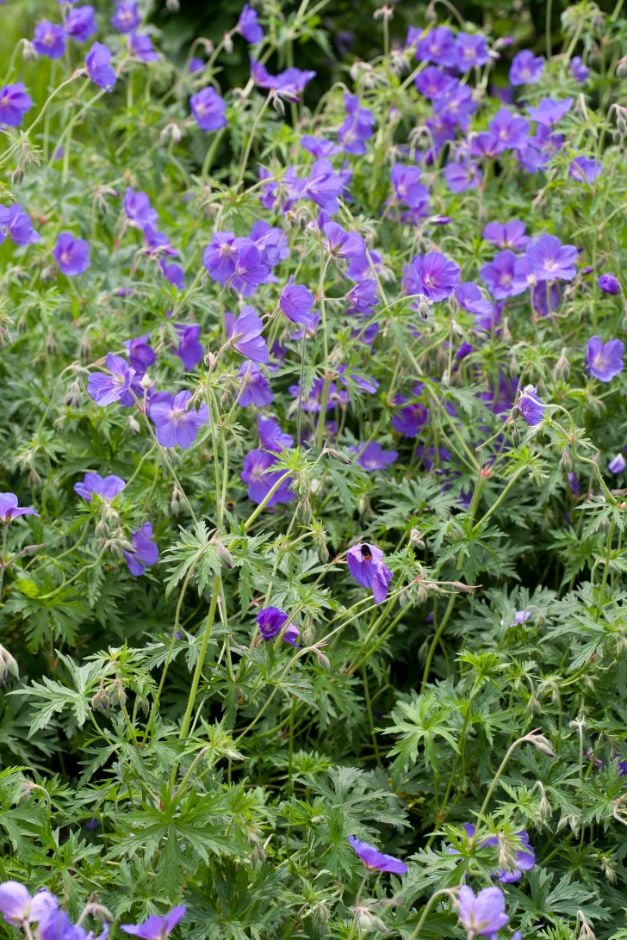
Geranium ‘Orion’ is a spreading perennial, ideal for groundcover, with deeply lobed mid-green basal leaves in seven divisions. Masses of very large, cup-shaped, lavender-blue flowers have purple veins, a white centre and almost round, overlapping petals borne over a long period during summer. Grows to half a metre in height. Hardiness rating: H7.

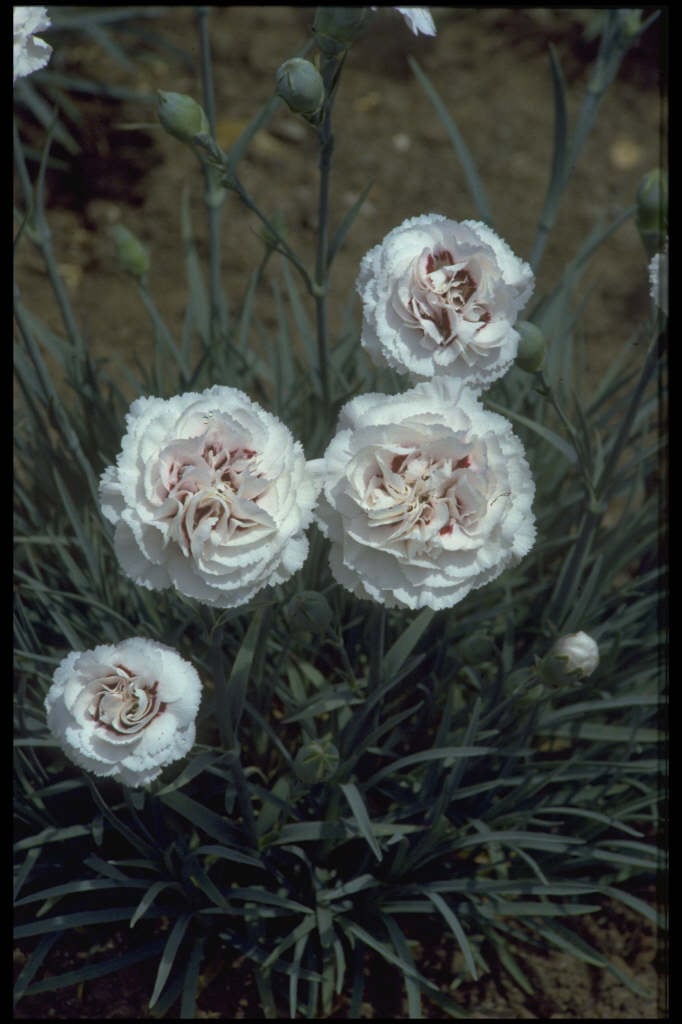
New garden pinks, with their fragrant flowers set off by slender grey foliage, are introduced every year but the 40-year-oldDianthus ‘Cranmere Pool’ is still well worth growing. The large double flowers are white with the faintest blush and contrast with the deep blood-red zone at the heart. Flowering all summer, the flowers are scented though not strongly. Grows to 30cm (12in). Hardiness rating: H6.

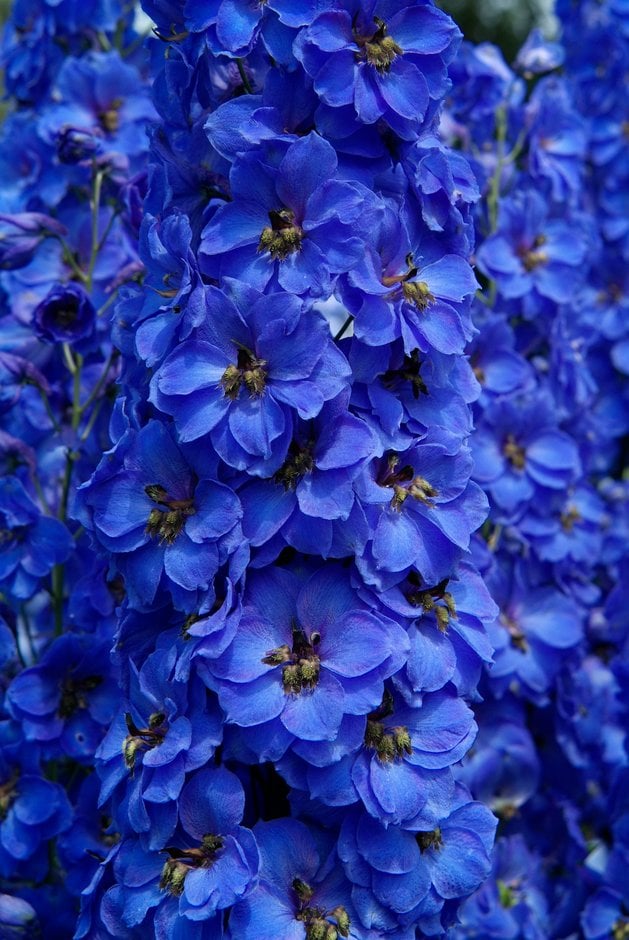
A classic blue delphinium, the spikes are packed with vibrant gentian blue flowers, each with a dark eye. The florets are small compared with some similar varieties, but Delphinium ‘Fenella’has the advantage of being a robust and resilient garden plant and makes a vivid impact at the back of the border. Best in sun, in fertile soil that is not too wet; staking is essential. Grows up to 1.5-1.8m (5-6ft). Hardiness rating: H5.

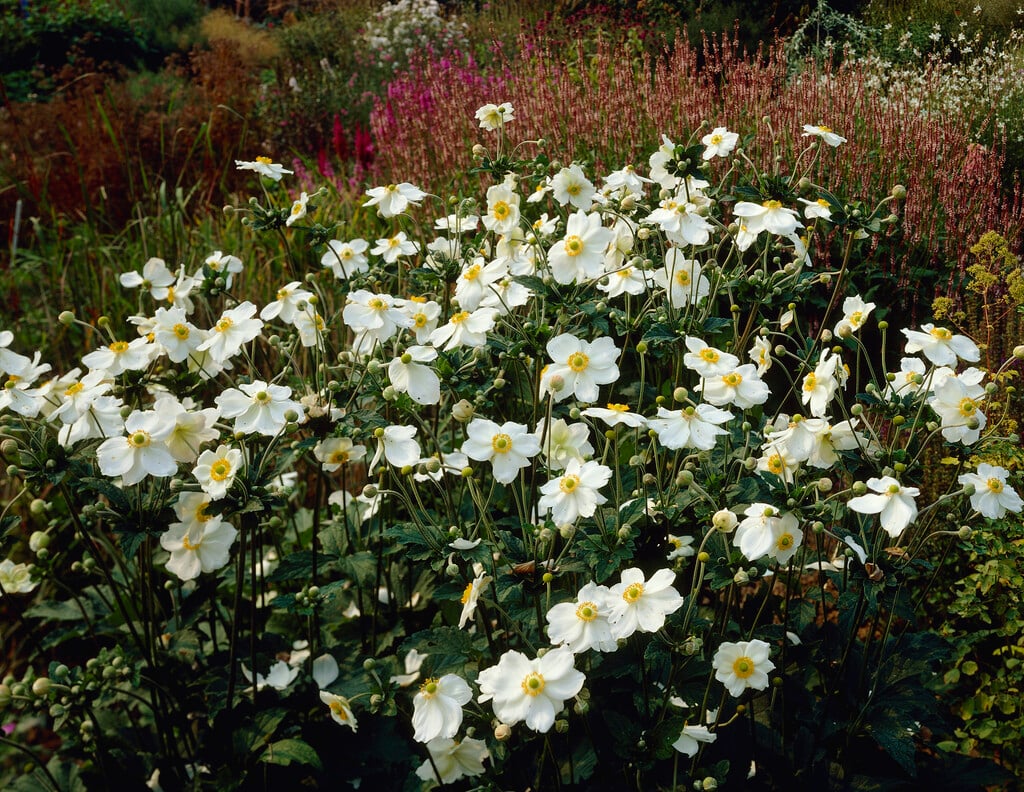
Anemone × hybrida ‘Honorine Jobert’ has pure white flowers, with broad overlapping petals around a ring of golden anthers and a green eye, open on branched airy stems from August to October above bold dark leaves each with three leaflets. Happy in sun or a little shade, and best staked discretely – just in case – but can be over vigorous. Introduced as long ago as 1858, and sometimes sold simply as ‘Alba’. Grows to 50-120cm (20-48in). Hardiness rating: H7.
RHS hardiness rating
The system of hardiness ratings enables gardeners to understand the hardiness of plants and gives a guide to the best growing conditions.
Find out more >