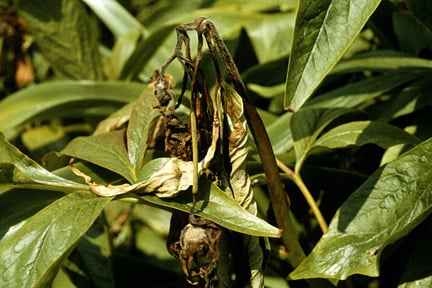
Flower balling

The fully-developed buds of double flowers, such as roses and peonies, sometimes fail to open. This problem is known as ‘balling’ and usually occurs in wet weather conditions. However, it is possible to rescue some of the affected flowers.


Rose balling

Quick facts

Common name - Flower balling

1

Plants affected - Roses, peonies and camellias

2

Main symptoms - Flower buds turn brown and fail to open

3

Main causes - Wet, shady conditions

4

Timing - Spring and summer

5

What is flower balling?

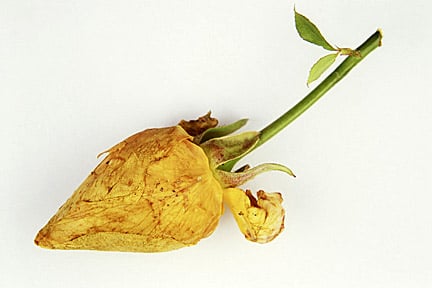
Flower balling is a disorder in which flower develop normally but do not open. But what is the cause? Cool, wet weather saturates the outer petals and then the sunshine dries and fuses them into a tight, papery shell, preventing the from opening.

Appearance

Flower-balling is characterised by the following appearance:

  • The often feels soft and slimy to the touch; and then the outer petals turn brown, becoming dry and crisp in places
  • When the outer petals are prized apart, the inner petals appear normal
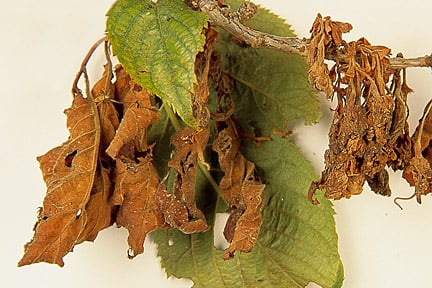
  • The bud may drop off or, if it hangs on the plant, grey mould may develop and cause it to rot
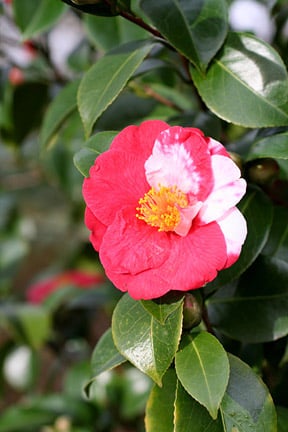
  • Thin-petalled, such as rose, peony and camellia cultivars are most susceptible to this condition

Control

Non chemical

  • Good air circulation is crucial to dry the quickly. When planting roses, choose an open site (but not exposed). With existing plantings, increase by pruning correctly; staking peonies; and cutting back overhanging shrubs or trees
  • Water plants in the evening, avoiding hot, sunny conditions, and always direct water at the base of plants rather than the foliage and flowers
  • In certain situations, it may be feasible to construct a temporary shelter over the whole plant or individual buds to protect them from rain
  • Remove balled buds promptly before grey mould sets in as it can infect other blooms or nearby plants and cause dieback of stems
  • Replacement of repeat offenders is sometimes the only remedy. Modern cultivars particularly of roses are said to be less affected

Chemical

There are no chemicals treatments for this disorder.
RHS Guides, you may also like