Grow Your Own
Everything you need to know about growing your own edibles


RHS Badminton
Flower Show
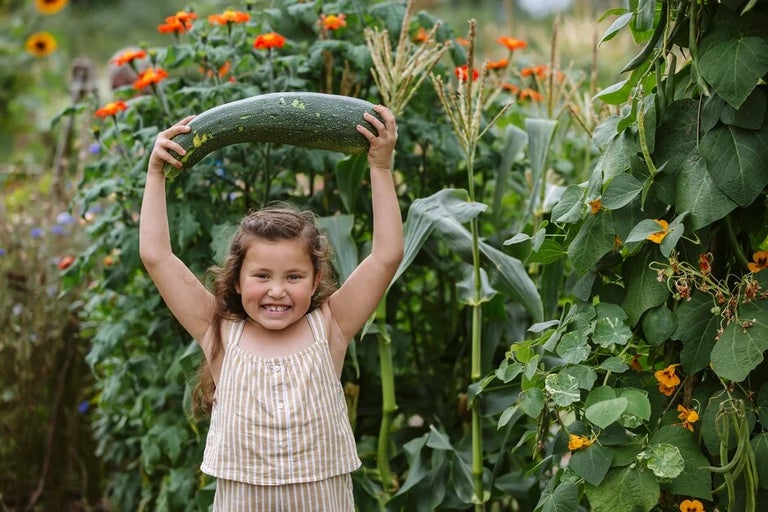
The colourful and inspirational Grow Your Own area is a celebration of fruit and vegetables. If you’re passionate about raising produce or want to learn how to start, you couldn’t ask for a better place
Three specialist exhibitors – Pennard Plants, Sea Spring Seeds and South Devon Chilli Farm – are showing their wares and selling everything from seeds to salsas, chutneys, dressings and sauces. Each nursery specialises in different crops and the growers have a pretty much encyclopaedic knowledge of how to best take care of these tasty crops. Here they share a little practical know-how to help you grow them at home, from everyday garlic to unusual tubers cultivated in the Andes.
Chillis are a brilliant beginner crop – low effort and high yield. “Chilli plants need light and warmth to thrive, so choose a that can fit in your available space,” says Amrit Madhoo, Director of South Devon Chilli Farm . “A small, compact bushy cultivar like ‘Prairie Fire’ will suit a sunny windowsill. If you have a bigger space, then the classic ‘Jalapeño’ is relatively fast to grow. My advice for novice growers is to avoid trying to cultivate chillis outdoors unless you have a greenhouse.”

Yacon or earth apple (Smallanthus sonchifolius) is one of the crops grown by Pennard Plants . This South American has a fresh and fruity pear-like flavour. “It tastes and looks like watermelon when harvested, but the root gradually sweetens when exposed to sunlight,” says Chris Smith at Pennard Plants. “Cut into cubes for a salad, boil the roots to get a low calorie sweetener or use its leaves for tea.”

Tomatoes can be fussy, but they don’t all need constant maintenance to thrive. As Joy Michaud of Sea Spring Seeds explains: “If you’re a busy person, try a bush type. Unlike tomatoes, these don’t require staking or pinching out. ‘Micro Cherry’, for example, is the ultimate tomato for a hanging basket. Its long, cascading branches don’t need pruning and the juicy red fruits measure about 2cm in diameter. A single plant can produce thousands of tomatoes.”