RHS Chelsea Flower Show

18 - 22 May 2027

View Ticket Options
Show Gardens

The Wimbledon Garden: Nature in Play

Designed for tennis fans and gardeners alike, this garden brings together a love of the sport and its history with ideas for creating beautiful outdoor spaces that can adapt to a changing climate

The garden

Designed by:
Joe Perkins

The Wimbledon Garden: Nature in Play, designed by Joe Perkins, celebrates 150 years of The Championships at Wimbledon with a tennis court-sized landscape that reimagines the traditional English garden for a changing climate.

Richly textured, climate-adaptive planting, striking trees and drought-tolerant species offer a new interpretation of ‘tennis in an English garden’, the long-standing horticultural ethos of the All England Lawn Tennis Club. The garden itself, close in size to the average back garden, echoes the size and shape of a lawn tennis court, providing a direct link to the anniversary and the game that inspired it.

At its heart is an open pavilion inspired by elements from Wimbledon’s historical archive and the ways tennis has evolved and innovated over the years. Built using laminated timber, its construction also nods to a technique developed from lamination methods used in aircraft design during the First World War and later adopted in early tennis rackets.

Rills and pools run through the garden, playfully acknowledging Wimbledon’s enduring relationship with the elements while demonstrating how water can be managed effectively and sustainably in a domestic setting.

The plants

Climate-resilient planting is at the heart of the garden, with species selected to cope with increasingly unpredictable conditions, from dry summers to wet winters and seasonal flooding.

Statement trees include Acer tataricum subsp. ginnala (Amur maple) and Crataegus × lavalleei ‘Carrierei’. Both are suited to smaller urban spaces and tolerate dry conditions, air pollution and exposure. The Acer provides autumn colour, while the Crataegus is particularly valuable for wildlife.

Six parasol or rooftop-trained liquidambars, which can tolerate intermittent flooding, represent Wimbledon’s ball boys and girls, who work in teams of six. Their straight stems also evoke the galleries of monastic cloisters, where it is thought early forms of tennis may have been played in medieval France.

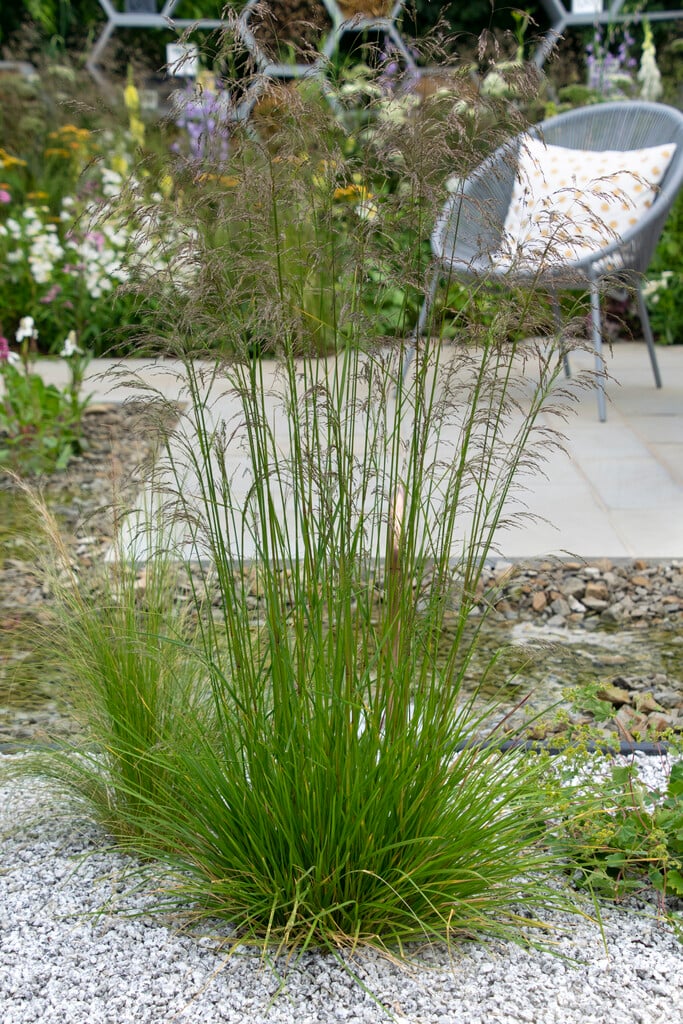
Deschampsia cespitosa , or tufted hair grass, thrives in sun to partial shade and performs well in heavy, wet and even waterlogged soils. A UK native, it is also a larval food plant for several moth and butterfly species.

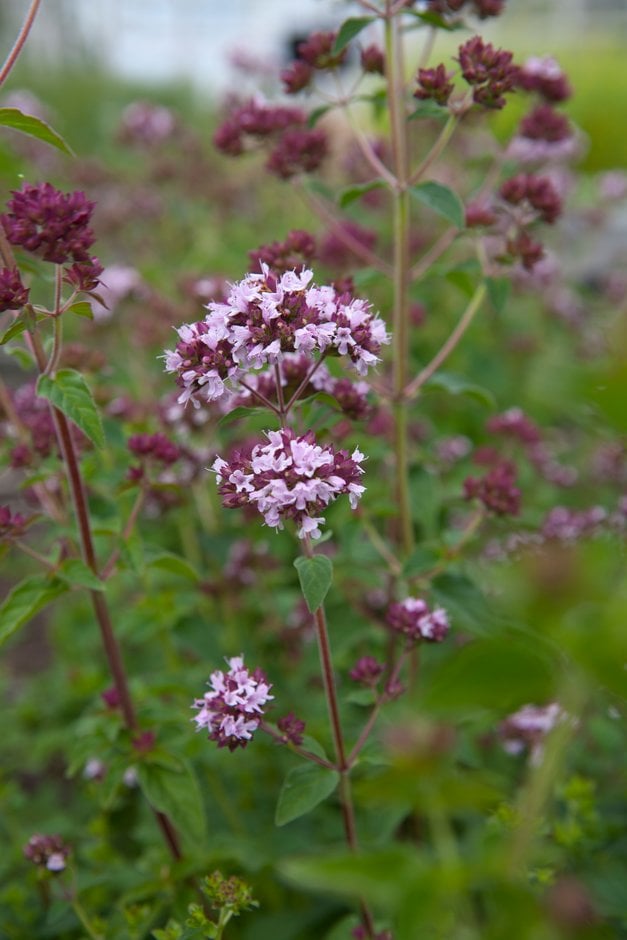
Various iris species appear in both the dry garden and swales, including the purple Iris ‘Bishops Robe’ , a nod to Wimbledon’s classic colours and an important nectar source for pollinating insects. Less familiar plants include Sideritis scardica (Greek mountain tea) and Lotus dorycnium , while edible herbs such as oregano, thyme and other aromatic plants also feature.

There is no strict colour scheme, although purples, greens, yellows, whites and pale apricot run through the planting. Many of the plants naturally thrive in limestone or alkaline conditions, complementing the UK limestone gravel used in the hard landscaping.

Around 4,000 plants will make up the garden. The planting also has a direct connection to Wimbledon itself, drawing inspiration from the new drought-tolerant scheme designed by Joe Perkins for the famous Hill at the All England Club, which is due to be unveiled at The Championships in 2027.

Plants suppliers: Deepdale Trees, Kelways Plants

Sustainability

The garden demonstrates practical ways to adapt to increasingly unpredictable weather. Climate-resilient planting is combined with UK-sourced materials, gravel mulch and the reuse of soil on site. Rainfall is captured and managed through rills, swales and a visible Sustainable Drainage System (SuDS), turning water management into an integral part of the garden’s design.

The laminated timber pavilion has been designed with embodied carbon, structural strength and longevity in mind. An on-site weather monitoring system will also track conditions, helping to demonstrate how gardeners can better understand and respond to the microclimates within their own gardens.

The designer

Joe Perkins has worked in horticulture for 30 years across design, construction and aftercare. His approach combines resilient planting, responsible materials and thoughtful water management to create gardens that respond to their setting, people and wildlife.

His previous RHS Chelsea gardens have won gold medals in 2019, 2022 and 2025.

About the sponsor

The All England Lawn Tennis Club is marking 150 years of The Championships, Wimbledon in 2027. The Wimbledon Garden: Nature in Play, celebrates the Club’s long-standing ‘tennis in an English garden’ ethos, while looking to the future through climate-resilient planting, sustainable water management and carefully sourced materials. It reflects Wimbledon’s core values of heritage, respect, integrity and excellence.

Garden legacy

After RHS Chelsea Flower Show, the garden is planned to be shared and relocated to create community garden spaces in the London boroughs of Merton and Wandsworth, neighbouring the All England Club. Wimbledon is working with the local councils to determine the locations, allowing the garden to have a lasting life within the local community.