8 star plants of RHS Chelsea 2026
Meet some of the floral stars of the show and discover inspiring plant ideas to take home from this year’s RHS Chelsea Flower Show


RHS Chelsea
Flower Show
is in crisis, but gardeners have huge power to help – even just by growing a few choice plants. Engaging with the wonderful wildlife on our doorstep often benefits our own wellbeing, too.
Look out for these 10 top wildlife plants at RHS Chelsea Flower Show, each benefitting a different group of animals to help make your outdoor space a haven for biodiversity.

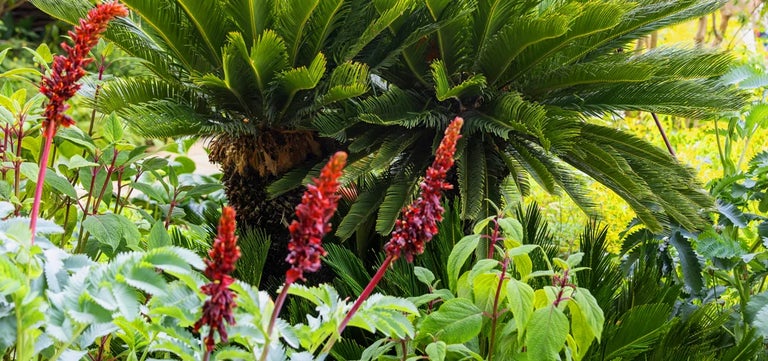
This is a classic RHS Chelsea plant that makes an appearance at the show every year. It’s as if the bumblebees know it’s coming, because they almost immediately flock to the crimson thistle-like blooms. Holding an RHS Recommended Award of Garden Merit and thankfully completely lacking in prickles, this handsome hardy is easy to grow and perfect for reasonably moist beds and borders in sun or part shade. Its seen here with Zizia aurea, one of our 2026 star plants from RHS Chelsea.

This has a similar look to honesty, but flowers for longer, especially with regular . It also has a lovely evening scent. Boasting a voluminous cloud of violet or white flowerheads, it’s great for filling gaps in borders for late spring and early summer colour. Not only is it a wonderful source for a variety of butterflies, it’s also a main caterpillar food plant for the orange-tip butterfly. A true butterfly two-in-one!

They’re the pollinators that take the night shift – and we have 2500 UK species of moth, compared to only 59 butterflies. While adult moths feed on nectar, the caterpillars eat leaves and need different plants. So to help moths, it’s important to include these caterpillar food plants. An ideal biennial for shade, foxgloves fill this role for several species, including the lesser yellow underwing and angle shades moth.

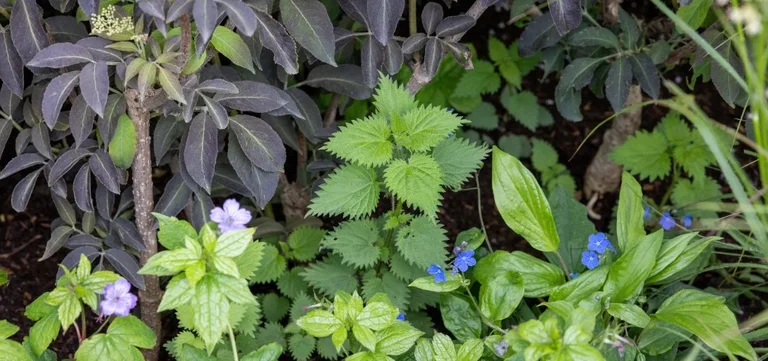
Providing , recycling services and aphid predation, hoverflies are a true gardener’s friend. These often-overlooked pollinators mostly have short tongues, so need open, flat-topped flowerheads that they can easily access for pollen and nectar, such as fennel, achillea and cow parsley. ‘Ravenswing’ is a dramatic take on wild cow parsley, with deep purple foliage offsetting pale, lacy blooms.

Eating aphids, scale insects and mildews, ladybirds are another key garden helper. Often grown near veg but great for pots too, nasturtiums are easy that draw aphids away from other plants to be hoovered up by ladybirds, which also feed on the pollen and nectar and lay their eggs among the leaves. Ensure ladybirds have somewhere to overwinter by delaying cutting back perennials until March.

Bats are vital to UK ecosystems and help keep midges in check in your garden. They feast on insects at night, so up a bat banquet with plants that attract nocturnal insects such as moths. Moths are drawn to pale, night-scented flowers such as our native honeysuckle and its cultivars, which make wonderfully fragrant climbers for a large wall, pergola or trellis and thrive in shade. Birds love the berries too.

The clue’s in the name! Dense hedges with cover at the base provide ideal habitat for hedgehogs, connecting gardens and garden areas with safe routes. Many native hedge species, such as hawthorn, hazel, privet, elder and alder buckthorn, are caterpillar food plants, so help to lay on a hedgehog larder too. Leave leaf litter under the hedge, or even sweep leaves underneath, to provide a winter duvet.

A pond is perhaps the best wildlife feature you can add to your garden. Native pond and wetland plants provide shelter, prey and egg-laying sites for frogs, toads and newts, especially marginal plants that create underwater architecture in the shallows. Water-forget-me-not provides cover for tadpoles while newts lay eggs on the leaves. Ensure there’s damp cover around the pond, such as long grass.

The bright red autumn berries of this easy and reliable UK native shrub provide the perfect winter larder for a wide range of birds, including blackbirds, fieldfares, redwings, mistle thrushes, jays, bramblings, blackcaps, waxwings and more. The flat heads of creamy flowers in late spring/early summer are perfect for hoverflies. Guelder rose thrives in a damp spot in a woodland area, shrubbery or mixed hedge.


A resilient perennial with jagged silver-green leaves and flower stems 2m tall, cardoon is a truly architectural plant. The giant thistle-like blooms are a magnet for pollinators, while later in the year, seedheads provide a feast for birds such as finches.
Leave the stems standing for winter structure and habitat, and birds may even use the thistle down to line their nests in spring.