Harness weeds for wildlife
Sometimes weedy plants can have surprising biodiversity benefits
Take a fresh look at some of the wild that pop up unannounced among your garden plants. You might be pleasantly surprised at what wildlife they support and how well they earn their keep.
Red deadnettle (Lamium purpureum)

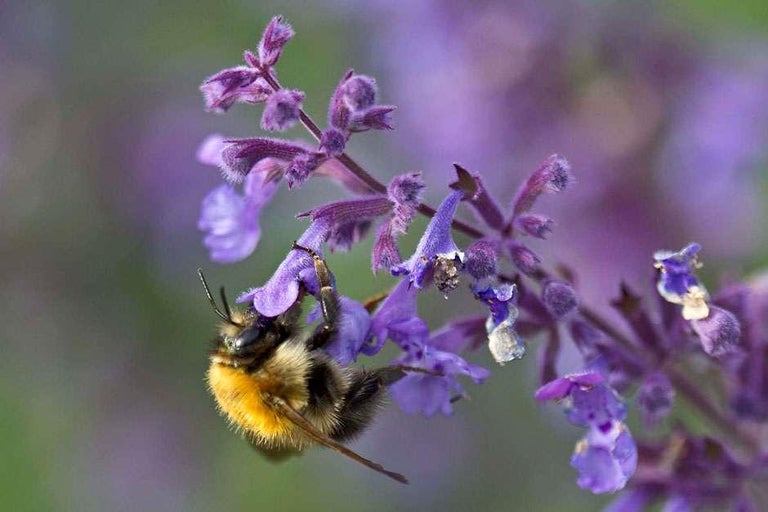
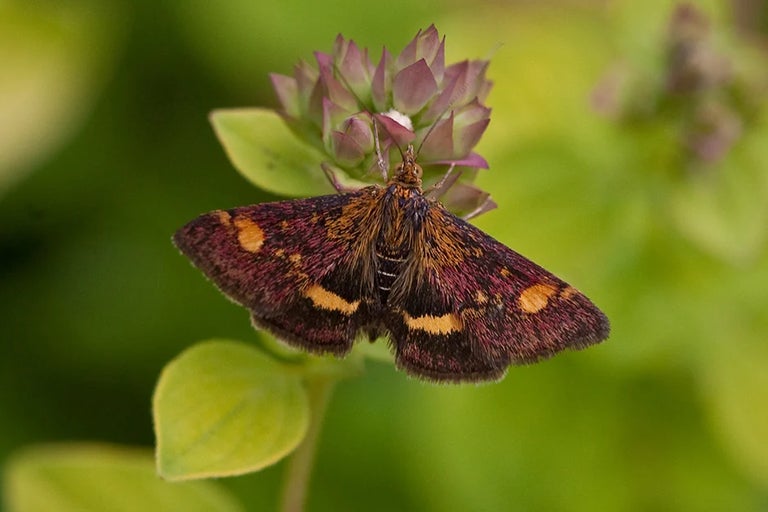
Found on road edges and hedge banks, Lamium purpureum is a pretty annual with pinky-red flowers that crops up readily in gardens. In some years it’s abundant enough to provide attractive groundcover. It’s loved by bumblebees, flowering from March to October. Caterpillars of garden tiger, white ermine, burnished brass and angle shades moths feed on the leaves.
Chickweed (Stellaria media)

Stellaria mediahas small, starry white flowers all year round, making it valuable for insects, particularly bees. These are followed by seeds which supplement the diet of many seed-eating birds – it’s a favourite of turtle doves, a now rare summer migrant found across southern and eastern England.
Groundsel (Senecio vulgaris)

A member of the daisy family, the yellow flowers of Senecio vulgaris lack outer petals, making it easy to overlook. Yet its flowers attract small insects, striking cinnabar moth caterpillars feed on its leaves and its seeds are a nutritious snack for bullfinches, linnets, greenfinches, goldfinches and others!
Fat hen (Chenopodium album)

Chenopodium album is a tall leafy edible plant belonging to the spinach family. It often appears on freshly-dug soil. Complementing other good plants for birds such as sunflowers, the seeds of fat hen are popular with yellowhammers, greenfinches, linnets, house sparrows, dunnocks, woodpigeons and collared doves.
Hedge mustard (Sisymbrium officinale)

A member of the cabbage family: it’s unsurprising that Sisymbrium officinale supports a wide range of insects, including caterpillars of the green-veined and small white butterflies. Caterpillars of the orange tip butterfly are also found on this plant, feeding on the flowers and seedpods.

Herb Robert (Geranium robertianum)

A pretty annual with purple-pink flowers over a long season, Geranium robertianum attracts bumblebees such as buff-tailed, common carder and white-tailed. You’ll often smell its distinctive aromatic leaves as you brush past the plant. These turn bright crimson when the plant is drought stressed.
RHS Weeds Advice
Many common weeds are UK native wildflowers, but you may not want them growing in some areas of your garden. If weeds are becoming a problem, our useful advice will help you control them.