Peat-free petition goes to Downing Street
The RHS, along with the public, retailers, garden centres, professional growers and environmental organisations, have asked the Prime Minister for legislation to end the devastation of UK peatlands and help UK growers plan for a peat-free future
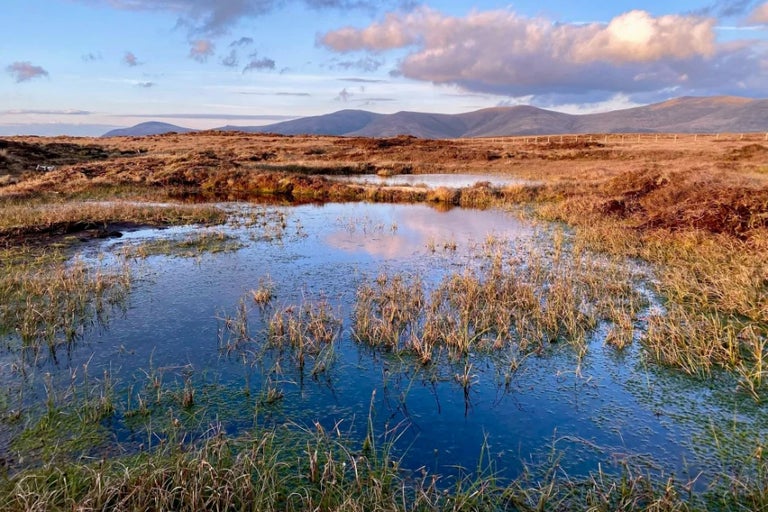
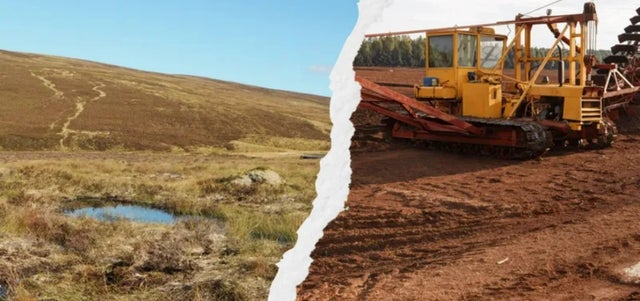
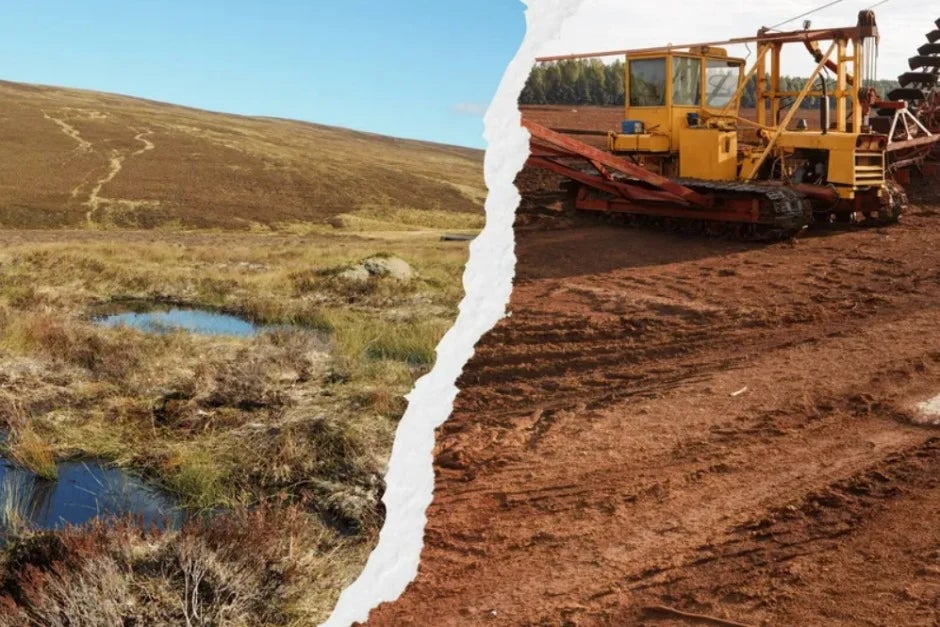
Peatlands are crucial in the fight against climate change. Continued extraction for horticulture destroys thousands of years of carbon-rich peat, exacerbates global warming, and destroys unique habitats that are home to a wide range of wildlife.
Joining forces to make change happen
In January 2026, the Peat-free Partnership, a coalition of environmental NGOs (non-profit, non-governmental organisations dedicated to environmental conservation, advocacy and research) and horticultural organisations, including the RHS, came together to collectively call for an end to peat in gardens once and for all.
16,000 people, including members of the public, retailers, garden centres, professional growers and environmental organisations, have signed the petition, calling on the UK Government to legislate to end peat sales in 2026.
"Peatlands are home to some of the world’s most distinctive plant communities and are one of our strongest natural allies in tackling climate change."
How to support the campaign?
You can still sign the petition to show your support, calling on the Government to act now to pass legislation in 2026 and bring peat sales to an end at last.
Sign the petition >
With just a few clicks, you can double your impact by using the template to email your MP.
Email your MP >
Please note: by following the links, you are leaving the RHS website and will be taken to the Peat-Free Partnership website, where you will be governed by their terms & conditions and privacy policy.
The true cost of peat
The horticultural industry still uses a massive 760,000m3 of peat each year – enough to fill over 300 Olympic swimming pools.
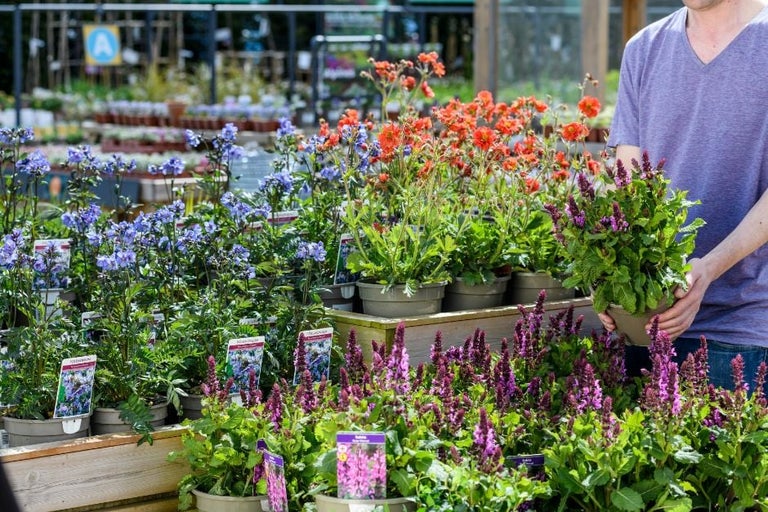
Peat, sold as an ingredient in some bagged , is used to grow most of the plants you buy in garden centres, from bedding and perennials to trees and shrubs and many fresh vegetables you buy from the supermarket.
Continued extraction is destroying carbon-rich peat that has taken thousands of years to form. Governments have known about the damage that destroying peatlands does to the environment for decades.
The effects of peat extraction include:
- Digging up peat emits huge amounts of carbon, directly contributing to climate change
- Worsens the risk of flooding as exploited peatlands can’t absorb excess rainwater like intact ones can
- Obliterates habitat that might otherwise be home to many rare and unique species of plants, insects and birds
Time for the UK to finally ban peat
In October 2025, the UK Government committed to ‘legislate a ban on the sale of peat and peat-containing products when Parliamentary time allows’ as part of its Carbon Budget and Growth Delivery Plan and the Environmental Improvement Plan 2025. The previous UK Government had repeatedly pledged legislation to end peat sales by 2024, but failed to keep its promise.
The Peat-free Partnership is calling for legislation that:
- Ends the sale and supply of peat in horticulture
- Makes provisions for horticultural businesses to transition to peat-free alternatives, no longer than two years (and in very limited circumstances up to five years) post legislation
- Makes provisions for continued minimal use of peat for conservation and other scientific purposes under licence in very limited circumstances where there are no viable alternatives
Delivering the petition to 10 Downing Street, Nicola Hutchinson, Interim CEO for global conservation charity Plantlife, said: “Peatlands are home to some of the world’s most distinctive plant communities and are one of our strongest natural allies in tackling climate change. Despite overwhelming public support, the Government has still not set out a clear timetable to end peat sales. We need legislation in 2026 to provide the clarity the horticulture industry so desperately needs to help it flourish, and allow both growers and gardeners to transition into a peat-free future.”
Gardeners are increasingly aware of the environmental toll of extracting peat, with nearly two-thirds of gardeners (63%) already only buying peat-free growing media. The horticulture industry has also made encouraging progress in becoming peat-free, reducing peat use by over 50% in recent years.
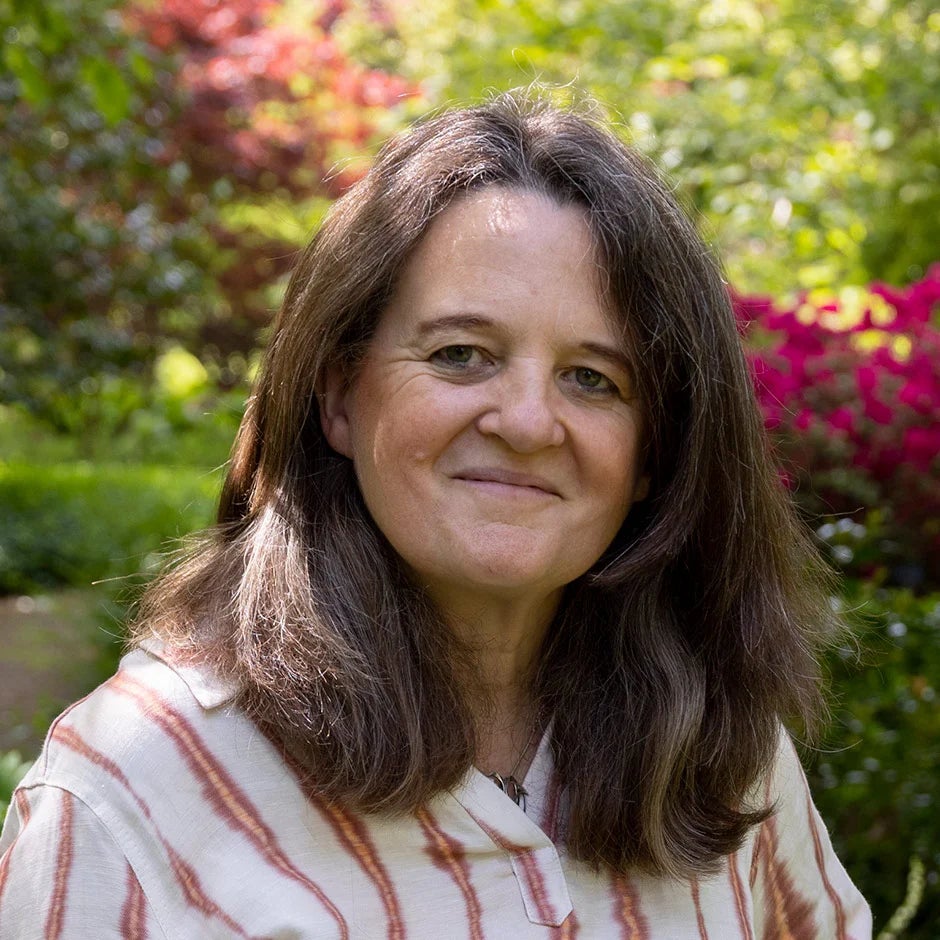
"Gardeners want to know that when they purchase a plant, they are having only a positive impact on the planet."
RHS Director General Clare Matterson said: “Gardeners want to know that when they purchase a plant, they are having only a positive impact on the planet. Equipped with the ways and means to grow peat-free, we now need the Government to set out legislation that will help the industry make the final transition and ensure our gardens are truly the greenest they can be.”
Guy Singh-Watson, founder of organic veg box company, Riverford, said: “Peat is wonderful at what it does, but it is very problematic. It's a bit like coal. It’s been buried in the ground for thousands of years, locking up carbon and we are mining it to grow food. That contributes to climate change and we cannot deny it. We need to push this legislation through and just ban peat.”
How to support the campaign?
You can still sign the petition to show your support, calling on the Government to act now to pass legislation in 2026 and bring peat sales to an end at last.
Sign the petition >
With just a few clicks, you can double your impact by using the template to email your MP.
Email your MP >
Please note: By following the links, you are leaving the RHS website and will be taken to the Peat-Free Partnership website, where you will be governed by their terms & conditions and privacy policy.
How to go peat-free
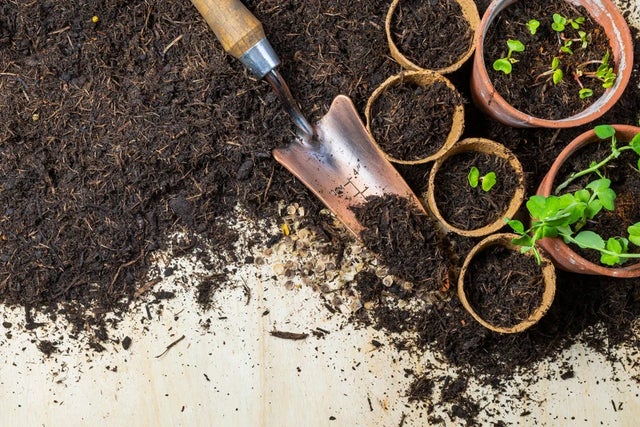
RHS and industry trials have shown there are now high-quality peat-free alternatives – some of which regularly outcompete peat-based composts in trials.
- Buyers can ask garden centre staff if the plants are peat-free. By showing there is demand, you’re helping to make change
- The RHS has compiled a peat-free nursery list , which identifies garden centres and nurseries where you can source plants that are 100% peat-free
- From January 2026, all RHS Garden Centres are 'no new peat'in all plants
- Visit the peat-free hub to find out more about why peat-free is so important, and for everything you need to know to grow thriving plants that don’t damage the environment.
The Peat-free Partnership, funded by Esmée Fairbairn Foundation and hosted by wild plant conservation charity Plantlife, includes the RHS, The Wildlife Trusts, Garden Organic and the National Trust.